
How Vape Liquid UK Law Can Affect Vape Battery Safety
Vaping has become one of the most widely discussed alternatives to smoking in the UK. While many conversations focus on the health effects of vape liquid, one crucial aspect often overlooked is how vape liquid UK law can directly and indirectly affect vape battery safety. Batteries are at the core of every vaping device, and their safe usage depends not only on user handling but also on the regulations governing vape liquids and related products. Understanding the connection between vape liquid laws and battery safety can help both beginners and experienced vapers avoid risks, comply with UK regulations, and enjoy a safer vaping experience.
Understanding Vape Liquid UK Law
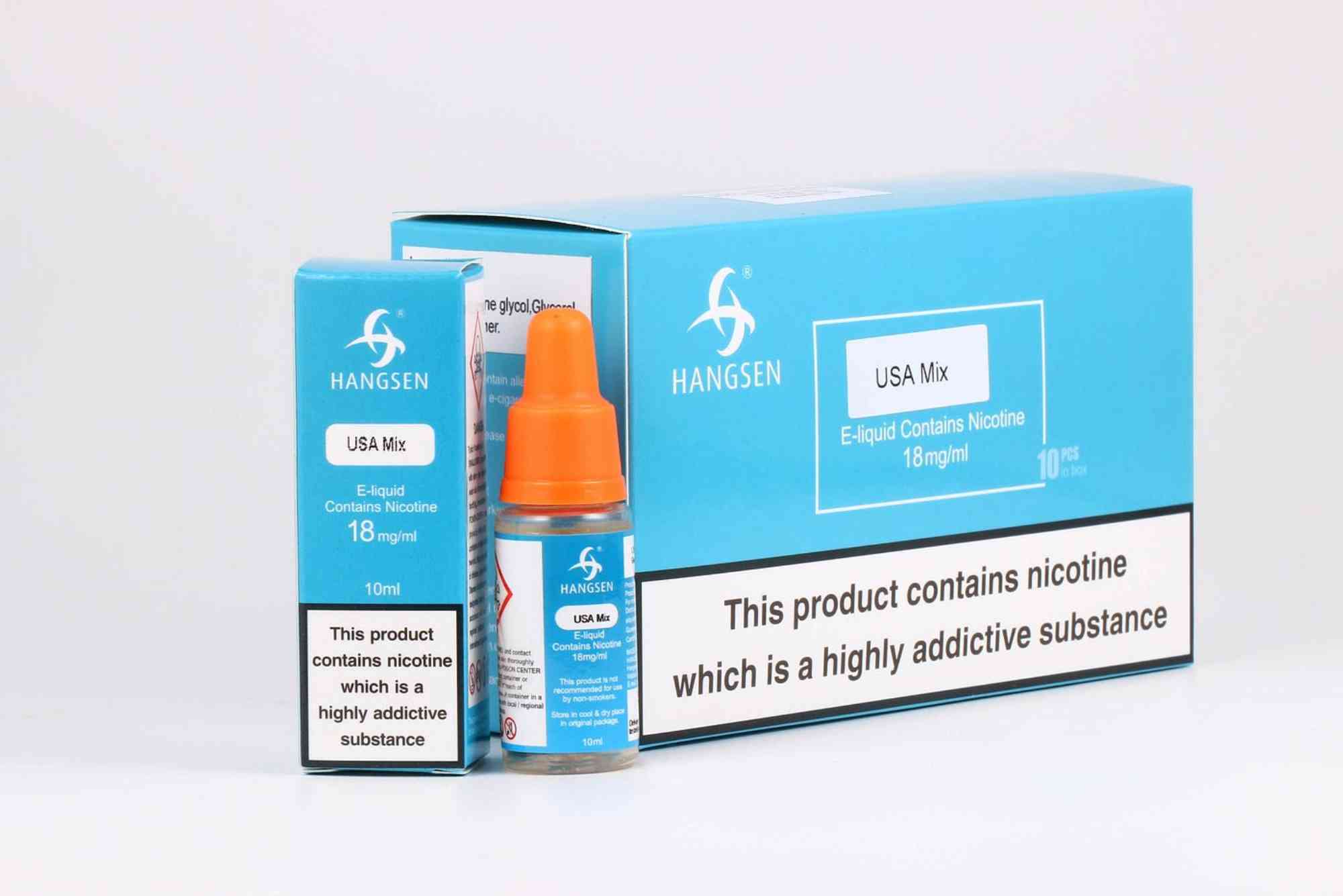
Vape liquid in the UK is regulated under the Tobacco and Related Products Regulations (TRPR), which enforces rules to protect consumers. These laws cover aspects such as nicotine strength, bottle sizes, packaging, and safety labeling. The maximum nicotine strength allowed is 20 mg/ml, bottles cannot exceed 10 ml for nicotine-containing e-liquids, and all packaging must feature child-resistant caps and clear safety warnings.
On the surface, these laws may seem to target only the liquid itself, but in practice, they influence how vape devices are designed, how batteries are used, and how consumers interact with their equipment. Manufacturers must ensure that devices work seamlessly with compliant liquids, meaning battery performance and compatibility also come into play.
The Connection Between Vape Liquid and Battery Safety
Many users assume vape battery safety is purely about electrical engineering or user mistakes, but vape liquid regulations shape the way devices are built. For example, when laws restrict nicotine concentrations, manufacturers adjust power outputs to balance vapor production with lower nicotine strength. This adjustment impacts how batteries are designed and how much stress they endure during use.
Another key factor is packaging and labeling. Vape liquid bottles now come with clear instructions and warnings, which often include battery safety tips. These instructions guide users in charging devices properly, avoiding overuse, and storing them safely—all critical factors in preventing overheating, explosions, or battery leaks.
How Legal Restrictions Impact Device Power and Battery Demand
When vape liquid UK law limits nicotine levels, vapers often turn to sub-ohm devices to achieve stronger effects with lower nicotine strength. These devices require higher wattages and, in turn, place heavier demands on batteries. This shift creates new challenges for battery manufacturers and users alike. Batteries that are not designed for high-drain use can overheat, degrade quickly, or even fail catastrophically.
Because of this connection, UK law indirectly encourages stricter device safety testing. Battery manufacturers must provide cells that can safely handle high power output, and device makers must include built-in protections such as short-circuit prevention, overcharge protection, and venting systems. Without these safeguards, the legal restrictions on vape liquid could lead to increased risks for battery accidents.
Packaging, Warnings, and Consumer Awareness
Another important outcome of vape liquid UK law is consumer education. Labels now highlight not only nicotine content but also storage and usage instructions. While most warnings focus on liquid safety, they also raise awareness of proper device handling. For instance, keeping liquids away from children is often mentioned alongside tips for safe charging, reminding users to treat the entire vape setup with care.
Clear packaging rules have also reduced the circulation of counterfeit products. Counterfeit or unregulated liquids often came with devices of questionable quality, sometimes paired with unsafe batteries. By clamping down on unverified products, UK law has indirectly lowered the risk of users encountering poorly made devices with unstable batteries.
Battery Safety Risks Linked to Poor Compliance
Despite the regulations, risks remain when users ignore the rules or purchase illegal products. Buying vape liquids from unregulated sources exposes vapers to devices not tested for UK compliance. These devices may use low-quality batteries without thermal protection, making them far more dangerous.
Mixing non-compliant liquids with legitimate devices can also put unnecessary strain on batteries. For example, high VG (vegetable glycerin) liquids not designed for certain coils may cause users to increase wattage, stressing the battery beyond safe limits. The law is designed to prevent these situations, but consumer choices still play a major role in safety.
The Role of Standards and Certifications
UK law requires manufacturers to submit products for testing before they are sold. These tests cover both e-liquids and devices, ensuring that batteries meet electrical safety standards. Compliance marks, such as CE certification, signal that a device has passed safety checks. This process ensures that the batteries supplied in compliant kits are less likely to overheat, explode, or malfunction.
For consumers, buying certified products is the most reliable way to ensure safe vaping. While laws cannot eliminate every risk, they raise the bar for manufacturers and hold them accountable for the safety of their devices and batteries.
How Users Can Stay Safe Under UK Law
Even with strong regulations in place, personal responsibility is crucial. Users should always follow the guidance provided on vape liquid packaging and device manuals. Using the correct charger, avoiding damaged batteries, and never mixing counterfeit liquids with compliant devices are essential practices.
Additionally, understanding the link between nicotine strength and device wattage can prevent unnecessary stress on batteries. Lower nicotine liquid may encourage longer or more frequent vaping sessions, which increases battery cycles. By balancing liquid choice with appropriate device settings, users can extend battery life and maintain safer vaping habits.
Future Outlook: What Changes Could Mean for Battery Safety
The vaping industry continues to evolve, and so do regulations. Future updates to vape liquid UK law may further impact battery safety. For example, stricter limits on bottle size or nicotine strength could push users toward even more powerful devices, once again increasing demands on batteries. On the other hand, improved technology and stricter compliance standards may lead to safer, longer-lasting batteries designed to handle such demands with ease.
Consumer education is also expected to grow. As awareness of battery safety increases, manufacturers and regulators may collaborate on clearer guidelines, better warning labels, and enhanced training materials for retailers and consumers.
FAQs
Does vape liquid UK law regulate batteries directly?
No, the law focuses on e-liquids, nicotine limits, and packaging. However, it indirectly affects batteries by shaping device designs and safety standards.
Can using stronger liquids damage vape batteries?
Not directly. But stronger liquids often require different devices, which may demand higher wattage, putting strain on the battery.
Why are nicotine levels capped at 20 mg/ml in the UK?
The cap is designed to protect consumers from nicotine poisoning while promoting safer vaping habits. It also influences how devices and batteries are used.
Are all vape batteries safe under UK law?
Only batteries that come with certified, compliant devices meet UK standards. Standalone batteries from unregulated sources may not be safe.
What is the safest way to charge vape batteries?
Always use the charger provided by the manufacturer, avoid overnight charging, and keep batteries away from heat and water.
Vape liquid UK law is more than just a set of rules about e-liquid composition and packaging. It has a significant ripple effect on how vape devices and batteries are designed, tested, and used. By limiting nicotine strength, requiring clear labeling, and mandating safety certifications, the law indirectly promotes better battery safety and consumer awareness.