

Introduction
Vaping has grown into one of the most debated topics of modern health and law. Many young people are drawn to e-cigarettes for flavors, convenience, or social influence. But when the question arises, is vaping illegal if you are under 18, it highlights more than just legality—it raises concerns about safety, responsibility, and the hidden risks of vape devices. One often-overlooked danger is vape battery safety. For minors, using these devices without proper knowledge can create risks that extend far beyond nicotine addiction.
In this article, we will explore how the legal restrictions around underage vaping tie directly into battery safety. We’ll break down the laws, explain how misuse increases risks, and provide essential safety insights. By the end, you will see why the ban exists and how it actually protects young users from hazards that many adults underestimate.
Understanding the Question: Is Vaping Illegal if You Are Under 18
Across many countries, vaping laws mirror traditional tobacco regulations. In the United States, for example, the Tobacco 21 law raised the minimum purchase age to 21. That means anyone under 18—or even under 21—cannot legally buy vape products. Similarly, in the UK and EU, selling e-cigarettes to minors under 18 is prohibited. The reasoning is clear: adolescents are more vulnerable to nicotine addiction, lung damage, and long-term health issues.
When people search for is vaping illegal if you are under 18, they’re usually looking for a straightforward yes or no. The answer is yes in most regions. However, legality is just one part of the puzzle. The real issue is how underage vaping exposes users to dangers they may not fully understand, including the technical risks of lithium-ion batteries that power most vape pens.
Why Battery Safety Matters in the Context of Underage Vaping
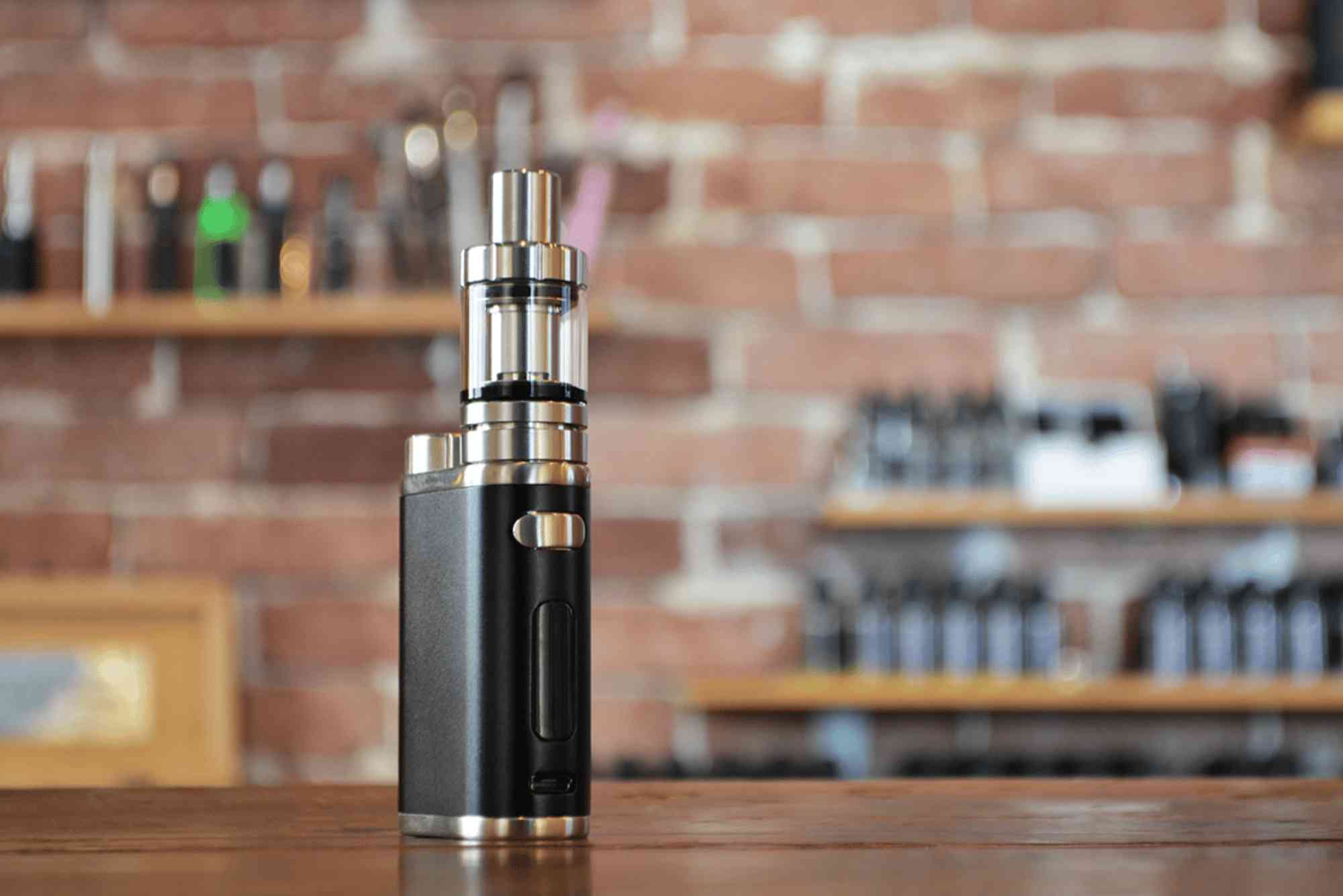
While much attention is given to nicotine and lung health, the battery inside a vape is a hidden risk. Vape pens and mods use high-powered lithium-ion batteries, similar to those in smartphones but often less regulated. Unlike phones, however, vapes require manual charging, storage, and handling.
Adults may take safety precautions, but underage users rarely do. Teens might use cheap chargers, carry spare batteries loosely in pockets, or modify devices without understanding electrical safety. All these behaviors raise the chances of overheating, explosions, and burns.

The law restricting vaping for minors is not only about nicotine—it indirectly shields young people from these technical hazards.
Common Battery Risks Linked to Underage Vaping
Lack of Knowledge About Charging Safety
Many young users plug their vape into any available USB port or charger. Using an incompatible charger can lead to overcharging, battery swelling, or short circuits. Adults with more awareness may follow manufacturer guidelines, but teens are less likely to prioritize them.
Carrying Spare Batteries Improperly
Some vape devices use replaceable batteries. Carrying these batteries in a backpack or pocket without protective cases can cause them to short if they touch coins or keys. This is a leading cause of vape explosions, and it is particularly dangerous among young users who may not know the rules.
Buying Unregulated or Counterfeit Devices
Because vaping is illegal for those under 18, teens often turn to unregulated markets, friends, or online sellers. These sources may provide counterfeit vapes with poor battery safety standards. The risk of faulty wiring, defective batteries, and unsafe charging increases significantly.
Curiosity and Modification
Adolescents are naturally curious. Some attempt to modify vape devices for stronger hits, bigger clouds, or longer battery life. Without technical knowledge, modifications can push the battery beyond its design limits, leading to overheating or fire.
Peer Pressure and Irresponsible Use
When vaping happens in social groups, safety often takes a backseat. Sharing devices, leaving them charging overnight, or using damaged batteries may seem harmless but carry long-term risks.
How Legal Restrictions Protect Teens from Battery Hazards
The question is vaping illegal if you are under 18 has a deeper answer than legality alone. By restricting sales, governments also reduce access to unsafe devices, counterfeit markets, and poor safety practices.
- Less access, fewer risks: If minors cannot buy devices, they’re less likely to mishandle batteries.
- Consumer protections: Regulated products must meet safety standards, but illegal sales often bypass them.
- Education gap: Adults can access manuals, training, and online guides, while underage buyers rarely receive instructions.
Thus, the law indirectly prevents young people from facing dangers they may not be equipped to manage.
The Connection Between Nicotine Addiction and Unsafe Use
It’s not just the technical side. Nicotine dependence itself plays a role in how safely someone uses a vape. Teens driven by cravings may ignore signs of a faulty battery, continue charging unsafely, or use damaged devices just to get a nicotine fix. Addiction overrides caution, making battery risks more severe for underage users.
Real-Life Cases of Vape Battery Incidents
Across the world, reports of vape explosions have made headlines. Many cases involve mishandling batteries, using unapproved chargers, or carrying spare cells loosely. Some incidents have caused severe burns, dental injuries, and even fires. While not all victims are under 18, the lack of awareness in younger users increases the odds of accidents.
The takeaway is clear: vaping is not just about inhaling vapor—it’s also about handling powerful batteries safely. Minors, often unaware of these risks, are more vulnerable.
Practical Advice for Teens and Parents
Even with laws in place, some teens still manage to access vapes. If that happens, education is crucial. Parents should not only discuss nicotine risks but also highlight the dangers of battery misuse. Explaining why devices can overheat, why proper chargers matter, and why modifications are unsafe may prevent accidents.
Teens themselves should understand that vaping is not a harmless hobby. Beyond addiction, battery safety is a real-world hazard. Recognizing that vaping under 18 is illegal can help them avoid risks that extend beyond health and into physical safety.
Why Battery Safety Reinforces the Law
So, is vaping illegal if you are under 18? Yes, in most regions. But the legal ban is not just about nicotine or lung health—it’s also about safety. The lithium-ion batteries inside vape devices pose risks when mishandled, and underage users are far more likely to make dangerous mistakes.
By understanding the connection between vaping laws and battery safety, teens and parents alike can see the bigger picture. Laws are not arbitrary; they are designed to protect. If you or someone you know is under 18 and considering vaping, remember that the risks go beyond addiction—they include real dangers like burns, explosions, and long-term health issues.
Frequently Asked Questions
Is vaping illegal if you are under 18 in the US?
Yes, it is illegal for anyone under 18 to buy or possess vape products. In fact, federal law now sets the minimum age at 21.
Why is vaping under 18 considered dangerous?
Teens face higher risks of nicotine addiction, lung damage, and unsafe handling of vape batteries.
Can vape batteries really explode?
Yes, improper charging, using counterfeit devices, or carrying batteries unsafely can cause explosions and burns.
Do all vape devices use the same batteries?
Most use lithium-ion batteries, but the size and design vary. Regardless, all carry risks if mishandled.
Why do laws mention under 18 instead of focusing on safety instructions?
Because minors are more vulnerable to both addiction and accidents, laws aim to limit access entirely rather than rely on education alone.