
Why are Vapes Illegal in Singapore and Harm Reduction: What Every Smoker Should Know
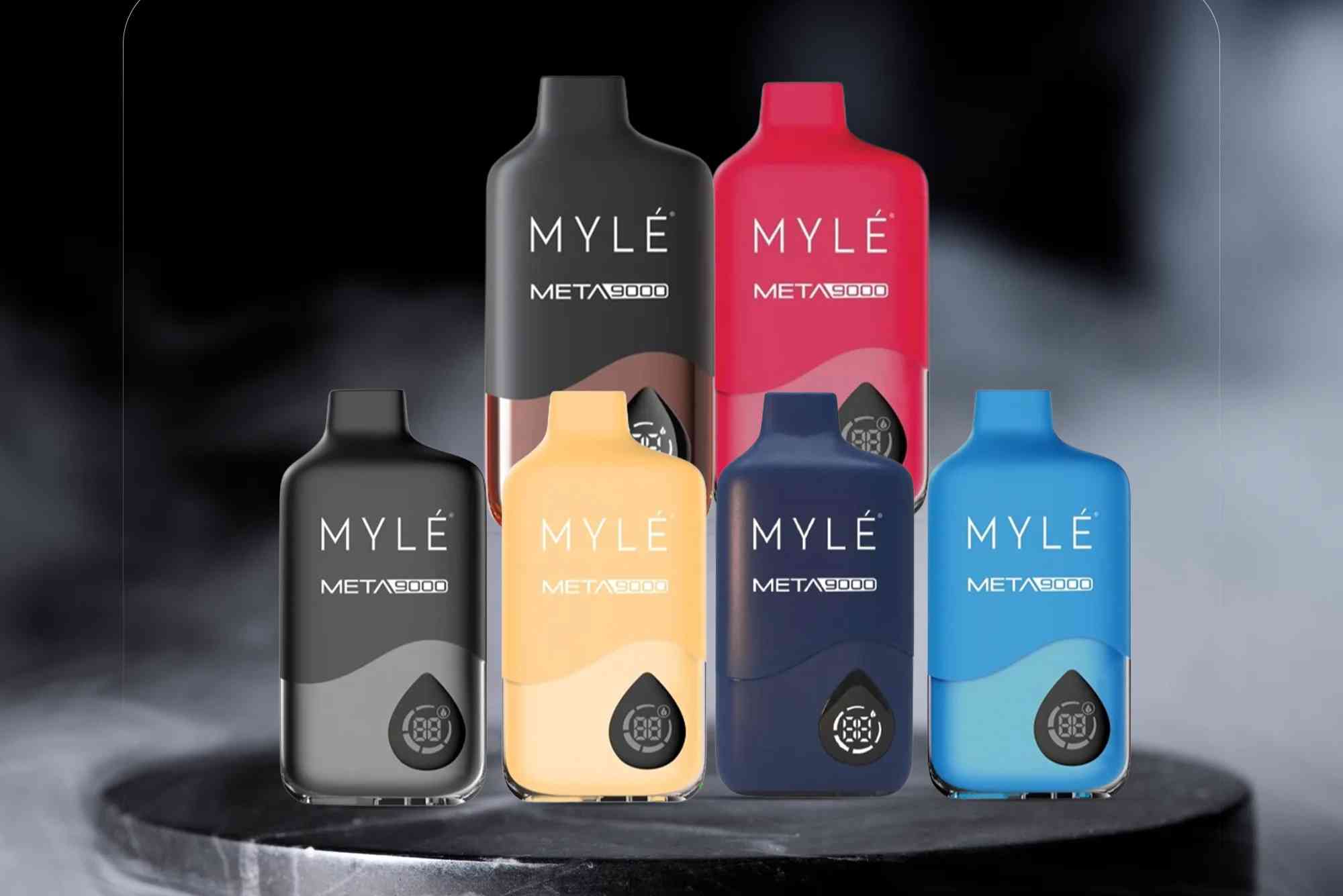
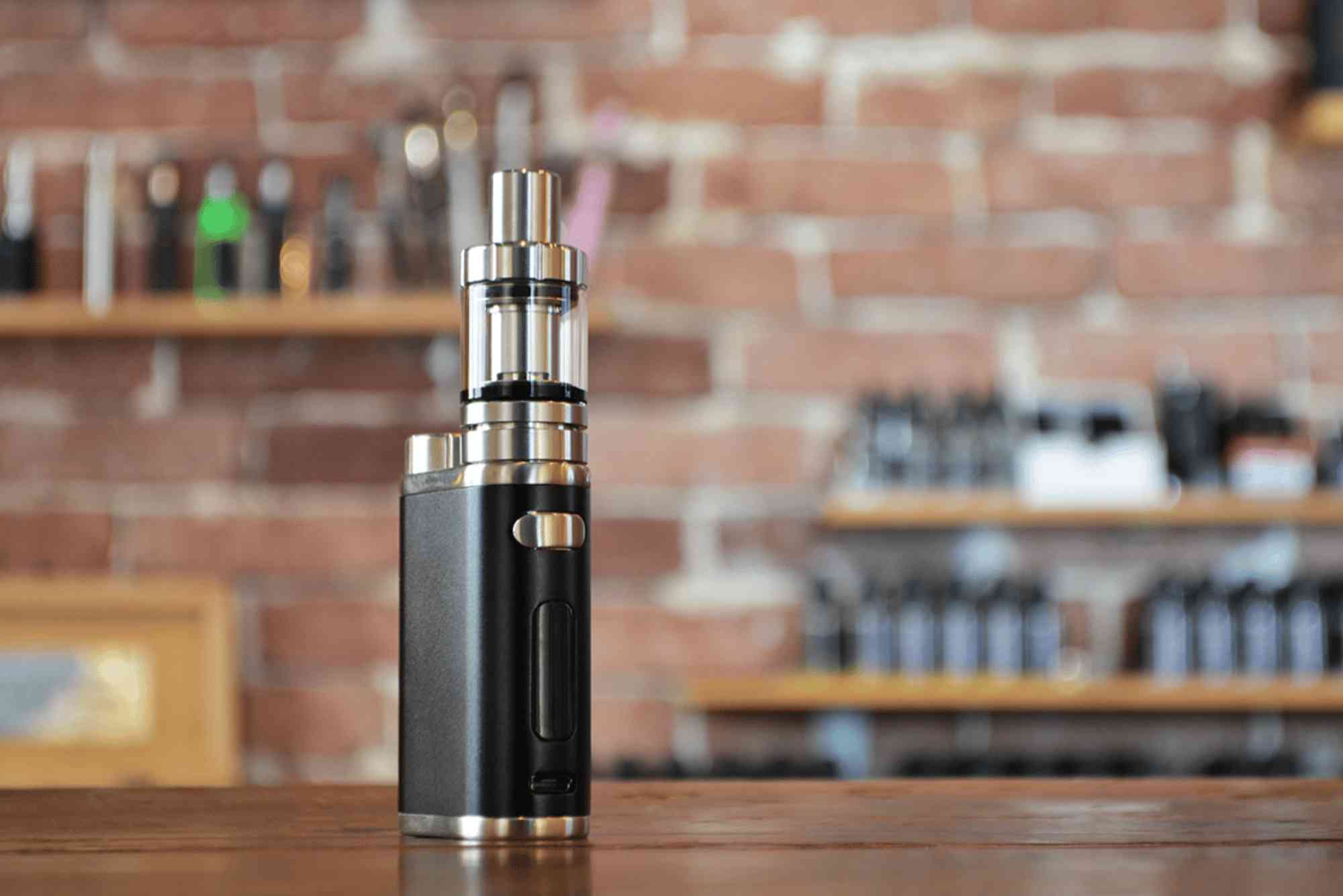
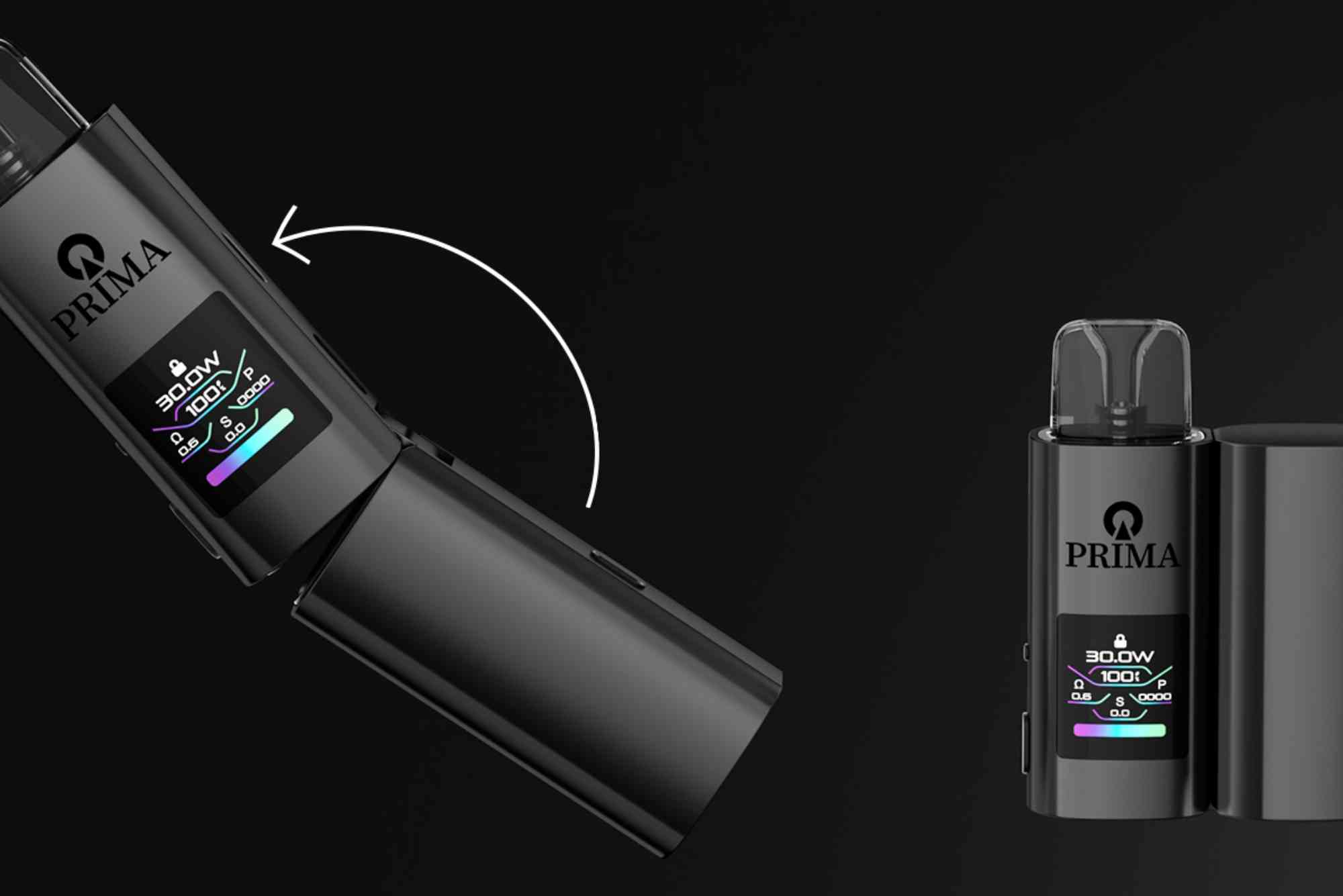
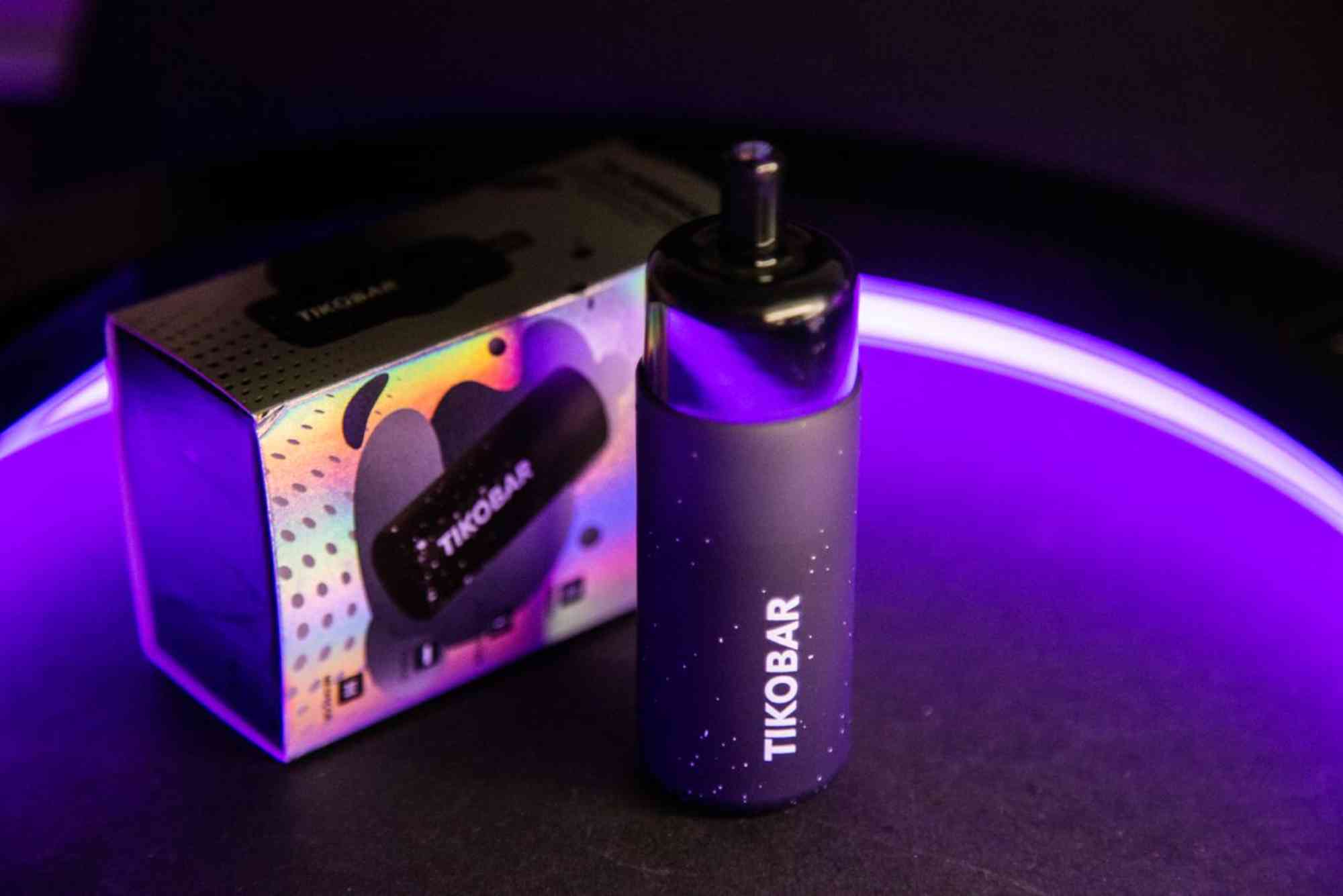
Vaping has become a global trend as an alternative to traditional smoking. However, in Singapore, vapes remain illegal, and the laws are strictly enforced. Understanding why vapes are prohibited and how harm reduction can help smokers make informed choices is crucial for anyone living in or visiting Singapore. This guide explains the legal framework, health considerations, and practical strategies every smoker should know.
Understanding Vape Legislation in Singapore
Strict Regulations on E-Cigarettes
Singapore has some of the world’s strictest regulations regarding e-cigarettes. Any possession, sale, or distribution of vapes or e-liquids is considered illegal. The government enforces heavy fines and even imprisonment for offenders. The rationale is to protect public health and prevent nicotine addiction among young people.
Singapore Health Sciences Authority — nicotine/e-cigarette rules
The Singapore Health Sciences Authority provides detailed rules on nicotine and e-cigarettes. They emphasize that vaping is not a safe alternative to smoking and can lead to nicotine dependence, particularly among youth. These regulations aim to reduce overall tobacco use in the population.
Why the Ban Exists
The ban is grounded in public health concerns. Research indicates that while vaping may be less harmful than traditional cigarettes, it is not risk-free. Concerns include lung injuries, exposure to toxic chemicals, and unknown long-term effects. Singapore prioritizes prevention over harm when it comes to nicotine products.
Health Risks of Vaping
Chemical Exposure
Vapes contain harmful chemicals, including formaldehyde, acetaldehyde, and volatile organic compounds. Even flavored e-liquids can contain additives that irritate the lungs or trigger allergic reactions.
Nicotine Addiction
Nicotine is highly addictive, and vaping can serve as a gateway to dependency. Adolescents and non-smokers are particularly vulnerable, which is why Singapore enforces strict prohibitions.
Uncertain Long-Term Effects
Unlike cigarettes, which have been studied extensively, vaping is relatively new. Long-term studies are limited, making health risks harder to predict.
Harm Reduction Strategies for Smokers
Even with strict regulations, smokers looking to reduce harm can consider safe and legal alternatives.
Quitting Smoking
The most effective way to reduce harm is to quit entirely. Programs like counseling, nicotine replacement therapy, and support groups have proven successful.
Legal Nicotine Alternatives
Smokers can explore nicotine patches, gum, or lozenges approved by health authorities. These options deliver controlled doses of nicotine without exposing users to harmful chemicals in smoke or vapor.
Minimizing Exposure
If quitting immediately is difficult, smokers can minimize risk by reducing cigarette consumption and avoiding dual use of vapes and tobacco. Regular health checkups can also detect early signs of complications.
Societal Impact of Vaping Laws
Protecting Youth
Strict vape laws help prevent underage nicotine addiction. Schools and parents play a role in educating children about the dangers of vaping.
Public Health Savings
By keeping nicotine products illegal, Singapore reduces healthcare costs associated with smoking-related illnesses.
Compliance Challenges
While enforcement is strict, online sales and international travel pose challenges. Travelers must understand the risks and legal consequences of bringing vapes into the country.
How Smokers Can Stay Safe in Singapore
Educate Yourself
Understanding local laws and health risks is essential. The Singapore Health Sciences Authority — nicotine/e-cigarette rules provide authoritative guidance.
Seek Support
Healthcare professionals can guide smokers through cessation programs and harm reduction strategies.
Choose Legal Alternatives
Focus on approved nicotine replacement therapies and avoid illegal vapes. Compliance ensures safety and avoids heavy penalties.
Frequently Asked Questions
Why is vaping illegal in Singapore?
Vaping is illegal in Singapore to protect public health, prevent youth addiction, and reduce exposure to harmful chemicals.
Can I bring a vape into Singapore legally?
No, possession of vapes or e-liquids is illegal. Violations can result in fines or imprisonment.
Are there safer alternatives to vaping in Singapore?
Yes, nicotine patches, gums, and lozenges approved by health authorities are legal and safer than vaping.
What are the penalties for vaping in Singapore?
Penalties include fines up to several thousand dollars, imprisonment, and confiscation of the product.
Is vaping less harmful than smoking?
While vaping may reduce exposure to certain chemicals, it still carries significant health risks and is addictive.
Understanding why vapes are illegal in Singapore and how harm reduction strategies work is essential for every smoker. Legal alternatives, education, and professional support provide the safest path toward reducing nicotine harm. Smokers should prioritize health, follow the law, and make informed choices.
Take action today by exploring legal nicotine replacement therapies and consulting healthcare professionals to begin your journey toward safer smoking habits.