
Is When Do Vape Laws Change in Washington State Putting Vapers at Risk?
Vaping regulations in Washington State have evolved rapidly over the past few years, reflecting growing public health concerns and shifting political priorities. But the question many vapers ask is: when do vape laws change in Washington State, and does this put vapers at risk? Understanding the timing and nature of these regulatory changes is crucial for anyone who vapes or works in the vaping industry. This article dives deep into how changing vape laws impact users and whether these shifts could inadvertently expose vapers to greater risks.
Understanding When Do Vape Laws Change in Washington State
Washington State has been at the forefront of vaping regulation since the rise of e-cigarettes and vape products. Laws here don’t change randomly; they often follow new scientific research, public health advocacy, or national trends. Typically, vape laws in Washington are updated during legislative sessions or through emergency health mandates issued by the state’s Department of Health.
Legislative Sessions and Vape Laws
The Washington State Legislature convenes annually, generally starting in January and concluding by April. This period is when lawmakers debate and pass new bills, including those related to vaping. Many vape laws are introduced and modified during these months, so vapers should closely watch legislative calendars to anticipate changes.
Emergency Rules and Health Department Mandates
Outside of legislative sessions, vape laws can also change through emergency rules by the Washington State Department of Health. These usually happen in response to urgent public health issues, such as outbreaks of lung injuries linked to vaping. These emergency changes can come quickly, sometimes with little public notice, making it hard for vapers to adapt immediately.
How Changing Vape Laws in Washington State Could Put Vapers at Risk
While the intent behind vape law changes is often to protect public health, the timing and nature of these changes can sometimes put vapers at risk in unexpected ways.
Confusion and Lack of Awareness
When vape laws change suddenly or without broad communication, many vapers remain unaware of new restrictions or requirements. This confusion can lead to continued use of banned products or non-compliance with new safety standards, increasing health risks.
For example, if a flavor ban takes effect with little warning, vapers may resort to unregulated or illicit products to maintain their nicotine intake. These alternatives can be more dangerous due to unknown ingredients or poor manufacturing controls.
Supply Chain Disruptions
When laws shift quickly, vape retailers and manufacturers sometimes struggle to comply immediately. This disruption can lead to shortages of legal vape products. In such scenarios, users may turn to informal sources or counterfeit products, which lack safety oversight and pose serious health dangers.
Potential for Unsafe Product Use
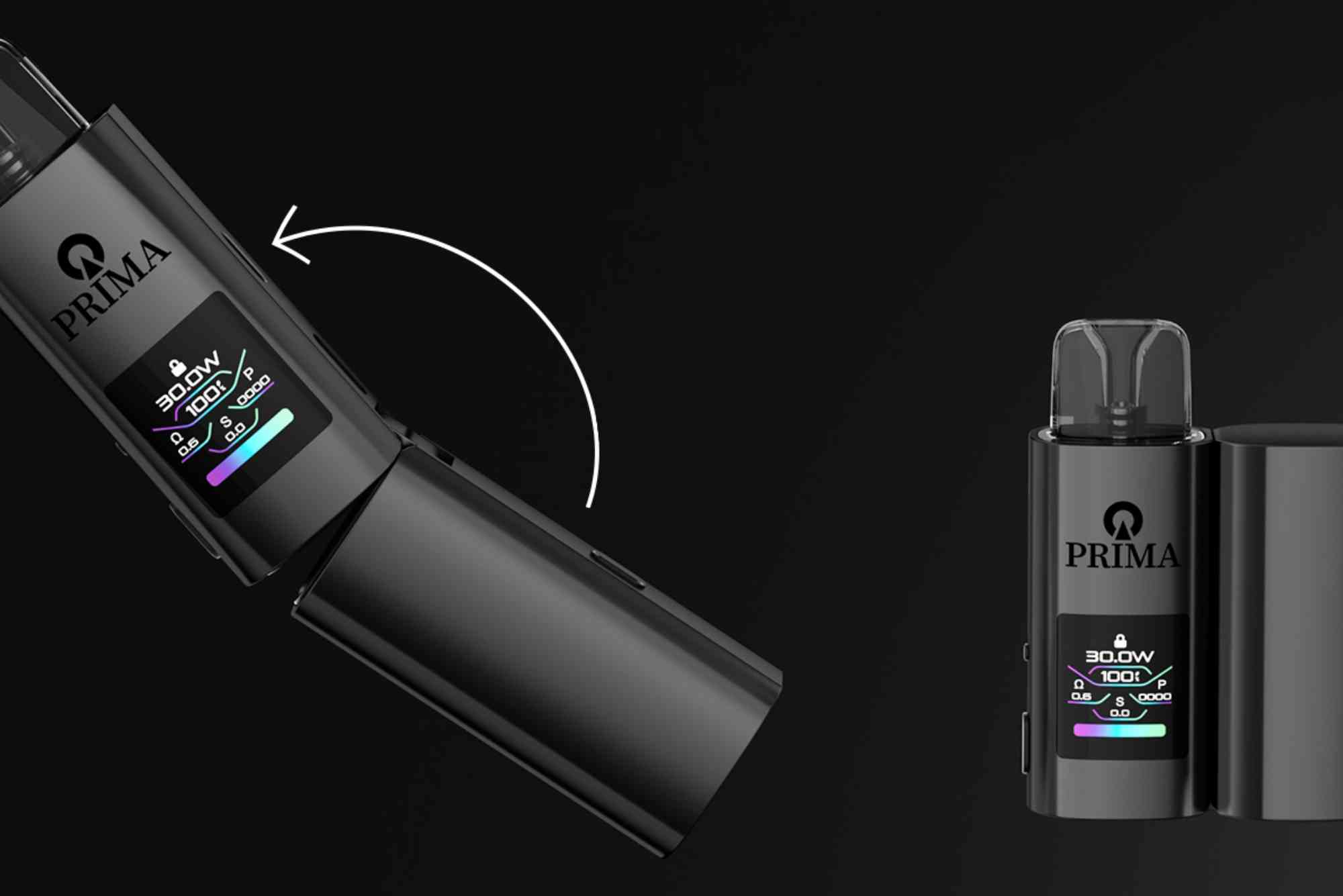
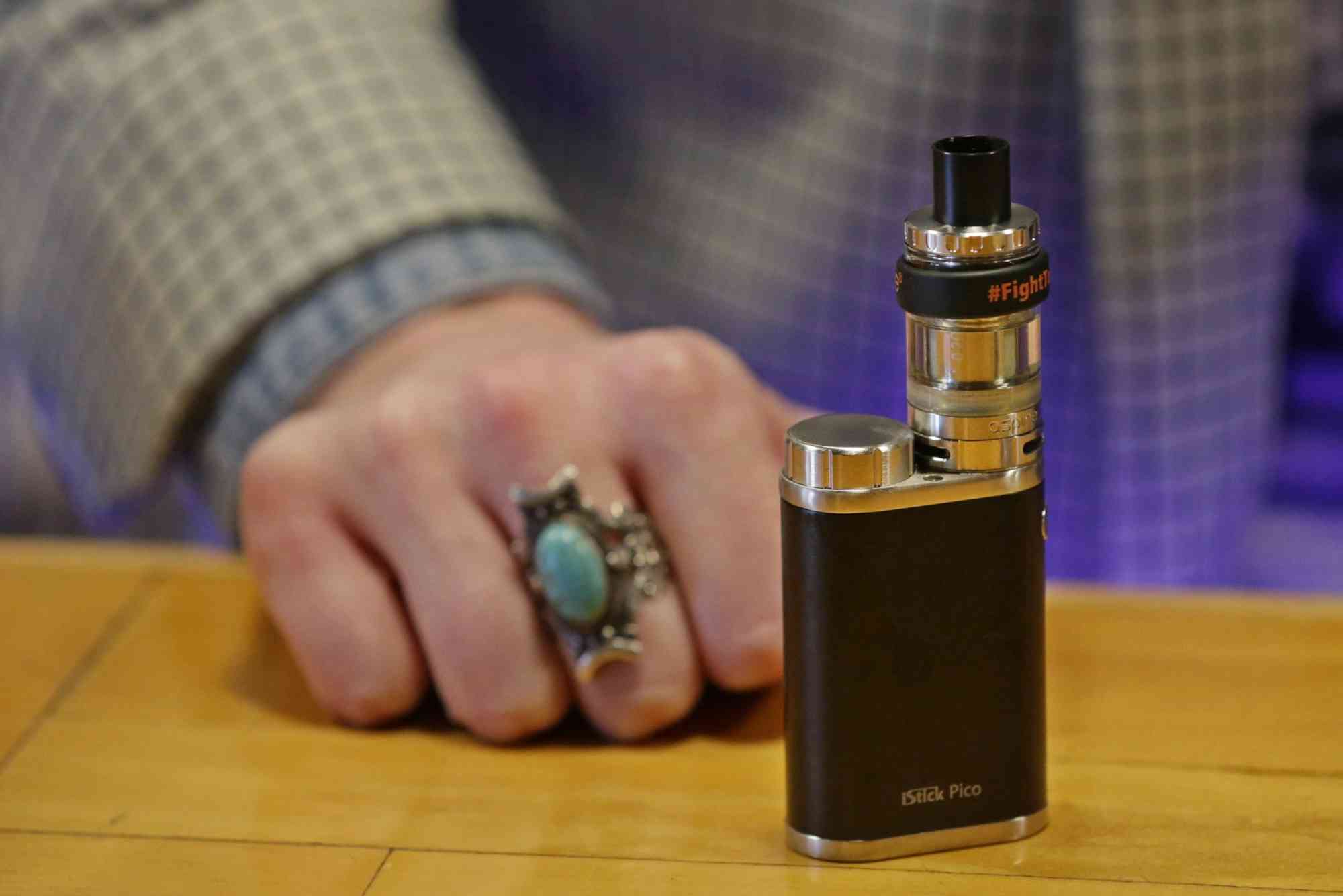
Changes in regulations may also ban certain types of vape devices or components, like specific coils or e-liquids. Vapers forced to switch rapidly to unfamiliar products might misuse them unknowingly, increasing risks like battery failures, overheating, or inhaling harmful substances.
Key Recent Changes to Vape Laws in Washington State
To understand the real risk to vapers, it helps to review recent vape law changes in Washington.
Flavor Restrictions
Washington has implemented restrictions on flavored vaping products aimed at reducing youth appeal. These bans limit or prohibit flavors like fruit, candy, or mint in vape liquids. While well-intentioned, these bans have caused many adult vapers to seek unregulated alternatives, potentially putting them at risk.
Age Verification and Sales Regulations
The state raised the minimum vaping age to 21 and strengthened age verification for purchases, both online and in stores. While these laws protect minors, sudden enforcement can complicate access for adult users, especially during early implementation.
Taxation and Pricing Changes
Washington has introduced increased taxes on vaping products. Higher prices can push users toward cheaper, potentially unsafe products from unauthorized sellers.
What Vapers Should Do to Stay Safe Amid Changing Vape Laws
Navigating when do vape laws change in Washington State can be daunting, but vapers can take proactive steps to minimize risk.
Stay Informed
Keep up with official announcements from the Washington State Department of Health and local news. Following vape advocacy groups can also help you get timely updates on pending legislation.
Buy from Licensed Retailers
Purchase vape products only from licensed, reputable sources. Licensed retailers comply with state regulations, ensuring product safety and legality.
Avoid Black Market Products
Never resort to unregulated or illicit vape products, even if legal options become limited. These products often contain harmful substances and pose severe health risks.
Understand Your Vape Devices
Stay educated about your vape device’s components and safe usage practices. Proper battery handling and maintenance can prevent accidents.
Timing Matters — Stay Safe and Compliant
Knowing when do vape laws change in Washington State is essential for vaping responsibly. While regulatory shifts aim to protect public health, rapid or poorly communicated changes may inadvertently increase risks for vapers. Staying informed, purchasing legally, and practicing safe vaping habits can help you avoid those dangers.
FAQs
When do vape laws typically change in Washington State?
Vape laws usually change during the annual legislative sessions from January to April but can also shift suddenly through emergency health mandates.
What happens if vape laws change suddenly?
Sudden changes can cause confusion, supply shortages, and may lead some vapers to use unregulated or unsafe products.
Are flavored vape products banned in Washington State?
Certain flavored vape products are restricted to reduce youth use, but adult availability varies based on recent legislation.
How can I stay updated on vape laws in Washington?
Follow official state health departments, vape advocacy organizations, and local news outlets for updates.
Does increased vape tax affect user safety?
Higher taxes may push some users toward cheaper, unregulated products, which can be unsafe.