

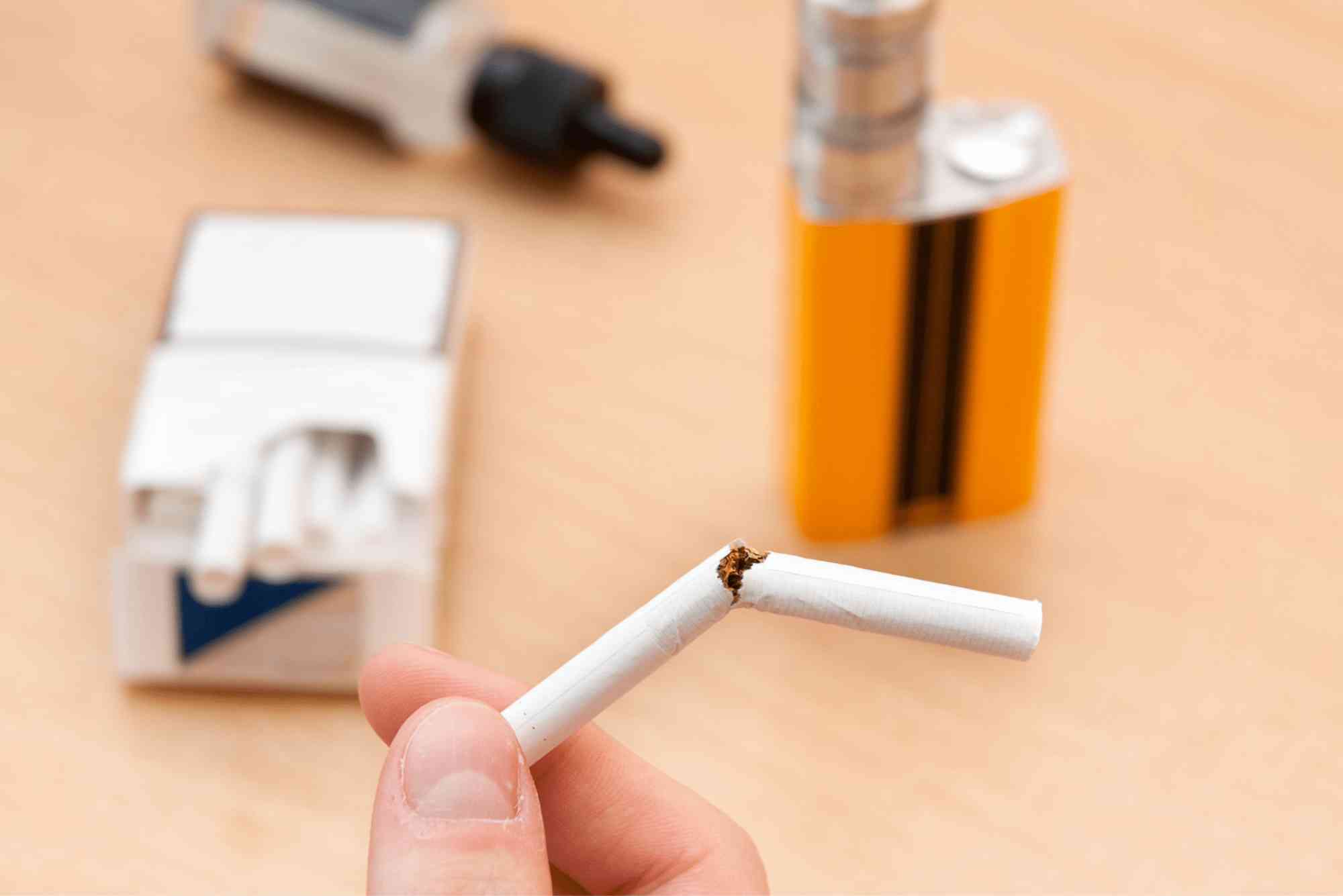
Introduction
Smoking remains one of the leading preventable causes of disease worldwide. While quitting entirely is ideal, many smokers struggle with traditional cessation methods. Electronic cigarettes, often called e-cigarettes or vapes, have emerged as an alternative that may reduce the harms associated with smoking. Understanding what e-cigarettes are and how they relate to harm reduction is essential for anyone considering this option.
What is an Electronic Cigarette?
Electronic cigarettes are battery-powered devices designed to deliver nicotine through vapor rather than smoke. They typically consist of three main components:
Battery
The battery powers the device, heating the liquid to produce vapor. Modern e-cigarettes often have rechargeable lithium-ion batteries.
Atomizer
The atomizer contains a coil that heats the e-liquid. When the coil warms, it transforms the liquid into inhalable vapor.
E-Liquid
E-liquids contain nicotine, flavorings, and other chemicals. Some are nicotine-free. The liquid is absorbed by a wick or cotton inside the atomizer and vaporized when heated.
E-cigarettes come in various shapes and sizes, from simple disposable devices to advanced refillable models. Unlike traditional cigarettes, they do not involve combustion, which significantly reduces exposure to harmful chemicals. For more details, visit CDC — About Electronic Cigarettes.
How E-Cigarettes Work
When a user inhales from an e-cigarette, the battery activates the coil, which vaporizes the e-liquid. This vapor contains nicotine, which satisfies cravings without burning tobacco.
Unlike traditional cigarettes, e-cigarettes do not produce tar or carbon monoxide—two primary contributors to smoking-related diseases. This mechanism is central to why e-cigarettes are often discussed in harm reduction strategies.
Harm Reduction: What It Means
Harm reduction is a public health approach aimed at minimizing negative health outcomes without necessarily eliminating the risky behavior entirely.
For smokers, this means finding alternatives that reduce exposure to harmful chemicals found in tobacco smoke. Switching to e-cigarettes can significantly lower intake of toxic substances, potentially reducing the risk of lung disease, cancer, and heart disease.
Benefits of E-Cigarettes for Harm Reduction
Reduced Exposure to Toxins
Traditional cigarette smoke contains thousands of chemicals, including at least 70 known carcinogens. E-cigarettes produce vapor with far fewer harmful chemicals.
Adjustable Nicotine Levels
E-liquids come in various nicotine strengths. This allows users to gradually reduce nicotine intake over time, aiding the quitting process.
Lower Secondhand Smoke Risk
Because e-cigarettes do not combust tobacco, the risk of harming others through secondhand smoke is reduced, making them a safer option for public and home environments.
Behavioral Replacement
Many smokers find the hand-to-mouth ritual of smoking difficult to break. E-cigarettes mimic this behavior, making the transition away from combustible cigarettes easier.
Potential Risks and Considerations
While e-cigarettes are generally considered less harmful than smoking, they are not risk-free.
Nicotine Addiction
Nicotine is highly addictive. E-cigarettes still deliver this substance, which can maintain dependence or make quitting difficult.
Lung and Heart Health
Some studies suggest that long-term use of e-cigarettes may still impact cardiovascular health. Research is ongoing to fully understand these risks.
Quality Control
Not all e-cigarettes are made equally. Poorly manufactured devices or contaminated e-liquids can pose serious health risks.
Choosing the Right E-Cigarette
Reputable Brands
Select e-cigarettes from trusted manufacturers with transparent ingredient lists.
Proper Nicotine Strength
Choose a nicotine level that satisfies cravings without overconsumption.
Maintenance and Safety
Follow manufacturer guidelines for battery charging and device cleaning to prevent malfunctions.
Tips for Smokers Considering E-Cigarettes
- Consult a healthcare provider to discuss harm reduction strategies.
- Gradually switch from combustible cigarettes to e-cigarettes rather than using both simultaneously.
- Keep track of nicotine intake and aim to reduce it over time.
- Avoid black-market or unregulated products that may contain harmful additives.
Electronic cigarettes offer smokers a less harmful alternative to traditional tobacco products. By understanding how they work and their role in harm reduction, smokers can make informed decisions about their health. While e-cigarettes are not risk-free, they are generally safer than combustible cigarettes and can be a stepping stone toward quitting entirely.
FAQs
Are e-cigarettes safe for long-term use?
E-cigarettes are safer than traditional cigarettes, but long-term risks are still being studied.
Can e-cigarettes help me quit smoking?
Yes, they can be an effective tool for harm reduction and quitting when used correctly.
Do e-cigarettes contain nicotine?
Most e-cigarettes contain nicotine, but some e-liquids are nicotine-free.
Is secondhand vapor harmful?
Secondhand vapor is less harmful than smoke, but it is not entirely risk-free.
Where can I learn more about e-cigarettes?
Visit CDC — About Electronic Cigarettes for trusted information.
Can teenagers use e-cigarettes to quit smoking?
E-cigarettes are not recommended for minors. Alternative support from healthcare professionals is safer.