
Introduction
Vaping laws Vietnam and Harm Reduction: What Every Smoker Should Know is a topic gaining attention among smokers, travelers, and health-conscious individuals. Vietnam has taken a strict stance on electronic cigarettes, yet discussions around harm reduction continue globally. Understanding the legal situation, health perspective, and real-world implications is essential for anyone who smokes or vapes in Vietnam.
Many smokers consider vaping a less harmful alternative to cigarettes. However, without knowing local laws, this choice can lead to serious consequences. This article explains vaping laws Vietnam and Harm Reduction: What Every Smoker Should Know in simple, practical terms. It covers legislation, enforcement, public health views, and harm reduction debates while focusing on clarity and real-life relevance.
Understanding the Current Vaping Laws in Vietnam
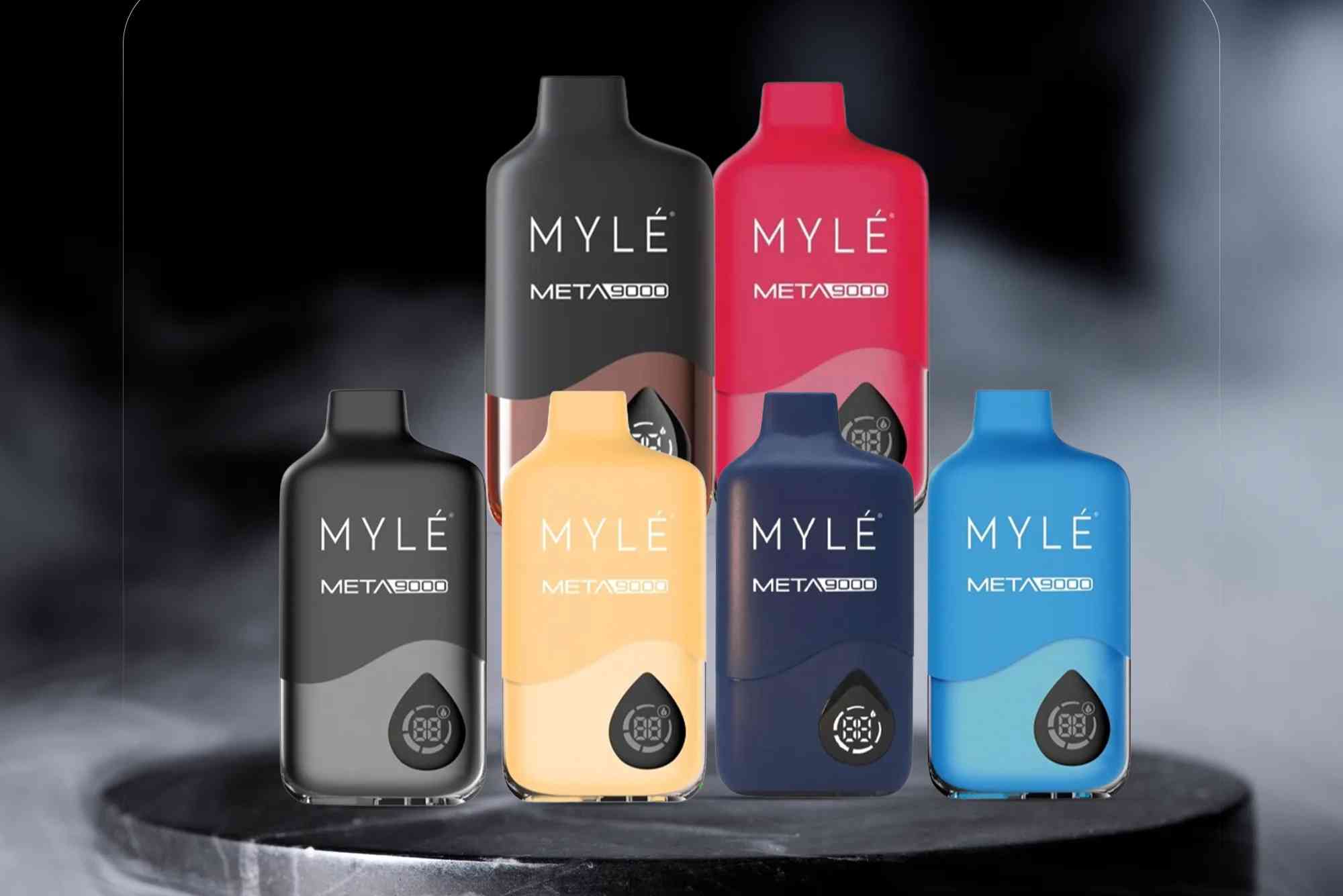
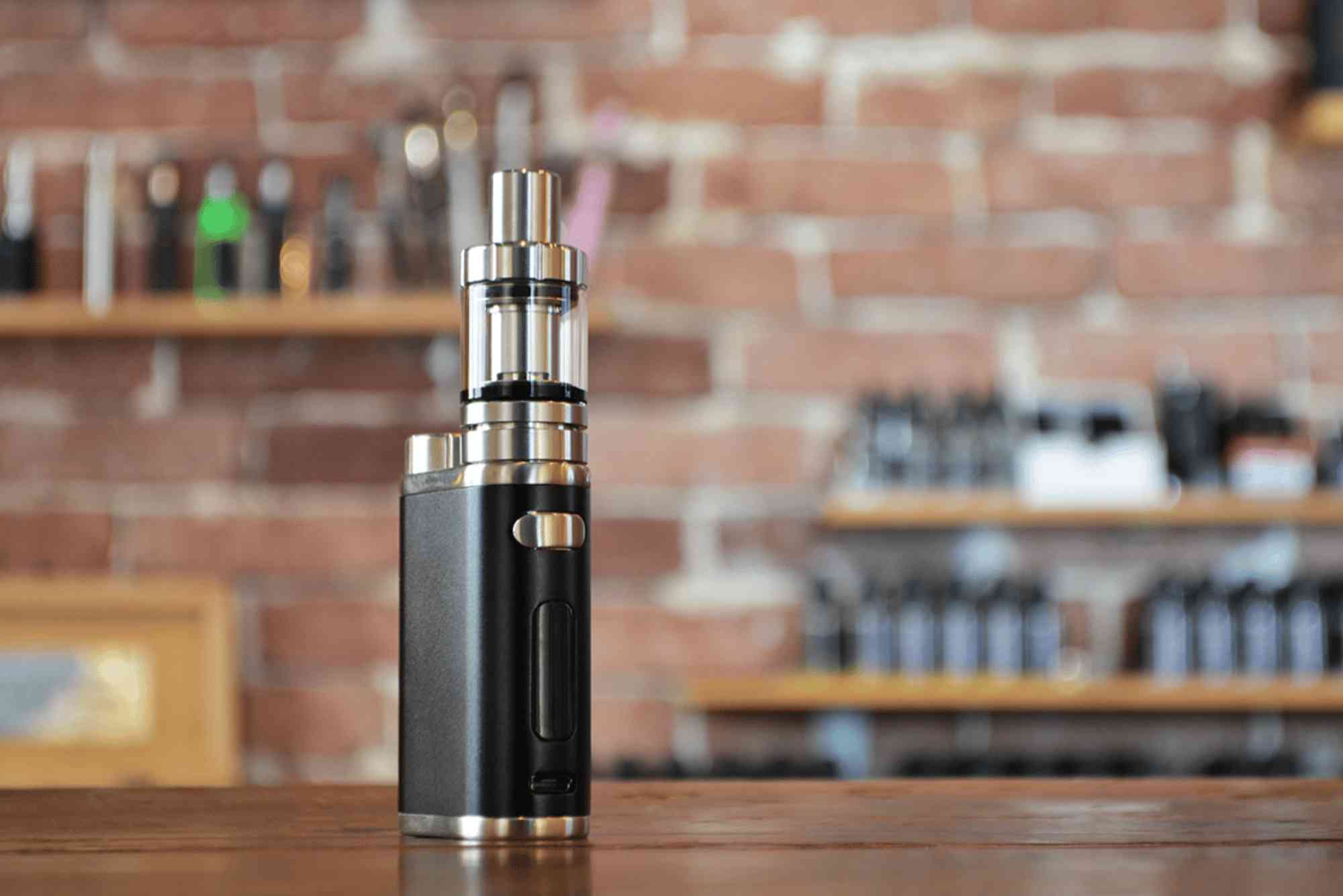
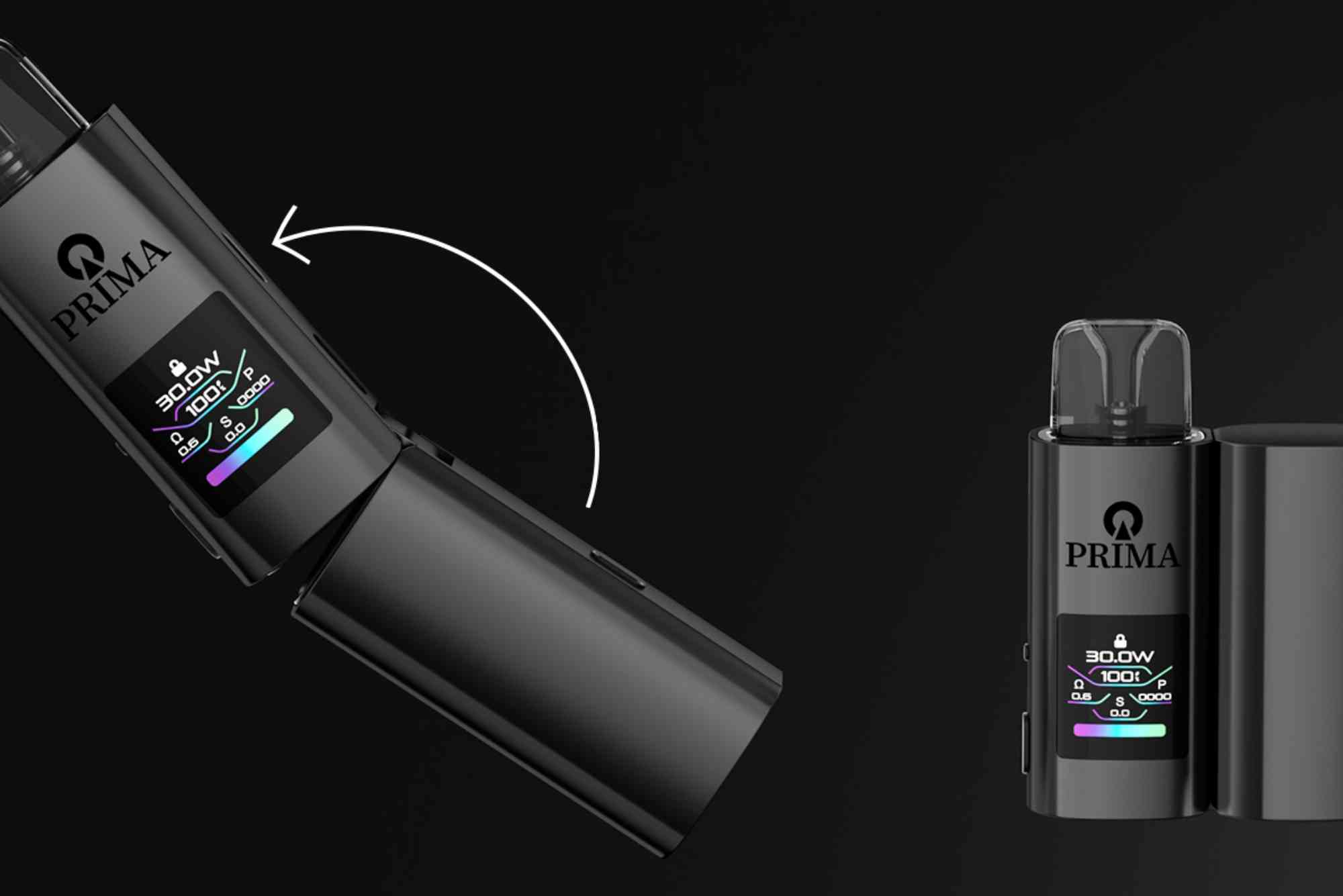
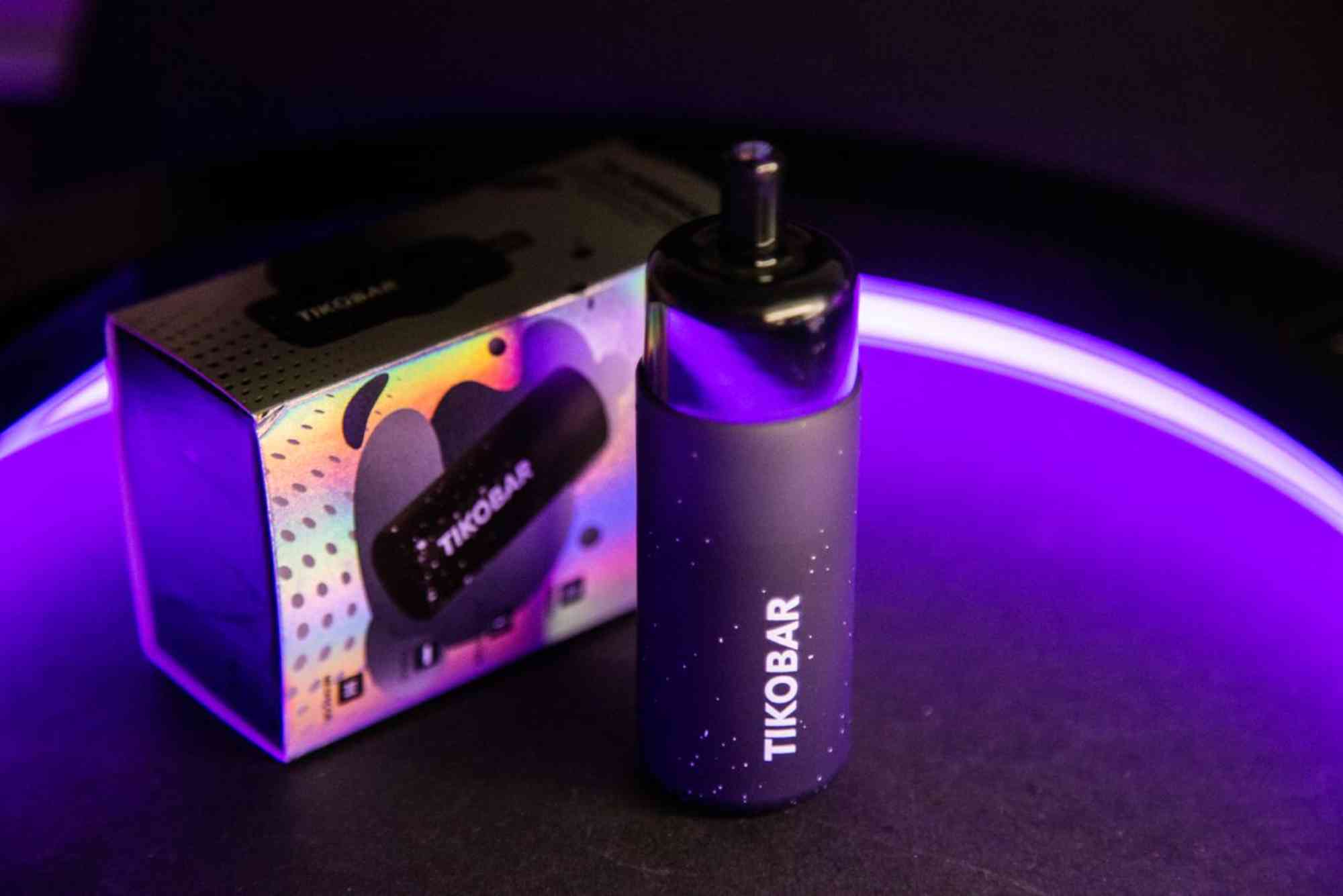
Vietnam classifies vaping products as prohibited goods under national regulations. Unlike many countries that regulate e-cigarettes, Vietnam bans their manufacture, import, sale, and distribution. Possession can also lead to penalties, especially when linked to trade or transport.
Authorities view vaping devices as a threat to public health. Officials argue that unregulated devices pose unknown risks. As a result, enforcement has increased, particularly in major cities such as Hanoi and Ho Chi Minh City.
The legal position is not limited to nicotine vapes. Heated tobacco products and disposable e-cigarettes fall into similar categories. Travelers often assume personal use is ignored, but this assumption can be risky.
The government’s approach aligns with broader tobacco control goals guided by the Vietnam Ministry of Health tobacco control & e-cig policy. According to official guidance from the Vietnam Ministry of Health tobacco control & e-cig policy strict prevention measures aim to protect youth and reduce smoking-related disease.
Penalties and Enforcement Realities
In practice, enforcement varies. Small-scale possession may not always lead to arrest, but fines and confiscation are common. Businesses face harsher penalties, including large fines and possible criminal charges.
Customs officers frequently seize vaping products at airports. Confiscation occurs even when travelers declare the items. This has surprised many visitors who vape legally in their home countries.
Local police occasionally conduct raids on shops selling e-cigarettes. Social media sales are also monitored. This enforcement sends a clear message that vaping remains illegal.
Understanding these realities helps smokers avoid costly mistakes. Vaping laws Vietnam and Harm Reduction: What Every Smoker Should Know means knowing both the written law and its practical application.
Why Vietnam Took a Strict Anti-Vaping Stance
Vietnam’s health authorities cite concerns about youth vaping, addiction, and unknown long-term effects. Globally, reports of lung injuries linked to vaping influenced public perception.
Vietnam already faces high smoking rates among men. Officials fear vaping could create new users rather than help smokers quit. This belief strongly shapes policy decisions.
The country also lacks a regulatory framework for product quality. Without standards, counterfeit or unsafe devices may circulate. Authorities view a ban as simpler than regulation.
From a policy perspective, prevention takes priority over harm reduction. This position differs from countries like the UK, where vaping is promoted as a quitting aid.
Harm Reduction Explained for Smokers
Harm reduction focuses on lowering health risks rather than demanding complete abstinence. For smokers, this often means replacing cigarettes with less harmful alternatives.
Scientific consensus suggests combustion causes most smoking harm. Cigarettes produce tar and toxic gases. Vaping eliminates combustion, which may reduce exposure to certain toxins.
However, reduced harm does not mean no harm. Nicotine addiction remains a concern. Long-term effects of vaping are still being studied.
Vaping laws Vietnam and Harm Reduction: What Every Smoker Should Know requires balancing this scientific debate with legal realities. Even if vaping is less harmful, legality determines safe choices.
The Conflict Between Law and Harm Reduction
This conflict creates confusion for smokers in Vietnam. Public health goals aim to reduce smoking-related illness. Harm reduction tools exist, but laws restrict access.
Some smokers turn to black-market vapes. This increases risk rather than reducing it. Poor-quality devices and liquids may contain harmful substances.
Doctors often encourage quitting through approved methods like nicotine gum or patches. These options are legal and available. However, some smokers find them ineffective compared to vaping.
The gap between policy and personal experience remains a central issue in vaping laws Vietnam and Harm Reduction: What Every Smoker Should Know.
Smoking Laws Compared to Vaping Laws
Traditional cigarettes remain legal in Vietnam, although heavily taxed and regulated. Smoking is restricted in public places such as hospitals, schools, and offices.
Ironically, cigarettes are easier to obtain than vapes. This frustrates smokers seeking alternatives. From a harm reduction view, this situation appears contradictory.
Vietnam participates in global tobacco control treaties. These agreements emphasize reducing tobacco use through taxation and public education.
The distinction between smoking and vaping laws reflects caution rather than contradiction. Authorities treat vaping as a new threat, while smoking is an established problem.
Health Perspectives from Vietnamese Medical Experts
Most Vietnamese health experts support the vaping ban. They emphasize uncertainty around long-term effects. Concerns about adolescent use dominate discussions.
Doctors report increasing cases of nicotine dependence among youth worldwide. They fear vaping could reverse progress in tobacco control.
At the same time, some healthcare professionals privately acknowledge harm reduction debates. International research influences these views, but official policy remains unchanged.
Understanding medical perspectives adds depth to vaping laws Vietnam and Harm Reduction: What Every Smoker Should Know.
Travelers and Expats: What You Should Know
Foreign residents often ask whether vaping is tolerated. The answer depends on discretion and location, but legality remains unchanged.
Using vaping devices in public risks attention from authorities. Confiscation is common, and arguments about harm reduction rarely succeed.
Expats should consider legal nicotine alternatives. Nicotine patches and lozenges are widely sold in pharmacies.
Respecting local laws is crucial. Awareness prevents unnecessary stress or penalties.
Future Possibilities for Vaping Law Reform
Could Vietnam change its stance? Currently, there is no clear sign of legalization. Government statements emphasize continued prohibition.
However, global trends may influence future debate. As research evolves, some countries reconsider harm reduction tools.
Any reform would likely involve strict regulation rather than full legalization. Licensing, taxation, and age controls could be introduced if policies shift.
For now, vaping laws Vietnam and Harm Reduction: What Every Smoker Should Know remains centered on prohibition and prevention.
Safer Choices for Smokers in Vietnam
Quitting smoking is the healthiest option. For those struggling, legal nicotine replacement therapies are available.
Counseling services and hotlines support smokers. Hospitals offer cessation programs aligned with national health goals.
Reducing cigarette consumption also lowers risk. While not ideal, gradual reduction may help some smokers move toward quitting.
Understanding available options empowers smokers within legal boundaries.
Ethical and Social Considerations
Public health policy balances individual choice and community protection. Vietnam prioritizes population health over harm reduction experimentation.
Social attitudes also matter. Vaping is often viewed negatively by the public. This reinforces enforcement efforts.
Smokers should consider how personal choices intersect with local values and laws.
Making Informed Decisions
Vaping laws Vietnam and Harm Reduction: What Every Smoker Should Know highlights a complex issue. Vietnam bans vaping to protect public health, despite global harm reduction debates.
Smokers must understand these laws before making decisions. Legal consequences outweigh perceived benefits of vaping in Vietnam.
Choosing approved cessation methods offers safer and lawful paths. Knowledge remains the most powerful tool.
Stay informed, respect local regulations, and prioritize health. For official guidance, consult government health resources and trusted medical professionals.
Frequently Asked Questions
Is vaping legal in Vietnam for personal use?
No, vaping is illegal in Vietnam. Possession can lead to fines or confiscation.
Can tourists bring vapes into Vietnam?
Bringing vapes is risky. Customs may confiscate them, even if declared.
Are e-cigarettes safer than smoking?
Some studies suggest reduced harm, but vaping is not risk-free. Vietnam does not recognize it as a safe alternative.
What are legal alternatives for smokers in Vietnam?
Nicotine patches, gum, and lozenges are legal and widely available.
Why does Vietnam ban vaping but allow cigarettes?
Authorities see vaping as an emerging risk with unknown effects. Cigarettes are regulated under existing tobacco laws.