
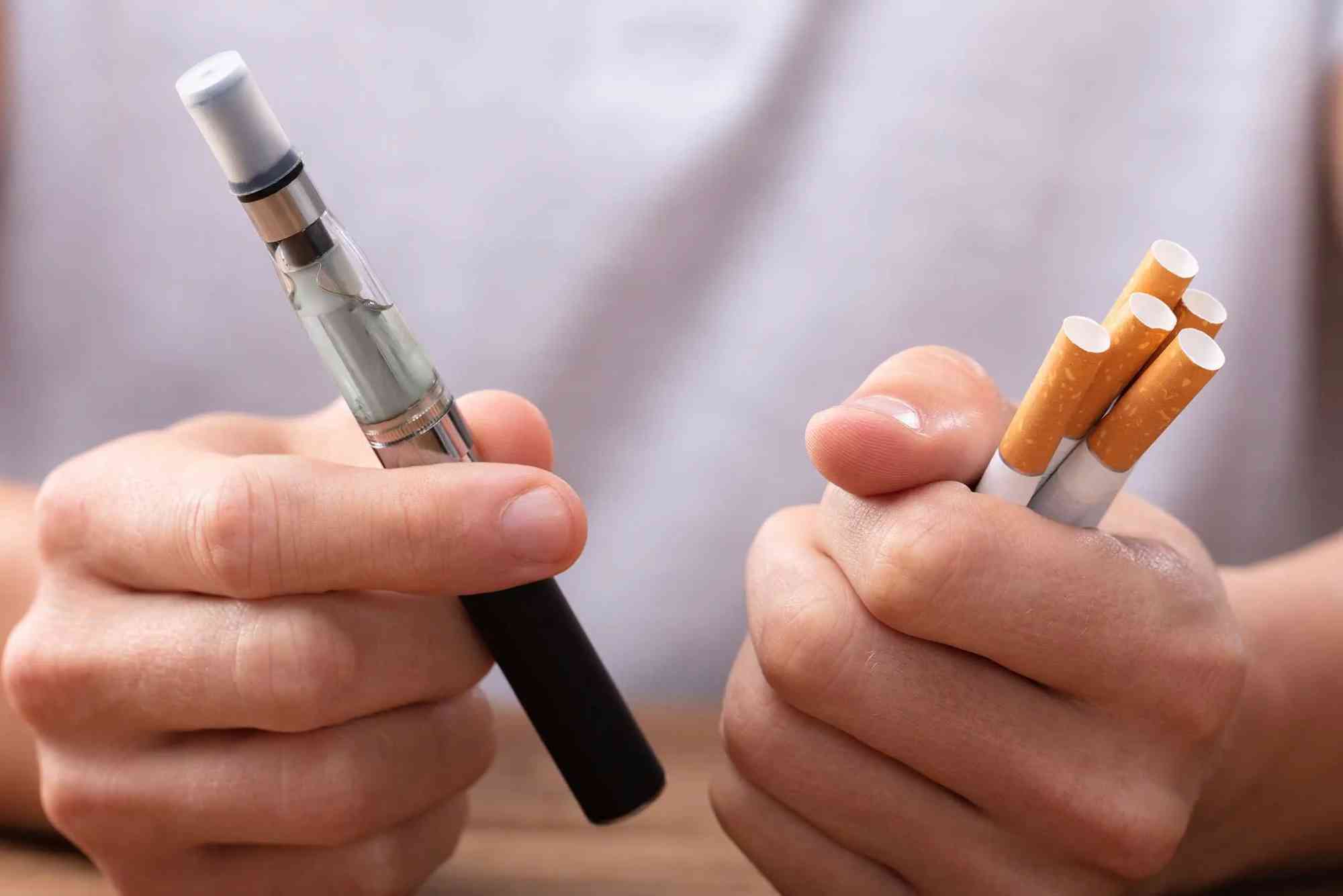
Is Vaping and Tobacco Laws Putting Vapers at Risk?
Vaping has become a global trend, with millions using it as an alternative to smoking. Yet, as vaping gains popularity, governments are creating stricter rules to regulate its use. These vaping and tobacco laws aim to protect public health, but they also raise questions: Are they truly keeping people safe, or are they putting vapers at risk?
This article explores how vaping and tobacco laws impact consumers, businesses, and public health. We will also look at potential risks, unintended consequences, and what vapers should know to stay safe.
Understanding Vaping and Tobacco Laws
What are vaping and tobacco laws?
Vaping and tobacco laws are government rules that regulate e-cigarettes, nicotine products, and traditional tobacco. These include restrictions on sales, advertising, packaging, age limits, and usage in public places.
The purpose of these laws is to:
- Reduce underage access
- Limit health risks
- Control marketing claims
- Regulate nicotine content
Why are these laws important?
Governments argue that strong regulations protect young people and reduce long-term health issues. Tobacco has a long history of causing disease, and vaping is still under study. Many lawmakers treat vaping as a potential risk until more research is available.
How Vaping and Tobacco Laws Affect Vapers
Age restrictions and accessibility
Most countries now restrict vaping to people over 18 or 21. While this keeps products out of minors’ hands, it can also make access harder for adults in regions with strict enforcement.
Flavored vape bans
Flavored e-liquids are often targeted by laws, as they are said to attract young users. However, many adult vapers use flavors to stay away from traditional cigarettes. Bans can push them back toward smoking, which is proven to be more harmful.
Taxation and pricing
High taxes on vaping products are common. Policymakers justify this as a way to discourage youth use, but increased prices often drive vapers to unsafe black-market products.
Public usage bans
Many countries treat vaping like smoking, banning it in public areas. This reduces exposure to secondhand vapor but also stigmatizes users who see vaping as a harm-reduction tool.
Are Vaping and Tobacco Laws Putting Vapers at Risk?
Unintended consequences of strict laws
Some regulations may unintentionally push vapers toward unsafe behaviors. For example, when flavored vapes are banned, people may turn to unregulated homemade liquids, which carry unknown health risks.
Black market growth
Strict restrictions create a booming underground market. Products sold illegally are often poorly made, lack safety checks, and may contain dangerous chemicals.
Harm reduction debate
Traditional tobacco kills millions yearly, while vaping is widely considered less harmful. Some argue that vaping and tobacco laws ignore harm reduction by treating vaping and smoking equally. This discourages smokers from switching to safer alternatives.
Global Differences in Vaping and Tobacco Laws
United States
The U.S. FDA regulates vaping like tobacco. Age restrictions, flavor bans in some states, and high taxes have made legal access harder. However, black markets thrive in many regions.
European Union
The EU allows vaping but limits nicotine strength and requires clear labeling. Many countries add local restrictions on flavors and advertising.
Asia and Middle East
Some countries like India have banned vaping completely. Others, like the UAE, regulate it under strict controls. These bans often create strong illegal markets.
Australia
Australia requires a prescription to purchase nicotine vapes. This unusual system makes it one of the toughest countries for vapers.
Public Health vs. Personal Freedom
Protecting youth vs. supporting adults
The main challenge is balancing youth protection with adult harm reduction. Laws designed to prevent underage vaping may also make it harder for adults to quit smoking.
Evidence and research gaps
Current research shows vaping is less harmful than smoking but not risk-free. Until long-term studies are complete, lawmakers often take a cautious approach.
FAQs About Vaping and Tobacco Laws
Why are governments banning flavored vapes?
Governments believe flavors attract minors. However, many adult vapers rely on flavors to avoid returning to cigarettes.
Are vaping laws the same as tobacco laws?
Not always. Some countries regulate them separately, while others classify vaping as tobacco. The differences affect taxes, packaging, and usage rules.
Can vaping help people quit smoking legally?
Yes. Many smokers use vaping as a harm-reduction method. In some countries, like the UK, health agencies support vaping for quitting smoking.
Is vaping illegal everywhere?
No. Some countries ban it completely, but most allow it with strict rules. Laws vary widely across regions.
Do vaping laws improve public health?
They aim to reduce risks, but experts debate their effectiveness. Some argue overly strict laws push people toward unsafe alternatives.
The Future of Vaping and Tobacco Laws
Vaping and tobacco laws are still evolving. Policymakers continue adjusting rules as new research emerges. The challenge is finding a balance between protecting public health and supporting harm reduction for smokers.
Countries that succeed will likely be those that regulate responsibly—ensuring product safety without forcing people into dangerous underground markets.
What Vapers Should Do
Vaping and tobacco laws will continue shaping the future of nicotine use. While these laws aim to protect people, they may unintentionally put vapers at risk by limiting safe access and fueling black markets.
If you vape, stay informed about local regulations. Choose legal, tested products, and avoid unsafe alternatives. Advocate for balanced laws that protect both public health and personal choice.
Stay updated on vaping and tobacco laws in your area. If you believe in safer alternatives to smoking, share this article and join the conversation about fair regulation