
Introduction
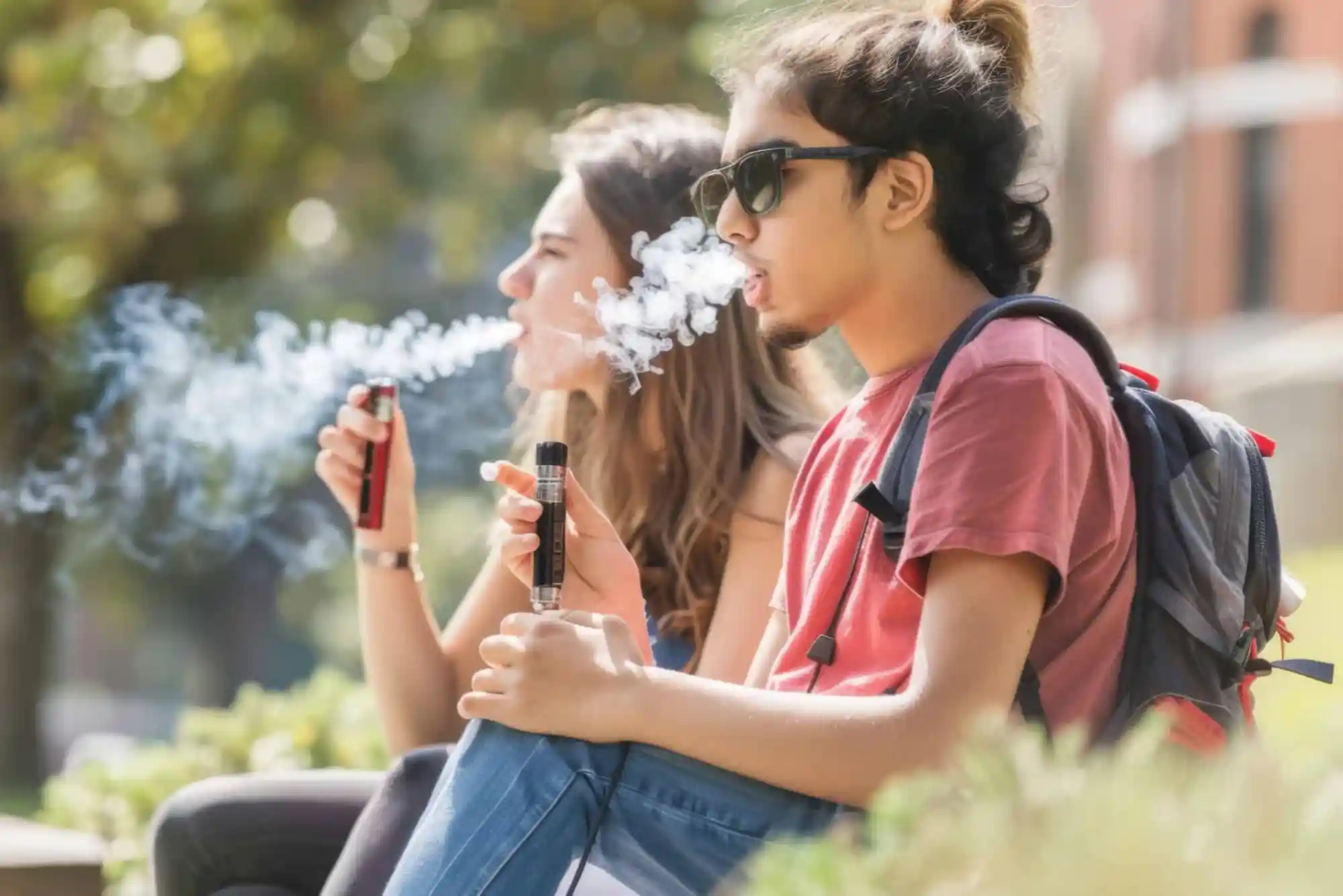
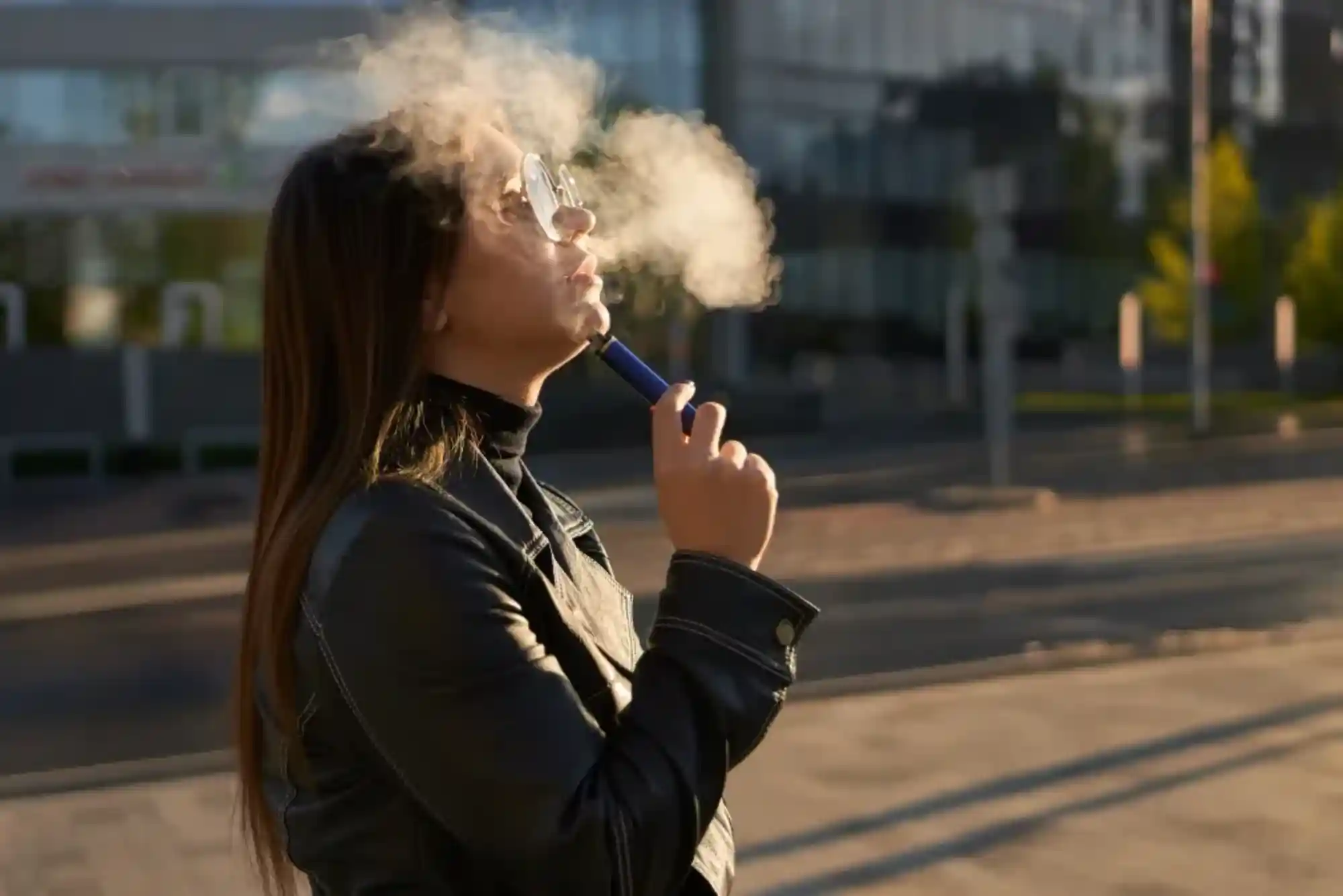
Fashion has always reflected changing lifestyles, cultural movements, and personal identities. From luxury runway collections to everyday streetwear, modern style continues to evolve through unexpected influences. One interesting cultural discussion involves Vaping and High-End Fashion: The Intersection of Vape Culture and Luxury Apparel. This connection highlights how contemporary lifestyle trends, fashion aesthetics, and personal accessories sometimes overlap.
Luxury fashion is no longer limited to traditional designer clothing. Today, it includes accessories, technology, personal expression, and carefully developed visual identities. Meanwhile, vaping has developed its own recognizable visual culture in some social communities. However, this association does not mean luxury brands universally support vaping or nicotine consumption.
Understanding this relationship requires looking beyond appearances. Fashion communicates individuality, while lifestyle accessories can influence how people present themselves. Together, these elements reveal changing ideas about modern culture, identity, and contemporary style.
How Fashion and Vaping Culture Became Connected
Fashion and lifestyle trends often develop together. As new technologies enter everyday life, designers sometimes explore their influence through accessories and contemporary styling.
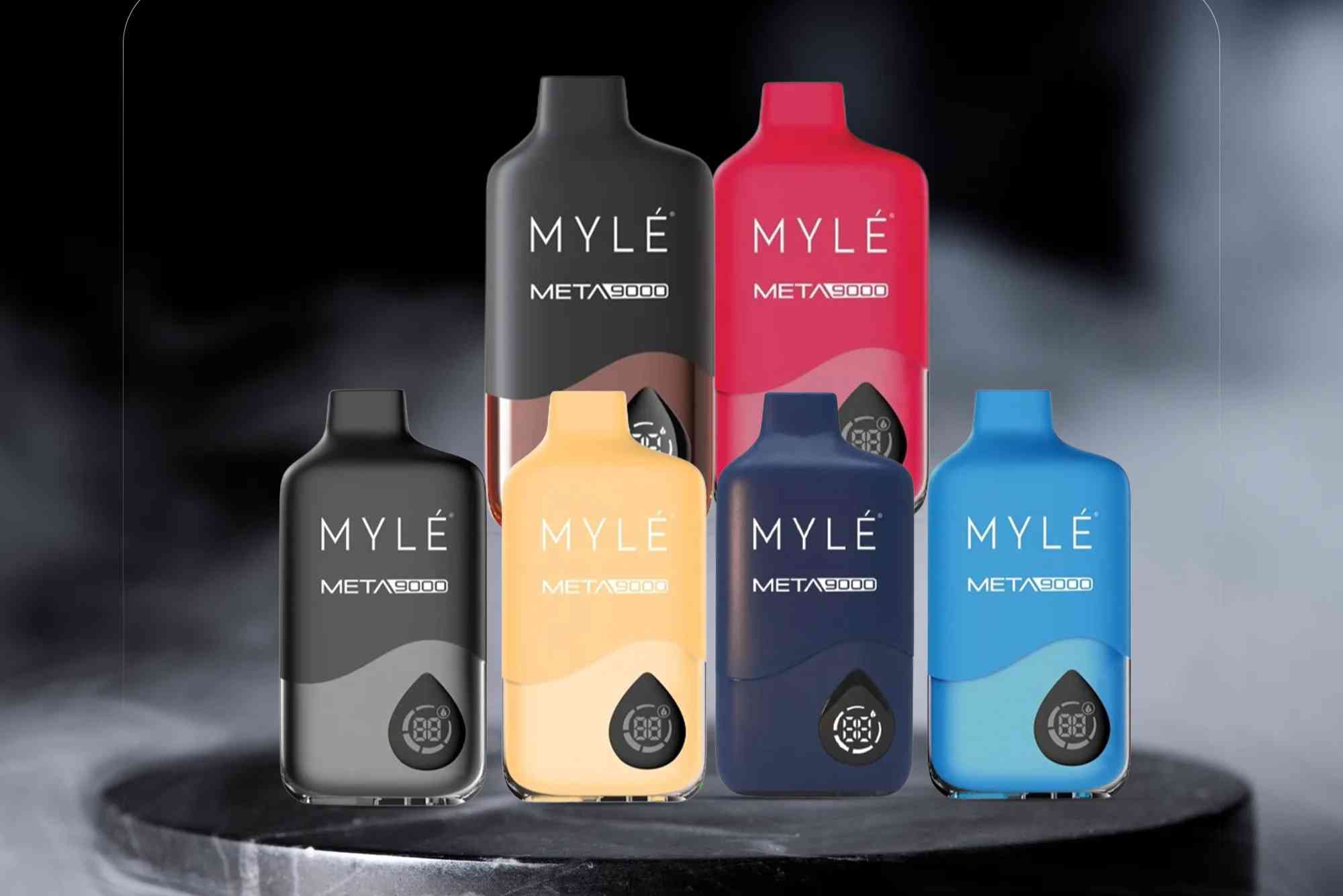
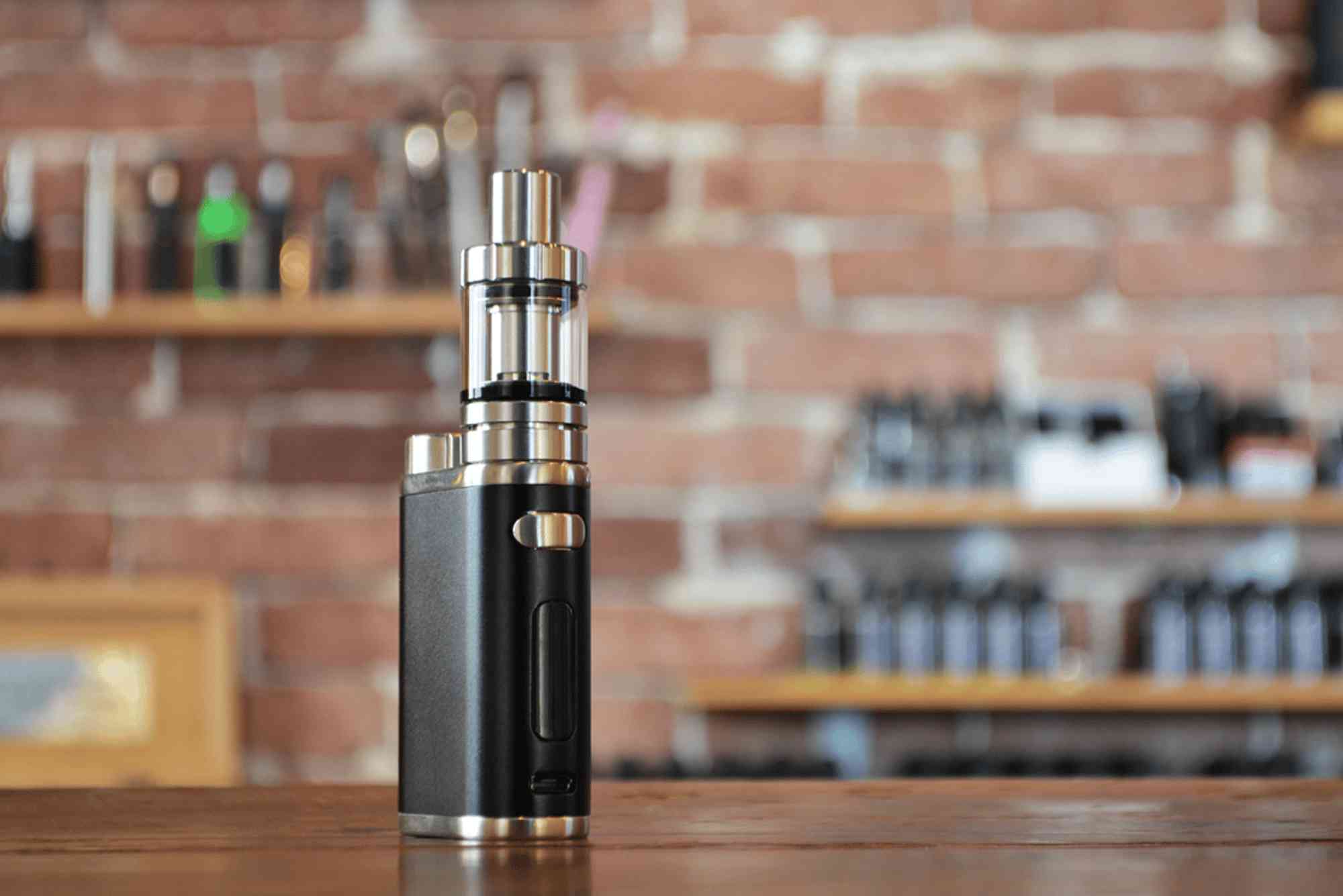
Vaping devices attracted attention because of their compact shapes, minimalist finishes, and modern appearance. Some fashion enthusiasts began treating these products as lifestyle objects rather than simply electronic devices. This created opportunities for discussions about design, customization, and personal aesthetics.
An interesting example appeared in fashion during the late 2010s. Designers experimented with accessories featuring dedicated storage for electronic cigarettes. House of Holland also presented a collaboration involving vaping accessories during London Fashion Week in 2018. These developments demonstrated how emerging consumer trends could influence accessory design.

However, these historical examples should not be mistaken for widespread luxury-industry endorsement. Fashion brands make independent decisions about their products and collaborations.
The Meeting Point of Luxury and Street Fashion
Luxury fashion and streetwear have experienced a remarkable transformation. Traditionally, luxury clothing emphasized craftsmanship, exclusivity, and established designer identities. Streetwear developed through youth communities, music, skateboarding, and urban creativity.
Today, these different fashion worlds frequently overlap. Designers combine premium materials with relaxed silhouettes, oversized clothing, and distinctive accessories.
This transformation represents the meeting point of luxury and street, where traditional fashion standards meet contemporary cultural influences.
Vaping culture occasionally appears within these conversations because some consumers associate vaping devices with modern technology and personal accessories. Nevertheless, clothing remains the central expression of fashion identity.
The connection becomes more interesting when examining how people coordinate everyday objects with their personal appearance. A carefully designed handbag, premium watch, or minimalist electronic accessory can contribute to someone’s overall aesthetic. That does not make every accessory a fashion statement, but design certainly influences perception.
Why Minimalist Design Appeals to Contemporary Fashion
Minimalism has become an important influence across modern luxury fashion. Clean shapes, understated colors, and carefully selected materials create sophisticated appearances without unnecessary decoration.
Similar principles can be observed in the exterior design of many electronic devices, including vaping products. Compact dimensions and simple finishes sometimes complement contemporary fashion aesthetics.
The Importance of Shape and Appearance
Modern accessories often prioritize convenience alongside appearance. Slim profiles, smooth surfaces, and neutral finishes can make everyday objects visually consistent with contemporary wardrobes.
Fashion-conscious consumers may appreciate these design characteristics. However, aesthetic appeal should never be confused with safety or product quality.
Personalization and Individual Identity
Personal expression remains central to both luxury fashion and streetwear. People choose accessories that reflect their preferences, interests, and individual identities.
Customization can involve colors, materials, patterns, and distinctive designs. In fashion, these details help create recognizable personal styles.
Vaping-related accessories have also appeared in customization discussions. Historically, designers experimented with decorative cases and personalized finishes. These examples illustrate the relationship between industrial design and fashion accessories.
However, personalization does not change the health risks associated with nicotine products.
Luxury Accessories and the Evolution of Everyday Objects
Luxury accessories have traditionally included handbags, watches, sunglasses, jewelry, and leather goods. Their appeal comes from craftsmanship, materials, design, and brand heritage.
As consumer lifestyles change, accessory designers sometimes explore new objects and practical requirements. Technology has already influenced this process through smartphones, wireless headphones, smartwatches, and portable electronics.
Vaping devices represent another example of an object that has occasionally entered accessory-design conversations.
Functional Design Meets Visual Appeal
Good accessory design considers practical requirements without overlooking appearance. Designers examine dimensions, materials, durability, and ease of use.
For example, a handbag needs sufficient space while maintaining its intended silhouette. Similarly, small electronic accessories require thoughtful construction and appropriate storage.
These design considerations explain why some fashion discussions examine vaping accessories alongside other contemporary objects.
Nevertheless, luxury pricing does not guarantee better functionality, and decorative presentation should not encourage nicotine consumption.
Streetwear’s Influence on Modern Lifestyle Culture
Streetwear has changed how people understand luxury fashion. Its influence extends beyond clothing into music, art, photography, sports, and digital communities.
Oversized jackets, graphic shirts, sneakers, and relaxed tailoring have become familiar elements of contemporary wardrobes.
Luxury designers have also embraced streetwear’s cultural influence. Collaborations between established fashion houses and streetwear labels have helped challenge traditional distinctions between casual and high-end clothing.
Research published in the Journal of Marketing in 2025 examined how streetwear producers entered high fashion through category blending. It highlights the growing relationship between previously separate fashion categories.
Vaping culture sometimes appears within these broader lifestyle conversations. Social imagery, celebrity culture, and online communities can influence how certain accessories are perceived.
However, these visual associations should be understood critically. Fashion trends do not establish the safety, desirability, or social value of nicotine consumption.
Social Media and the Relationship Between Fashion and Vaping
Social media has transformed how fashion trends become visible. Instagram, TikTok, and other digital platforms allow designers, photographers, influencers, and consumers to share visual ideas.
Fashion photography often focuses on carefully arranged details. Clothing, lighting, accessories, and backgrounds work together to create a particular atmosphere.
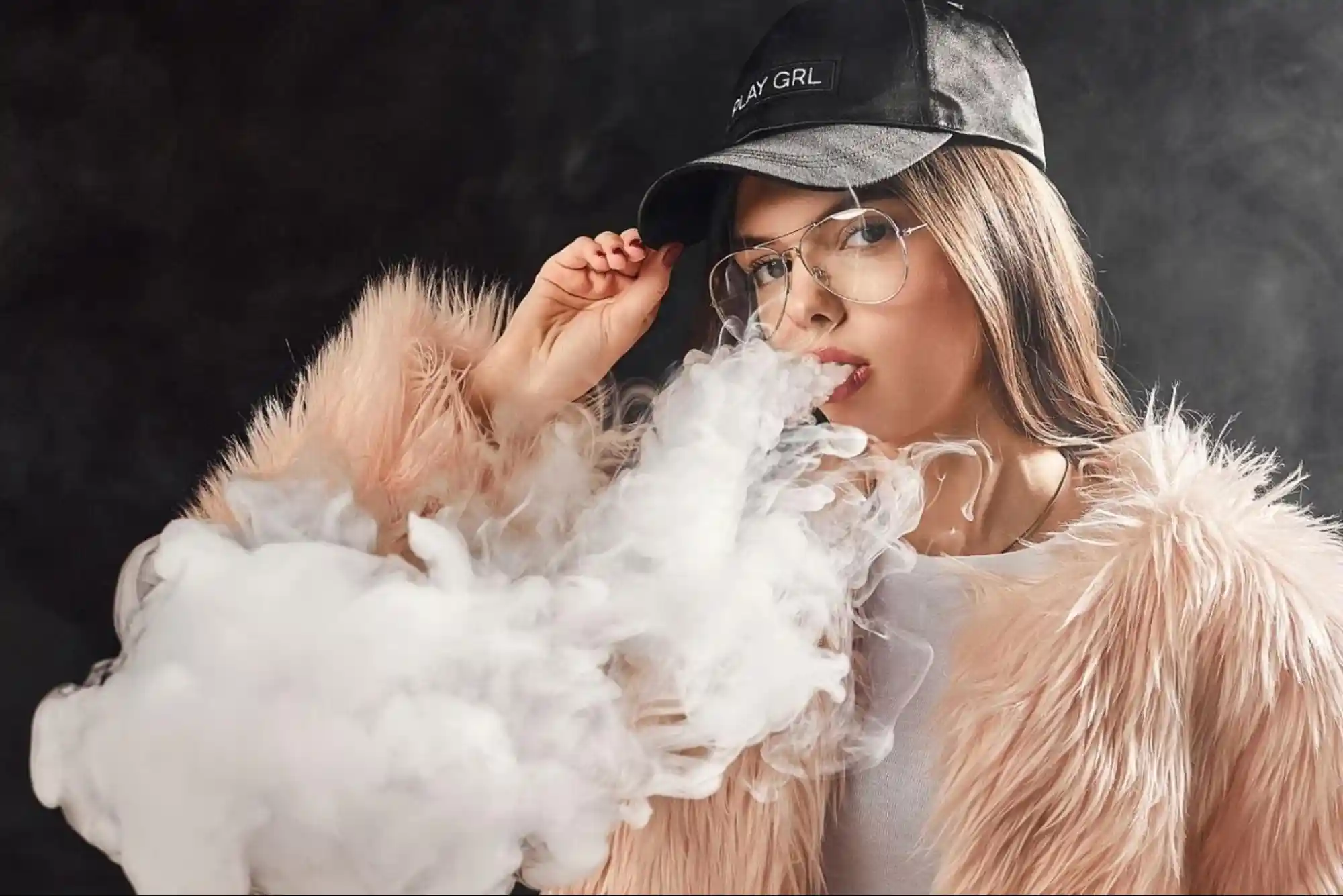
During the late 2010s, vaping devices occasionally appeared in fashion editorials and influencer photographs. Some brands also explored accessories inspired by the growing popularity of electronic cigarettes.
These appearances demonstrate how social media can influence cultural visibility. However, visibility should not be confused with genuine popularity or professional endorsement.
Modern audiences are increasingly interested in authenticity. They often question whether a product genuinely contributes to personal expression or simply appears in promotional content.
Consequently, responsible fashion communication should distinguish creative design from advertising that glamorizes nicotine products.
How Luxury Fashion Maintains Its Identity
Luxury fashion depends on more than attractive products. Its reputation develops through craftsmanship, heritage, originality, and consistent creative direction.
Established designers carefully consider which cultural movements complement their brand identities. Not every emerging lifestyle trend becomes part of a luxury collection.
Craftsmanship Remains More Important Than Trends
Luxury products are generally evaluated through material selection, construction quality, and attention to detail. These characteristics distinguish premium fashion from products that rely entirely on temporary popularity.
A well-made leather jacket or designer handbag can remain relevant across multiple seasons. Its value comes from design and craftsmanship rather than its association with a particular lifestyle trend.
Authenticity Builds Long-Term Recognition
Fashion audiences increasingly recognize the difference between authentic creative expression and short-lived marketing strategies.
Brands that understand their audiences can introduce contemporary influences without abandoning their identities.
The relationship between vaping culture and luxury apparel provides an interesting example of this challenge. Designers can examine changing consumer behavior while maintaining responsible boundaries around health-related products.
Health Awareness and Responsible Fashion Conversations
Although vaping and high-end fashion can be discussed as cultural subjects, health considerations remain essential.
Vaping is not risk-free. Many vaping products contain nicotine, an addictive substance. Their aerosols may also expose users and bystanders to potentially harmful substances.
Public health authorities advise that people who do not smoke should not start vaping. Young people and pregnant individuals should avoid nicotine products.
Fashion imagery can sometimes make lifestyle products appear more attractive than they are. Therefore, readers should separate visual presentation from scientific evidence.
Luxury branding does not make a vaping product safer. Similarly, attractive packaging does not establish product quality or health benefits.
A responsible discussion of modern fashion should acknowledge these distinctions rather than presenting nicotine consumption as an essential part of personal style.
The Future of Vaping and High-End Fashion
The relationship between fashion and technology will probably continue developing. Wearable technology, smart accessories, innovative fabrics, and personalized products already influence contemporary design.
Vaping and high-end fashion may remain connected through historical references, accessory design, and discussions about changing consumer culture. However, there is no reason to assume that luxury fashion will universally embrace vaping.
Future designers may focus more heavily on sustainable materials, practical accessories, and technology that supports everyday convenience.
Meanwhile, streetwear will continue influencing luxury fashion through independent designers, cultural collaborations, and creative communities.
Ultimately, fashion’s strongest developments come from originality and craftsmanship. Temporary lifestyle trends may attract attention, but lasting designs require something more meaningful.
Vaping and Sustainability highlights the importance of understanding the environmental impact of vaping products. Responsible consumption, proper battery disposal, and recycling practices can help reduce electronic waste. Exploring sustainable alternatives and eco-conscious manufacturing also encourages consumers to make more informed choices about environmental responsibility.
Frequently Asked Questions
How are vaping and fashion connected?
Vaping and fashion have occasionally intersected through accessory design, fashion photography, and lifestyle culture. Some designers have explored customized cases and storage accessories. However, this connection does not represent universal support from luxury fashion brands.
Is vaping considered a fashion trend?
Vaping has appeared in certain fashion and social media environments. However, it is primarily a nicotine-delivery activity rather than a fashion category. Its appearance in lifestyle imagery does not establish its safety or desirability.
Why is streetwear popular in luxury fashion?
Streetwear offers individuality, cultural creativity, and relaxed styling. Luxury designers have incorporated these characteristics through collaborations, contemporary silhouettes, and premium casual clothing.
Do luxury brands manufacture vaping accessories?
Some designers and accessory businesses have historically introduced products designed around vaping devices. However, these examples do not mean that all major luxury houses manufacture or endorse vaping accessories.
Can fashion accessories influence personal identity?
Yes. Accessories can communicate personal preferences, creativity, and individual style. Watches, handbags, jewelry, and footwear frequently contribute to someone’s overall appearance.
Conclusion
Vaping and High-End Fashion: The Intersection of Vape Culture and Luxury Apparel offers an interesting perspective on changing consumer culture. It demonstrates how technology, accessories, streetwear, and luxury aesthetics can occasionally overlap.
Discover a fresh perspective on vaping with Vapegrove, a platform dedicated to sharing useful information, product insights, and vaping-related updates. Whether readers want to explore vaping trends, understand device features, or learn about responsible choices, reliable online resources can make the experience more informative. Vapegrove offers a helpful starting point for exploring the evolving world of vaping.