

Is Vape NY Law Putting Vapers at Risk?
The vaping industry has faced rapid changes across the United States, but few states have taken as firm a stance as New York. The vape NY law is among the strictest in the nation, with wide-ranging restrictions on flavored products, online sales, advertising, and where people can vape. Supporters argue these laws protect public health, especially young people, from nicotine addiction. Critics, however, claim they may create unintended consequences, pushing vapers back to traditional cigarettes or into the black market. This raises an important question: is vape NY law truly protecting people, or is it putting vapers at risk?
Understanding Vape NY Law
New York State has passed several laws governing the use and sale of vaping products. The most notable legislation came in 2020, when lawmakers introduced a statewide ban on flavored e-cigarettes. This decision followed years of concern about rising youth vaping rates and the widespread use of fruity or candy-flavored pods that appealed to teenagers. The law also restricted online sales, raised taxes on vaping products, and aligned vaping restrictions with those on traditional smoking, meaning vaping is banned in most public indoor spaces.
By combining flavor bans, marketing restrictions, and heavy taxes, the vape NY law aims to reduce nicotine use across the state. However, the effectiveness of these measures is heavily debated among experts, health organizations, and vapers themselves.
Why New York Banned Flavored Vapes
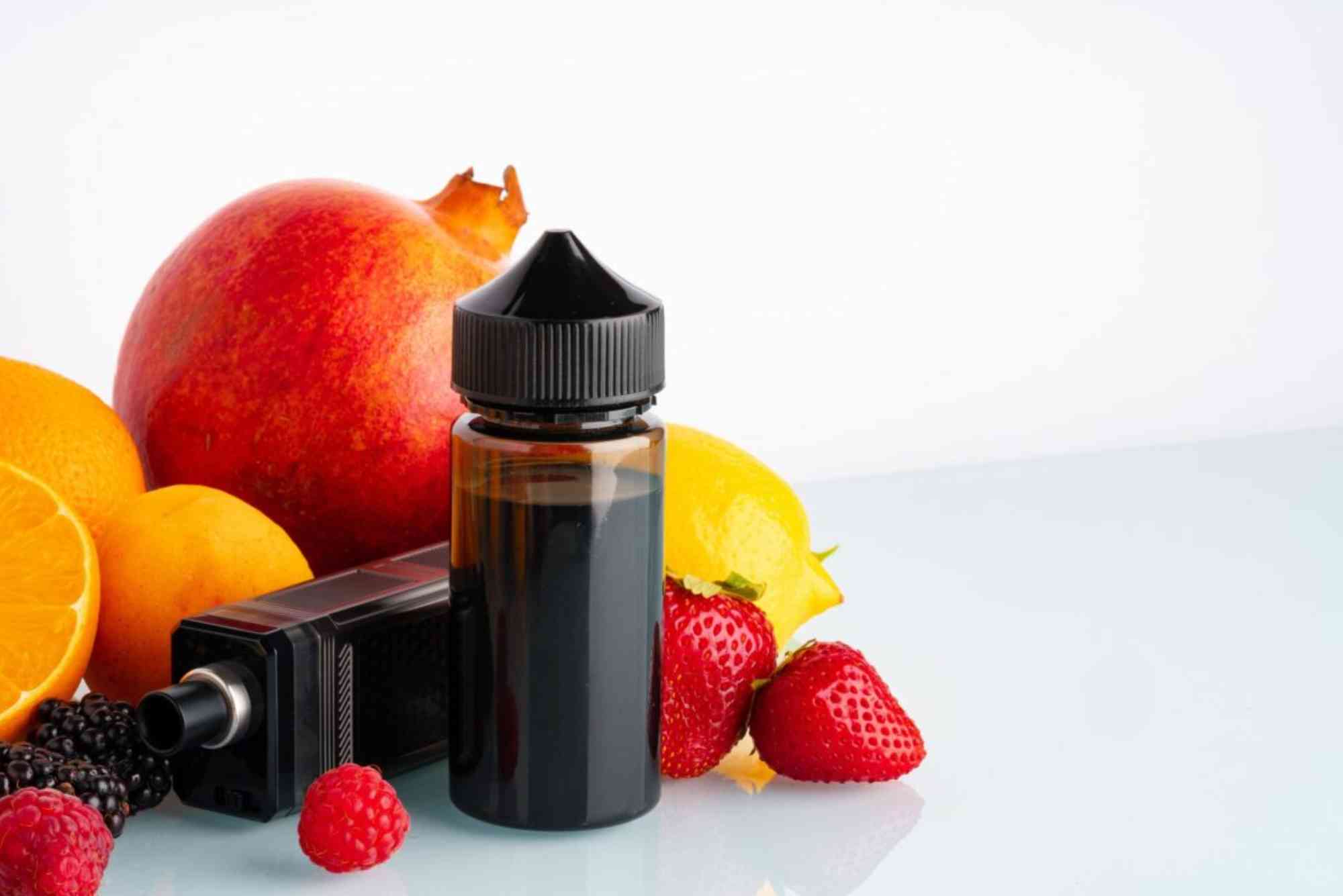
Lawmakers in New York justified the flavor ban by pointing to data showing that more than 80% of youth vapers preferred flavored products. Officials feared that fruity and sweet options were creating a gateway to lifelong nicotine addiction. The flavor ban was meant to reduce this appeal and cut vaping rates among young people.
While the reasoning is understandable, adult vapers argue that flavored products helped them quit smoking. Without access to flavors, many worry that smokers who want to switch to vaping may not find it as satisfying, pushing them back to tobacco use.
Health Risks and Public Perceptions
The public often views vaping as equally dangerous as smoking, but evidence paints a more nuanced picture. Studies from Public Health England and other research institutions suggest vaping is significantly less harmful than smoking combustible cigarettes. However, this does not mean vaping is risk-free.
Nicotine remains addictive, and some vape liquids contain harmful chemicals. Additionally, the 2019 outbreak of lung injuries, later linked to black-market THC cartridges containing vitamin E acetate, raised widespread alarm. Although legal nicotine vapes were not the cause, the incident influenced public perception and played a role in shaping stricter laws like those in New York.
Critics of the vape NY law argue that by banning legal flavored products, the state may unintentionally drive users toward unsafe black-market alternatives, repeating the same cycle that caused the 2019 outbreak.
The Economic Impact of Vape NY Law
Small vape shops across New York have been hit hard by these laws. Many relied heavily on flavored products, which made up the majority of their sales. After the ban, numerous shops closed, leaving employees without jobs and communities without regulated access to vaping products.
On the other hand, state officials emphasize the importance of protecting public health over business profits. They argue that reducing youth nicotine addiction outweighs any economic drawbacks. Still, the economic ripple effect cannot be ignored, especially when it affects consumers’ access to regulated and safer products.
Are Vapers Turning Back to Cigarettes?
One of the biggest concerns surrounding the vape NY law is whether it inadvertently pushes people back to smoking. Research shows that many adults turned to vaping as a less harmful alternative to traditional tobacco. By removing flavored options, which are often more appealing than tobacco-flavored vapes, lawmakers risk undoing years of smoking cessation progress.
A report published after the flavor ban indicated that some former smokers indeed went back to cigarettes. If this trend continues, the long-term public health outcomes may contradict the law’s original goals.
Black Market Growth in New York
Another unintended consequence of the vape NY law is the rise of black-market vaping products. When legal options disappear, demand often shifts to unregulated sources. Illegal flavored pods and e-liquids are now readily available online or through underground sellers.
These products are not subject to quality control, which increases health risks for consumers. Ironically, by trying to protect young people and adults, the state may be exposing them to even greater dangers through unregulated products.
How Vape NY Law Compares to Other States
New York is not the only state with strict vaping regulations. Massachusetts, New Jersey, and Rhode Island also implemented flavor bans. However, not every state has seen the same outcomes. For example, some states chose to regulate and tax flavored products rather than ban them entirely, which kept them within a legal, controlled market.
New York’s aggressive stance sets it apart, but critics argue that it also creates inequalities. Residents can easily cross state borders to buy flavored vapes, undermining the effectiveness of the ban while draining tax revenue.
The Future of Vape NY Law
The debate over vaping in New York is far from over. Public health groups continue to push for even stricter controls, while advocacy organizations representing vapers and harm reduction experts argue for more balanced approaches. Possible future adjustments may include tighter online sales restrictions, further taxation, or even revisiting the flavor ban if unintended consequences worsen.
What Vapers Should Know
For those living in New York, it’s essential to understand how the law affects both access and safety. Purchasing flavored vapes in-state is illegal, and penalties can apply to sellers. However, tobacco-flavored and menthol options remain legal. Consumers should avoid black-market products, as they pose significant health risks. Instead, they should focus on regulated sources and, if considering quitting, consult healthcare providers for safe alternatives.
FAQs
Is flavored vape legal in New York?
No, flavored nicotine vapes are banned in New York, except for tobacco and menthol flavors.
Can I buy vapes online in New York?
Online sales of flavored vapes are restricted. While some websites claim to ship to New York, purchasing from them may be illegal and unsafe.
Does vape NY law apply to CBD and THC vapes?
The law mainly targets nicotine products. However, cannabis vapes are regulated under New York’s marijuana laws, which differ from nicotine regulations.
Why did New York ban flavored vapes?
The ban was introduced to reduce youth vaping, as most underage users preferred flavored products like fruit or candy.
Can I get fined for using a vape indoors in New York?
Yes, vaping indoors is prohibited in most public spaces under the Clean Indoor Air Act, similar to smoking restrictions.
The vape NY law was introduced with the goal of protecting young people from nicotine addiction and reducing overall vaping rates. While the intentions are clear, the real-world effects are more complex. Adult vapers now have fewer legal options, some have returned to smoking, and black-market products are filling the gap. The economic toll on small businesses is also significant.
New York’s laws highlight the difficult balance between protecting public health and respecting harm-reduction strategies. Whether the state’s approach will succeed in the long run remains uncertain, but one fact is clear: the conversation about vaping is far from over.