
Do Labels Lie? What to Look for in E-Liquid Ingredients
In the growing world of vaping, transparency matters more than ever. Every puff you take from your device is a blend of ingredients, and most of us trust that what’s written on the label is accurate. But how accurate are these claims really? With the term vape label truths becoming more relevant in regulatory and consumer discussions, it’s time to explore what those tiny labels on your e-liquid bottles are really saying—and what they might be hiding.
Understanding the truth behind vape labels isn’t just about compliance. It’s about your health, your choices, and your right to know what’s going into your body.
Why Vape Label Truths Matter
When you pick up a bottle of e-liquid, you’re trusting that the company has listed all the ingredients honestly. But in an industry that’s still catching up to regulation, that trust is often misplaced. Mislabeling isn’t always malicious—it can stem from poor testing standards, vague regulations, or third-party bottling errors. However, even unintentional omissions or vague ingredient descriptions can lead to serious health risks.
Misleading labels can include vague descriptions like “natural flavors,” hidden additives, or incorrect nicotine concentrations. As a result, vapers may unknowingly inhale harmful substances or overdose on nicotine.
Health Risks of Mislabeling
Many vapers assume they are making a healthier choice compared to traditional smoking. But if vape labels aren’t telling the whole truth, that assumption becomes dangerous. Unlisted ingredients like diacetyl, known for causing “popcorn lung,” or certain oils not suitable for inhalation, have shown up in some products—even those claiming to be “all-natural.”
Key Ingredients to Look for—and Question
The label on your e-liquid is your first defense. Here’s what you should understand about common ingredients—and how to spot red flags.
Propylene Glycol (PG) and Vegetable Glycerin (VG)
PG and VG form the base of most e-liquids. They create the vapor and carry the flavor. Most reputable brands will list the PG/VG ratio clearly (e.g., 70/30 or 50/50). If the ratio is missing or only one is listed, that’s a red flag. A lack of clarity could mean poor formulation or even misrepresentation of what’s inside.
Nicotine
Nicotine strength should always be clearly labeled in mg/mL. Some brands use percentage-based labeling, which can confuse users. For example, 1.8% nicotine equals 18 mg/mL. Also, beware of products labeled “nicotine-free” that might still contain trace amounts—something that’s been confirmed in various third-party lab tests.
Flavorings
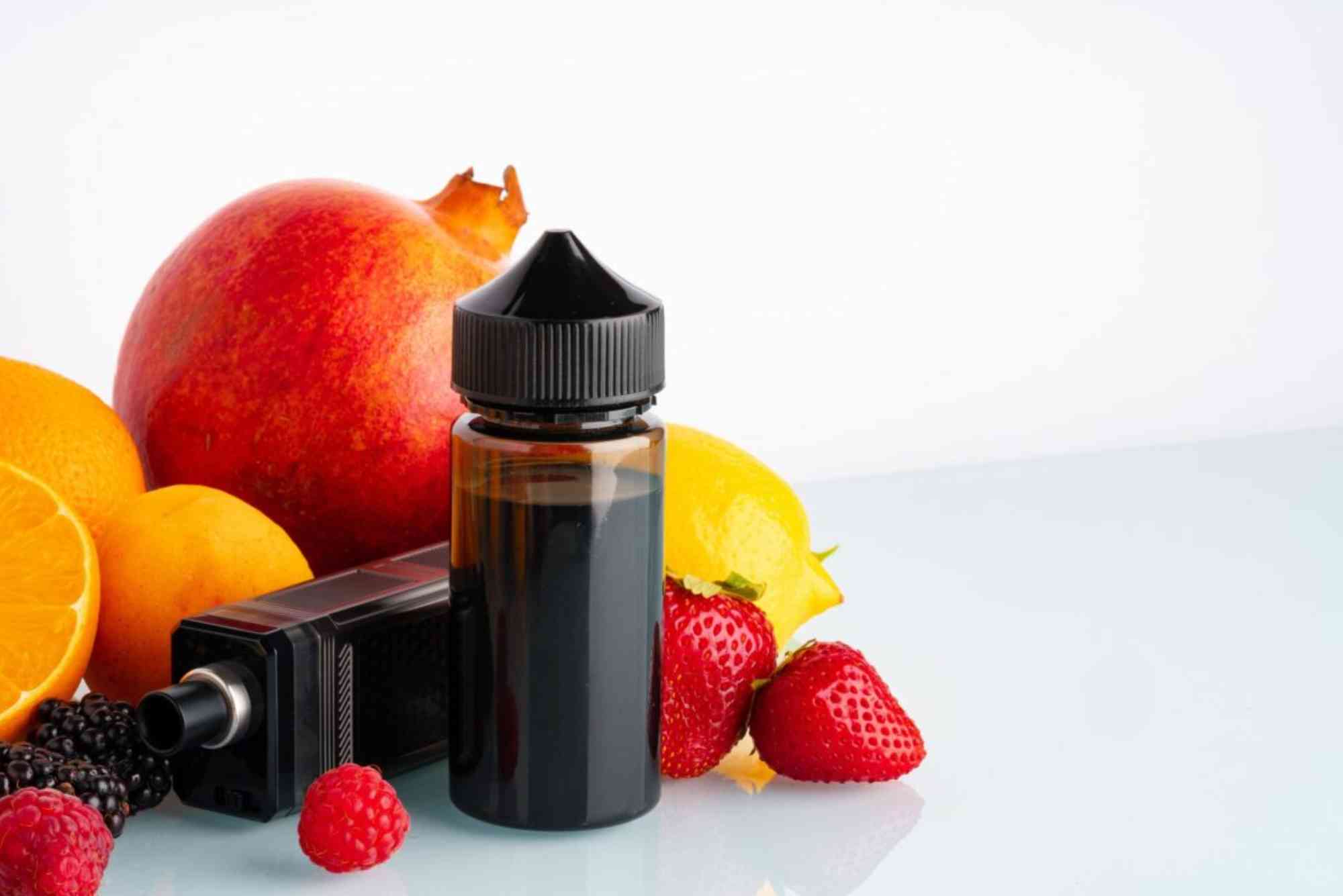
This is where things get murky. Most labels simply say “natural and artificial flavors.” That doesn’t tell you much. Some flavoring compounds used in e-liquids are safe for ingestion but harmful when inhaled. Without full transparency, there’s no way to know if your e-liquid contains harmful substances like diacetyl or acetyl propionyl.
Additives and Sweeteners
You’ll rarely see sweeteners or other additives listed, even though many e-liquids contain sucralose, ethyl maltol, or cooling agents like WS-23. These aren’t inherently dangerous, but when heated and inhaled, they may produce compounds you don’t want in your lungs.
How to Spot the Truth Behind Vape Labels
Even without lab equipment, you can make smarter choices by knowing what to look for and how to read between the lines.
Check for Third-Party Lab Testing
Reputable brands share Certificates of Analysis (COAs) from independent labs. These certificates detail what’s in the e-liquid, including nicotine levels, presence of diacetyl, and heavy metals. If a company doesn’t offer this information—or if it’s outdated—be cautious.
Look for Full Ingredient Transparency
Brands committed to vape label truths will list more than the bare minimum. They’ll specify the type of nicotine (freebase vs salt), include a PG/VG breakdown, and clarify the nature of flavorings. Some even disclose their sweetener types and percentages.
Avoid Vague Marketing Terms
Words like “premium,” “organic,” or “clean” sound great but mean little without certification. These buzzwords are often used to distract from the lack of real transparency. Instead, prioritize brands that focus on clear, verifiable facts.
The Regulatory Landscape: Why It’s Still a Gray Area
In many countries, vape products are only lightly regulated—or not at all. While the FDA in the United States requires PMTA approval, many products are still available for sale without having undergone rigorous testing. This inconsistency leads to confusion and a wide variance in label reliability.
In Europe, the TPD (Tobacco Products Directive) provides stricter guidelines, including nicotine caps and mandatory ingredient listings. However, loopholes still exist. Many non-compliant products make their way into markets via online vendors or gray-market sellers.
Until international regulations catch up, it’s largely up to consumers to educate themselves and push for better standards.
Why Some Brands Mislead (and Why Others Don’t)
Some brands cut corners to save costs or increase profit margins. Flavorings and nicotine solutions from unreliable suppliers may not meet purity standards, and cutting agents like vitamin E acetate have been found in black-market THC vape products.
On the other hand, there are responsible manufacturers who go above and beyond compliance. These companies invest in third-party testing, transparent labeling, and safer formulations. Their e-liquids might be slightly more expensive—but the added safety is worth it.
Real Vape Label Truths: What Independent Studies Show
Multiple studies have analyzed vape liquids purchased from stores or online. In many cases, the actual nicotine content did not match what was printed on the label. Some “nicotine-free” vapes had measurable levels of nicotine. Others contained potentially harmful compounds not disclosed on the ingredient list.
One 2021 study published in Tobacco Regulatory Science found that over 30% of tested e-liquids had inaccuracies in nicotine concentration. That’s not just a minor discrepancy—it’s a major issue for users trying to control their intake.
How to Protect Yourself as a Consumer
Education is your best defense. Don’t rely on branding alone—do your homework. Join vape forums, read reviews, and ask brands for lab reports. Check if they publish testing data regularly. If a company avoids your questions or offers vague answers, that’s a clear warning sign.
If you’re new to vaping, consider starting with well-established brands that have a reputation for honesty. The price tag might be a bit higher, but you’re paying for peace of mind.
Demand Transparency, Choose Wisely
In an industry still finding its regulatory footing, vape label truths should not be optional—they should be the standard. Whether you’re vaping to quit smoking or simply enjoy the flavors, you have the right to know exactly what’s in your e-liquid.
Misleading labels can put your health at risk and undermine your ability to make informed choices. But by being vigilant—checking for third-party tests, demanding transparency, and supporting ethical brands—you can vape smarter and safer.
Call to Action:
Want to ensure your vape products are safe and honestly labeled? Start by checking for third-party lab results. Share this guide with fellow vapers and demand better labeling from the brands you support.
FAQs
Is it legal for vape companies to mislabel ingredients?
No, but enforcement varies. In the U.S., the FDA has the authority to regulate labeling, but oversight is inconsistent, especially for smaller brands.
Can nicotine-free vapes still contain nicotine?
Yes. Independent tests have shown that some “nicotine-free” vapes contain trace levels of nicotine due to poor manufacturing or cross-contamination.
What does PG/VG ratio mean on vape labels?
The PG/VG ratio tells you the balance between propylene glycol (PG) and vegetable glycerin (VG), affecting throat hit and vapor production.
How do I know if an e-liquid contains diacetyl?
Check the brand’s lab reports or contact the manufacturer. If they don’t test for it—or won’t share results—choose another product.
Are natural flavors in vape juice safe?
“Natural” doesn’t always mean safe. Some natural flavor compounds can be harmful when inhaled, even if they’re safe to eat.