
Introduction: A Legal Storm with Real-World Consequences
In 2025, the Utah vape ban lawsuit has stirred intense debate across the vaping community, legal circles, and public health advocates. At the heart of the controversy is a state-led initiative to limit or ban flavored vape products, citing rising youth vaping rates. In response, vape retailers and advocacy groups filed a lawsuit, arguing that the ban oversteps state authority and endangers adult vapers.
But is the Utah vape ban lawsuit truly protecting public health—or putting vapers at greater risk? In this article, we unpack the lawsuit, examine the health and legal implications, and explore what this could mean for vapers across the country.
Understanding the Utah Vape Ban Lawsuit
What Prompted the Ban?
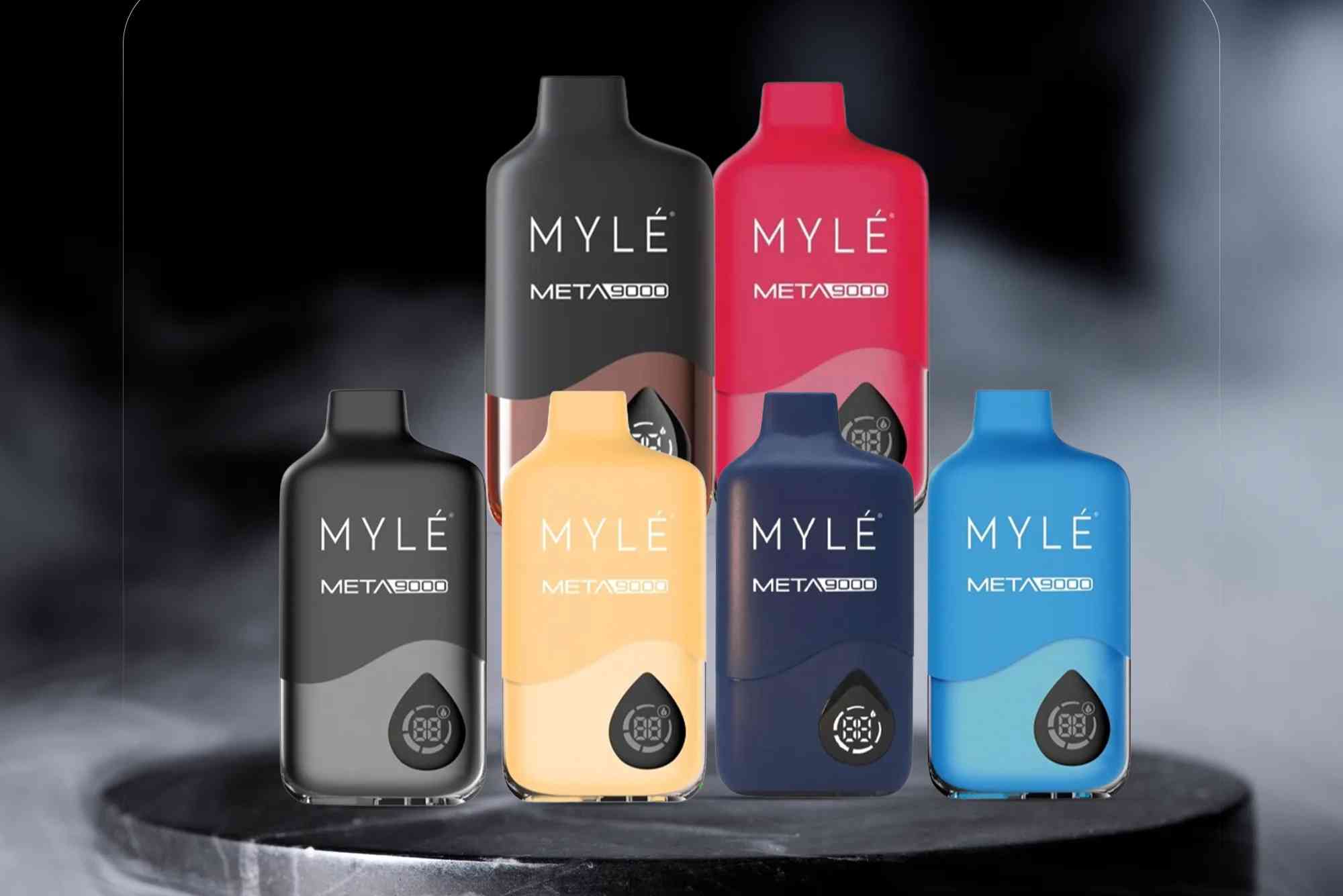
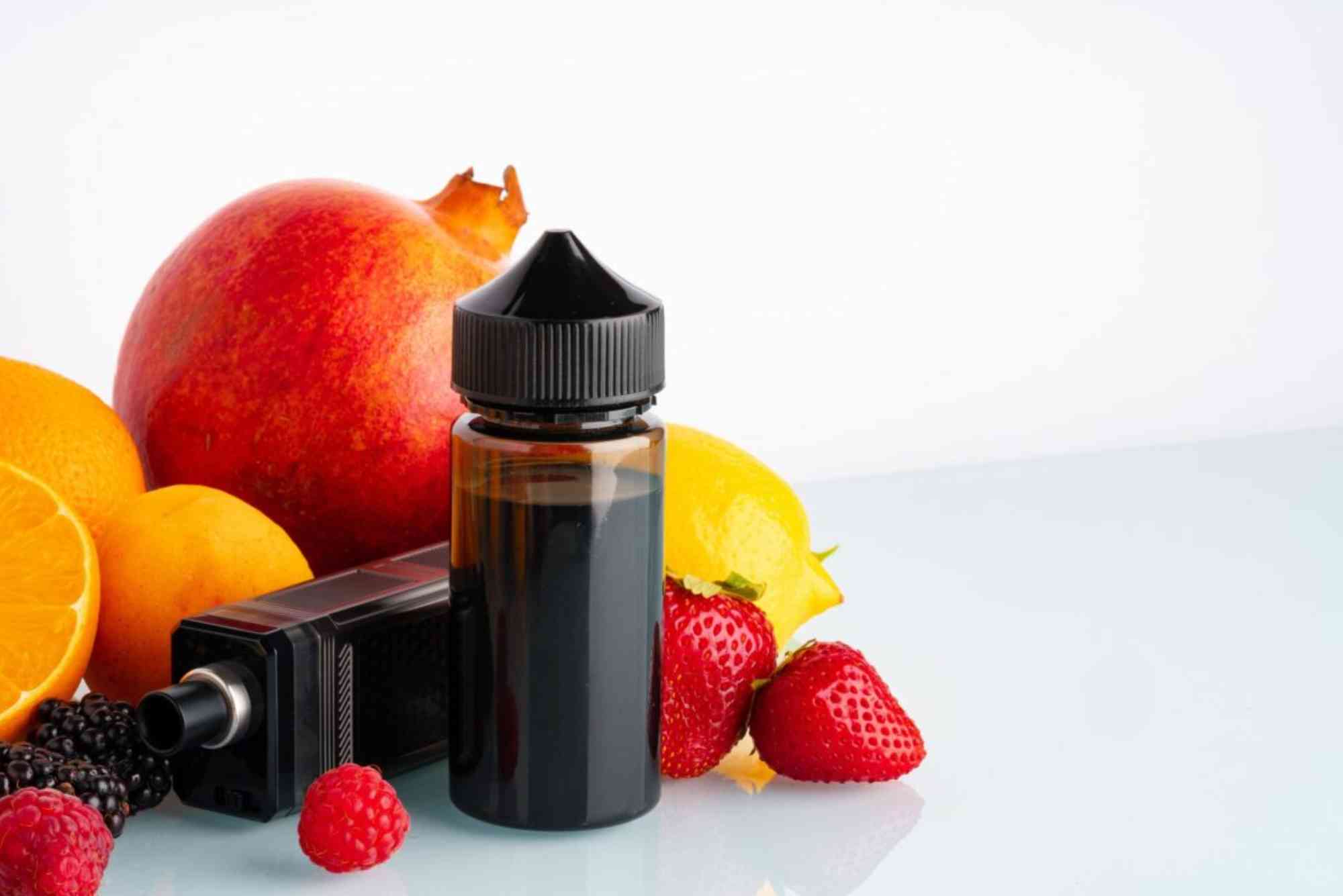
Utah’s decision to ban flavored vape products stems from rising concerns about youth vaping. The state health department cited CDC data showing increased e-cigarette use among teens. Flavored products—especially fruit and candy varieties—were believed to be a primary cause.
To curb this trend, the Utah Department of Health proposed a rule that would effectively ban flavored vape sales outside of licensed tobacco specialty shops. This regulation sparked backlash from small business owners and adult vapers alike.
Who Filed the Lawsuit?
A coalition of vape shop owners, distributors, and the Utah Vapor Business Association filed a lawsuit to stop the regulation. They argue the ban:
- Exceeds the legal authority of the health department
- Harms small businesses financially
- Pushes adult users back to cigarettes or dangerous black-market alternatives
Where Does the Case Stand?
As of mid-2025, the Utah vape ban lawsuit is still unfolding. A temporary injunction has blocked enforcement of the ban while the court reviews the legal challenge. This has bought time for vapers and vendors—but the future remains uncertain.
How the Vape Ban Could Affect Adult Vapers
Potential Health Risks of Banning Flavored Vapes
Many adult users rely on flavored vaping as a less harmful alternative to smoking. Removing these products could have unintended consequences:
- Relapse to Cigarettes: Former smokers might return to traditional tobacco, increasing exposure to known carcinogens.
- Black Market Purchases: A ban may lead users to unregulated products, which carry higher risks of contamination.
- Mental Health Impacts: Nicotine withdrawal can worsen anxiety, depression, and focus issues in some adults.
These concerns are part of why the Utah vape ban lawsuit argues the regulation does more harm than good.
Small Business Fallout
Independent vape shops often rely on flavored products for a majority of their revenue. A ban could lead to:
- Store closures
- Job losses
- Consolidation under larger tobacco companies with deeper legal and financial resources
This shift might reduce consumer choice and access to safer, regulated options.
Public Health vs. Personal Choice: Striking a Balance
The Youth Vaping Problem
There’s no denying that youth vaping is a problem. According to the 2024 National Youth Tobacco Survey, over 2 million U.S. high school students reported using e-cigarettes. Many started with sweet or minty flavors.
Utah’s public health officials argue that restricting access to flavored products is a necessary move to protect future generations.
Are There Better Alternatives?
Critics of the ban argue that education, stricter age verification, and better retail enforcement would be more effective and less punitive to adult users. The Utah vape ban lawsuit presses this point, emphasizing targeted solutions over sweeping prohibitions.
Legal Perspectives: Is Utah Overreaching?
Regulatory Authority in Question
One key argument in the lawsuit is whether the Utah Department of Health had the authority to enforce the ban without legislative approval. Legal experts suggest the case could set a national precedent on how far state agencies can go in regulating consumer products.
If the plaintiffs win, the ruling could limit regulatory powers in other states. If they lose, it may embolden health departments nationwide to issue similar bans without waiting for lawmakers.
FDA and Federal Oversight
The FDA already oversees vape product approvals through the PMTA (Premarket Tobacco Product Application) process. Some argue Utah’s actions conflict with federal authority, creating a regulatory grey area.
The Utah vape ban lawsuit could therefore influence the balance between state and federal regulation moving forward.
Are Vapers Being Left Behind?
Vaping as Harm Reduction
Public Health England and other international bodies recognize vaping as a safer alternative to smoking. Many vapers are ex-smokers who successfully quit using flavored e-liquids.
Removing these products could make harm reduction strategies harder to sustain, especially for older adults who are not the target of youth-prevention efforts.
The Role of Advocacy Groups
Organizations like CASAA and the Utah Vapor Business Association have mobilized to defend vaping rights. They argue that adult consumers deserve access to safer alternatives and that regulation should be guided by science—not panic.
What This Means for the Rest of the U.S.
Other States Are Watching
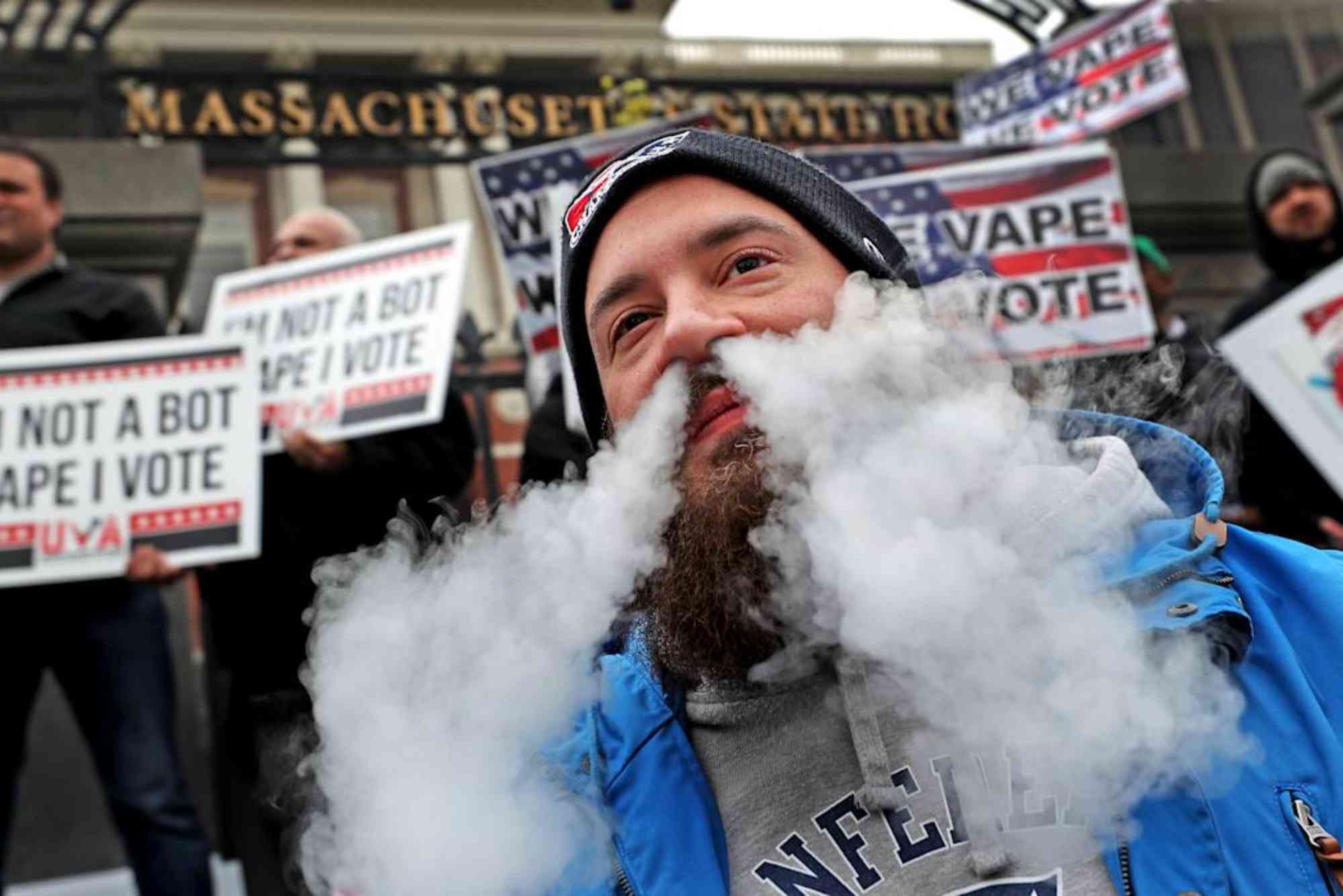
If Utah’s regulation stands, it could inspire similar bans across the U.S. Already, states like California and Massachusetts have enacted flavor bans. The outcome of the Utah vape ban lawsuit could accelerate or hinder this trend.
Federal vs. State Showdown
The lawsuit may ultimately land in federal court, where judges could weigh in on whether state bans conflict with national public health strategies. This decision could impact how states manage e-cigarette sales in the future.
What Should Vapers Do Next?
The Utah vape ban lawsuit represents more than a state-level dispute. It’s a flashpoint in the national debate over vaping, harm reduction, and personal freedom.
For adult vapers, the stakes are high. A ban could limit access to effective smoking alternatives and drive users toward riskier behavior. While protecting youth is crucial, so is preserving adult autonomy and public health science.
If you’re a vaper in Utah or anywhere in the U.S., stay informed. Support advocacy groups, engage with lawmakers, and speak up about how these laws affect your life. The future of vaping—and your freedom to choose—may depend on it.
FAQ: People Also Ask
Is vaping banned in Utah?
No, vaping is not entirely banned in Utah. However, the state has proposed strict regulations on flavored products, which are being challenged in court through the Utah vape ban lawsuit.
What flavors are banned in Utah?
The proposed ban targets flavored vape products sold outside of specialty tobacco stores. This includes fruit, candy, and dessert flavors commonly used by adults.
Why is Utah banning flavored vapes?
Utah cites rising youth vaping rates and aims to reduce access to sweet flavors that appeal to teens. Public health is the core motivation.
Who is suing over the vape ban in Utah?
A coalition of vape shop owners, distributors, and advocacy groups has filed a lawsuit against the state health department to block the flavored vape restrictions.
Could the vape ban cause more smoking?
Experts suggest that some former smokers may return to cigarettes if they lose access to flavored vapes, increasing health risks. This is a major concern in the Utah vape ban lawsuit.