
Is UK Vape Age Law Putting Vapers at Risk?
Vaping has become one of the most popular alternatives to smoking in the UK. With more than 3.6 million adults using e-cigarettes, policies around age restrictions matter more than ever. The UK vape age law currently sets the legal minimum age at 18. While this regulation aims to protect young people, some experts argue that it may create unintended risks for both teenagers and adult vapers. Understanding how this law works, who it impacts, and whether it truly safeguards public health is crucial.
Understanding the UK Vape Age Law
The UK vape age law is clear: selling e-cigarettes and vaping products to anyone under 18 is illegal. Retailers must request valid ID to verify age. Online sellers also face strict checks.
Why the Law Exists
The government introduced the law to prevent young people from starting nicotine use early. Research shows that teenagers are more vulnerable to addiction and long-term lung damage. By restricting access, lawmakers hope to reduce the chances of vaping becoming a gateway to smoking.
Enforcement and Penalties
Retailers who break the law face heavy fines. Trading Standards officers regularly carry out test purchases. Businesses caught selling to minors can face closure or repeat penalties. Online platforms are under increasing pressure to block underage sales.
Is the UK Vape Age Law Working?
The question many health experts ask is whether the UK vape age law actually works in practice.
Decline in Youth Smoking but Rise in Vaping
Surveys reveal that smoking among UK teens is at an all-time low. However, vaping rates among 11–17-year-olds have nearly doubled in the last five years. Despite restrictions, young people still manage to access disposable vapes.
Black Market Concerns
A worrying outcome of strict age laws is the rise of the black market. Underage users often buy illegal, unregulated vapes through informal channels. These products may contain dangerous chemicals or far higher nicotine levels than legal devices. This exposes minors to greater harm rather than protecting them.
Impact on Adult Vapers
The UK vape age law also has unintended effects on adult smokers looking to quit.
Barriers for Young Adult Smokers
Many smokers first consider quitting before the age of 18. For these individuals, the law creates a barrier to accessing a less harmful alternative. While intended to discourage nicotine initiation, it also delays harm reduction for those already addicted to cigarettes.
Trust and Stigma
Some critics argue that strict age laws add to the stigma around vaping. Adult vapers, especially younger ones, often feel judged or compared to underage users. This discourages smokers from making the switch.
Health Risks and Public Debate
There is ongoing debate about whether the UK vape age law reduces health risks or simply shifts them.
The Health Argument for Restrictions
Medical bodies such as the NHS stress that vaping should never be promoted to non-smokers or children. Restricting sales aligns with public health campaigns against nicotine addiction. Studies suggest that early exposure can alter brain development.
The Counter-Argument
On the other hand, research from Public Health England highlights that vaping is at least 95% less harmful than smoking. By blocking access to legal vapes, under-18 smokers may remain stuck with cigarettes, which are far deadlier.
Comparing UK Vape Age Laws with Other Countries
Looking at international regulations helps put the UK’s approach into context.
United States
The US recently raised its minimum vape purchase age to 21. Critics argue this fuels illicit sales, while supporters claim it keeps nicotine away from younger teens.
European Union
Most EU countries align with the 18+ rule. However, enforcement varies widely, with some regions facing bigger challenges in tackling disposable vape sales to minors.
Lessons for the UK
These comparisons suggest that raising the age further might not work. Instead, stricter enforcement and education may be more effective.
Could Education Be the Missing Link?
One major criticism of the UK vape age law is that it focuses on punishment rather than prevention.
Why Education Matters
Schools and parents often underestimate how appealing vaping is to teens. Flavored disposable vapes, in particular, attract underage users. Education about risks—rather than just restrictions—could prevent initiation.
Balancing Regulation and Support
Health campaigns need to strike a balance: discouraging non-smokers from vaping while supporting smokers who want to switch. Without this balance, laws risk alienating both groups.
Future of the UK Vape Age Law
The UK government is considering further reforms.
Possible Flavor Bans
Some policymakers propose banning certain sweet flavors to reduce youth appeal. However, vapers argue that flavors help adult smokers quit successfully.
Licensing Retailers
Introducing a licensing system for vape shops could improve enforcement. This would reduce underage sales while protecting responsible retailers.
Stricter Online Regulation
Given the rise in online sales, future laws may impose stronger identity checks to prevent minors from ordering vapes through websites or social media.
FAQs About the UK Vape Age Law
What is the legal age to buy vapes in the UK?
The legal age to purchase vaping products in the UK is 18. Retailers must check ID before selling.
Can 16-year-olds vape in the UK?
No. Anyone under 18 is prohibited from buying or using vaping products, even with parental consent.
Is vaping less harmful than smoking?
Yes. According to Public Health England, vaping is around 95% less harmful than smoking. However, it is not risk-free.
Are disposable vapes banned in the UK?
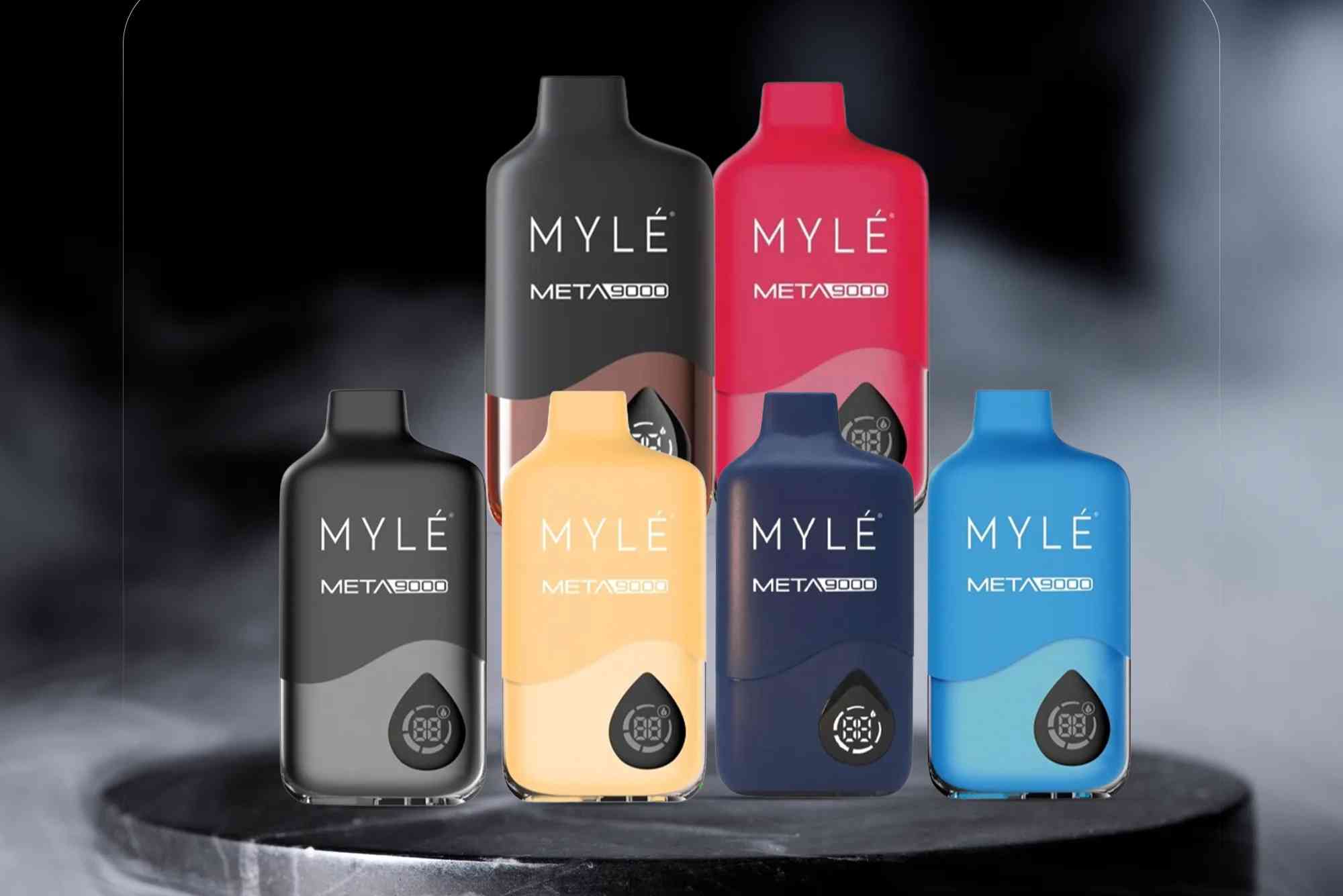
Currently, disposable vapes are legal. However, new laws may restrict them due to rising youth use.
What happens if a shop sells vapes to minors?
Shops caught selling to under-18s face fines, potential closure, and legal penalties from Trading Standards.
Does the UK Vape Age Law Protect or Harm?
The UK vape age law aims to shield young people from nicotine addiction. While well-intentioned, its effectiveness is mixed. Teen vaping continues to rise, often through black market access, while young smokers may struggle to switch to safer alternatives.
For real progress, the UK must go beyond restrictions. Stronger enforcement, better education, and harm reduction strategies are key. Policymakers need to strike a balance—protecting youth without blocking smokers who need safer options.