Starting a CBD business in the UAE is a promising venture — but one that requires careful legal navigation. With growing global interest in cannabidiol (CBD) products, entrepreneurs in the UAE are increasingly exploring this niche. However, launching a CBD brand in the Emirates involves understanding strict regulations, import laws, and licensing frameworks.
This full legal guide walks you through everything you need to start a CBD business in UAE — from legal basics to licensing, importing, and marketing compliance. Whether you’re planning to sell CBD oil, skincare products, or wellness supplements, this guide helps you approach the process confidently and lawfully.
Understanding CBD and UAE Law
Before diving into the business side, it’s crucial to understand how CBD is classified under UAE law.
What Is CBD?
CBD (cannabidiol) is a naturally occurring compound found in cannabis. Unlike THC (tetrahydrocannabinol), CBD is non-psychoactive and often used for wellness purposes — such as reducing anxiety, improving sleep, or managing inflammation.
Is CBD Legal in the UAE?
Until recently, CBD was banned under the UAE’s anti-narcotics laws. However, in 2021, a significant shift occurred. The UAE officially allowed the import and sale of industrial hemp-derived products, including CBD, under strict regulatory conditions. This marked a major opportunity for investors to start a CBD business in UAE — legally and transparently.
Today, CBD derived from hemp with 0.3% THC or less is permitted, provided it meets UAE’s regulatory, safety, and labeling standards. However, the use of cannabis-derived CBD or products with higher THC content remains strictly prohibited.
Legal Requirements to Start a CBD Business in UAE
Choose a Legal Business Structure
Your first step is selecting a legal entity for your business. You can register:
- A mainland company (under the Department of Economic Development)
- A free zone company (e.g., Dubai Multi Commodities Centre – DMCC)
- An offshore entity (for international trade without local operations)
For a CBD business in UAE, many entrepreneurs choose free zones due to their simplified setup processes and 100% foreign ownership.
Get the Right Trade License
To sell or distribute CBD products, you need a commercial trade license with the correct business activities listed. In most cases, this includes:
- Import/export of cosmetic or health products
- Wholesale and retail trading
- E-commerce activity (if selling online)
CBD-specific activity may not be explicitly stated on standard forms. Therefore, it’s essential to work with legal consultants or business setup advisors familiar with the industry.
Product Approval from MOHAP
The Ministry of Health and Prevention (MOHAP) must approve all CBD products intended for sale. This includes:
- Ingredient review
- Lab testing
- Certification of THC levels (must be below 0.3%)
- Labeling compliance
Any product not meeting UAE’s health and safety guidelines will be rejected or confiscated at customs.
How to Import CBD Products into the UAE
Understand Import Classification
CBD products are categorized under:
- Cosmetics and skincare (like CBD-infused lotions or serums)
- Health supplements
- Food and beverages (currently not allowed)
At present, the UAE primarily permits cosmetic and topical CBD products. Consumables (e.g., CBD oils, edibles, or drinks) are still under legal scrutiny and not widely allowed.
Work With Licensed Distributors
You must work with approved importers or logistics companies that understand the nuances of customs clearance for CBD. Trying to ship products independently without proper documentation can result in seizure or legal penalties.
Provide Lab Reports and Certificates
For each product shipment, you’ll need:
- Certificate of Analysis (COA) showing 0.3% THC or less
- Proof of origin (must be from approved countries)
- MSDS (Material Safety Data Sheet)
Documentation errors can lead to long delays or full rejection at customs.
Retail and Marketing Rules for CBD in UAE
Selling Channels
You’re allowed to sell CBD products through:
- Licensed physical stores
- Online e-commerce platforms registered in UAE
- Wholesale B2B distribution
Online sales require extra attention to cybersecurity and privacy laws, especially if you collect customer data.
Advertising Restrictions
CBD marketing is tightly regulated. You cannot:
- Make medical claims (e.g., “cures anxiety” or “treats chronic pain”)
- Advertise through Google Ads or social media without approvals
- Use misleading or unverified health statements
Always work with UAE-licensed marketing professionals to ensure compliance with advertising laws.
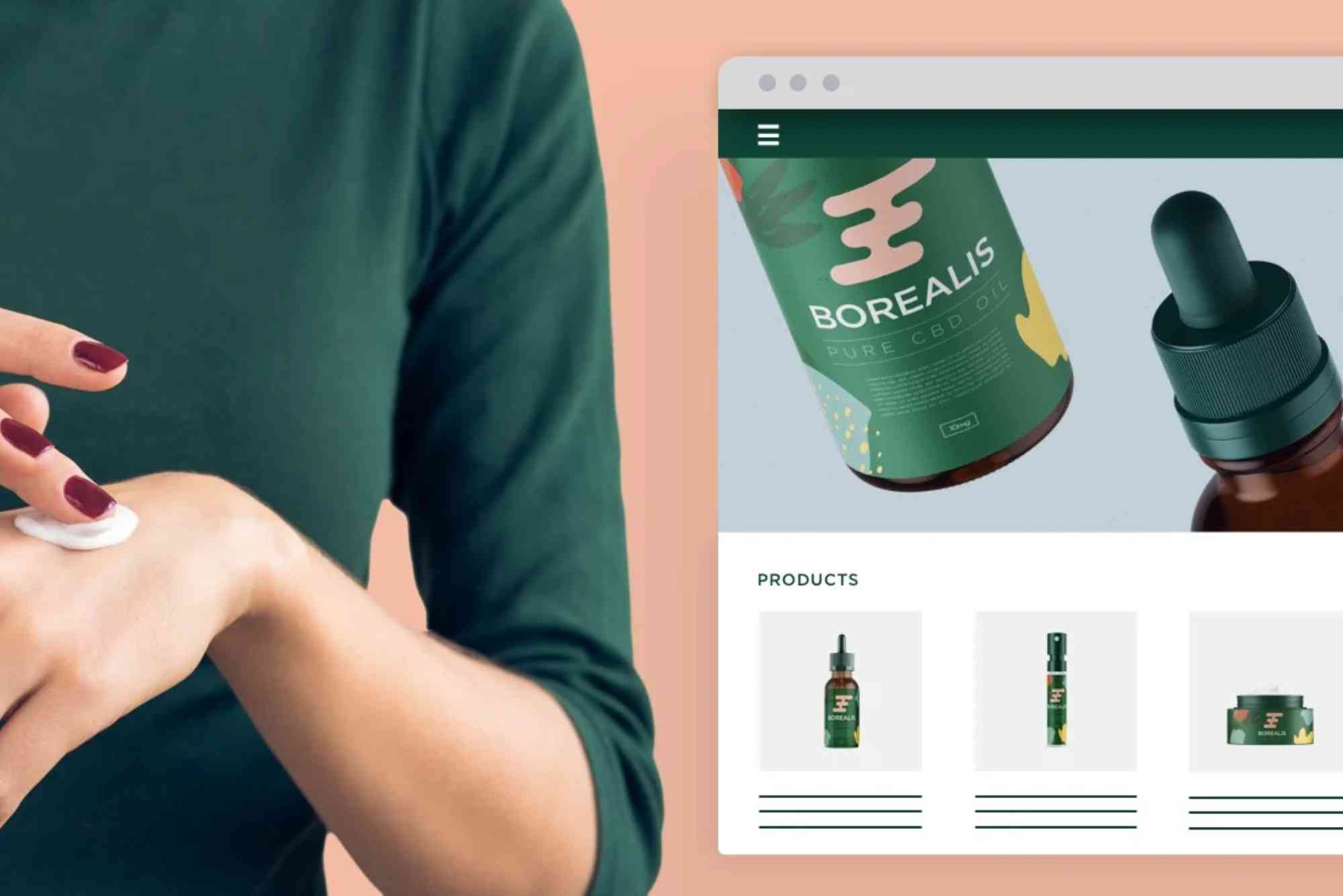
Setting Up a CBD Storefront or E-commerce Site
Physical Store Considerations
If you’re planning a storefront:
- Location must be approved for retail trade
- Staff should be trained on legal handling of CBD products
- Products must have visible labeling, batch numbers, and expiry dates
Retail inspections by local authorities can occur, so compliance is key.
E-commerce Requirements
For online CBD sales in the UAE:
- Your domain must be registered with TRA (Telecommunications Regulatory Authority)
- You need an e-commerce trade license
- Secure payment gateways must comply with UAE’s anti-money laundering laws
Partnering with local e-commerce platforms can help ensure credibility and reach.
Building a CBD Brand in the UAE
Branding matters more than ever — especially in a new and regulated space like CBD.
Focus on:
- Clean, compliant packaging (English and Arabic labels)
- Transparent ingredient lists
- Clear brand mission focused on wellness, not medicine
- Avoiding claims or visuals associated with recreational cannabis
The more professional and compliant your brand appears, the more trust you’ll gain from both customers and regulators.
Common Challenges When Starting a CBD Business in UAE
Despite the growing opportunities, entrepreneurs face several hurdles:
- Complex import and customs documentation
- Slow product registration timelines
- Misunderstanding of what’s legal vs. illegal
- Limited public awareness about CBD’s legality
- Difficulties securing banking or payment processing
These challenges highlight the importance of legal guidance, reliable partners, and a clear compliance strategy when entering the CBD market.
Start Your CBD Business in UAE the Right Way
The UAE is gradually opening up to the CBD industry, but doing business here means playing by the rules. By understanding the laws, securing the right licenses, and staying compliant with import and product regulations, you can successfully Start CBD Business UEA and tap into a growing wellness market.
Ready to begin your journey? Consult a UAE-based business advisor or legal expert today to ensure you’re building your CBD brand on solid ground.
FAQs About Starting a CBD Business in UAE
Can I sell CBD oil in the UAE?
Only hemp-derived CBD oil with less than 0.3% THC is permitted. You must get MOHAP approval and hold a valid trade license.
Is it legal to import CBD into the UAE?
Yes — but only cosmetic or topical CBD products with low THC. All imports must meet labeling, safety, and testing regulations.
What license do I need to start a CBD business?
You’ll need a commercial trade license that includes cosmetic or wellness product trading activities, plus MOHAP product registration.
Can I run a CBD business from a free zone?
Yes. Free zones like DMCC or IFZA offer 100% ownership and simplified business setup for CBD-related trading companies.
Are CBD edibles or supplements legal in UAE?
Currently, CBD edibles, oils for ingestion, and dietary supplements are not fully approved for sale. Only topical use products are permitted.