

Nicotine Levels Demystified: Finding Your Fit
When it comes to nicotine consumption, understanding the right level for your body and lifestyle is crucial. Whether you’re switching to vaping, cutting down on smoking, or simply curious, this nicotine levels guide will help you navigate the often confusing landscape of nicotine strengths. With the right knowledge, you can find the nicotine level that fits you best, ensuring a satisfying experience without overwhelming effects.
Understanding Nicotine and Its Role
Nicotine is a naturally occurring chemical in tobacco plants, known primarily for its stimulating and addictive qualities. For many, nicotine is the reason behind smoking or vaping habits. However, nicotine itself isn’t the sole culprit in smoking-related health risks; rather, it’s the delivery method and accompanying chemicals that cause most harm.
When you consume nicotine, it stimulates your brain’s reward pathways, producing feelings of pleasure, alertness, and sometimes calmness. But the effect and satisfaction largely depend on how much nicotine you take in at once, and how your body reacts to it. This is why finding the right nicotine level matters.
Why Choosing the Right Nicotine Level Matters
Picking the correct nicotine strength isn’t just about preference—it impacts your overall satisfaction and success, especially if you’re using nicotine alternatives like e-cigarettes or nicotine replacement therapies. Too high a level can cause unpleasant side effects like dizziness, nausea, or headaches. On the other hand, too low a level might leave you craving more, increasing the temptation to return to cigarettes or consume more e-liquid.
This nicotine levels guide will help you understand how to match your nicotine intake to your habits, lifestyle, and goals, whether that means quitting smoking, reducing intake, or simply enjoying nicotine in a safer way.
How Nicotine Levels Are Measured
Nicotine in e-liquids, patches, gums, and other products is usually measured in milligrams per milliliter (mg/mL). This number indicates how much nicotine is present in each milliliter of liquid or product. For example, a 12 mg/mL vape juice contains 12 milligrams of nicotine in every milliliter of liquid.
In cigarettes, nicotine levels are a bit harder to measure precisely because of the combustion process, but an average cigarette contains roughly 10-12 mg of nicotine, though the actual absorbed amount is lower.
Common Nicotine Strengths and Their Typical Users
Nicotine levels vary widely across products and users. Here’s a simplified look at common nicotine strengths and who they might suit best:
- 0 mg/mL (Nicotine-Free): Ideal for those who want the sensory experience of vaping or smoking without nicotine’s effects or addiction risk.
- 3 mg/mL (Low): Best for light smokers or those reducing nicotine intake. Provides a mild hit without overwhelming stimulation.
- 6 mg/mL (Moderate): Suitable for moderate smokers or vapers who want a balance between satisfaction and reduced nicotine.
- 12 mg/mL (Medium-High): Often preferred by heavier smokers transitioning to vaping. Provides a stronger nicotine hit.
- 18 mg/mL and above (High): For heavy smokers or those with high nicotine tolerance. Requires caution to avoid side effects.
Remember, these levels are starting points, and individual preferences and tolerances vary. It’s smart to adjust gradually based on how your body responds.
Factors That Influence Your Ideal Nicotine Level
Choosing the right nicotine level isn’t a one-size-fits-all decision. Several factors come into play:
Smoking or Vaping Habits
If you smoke frequently or consume high-nicotine products, you likely need a higher nicotine level when switching to alternatives. Conversely, occasional smokers or social vapers may do well with lower strengths.
Device Type and Usage Style
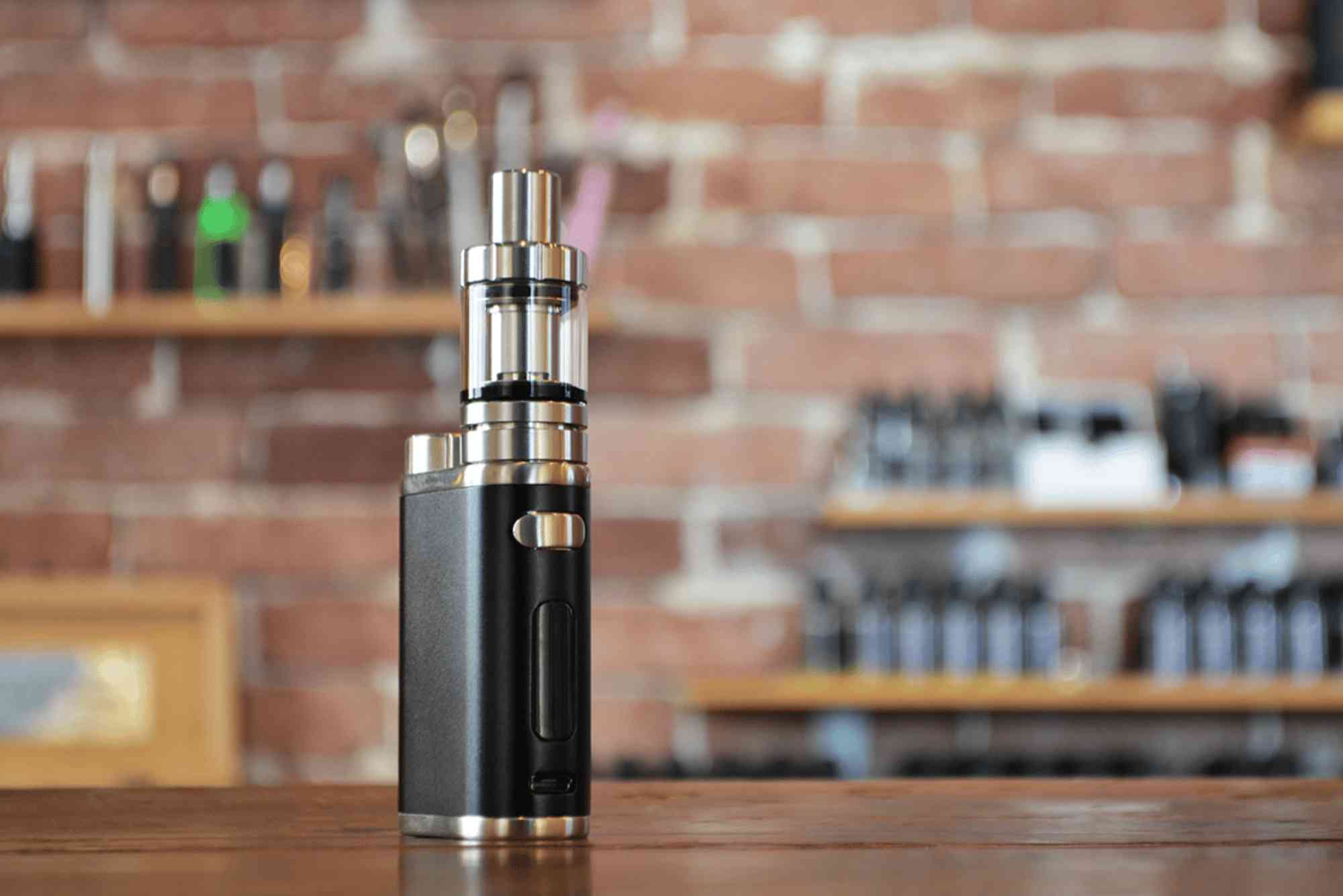
Different vaping devices deliver nicotine differently. For example, pod systems with nicotine salt e-liquids deliver nicotine more efficiently, often allowing for lower nicotine levels with satisfying effects. Sub-ohm devices, which produce large vapor clouds, usually use lower nicotine because of the increased vapor volume.
Body Chemistry and Sensitivity
Some people are naturally more sensitive to nicotine and may feel strong effects at lower doses. Others might need higher amounts for the same effect. Pay attention to your body’s reactions like dizziness, nausea, or jitters as signs you may need to adjust.
Goal of Use
Your intention matters. Are you trying to quit smoking, reduce nicotine gradually, or simply enjoy nicotine recreationally? Each goal may call for different nicotine levels.
How to Adjust Nicotine Levels Safely
- If you’re experimenting with nicotine levels, it’s important to adjust safely and methodically.
- Start with a nicotine strength that matches your current intake level. For example, a pack-a-day smoker might start with 12-18 mg/mL in vaping liquid.
- Monitor how you feel. If you experience dizziness, headaches, or nausea, your nicotine might be too high. Consider lowering the dose.
- If you find yourself craving more or puffing excessively, your nicotine might be too low. Increase strength slightly or adjust device settings to get more nicotine per puff.
- Gradually reducing nicotine over time can help if your goal is to quit or cut down. Many users reduce strength every few weeks to minimize withdrawal symptoms.
Nicotine Salts vs. Freebase Nicotine: What’s the Difference?
Understanding nicotine types is key to choosing the right level. Freebase nicotine is the traditional form found in most e-liquids. It has a higher pH, which can cause throat irritation at higher concentrations, limiting how strong you can comfortably vape.
Nicotine salts, on the other hand, combine nicotine with acids to create a smoother experience. This allows for higher nicotine concentrations (up to 50 mg/mL or more) without harshness. For heavy smokers switching to vaping, nicotine salts can provide a more satisfying hit with less irritation. This nicotine levels guide recommends considering nicotine salt liquids if you want higher nicotine strength but a smooth vaping experience.
Understanding Nicotine Strengths in Different Products
Nicotine is available in various forms, each with unique strengths and delivery methods:
- Cigarettes: Generally around 10-12 mg nicotine per cigarette, but absorption varies.
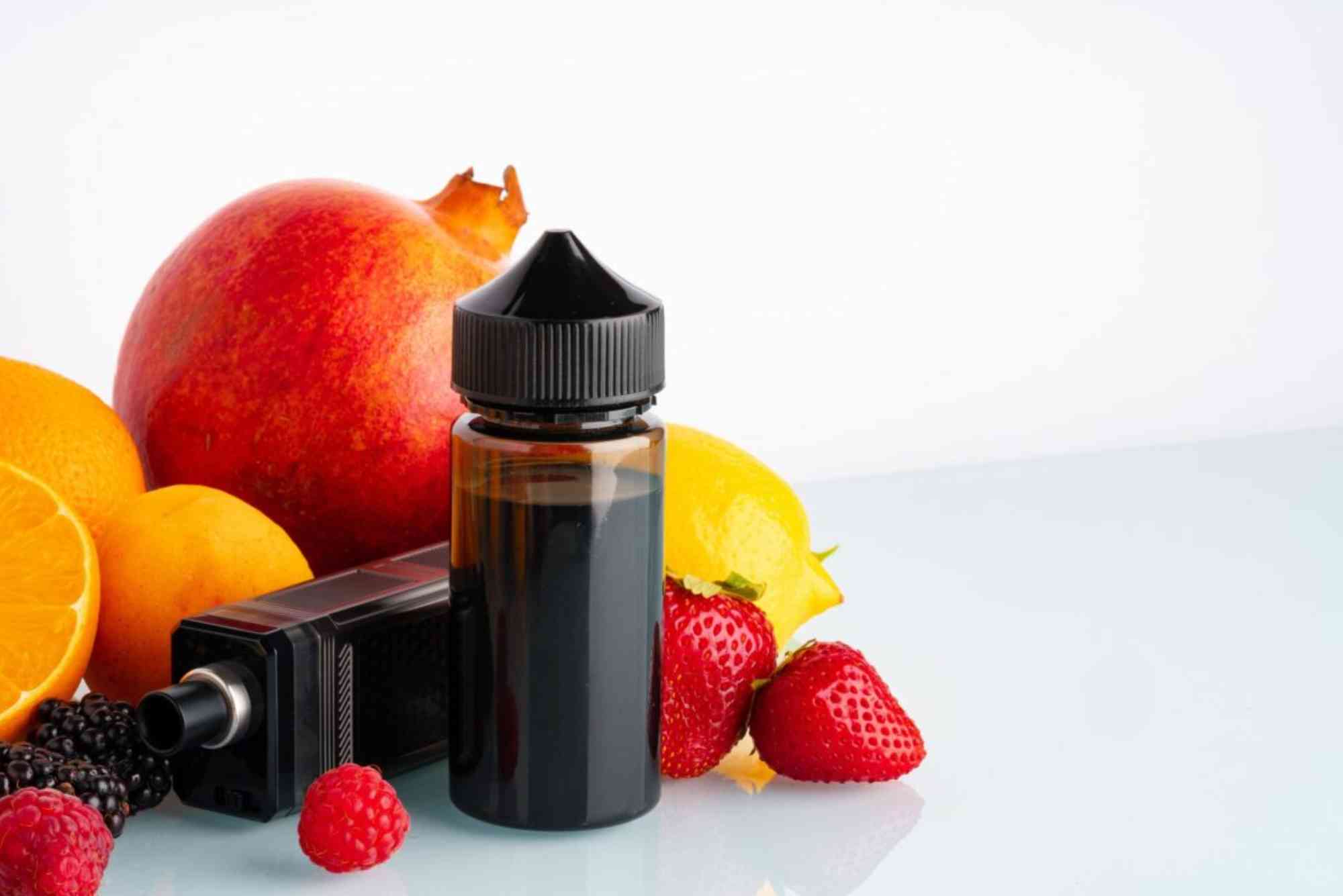
- E-liquids: Typically range from 0 to 50 mg/mL, depending on type (freebase or salt).
- Nicotine patches: Usually come in doses of 7 mg, 14 mg, or 21 mg, releasing nicotine steadily over hours.
- Nicotine gum and lozenges: Provide 2 mg or 4 mg doses for oral absorption.
- Nicotine inhalers and sprays: Deliver quick nicotine absorption, mimicking smoking gestures.
Knowing these options helps you tailor your nicotine intake to your needs and lifestyle.
Signs You Might Need to Change Your Nicotine Level
Listen to your body and behavior to determine if your nicotine level is right:
- Frequent headaches or nausea? Nicotine might be too high.
- Cravings or irritability? Nicotine may be too low.
- Excessive puffing or chain vaping? Likely a low nicotine level.
- Throat irritation or coughing? You might want to try nicotine salts or a lower level.
- Feeling jittery or anxious? Lower nicotine strength might help.
Adjusting based on these signs can improve satisfaction and help you avoid side effects.
Tips for Choosing Nicotine Levels When Switching to Vaping
- Transitioning from smoking to vaping can be tricky when it comes to nicotine.
- Start by estimating your cigarette consumption and matching that to a nicotine level in vaping liquid.
- Consider nicotine salts for a smoother throat hit if you are a heavy smoker.
- Pay attention to device type: pod systems often need higher nicotine; sub-ohm tanks use lower nicotine.
- Test small bottles of different strengths if unsure, and be patient with your body’s adjustment.
Your Nicotine Levels Guide to Success
Understanding nicotine levels is essential to a satisfying and successful nicotine experience. This nicotine levels guide has walked you through how nicotine works, typical strengths, influencing factors, and how to adjust safely. Whether you’re aiming to quit smoking, reduce intake, or just enjoy nicotine responsibly, choosing the right nicotine strength is key.
Remember, the perfect nicotine level is personal—it depends on your habits, goals, and body chemistry. Take your time to find what fits best, and adjust as needed. With the right approach, you’ll enjoy the benefits of nicotine while minimizing discomfort or cravings. Ready to find your perfect nicotine level? Explore trusted vaping products or nicotine replacement options today and take control of your nicotine experience.
FAQ
What nicotine strength should a beginner use?
Beginners usually start with low to moderate nicotine levels like 3 to 6 mg/mL, adjusting based on their smoking habits and device.
Can I use nicotine-free e-liquid if I’m quitting smoking?
Yes, nicotine-free e-liquids can help with the habit of smoking without nicotine but might not satisfy cravings initially.
Is higher nicotine stronger or more harmful?
Higher nicotine levels provide a stronger hit but aren’t necessarily more harmful by themselves. The method of consumption impacts risk more.
How do nicotine salts differ from freebase nicotine?
Nicotine salts offer a smoother throat hit and allow higher nicotine levels, making them better for heavy smokers switching to vaping.
Can I mix nicotine levels in e-liquids?
Mixing e-liquids with different nicotine strengths is possible but should be done carefully to avoid inconsistent dosing.
How long does it take to adjust nicotine levels?
Adjusting can take days to weeks, depending on how your body reacts and your goals.