
The landscape of smoking and vaping is changing faster than ever. With new laws and regulations emerging worldwide, smokers are asking what these changes mean for harm reduction and personal choice. Understanding how the new law vape policies affect smokers isn’t just about compliance — it’s about empowerment, safety, and making informed health decisions.
This article explores the new vape regulations, how they connect to harm reduction, and what every smoker should know to adapt responsibly in 2025 and beyond.
Understanding the New Law on Vaping
Governments across the world are rethinking their stance on vaping. These laws are designed to balance two key goals — protecting public health and promoting harm reduction for adult smokers.
The new law vape framework primarily focuses on product safety, labeling, and marketing restrictions. Most governments now require that e-liquids and devices meet strict manufacturing standards. These include nicotine content limits, child-resistant packaging, and clearer ingredient disclosures.
The intent behind these laws is clear: to reduce the risks associated with vaping while maintaining it as a viable alternative for smokers trying to quit cigarettes.
What Harm Reduction Really Means for Smokers
Harm reduction is a public health strategy aimed at minimizing the damage caused by risky behaviors rather than demanding total abstinence. When it comes to tobacco, harm reduction focuses on giving smokers less harmful alternatives — and that’s where vaping comes in.
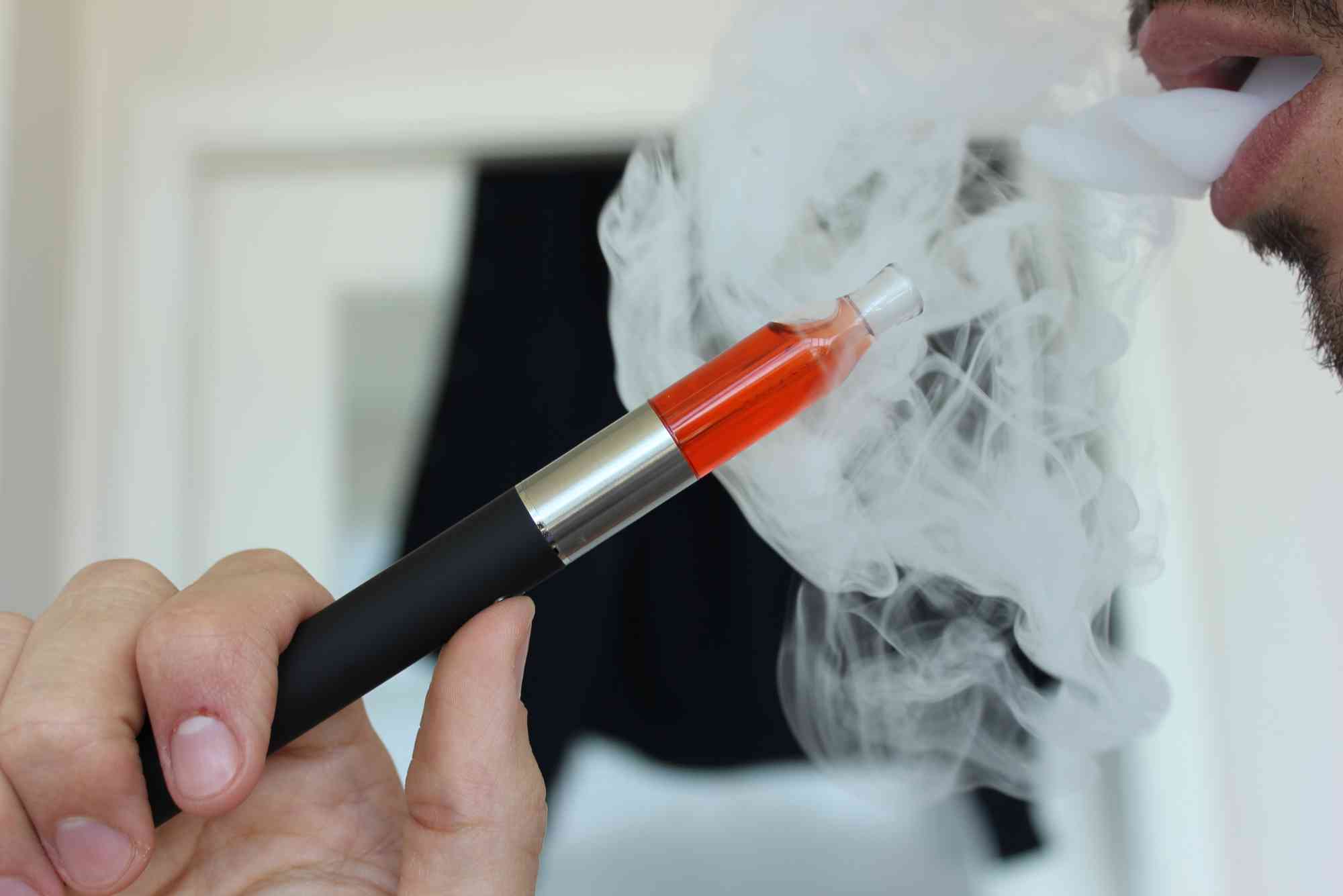
Traditional cigarettes burn tobacco, releasing thousands of toxic chemicals and carcinogens. In contrast, vaping heats e-liquid to create vapor, avoiding combustion entirely. This fundamental difference significantly reduces exposure to harmful substances.
According to research from multiple health agencies, vaping is considered less harmful than smoking. It doesn’t make it risk-free, but for long-term smokers who can’t quit cold turkey, it provides a potential stepping stone toward better health.
How the New Law Vape Policies Affect Harm Reduction
Recent vape laws are reshaping the harm reduction landscape. They provide structure and accountability within the vaping industry while addressing public concerns about youth access and misinformation.
By setting nicotine caps, requiring accurate labeling, and enforcing quality control, these laws ensure consumers get safer, more consistent products. This also helps eliminate unregulated, counterfeit, or low-quality vape products that could endanger users.
At the same time, education plays a key role. The new regulations encourage campaigns that explain vaping as a tool for adult smokers — not as a trend for non-smokers or teens. This alignment between law and harm reduction creates a more responsible ecosystem for tobacco alternatives.
For more details about harm reduction and regulatory updates, visit New law vape and Harm Reduction: What Every Smoker Should Know.
Why Smokers Should Pay Attention to These Changes
For smokers, understanding these new vape laws isn’t just about staying compliant — it’s about taking control of your health choices. Legal vape products are now safer, more transparent, and better regulated than ever.
Smokers who switch to vaping should know that the quality and nicotine content of e-liquids are now strictly monitored. This ensures consistent performance and helps manage nicotine intake more effectively.
Moreover, the new labeling laws make it easier for consumers to identify legitimate brands, reducing the risk of using untested or harmful counterfeit products.
If you’re planning to explore vaping as part of your harm reduction journey, staying informed is crucial. Checking official resources such as the National regulator / law database (example: official gov portal) ensures you’re aware of the latest updates and legal standards in your region.
The Science Behind Vaping and Harm Reduction
Scientific research continues to support vaping as a harm reduction strategy. Studies show that switching completely from smoking to vaping reduces exposure to harmful chemicals and toxins by up to 95%.
Nicotine, while addictive, is not the primary cause of smoking-related diseases. It’s the tar, carbon monoxide, and combustion byproducts in cigarettes that lead to lung and heart damage. By removing combustion from the equation, vaping significantly lowers these risks.
Of course, vaping should always be viewed as a transition tool, not a lifelong habit. Many public health organizations now recommend a gradual approach — replacing cigarettes with vapes, then slowly reducing nicotine levels over time.
Challenges and Controversies Around the New Vape Laws
While the new laws have brought structure to the vaping industry, they also sparked debate. Some smokers and experts argue that excessive regulation could limit access to effective harm reduction tools.
For instance, high taxes or flavor bans may discourage smokers from switching to vaping altogether. Many adults rely on flavored e-liquids to stay away from cigarettes. Restricting those options might inadvertently push them back to smoking — the very behavior these laws aim to reduce.
At the same time, supporters of the new law vape framework argue that strict regulations are essential for public trust and long-term safety. By setting clear rules and maintaining transparency, the industry can continue to grow responsibly without exploiting young or uninformed consumers.
The Role of Education in Harm Reduction
Education is perhaps the most powerful element in this equation. Smokers must understand the difference between smoking cessation and harm reduction. While quitting entirely is the healthiest goal, switching to vaping can dramatically reduce harm when done correctly and responsibly.
Health professionals and vape retailers should focus on guiding smokers with accurate, science-based information. Explaining how nicotine levels, device settings, and e-liquid choices affect the vaping experience can help smokers transition more effectively.
The message is simple: informed smokers make better choices, and education bridges the gap between regulation and real-world behavior.
The Future of Vaping and Harm Reduction
The future looks promising for vaping as part of harm reduction strategies. As laws mature and technologies evolve, safer and more effective devices are emerging. These innovations aim to deliver nicotine more efficiently while minimizing risks.
Public perception is also shifting. What was once seen as a fad is now being recognized as a legitimate tool for smoking reduction and cessation. Governments, researchers, and health advocates are starting to collaborate rather than conflict, working toward shared goals of harm reduction and informed choice.
For smokers, this means greater access to safe products, clearer information, and a more supportive environment for quitting or reducing tobacco use.
Making an Informed Choice
The new law vape landscape is not about punishment — it’s about protection and progress. By ensuring product safety and honest marketing, these regulations empower smokers to make informed decisions about their health.
Harm reduction isn’t about perfection; it’s about taking one step closer to a healthier life. If you’re a smoker exploring vaping, do your research, choose reputable products, and stay informed about local laws.
Remember, switching to vaping can be a valuable part of your journey — not an endpoint, but a bridge to a smoke-free future.
Take the first step today. Explore more insights and guides on New law vape and Harm Reduction: What Every Smoker Should Know.
Frequently Asked Questions
1. Is vaping safer than smoking?
Yes. Vaping eliminates combustion, which produces most of the toxic chemicals found in cigarettes. However, it’s not completely risk-free.
2. Can vaping help me quit smoking?
Many smokers have successfully used vaping as a step-down tool. Gradually lowering nicotine levels can help reduce dependence over time.
3. What does the new vape law mean for consumers?
It means greater safety and transparency. Manufacturers must follow strict standards for quality, labeling, and nicotine content.
4. Are flavored vapes banned?
This depends on your region. Some areas restrict certain flavors to reduce youth appeal, while others allow them for adult use.
5. Where can I check the latest vaping laws?
Visit your local government’s official site or the National regulator / law database (example: official gov portal) for accurate updates.