

Introduction
The Michigan law banning vape and Harm Reduction: What Every Smoker Should Know is reshaping how smokers and vapers navigate nicotine use in the state. As Michigan tightens restrictions on vaping products, many smokers are left asking clear questions about what these changes mean for them.
In this article, we break down the key aspects of the Michigan vaping ban. We will explain why it matters, how it ties to harm reduction strategies, and what every smoker needs to know to make informed decisions. Along the way, we’ll reference trusted public health sources such as the CDC and FDA, and help you connect with the Michigan Legislature — tobacco & e-cig statutes for official regulatory details.
Michigan Law Banning Vape and Harm Reduction: What Every Smoker Should Know
The phrase Michigan law banning vape and Harm Reduction: What Every Smoker Should Know brings together two ideas that often seem at odds. On one hand, public health advocates want to reduce the harm caused by combustible cigarettes. On the other, legislators are moving to restrict or ban flavored vapes and products that many smokers have used to quit smoking.
Let’s explore what’s happening, why it matters, and what options exist for people looking to reduce harm while avoiding legal pitfalls.
Understanding the Michigan Vaping Ban
What Products Are Affected?
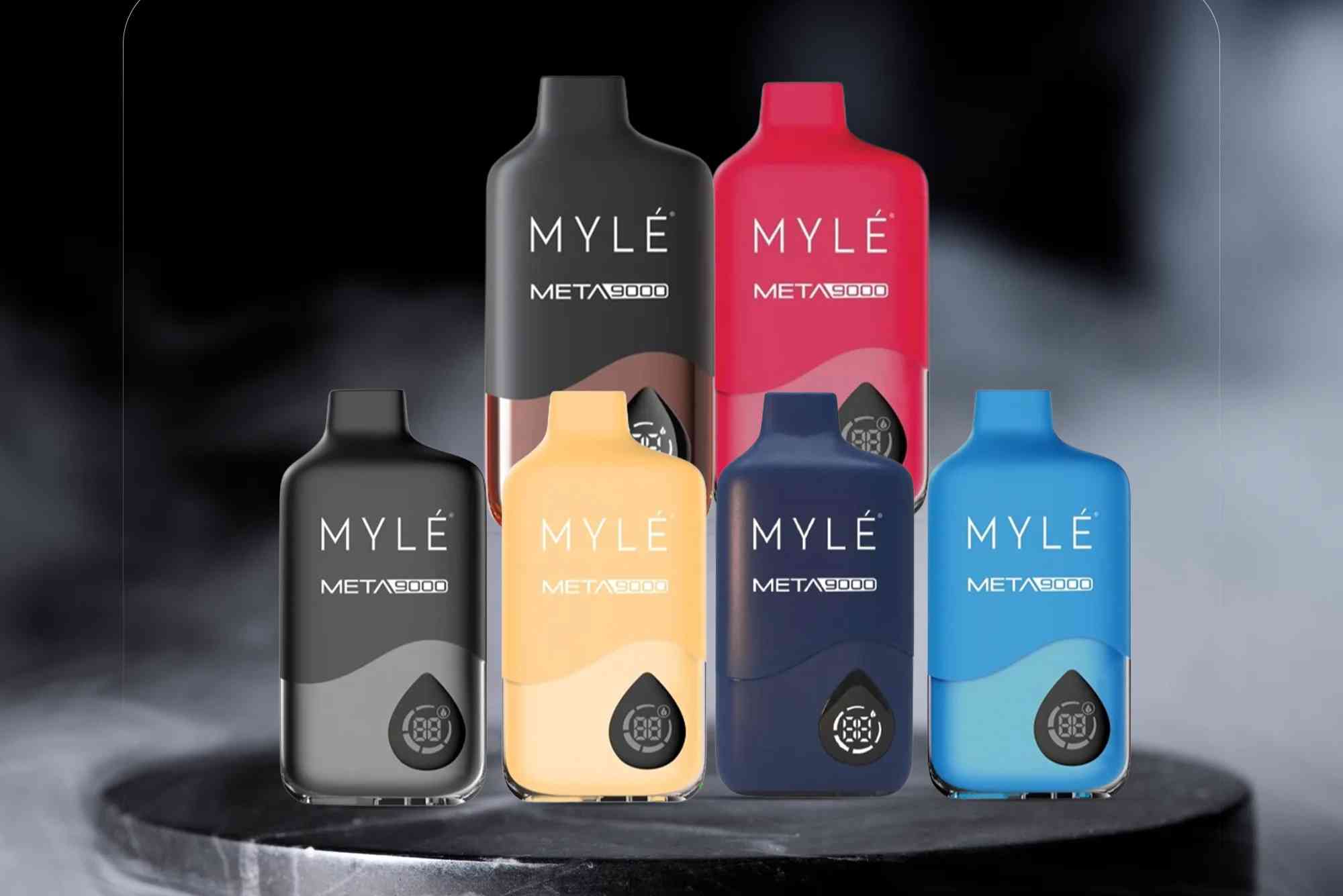
Michigan’s laws focus primarily on flavored vaping products. The ban targets products that appeal to youth, especially flavored e‑liquids and disposable vape devices. These regulations may also include restrictions on sales locations and age verification practices.
The state’s intention is to curb youth vaping rates, but many adult smokers are concerned about losing access to potentially reduced‑harm alternatives to cigarettes.
Why the Law Was Passed
Michigan lawmakers cited rising youth vaping as the main reason for the ban. According to national data from the CDC, teen vaping grew rapidly in the late 2010s, prompting public health responses nationwide. The Michigan Legislature has responded with stricter controls to align with federal and state youth tobacco prevention goals.
Harm Reduction: A Balanced Public Health Approach
What Is Harm Reduction?
Harm reduction refers to strategies aimed at decreasing the negative health impacts of risky behaviors without necessarily eliminating the behaviors entirely. In nicotine use, harm reduction often includes transitioning smokers to less harmful products.
For decades, public health professionals have recognized that quitting nicotine entirely is ideal. Still, for many long‑term smokers, switching to safer alternatives can prevent disease and premature death.
Vaping and Harm Reduction
Many smokers turned to vaping because electronic cigarettes typically deliver nicotine without burning tobacco. Research cited by the UK’s public health authority suggests that vaping is significantly less harmful than smoking combustible cigarettes.
Yet, interpretations differ. Some public health groups see vaping as a critical cessation tool, while others worry about long‑term use and youth uptake.
The Conflict Between Bans and Harm Reduction
Adult Smokers Caught in the Middle
One unintended effect of Michigan law banning vape and Harm Reduction: Michigan Legislature — tobacco & e-cig statutes What Every Smoker Should Know is the tension between reducing youth vaping and helping adult smokers quit.
Smokers who successfully used flavored vapes to quit cigarettes now face restricted access. For many, this could mean a return to smoking or seeking products outside regulated channels.
Illicit Markets and Safety Risks
Restricting legal access to vape products can unintentionally fuel illicit markets. When users can’t obtain regulated products, they may turn to untested goods that pose greater health risks. This has happened elsewhere, reminding public health officials to consider unintended consequences.
What This Means for Smokers
Legal Compliance
Smokers still using vaping products need to understand current laws. Ensure you:
- Know what products are restricted or banned.
- Only purchase from compliant retailers.
- Follow age verification requirements.
Staying informed helps avoid fines or legal trouble.
Health Considerations
If you’re a smoker seeking safer alternatives, consider:
- Consulting healthcare professionals.
- Using FDA‑approved cessation aids like nicotine patches or gum.
- Understanding that harm reduction is about lowering health risks, not eliminating them instantly.
Alternatives to Vaping for Harm Reduction
FDA‑Approved Cessation Aids
Products like nicotine replacement therapy (NRT) patches, lozenges, and gum have been proven to help smokers quit. These are regulated and widely available.
Behavioral counseling paired with NRT increases success rates. Many smokers benefit from structured quit plans.
Other Harm Reduction Tools
Beyond NRT, smokers may explore:
- Prescription medications such as varenicline or bupropion.
- Support groups and mobile quit apps.
- Lifestyle changes like increased physical activity and stress management.
Each approach has strengths and may suit different individuals.
Education and Support Programs in Michigan
State and Local Resources
Michigan offers resources to help smokers quit. These may include quitlines, clinics, and community programs. Utilizing these services increases your chances of quitting successfully.
National Organizations
National public health bodies provide evidence‑based guides on quitting smoking and managing nicotine dependence. These include recommendations for harm reduction and cessation aids.
Navigating Misconceptions
Myth: Vaping Is Harmless
Some believe vaping is completely safe. This is false. While vaping can be less harmful than smoking, it still exposes users to substances that may impact lung health.
Public health authorities emphasize that people who don’t smoke should not start vaping.
Myth: The Ban Ends All Harm Reduction
Another misconception is that the Michigan ban eliminates harm reduction options entirely. In reality, harm reduction includes many tools beyond vaping. It encompasses comprehensive support to reduce smoking’s toll on health.
Looking Ahead: The Future of Nicotine Regulation
Policy Trends
Nicotine regulation continues to evolve. Lawmakers balance youth protection with adult cessation needs. Future policy changes may adjust restrictions, enhance enforcement, or expand support programs for quitters.
Research and Public Opinion
Ongoing research will influence regulations. As more data emerges on long‑term vaping effects, authorities may refine harm reduction frameworks.
Public opinion also shapes policy. Advocacy from smokers, health professionals, and families can guide more balanced approaches.
FAQs About Michigan Law and Harm Reduction
Here are real user questions often asked online, organized to help you find answers quickly.
What exactly does the Michigan vape ban cover?
The Michigan vape ban focuses on flavored products and aims to reduce youth use. It includes restrictions on flavors and may affect certain product categories.
Can adults still buy vaping products in Michigan?
Adults can purchase vaping products that comply with current regulations. Flavored and restricted products may be limited or unavailable.
Is vaping safer than smoking cigarettes?
Research suggests vaping carries fewer harmful chemicals than cigarette smoke. However, vaping is not without risk and is not recommended for non‑smokers.
What are harm reduction alternatives to vaping?
Alternatives include FDA‑approved cessation aids such as patches, gum, lozenges, and prescription medications. Counseling and quit programs also support harm reduction.
Where can I find official regulations on vaping in Michigan?
For the most accurate and updated regulations, refer to the Michigan Legislature — tobacco & e-cig statutes to read the official text.
Will the ban help reduce youth vaping rates?
Restrictions on flavored products are intended to make vaping less appealing to youth. Preliminary data from other regions suggests flavored bans can decrease youth use.
Understanding the Michigan law banning vape and Harm Reduction: What Every Smoker Should Know is crucial for smokers navigating a changing regulatory landscape. Michigan’s approach aims to curb youth vaping while challenging harm reduction advocates to find balanced solutions.
If you’re a smoker looking to quit—or simply stay informed—knowing the facts matters. Explore cessation options, stay aware of legal changes, and use trusted resources to support your health journey.
If you’re ready to make a change, connect with a healthcare provider and explore evidence‑based quit programs today. Your health is worth it.