
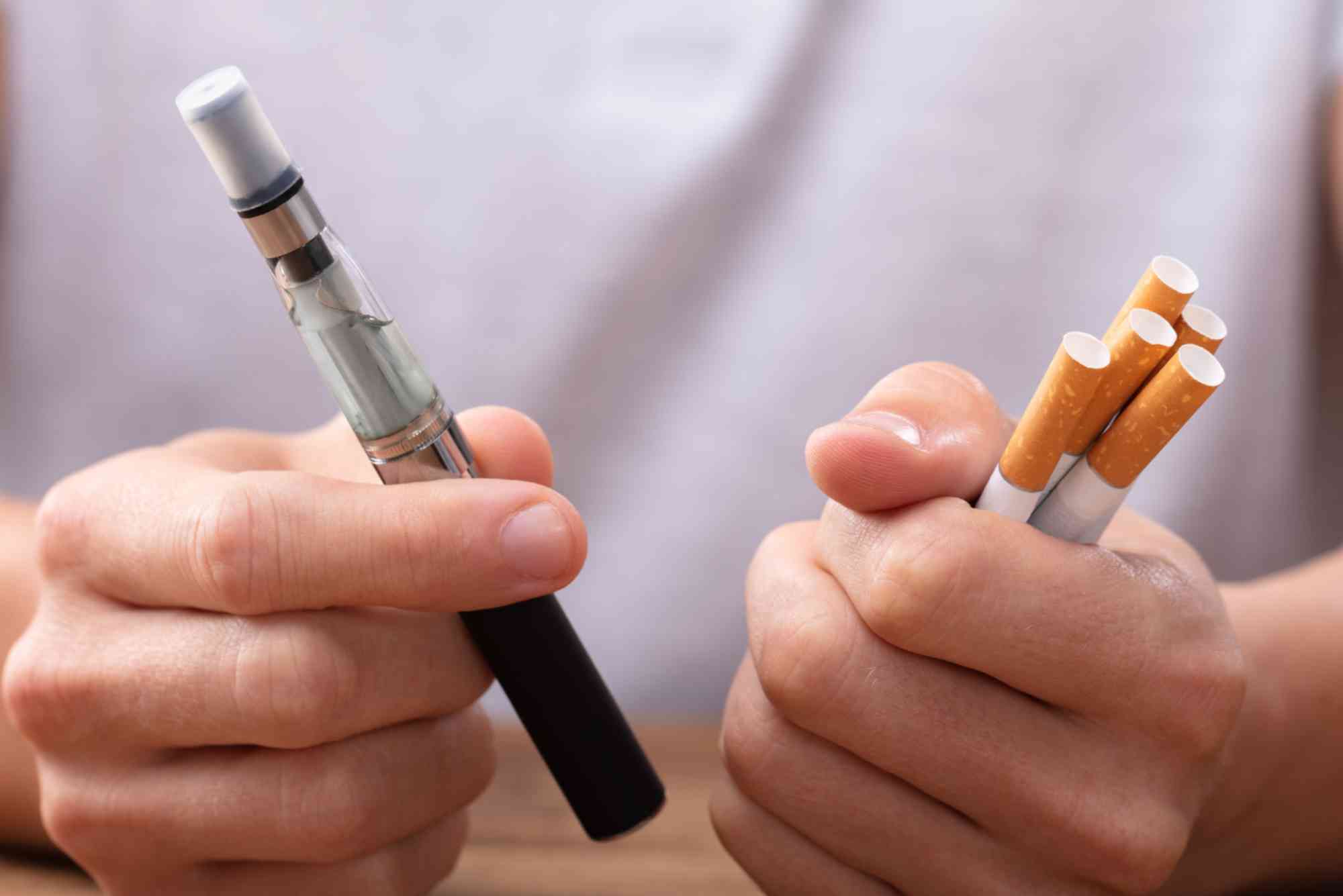
Law vape not working and Harm Reduction: What Every Smoker Should Know
Vaping has grown as an alternative to traditional smoking, offering smokers a potentially safer route. However, many encounter issues such as law vape not working, which can lead to frustration or even reverting to cigarette smoking. Understanding why your vape may fail and how harm reduction plays a role is essential for anyone looking to make the switch safely. This guide will explore common vape issues, safety practices, and how law compliance ensures better health outcomes.
Understanding Law Vape Not Working
Vape devices can malfunction due to multiple reasons. Common issues include battery failure, coil damage, software glitches, or improper maintenance. When your law vape is not working, it can prevent effective nicotine delivery, leading users back to traditional cigarettes. Recognizing these problems early allows users to troubleshoot effectively and avoid unnecessary risks.
Battery and Charging Issues
Most law vapes rely on rechargeable batteries. Problems like failure to charge, weak battery life, or incorrect charging can result in a device not functioning. Always use manufacturer-recommended chargers and avoid overcharging, which can reduce battery longevity and affect performance. Regular inspection of the battery for wear and tear is crucial for safe operation.
Coil and E-Liquid Problems
A burnt or improperly installed coil can make your vape device stop working. Additionally, using low-quality or incompatible e-liquids can damage your device and produce harmful byproducts. Choosing e-liquids with known ingredients and following manufacturer instructions ensures consistent vapor production and reduces exposure to harmful substances.
Firmware and Device Malfunctions
Some advanced law vapes come with firmware to regulate temperature, battery output, or airflow. Malfunctions or outdated software can result in the device failing to operate. Checking the device for updates and resetting it according to the user manual can solve many functional problems. For detailed support, users can refer to Manufacturer troubleshooting & safety notices (example: device support).
The Role of Harm Reduction in Vaping
Harm reduction refers to strategies aimed at reducing negative health effects associated with smoking. Switching to vaping is considered a harm reduction approach because it delivers nicotine without burning tobacco. Understanding this concept is vital for smokers looking to quit or reduce harm.
Nicotine Control and Reduced Exposure
Law vapes allow precise control over nicotine intake, unlike combustible cigarettes. This controlled dosing reduces exposure to tar and carbon monoxide, two primary harmful substances in traditional smoking. Even when your vape is not working correctly, being aware of nicotine control options helps prevent relapse and supports gradual cessation.
Safer Practices for Vaping
Proper device maintenance and following usage guidelines are essential for harm reduction. Using high-quality components, avoiding DIY modifications, and keeping your device clean prevents health risks. Users should also monitor battery health, coil condition, and e-liquid compatibility to ensure a safe vaping experience.
Legal Compliance and Safety
Adhering to vaping laws ensures product safety and protects users from faulty devices. Regulatory standards for e-cigarettes cover manufacturing quality, chemical composition, and device safety. A law-compliant vape is less likely to malfunction or cause harm, emphasizing the importance of using certified devices.
Behavioral Support for Harm Reduction
Harm reduction is not only about the device but also the behavioral approach to smoking. Gradual reduction in nicotine levels, using vaping as a replacement for high-risk cigarettes, and seeking professional guidance improve success rates. Combining device reliability with behavior modification enhances long-term outcomes.
Troubleshooting Common Issues
Understanding the root cause of your vape not working can prevent unsafe practices. Battery connections should be clean, coils replaced regularly, and e-liquids matched to the device specifications. Consulting Manufacturer troubleshooting & safety notices (example: device support) provides step-by-step guidance for common problems and ensures users maintain safety standards.
Preventing Relapse
When your law vape fails, the temptation to return to smoking increases. Keeping backup devices, following maintenance schedules, and understanding proper usage helps maintain commitment to harm reduction. Knowledge about device reliability and legal compliance supports continuous use and reduces health risks associated with combustible tobacco.
Educating Users About Safe Vaping
Education is critical for effective harm reduction. Smokers should understand the difference between low-quality devices and law-compliant products. Proper training on device operation, recognizing early signs of malfunction, and knowing how to address them empowers users to maintain safe habits and avoid harmful exposures.
Law vape not working can be frustrating, but understanding causes, troubleshooting, and following harm reduction principles ensures a safer transition from smoking. Maintaining device integrity, following manufacturer guidance, and using law-compliant products are key strategies for success. Vaping is not risk-free, but informed users can significantly reduce harm.
Take control of your vaping experience by keeping your devices well-maintained Manufacturer troubleshooting & safety notices (example: device support) and always following legal safety standards. Explore resources and updates to stay informed and make safer choices.
Learn how Georgia vaping laws impact smokers and support harm reduction strategies. Staying informed helps vapers make safer choices and understand legal guidelines. For a complete guide on regulations and health tips, visit Georgia vaping laws 2021 and harm reduction today.
Looking for the latest insights, guides, and reviews on vaping, e-liquids, and devices? Explore all you need to know about safe vaping and harm reduction at VapeGrove. Stay informed and make smarter choices by visiting our home page for comprehensive resources and updates.
FAQ Section
Why is my law vape not producing vapor?
This often results from battery issues, a worn coil, or improper e-liquid levels. Cleaning the device and checking components usually resolves the problem.
Can a malfunctioning vape increase health risks?
Yes, a poorly functioning vape may expose users to harmful byproducts. Always follow manufacturer instructions and avoid DIY modifications.
How does vaping support harm reduction?
Vaping eliminates combustion, reducing exposure to tar and carbon monoxide while allowing nicotine control, supporting safer alternatives to smoking.
What should I do if my vape fails repeatedly?
Check for battery health, coil condition, firmware updates, and refer to Manufacturer troubleshooting & safety notices (example: device support) for guidance.
Is using law-compliant devices safer than non-compliant ones?
Yes, regulatory standards ensure safer components, proper chemical content, and device reliability, reducing malfunction risks and health hazards.