
Introduction
Vaping has become a common alternative to smoking across Canada, but its use while driving raises legal and safety concerns. Many drivers ask, is vaping while driving illegal in Canada, and how might this behavior connect to vape battery safety? The answer is more complex than a simple yes or no. While there is no nationwide blanket law specifically banning vaping behind the wheel, several provinces treat it under distracted driving and impaired driving regulations. Beyond the legal framework, vaping while driving can introduce significant risks to battery safety, which is an often-overlooked concern. This article will explore how vaping laws intersect with driving regulations in Canada, what this means for drivers, and how battery safety plays a crucial role in responsible vaping practices.
Understanding the Legal Side of Vaping While Driving in Canada
Canada’s laws regarding vaping and driving vary across provinces and territories. Unlike cigarettes, which have clearer rules, vaping falls into a grey area. The central issue is not only whether it distracts the driver but also whether it contributes to impaired driving conditions. So, when you wonder, is vaping while driving illegal in Canada, the answer depends on where you live and how enforcement is handled.
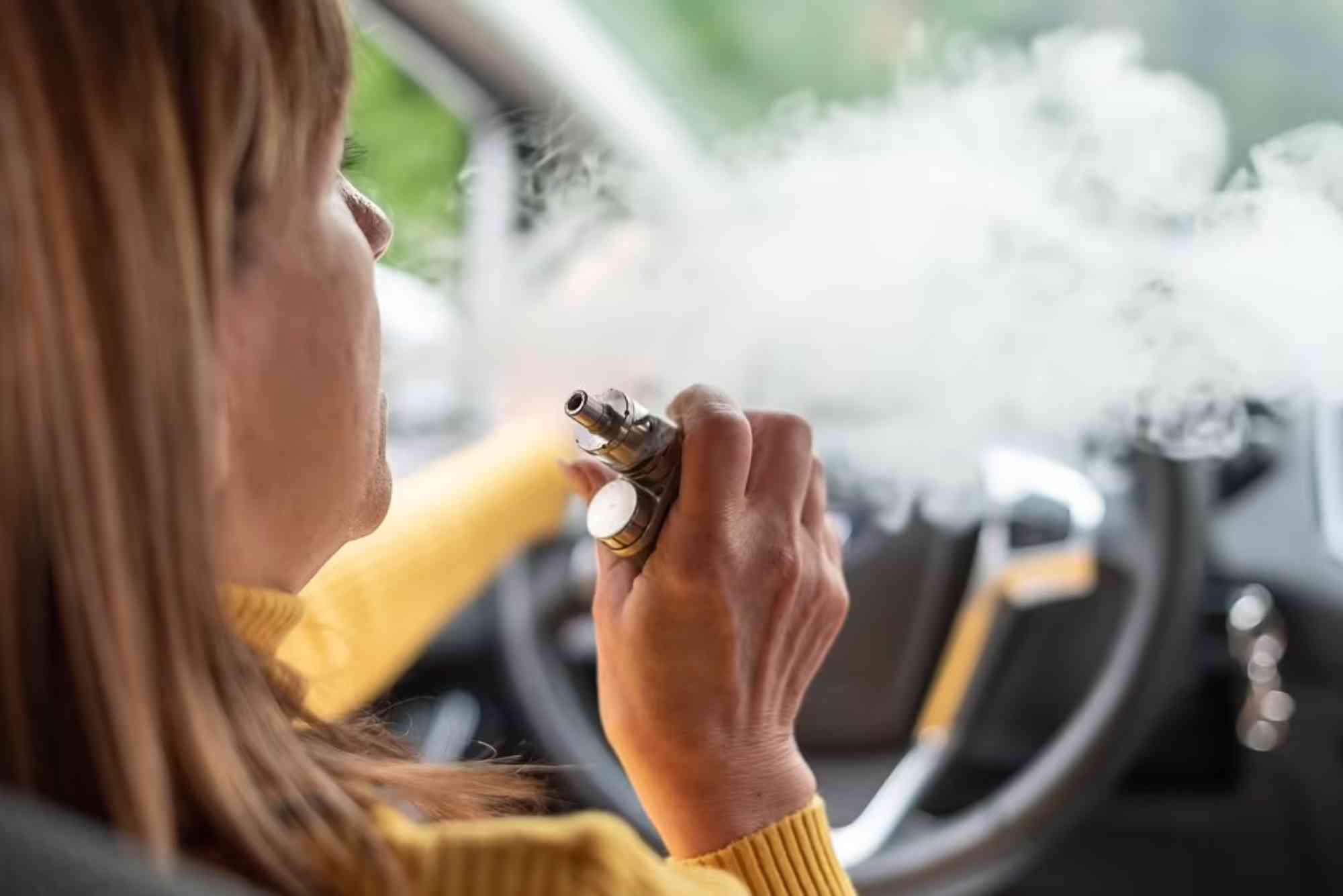
In provinces like Ontario and British Columbia, vaping can be considered a distraction if it takes a driver’s hands off the wheel or eyes off the road. A driver who exhales thick vapor that obscures vision could face fines similar to texting while driving. Similarly, if a vape device contains nicotine or cannabis products, impairment charges may apply if use interferes with safe operation of the vehicle. Therefore, while vaping behind the wheel is not explicitly prohibited everywhere, drivers can face legal consequences if their actions compromise road safety.
How Vaping While Driving Creates Battery Safety Risks
Beyond the legal concerns, vaping while driving introduces another layer of danger that many overlook: vape battery safety. Most vape devices run on lithium-ion batteries. These batteries are efficient but sensitive to heat, improper charging, and misuse. Using a vape device while driving increases the chance of mishandling the battery.
For example, a driver may charge their vape through the car’s USB port while simultaneously using it. Car charging outlets sometimes provide inconsistent voltage, which can stress a lithium-ion battery. Over time, this can lead to overheating or even battery failure. Additionally, keeping a vape in a hot car environment increases the risk of thermal runaway, a condition where the battery overheats uncontrollably. If this happens while driving, the consequences can be severe, ranging from burns to loss of control of the vehicle.
Distraction and Its Hidden Link to Battery Incidents
Many drivers underestimate the distraction vaping creates behind the wheel. Holding a vape, pressing buttons, or adjusting settings all take attention away from driving. Even small distractions can escalate when combined with battery safety risks. For instance, if a device malfunctions or becomes unusually hot, a driver may panic, causing sudden movements or accidents.
This link between distraction and battery safety highlights why asking is vaping while driving illegal in Canada is more than a legal concern. It is a question about personal and public safety. Drivers should understand that a battery mishap while driving does not only damage the vape but also threatens lives on the road.
The Role of Canadian Weather in Vape Battery Safety
Canada’s climate adds another layer of complexity to vaping while driving. Cold winters and hot summers create extreme conditions for lithium-ion batteries. In freezing temperatures, battery efficiency decreases, making the device work harder. Drivers may be tempted to overcharge the battery to compensate, which stresses the device. In contrast, summer heat can cause batteries to overheat, particularly if a vape is left in a parked car.
Using a vape in these conditions while driving only increases risks. A sudden battery failure on icy roads, for instance, could distract a driver enough to cause an accident. Similarly, an overheated battery in summer could release dangerous fumes inside the vehicle. Understanding these seasonal effects is essential for safe vaping practices.
Safe Vaping Practices for Drivers in Canada
If you vape and drive, it is important to adopt safe practices that minimize risks. First, avoid charging vape devices through the car’s outlets while driving. Use manufacturer-approved chargers at home instead. Second, never leave a vape device exposed to direct sunlight or in extremely cold conditions inside the vehicle. Third, always carry spare batteries in protective cases to prevent accidental contact with metal objects such as keys or coins.
While these practices improve safety, the most effective approach is to avoid vaping altogether while driving. Not only does this reduce legal risks, but it also ensures full attention remains on the road. Given the dangers of distraction and battery incidents, the answer to is vaping while driving illegal in Canada should be considered both legally and practically. Even if not explicitly banned, the potential consequences make it a risky choice.
Public Perception and Law Enforcement Trends
Public opinion strongly influences how vaping while driving is treated in Canada. Increasingly, road safety campaigns highlight the dangers of distraction, grouping vaping with texting or eating behind the wheel. Law enforcement officers are also paying closer attention to how vaping affects visibility, especially if thick clouds obscure the driver’s view. This trend suggests that while the laws may not be uniform now, stricter regulations could emerge in the near future.
For drivers, this means staying ahead of the curve. If enforcement grows stricter, those caught vaping while driving may face higher fines and even license suspensions. By understanding the risks today, drivers can avoid becoming part of future statistics or legal penalties.
Vape Battery Maintenance and Canadian Driving Culture
Another aspect to consider is how daily driving routines in Canada affect battery maintenance. Long commutes in urban areas often encourage drivers to use their vape as a way to pass time in traffic. This repetitive use while charging in the vehicle places significant strain on the battery. Over months, this weakens the battery’s ability to hold a charge, increasing the likelihood of malfunction.
In rural areas, where drives are longer and more isolated, the consequences of a vape battery incident could be even worse. Imagine a driver experiencing a battery explosion miles away from emergency services. This underlines why proper maintenance and cautious use are so important. Regularly inspecting the device for damage, replacing old batteries, and avoiding risky driving habits are essential steps.
So, is vaping while driving illegal in Canada? The truth is, it depends. While no universal law prohibits it, the risks are very real. Distracted driving charges, impaired driving implications, and the serious dangers linked to vape battery safety all make vaping while driving a dangerous practice. Beyond legality, the responsibility lies with individual drivers to protect themselves and others on the road.
If you are a vaper, take steps today to prioritize safety. Avoid charging or using your vape device while driving, respect the power of lithium-ion batteries, and always remain focused behind the wheel. The safest choice is to treat vaping like texting: something that can wait until the vehicle is safely parked. By doing so, you not only protect your health but also contribute to safer Canadian roads.
FAQs
Is vaping while driving considered distracted driving in Canada?
Yes, in many provinces vaping while driving can fall under distracted driving laws if it takes attention away from the road.
Can you get fined for vaping while driving in Ontario?
Yes, if vaping interferes with safe driving or visibility, you may receive fines similar to those for using a phone while driving.
Does vaping while driving affect car insurance in Canada?
Potentially, yes. If you cause an accident while distracted by vaping, your insurance rates could increase significantly.
Can vaping batteries explode while driving?
Yes, lithium-ion batteries can fail if overheated or overcharged, especially when using car chargers or exposing devices to extreme temperatures.
What is the safest way to use a vape in Canada?
The safest way is to avoid vaping while driving, charge devices at home with proper chargers, and store batteries in protective cases.