
Introduction
Across the UK, concerns about youth vaping have grown. Teens discuss flavours, devices, and risks online. At the same time, adults ask, Is vaping illegal under 18 in UK? The short answer is yes: selling vapes to under‑18s is illegal. But how the law works, why it exists, and what it means in real life are less simple questions.
Understanding these points matters. Misunderstanding the law can lead to poor choices and risks for young people. This article explains the legislation, health context, enforcement, myths, and practical steps families can take.
What Does the Law Say?
Legal Age and Sales
In the UK, you must be 18 or older to buy any nicotine product, including vapes with or without tobacco. This rule comes from the Tobacco and Related Products Regulations 2016. Under these laws, it is an offence to sell vaping products to under‑18s. You can read more on GOV.UK — age-of-sale rules for nicotine products to understand the exact wording and updates.
This applies to shops, online sellers, and marketplaces. Retailers must check ID if they are unsure about someone’s age.
Possession vs. Purchase
It’s important to distinguish between possession and purchase. The law makes it illegal to sell to under‑18s, but simply possessing a vape under 18 is not a criminal offence. However, schools and local policies may discipline students with devices.
Advertising and Promotions
UK rules also limit how vaping products can be marketed. They cannot be targeted at children. Bright cartoon characters, games, and youth influencers can breach advertising regulations.
Why Was the Law Created?
Protecting Developing Brains
Teen brains are still forming, especially in areas that control decision‑making and impulse control. Nicotine, the addictive chemical in most vapes, changes brain chemistry. Early addiction makes quitting harder and increases future dependency.
Reducing Gateway Risk
Some public health experts worry that vaping may lead young people to try cigarettes. While evidence is still emerging, restricting access aims to reduce this potential path.
Balancing Adult Harm Reduction
The UK recognises vaping as less harmful than smoking for adults who already smoke. That’s why adult access is legal. But for under‑18s, there is a clear public health priority to prevent nicotine uptake.
Is the Risk Real or a Myth?
What Research Shows
Studies show that many teens try vaping, and some continue regularly. Patterns vary by region and socioeconomic group. Evidence indicates that when products are easily available, more youth use them.
Nicotine exposure at a young age has measurable effects on brain development. That means the risk is not just theoretical.
Enforcement Gaps
Critics say the law isn’t enforced well everywhere. Some shops may fail to check ID. Online sellers might ship devices with weak age verification. These gaps give the impression that Is vaping illegal under 18 in UK is a myth because teens can get vapes.
But the legal framework is clear. Any failure is about compliance, not legal ambiguity.
Social and Peer Pressure
Part of the “myth” perception comes from peer culture. Teens talk openly about vaping, share devices, or buy through older friends. This social spread can make it feel normal or risk‑free.
However, moderation and education reduce this risk by teaching young people about real harms and consent.
How Is the Law Enforced?
Retail Compliance Checks
Authorities conduct test purchases and inspections. If a shop sells to someone under 18, it can face fines or prosecution. Repeat violations may lead to licence issues or closure.
Online Retail Scrutiny
Online retailers must implement robust age verification. This includes age checks at delivery, digital verification tools, and clear warnings. Failure to comply can lead to enforcement action.
School and Campus Policies
Schools often prohibit possession and use on premises. Students may face disciplinary steps, even if they haven’t broken national law. This reinforces the message that vaping is not appropriate for minors.
Community Policing
Local councils and policing teams may run awareness campaigns and interventions. They work with retailers and schools to reduce youth access.
Health Risks Youth Should Know
Nicotine Addiction
Nicotine is addictive. Once the brain is accustomed, quitting becomes difficult. Teens have lower tolerance and may vape more frequently than adults.
Respiratory Effects
Vaping aerosol contains chemicals and fine particles that irritate lungs. Some young users report wheezing, coughing, or asthma flare‑ups.
Unknown Long‑Term Effects
Vaping has not been studied long enough for long‑term health conclusions. Unknown risks are part of why caution is advised.
Risk of Poisoning
Refill liquids can be harmful if ingested or absorbed through skin, especially for young children.
Myths vs. Facts
Vapes Are Completely Safe
Fact: Vapes are less harmful than cigarettes for smokers, but not harmless. Nicotine and additives pose real risks.
Teen Vaping Laws Don’t Matter
Fact: Laws shape behaviour and access. Where enforcement is stronger, youth use tends to be lower.
Flavours Are Harmless Fun
Fact: Flavours attract under‑age interest. Some ingredients may cause irritation or inflammation when inhaled.
Only Smoking Causes Harm
Fact: While smoking is more dangerous, vaping still affects lungs and the heart, especially for developing bodies.
Why Young People Vape
Curiosity and Trends
Teens are curious. Novel devices, flavours, and social media can make vaping attractive.
Peer Influence
Friends and social groups influence experimentation. If peers vape, others often join.
Misunderstanding of Risk
Many young people believe vaping poses no health risk. Education helps correct this gap.
Stress and Coping
Some teens use vaping to cope with stress or anxiety. Safer coping strategies are essential.
Tips for Parents and Caregivers
Talk Openly
Discuss vaping and laws without judgment. Ask what teens know and correct myths.
Set Clear Expectations
Explain that under‑18 vaping is prohibited and why it matters for health.
Know the Devices
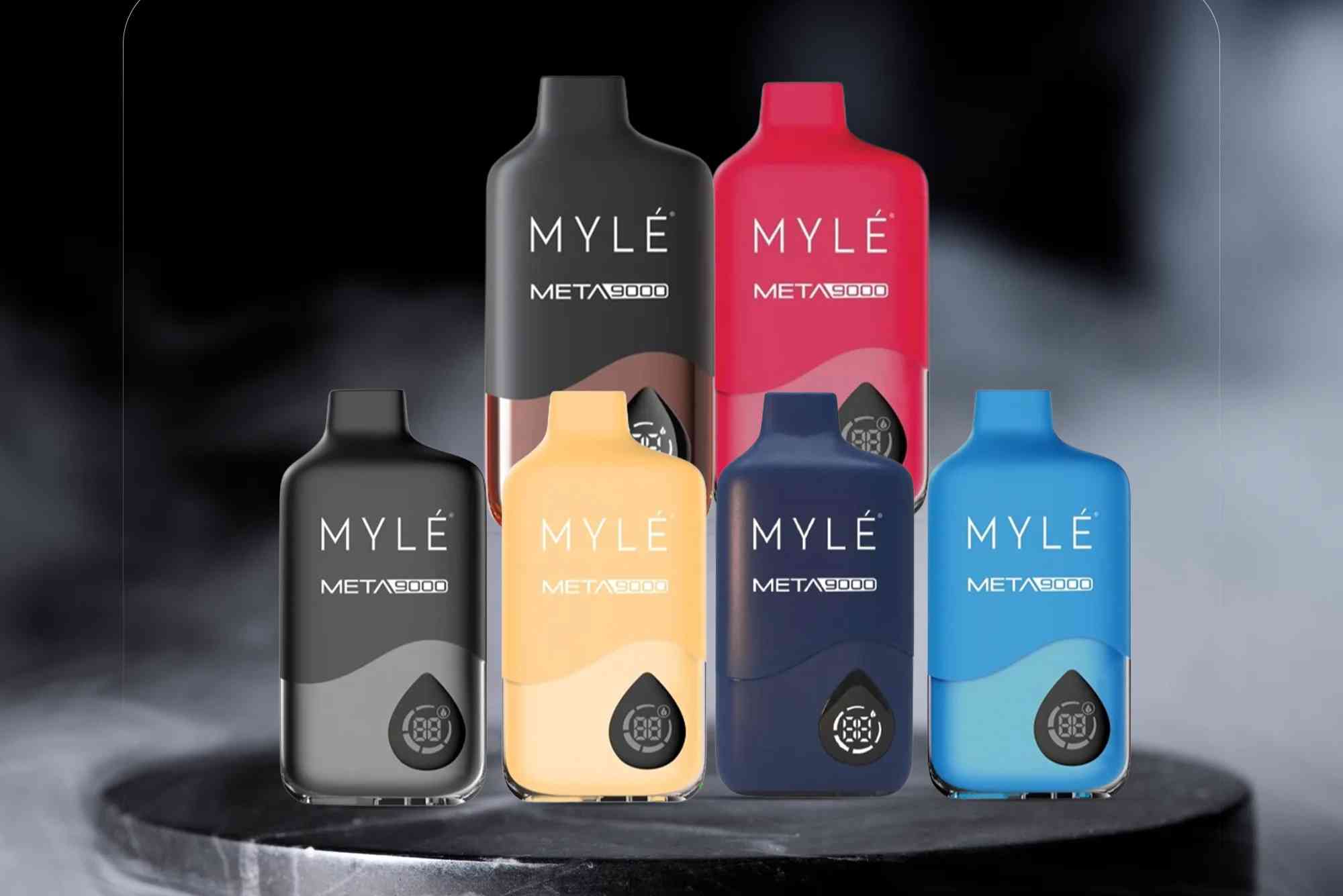
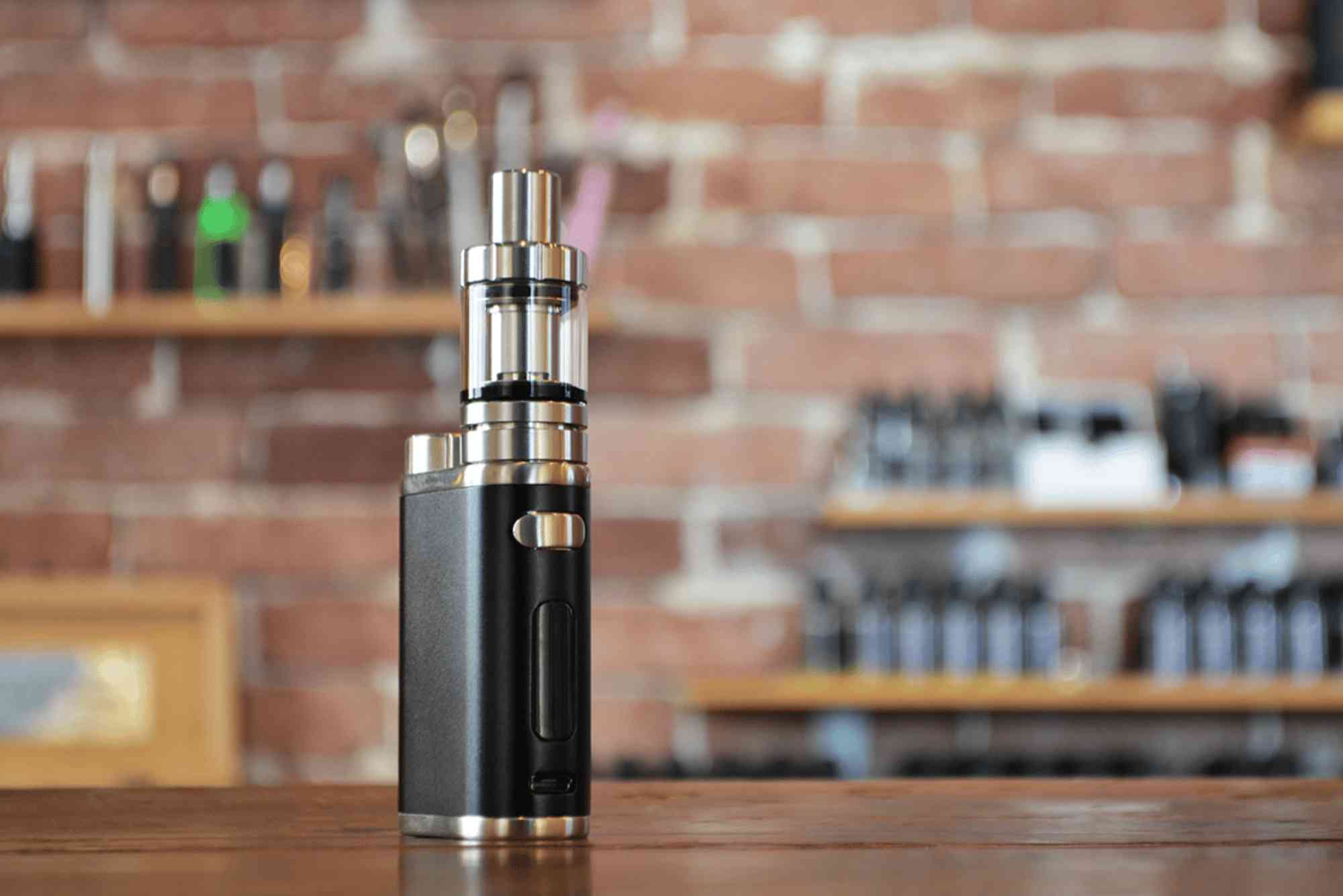
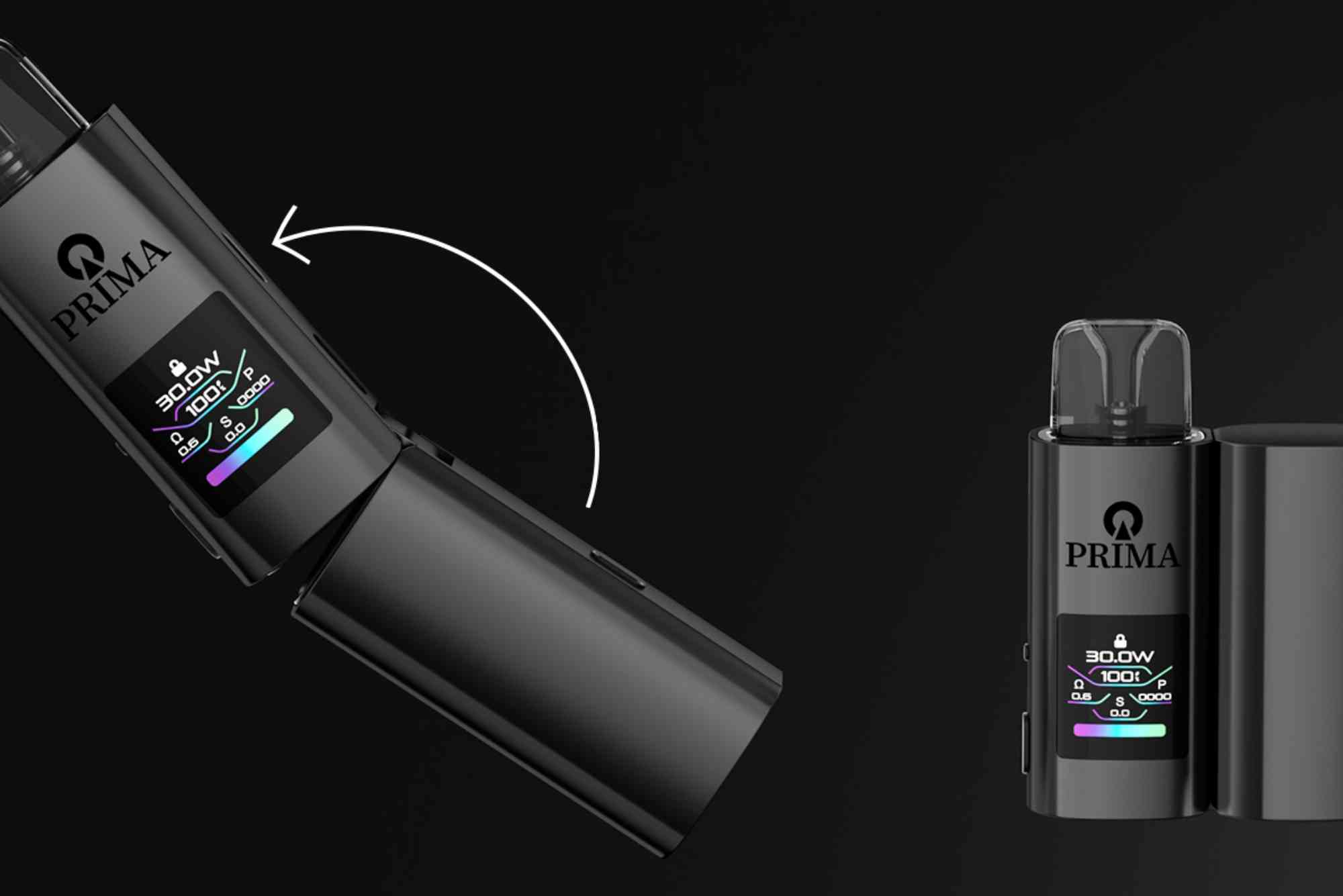
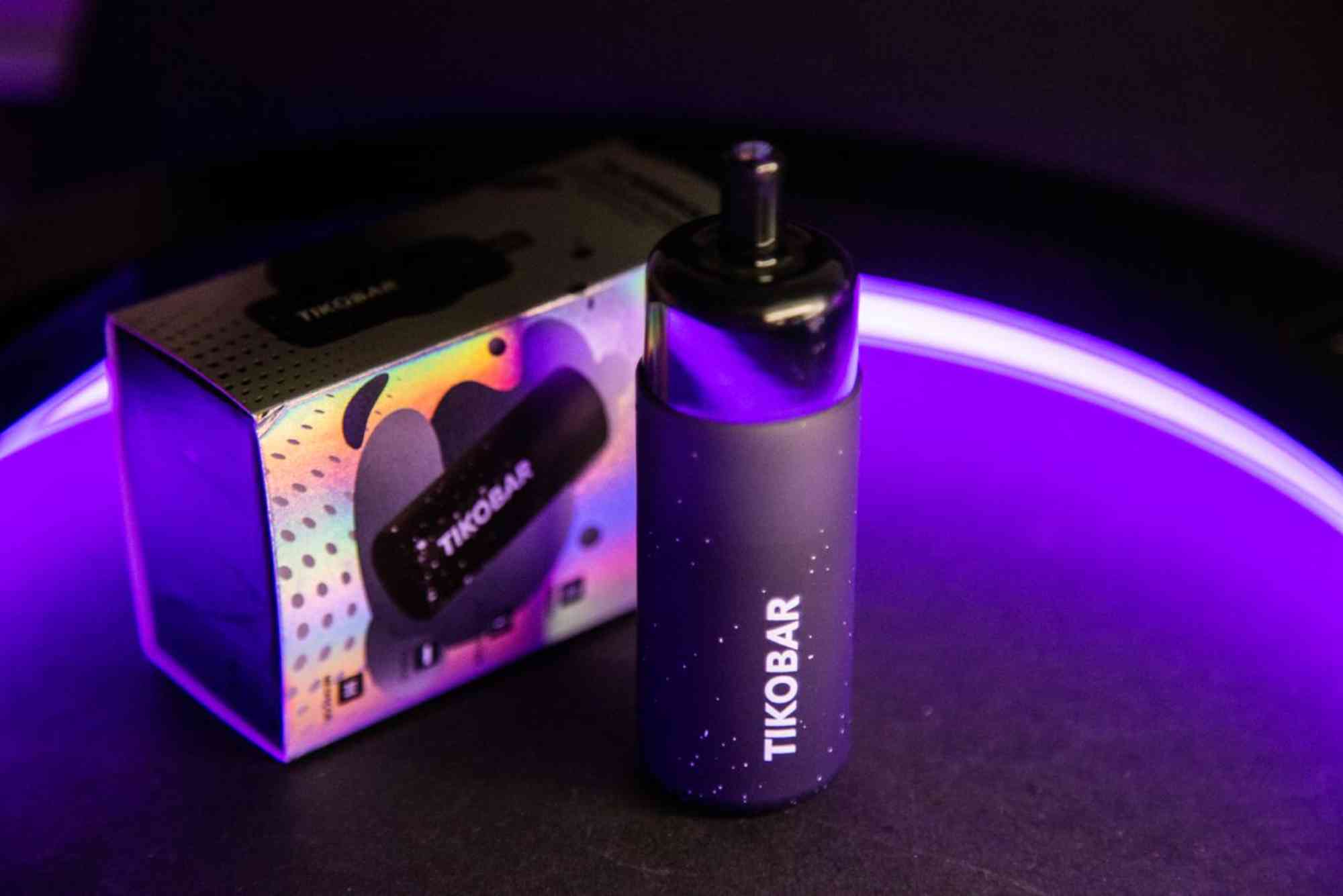
Familiarise yourself with types of devices and where teens might buy or share them.
Support Healthy Habits
Encourage sports, hobbies, and stress coping tools that don’t involve nicotine.
Seek Help if Needed
If a teen shows signs of addiction, talk to a healthcare provider. Early support improves outcomes.
School and Community Roles
Education Programs
Schools play a vital role in explaining risks and the law. Evidence‑based programs have strong impact.
Parental Engagement
Schools and families working together create consistent messaging about vaping and health.
Policy Enforcement
Clear campus policies with supportive interventions reduce adolescent vaping.
What Teens Should Know
Know the Law
Understanding that Is vaping illegal under 18 in UK isn’t a myth helps you make informed decisions.
Recognise Risks
Nicotine, lung irritation, and addiction are real concerns, not scare tactics.
Make Informed Choices
Choose healthier ways to manage stress and social life.
Respect Age Rules
Follow legal age rules and avoid sharing or possessing devices at school.
So, Is vaping illegal under 18 in UK a real vape risk or just a myth? The legal answer is clear: it is illegal to sell vaping products to under‑18s. The perceived myth only exists because enforcement varies and social dynamics make access seem easy.
But the risk is real. Teen vaping has health implications. The law exists to protect young people. Schools, families, and communities all play a role in supporting positive choices.
FAQs
Is it illegal to vape under 18 in the UK?
Yes. It is illegal to sell vapes to anyone under 18 in the UK. Possession isn’t criminal, but sale and supply are prohibited.
What happens if a shop sells vapes to under 18s?
Shops can be fined or prosecuted. Repeat offences can lead to tougher penalties and loss of license.
Can schools discipline students for vaping?
Yes. Schools have their own rules and can take disciplinary action if students vape on premises.
Are there health risks to vaping for teens?
Yes. Nicotine addiction, lung irritation, and unknown long‑term effects make vaping risky for young people.
How can parents talk to teens about vaping?
Use open, non‑judgmental conversations. Explain risks and laws, and listen to what teens say.