
Introduction
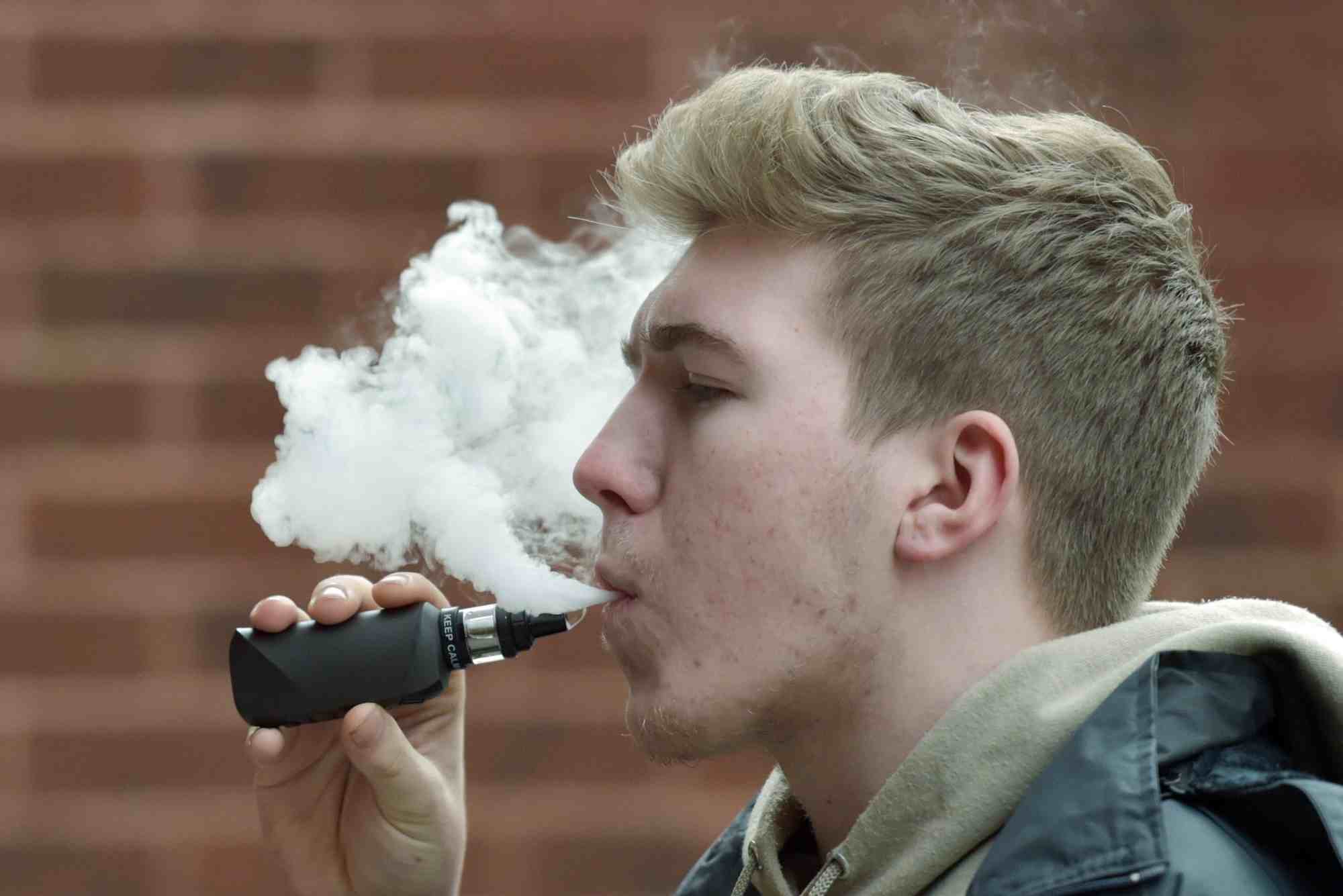
The question “Is vaping illegal for 14 year olds?” is one many parents, teachers, and even teens ask today. Vaping has surged in popularity, especially among young people who often see it as a safer alternative to cigarettes. Yet the laws, health risks, and harm-reduction strategies paint a more complex picture. Understanding these details matters, especially for adults trying to guide teens or smokers looking for safer choices.
This guide explains current age laws, why vaping appeals to teens, and how harm-reduction works for adults who smoke. It also connects you to trusted National youth tobacco law resources through UNICEF and WHO to help you stay informed and support young people effectively.
Understanding Whether Vaping Is Illegal for 14-Year-Olds
Vaping laws vary by country, but nearly all nations restrict vaping products for minors. That includes device sales, e-liquids, and nicotine cartridges.
Why Laws Prohibit Vaping for 14-Year-Olds
Governments set age limits to protect youth from addiction. Nicotine affects the developing brain. A 14-year-old’s brain is still wiring key decision-making centers. Early use increases the chance of long-term dependency. These laws aim to reduce exposure during these critical years.
What the Law Looks Like in Most Countries
Most regions ban the sale of vapes to anyone under 18. Some push the limit to 21. Even if shops ignore the rules, the legal age requirement remains. Many countries also ban advertising that may appeal to minors. Authorities enforce stiff penalties for retailers who sell to underage buyers.
How These Rules Apply to a 14-Year-Old
A 14-year-old cannot legally buy, own, or use vaping products in most countries. While penalties often target sellers rather than teens, the activity still breaks age-restriction laws. Any adult who supplies vapes to a minor can also face legal consequences.
If you want official global references, explore National youth tobacco law resources such as UNICEF’s youth protection pages available at:
UNICEF
Why Teens Begin Vaping Despite the Laws
Teens often try vaping for reasons unrelated to addiction. For many, it begins with curiosity or social pressure. Understanding their motivation helps adults guide them better.
Peer Influence and Social Media
Social platforms promote vape culture through trends and influencers. Videos and posts glamorize clouds, flavors, and vape tricks. A teen might try it to fit in or avoid feeling left out.
Fruit and Candy Flavors
Flavors make vaping feel harmless. Teens see fruity and sweet blends as less risky than tobacco flavors. These impressions often mask the real addiction potential.
Misunderstanding the Risks
Many young people believe vaping is just “water vapor.” They do not realize most liquids contain nicotine or chemicals that irritate the lungs. Some assume vaping is legal for them because they see others doing it openly.
Harm Reduction: What Every Smoker Should Know
While vaping is unsafe for 14-year-olds, harm reduction plays a different role for adult smokers. The goal of harm reduction is not to encourage vaping. Instead, it focuses on safer choices for adults who already smoke and are trying to quit or reduce harm.
What Harm Reduction Means
Harm reduction aims to lower risks when someone cannot quit immediately. It recognizes that people transition away from smoking at different speeds. Methods include nicotine patches, gums, prescription medications, and supervised vape use for adults.
Why Vaping Appears in Harm Reduction Discussions
Compared to cigarettes, regulated vaping products expose users to fewer toxins. That does not make them risk-free. It simply means that for adult smokers, controlled vaping may be less harmful than burning tobacco. Many health agencies support harm-reduction tools to reduce long-term smoking damage.
When Vaping Helps an Adult Smoker
Some adults use vaping as a step-down method. It allows them to reduce nicotine over time. Others switch to vaping to avoid smoke, ash, and tar that damage the lungs. Still, the goal should always be to quit entirely, either through gradual reduction or medically guided plans.
The Difference Between Adult Harm Reduction and Teen Vaping
Parents often struggle to understand why vaping is framed as less harmful for adults but highly dangerous for teens. The difference lies in two key areas: brain development and addiction patterns.
Adolescent Brain Development
Nicotine disrupts pathways for memory, concentration, and impulse control. These pathways harden in early adulthood. That is why early nicotine use leads to stronger and faster addiction.
Long-Term Dependency
Teens who begin vaping often transition to cigarettes later. Adults quitting cigarettes move in the opposite direction. Public health strategies reflect this reality.
Regulatory Intent
Laws aim to protect minors but allow adult smokers access to harm-reduction tools. These laws are built on scientific studies of addiction risks by age group.
Health Risks Every Smoker and Teen Should Understand
Even adults using vapes for harm reduction need full awareness of the risks involved.
Respiratory Irritation
Vape aerosols can irritate the lungs. Some people experience coughing or shortness of breath. Oils, flavors, and additives may worsen these effects.
Nicotine Dependence
Nicotine addiction affects adults as well. Anyone using high-strength liquids risks maintaining long-term dependency. Reducing nicotine levels gradually helps prevent this.
Contaminated or Unregulated Products
Products without quality testing contain unknown chemicals. Using regulated devices reduces risk but does not eliminate harm. Teens often buy from informal sellers, raising the danger further.
How Parents and Guardians Can Talk to Teens About Vaping
Open and honest conversations help prevent teen vaping. Blame often shuts teens down, while guidance encourages responsibility.
Ask Questions, Don’t Accuse
Ask what they know about vaping. Listen to their reasons without judgment. Understanding their perspective builds trust.
Share Real Health Facts
Explain how nicotine affects their brain, mood, and focus. Teens respond better when you explain risks with science rather than fear tactics.
Show Them Reliable Sources
Share global youth-protection resources like UNICEF’s guidance. Trusted information strengthens your message and counters misinformation they may find online.
Harm Reduction for Adults: Practical Tips
Adults seeking to reduce harm should follow evidence-based approaches.
Start With Medical Advice
Doctors offer personalized guidance for quitting smoking. They can help choose tools such as patches or controlled vape plans.
Use Regulated Products Only
Avoid black-market liquids or devices. Stick to brands with quality testing and transparent ingredients.
Reduce Nicotine Gradually
Start at a level similar to your cigarette use. Lower the nicotine step by step until you reach zero.
Set a Clear Quit Plan
Harm reduction is a path, not a destination. Plan when and how you will transition from vaping to quitting altogether.
FAQs
Is it illegal for a 14-year-old to vape?
Yes. Most countries ban vape sales and use for minors. This includes 14-year-olds.
Can a minor get in trouble for vaping?
Penalties usually target sellers, but some regions issue warnings or fines to minors caught with vapes.
Why is vaping harmful for teens?
Nicotine harms the developing brain. It affects memory, concentration, and mood regulation in teens.
Is vaping safer than smoking?
For adults who smoke, vaping may reduce exposure to harmful chemicals. It is not safe, but it can be less harmful.
What is the safest way to quit smoking?
Doctor-guided plans, nicotine replacement therapy, and structured quit programs offer the best success rates.
The question “Is vaping illegal for 14-year-olds?” reflects growing concern about youth vaping. Laws protect teens from addiction and long-term harm. At the same time, adult smokers benefit from harm-reduction tools when used responsibly. Whether you’re guiding a teen or trying to quit smoking yourself, informed choices matter.
If you want expert-verified information, explore global National youth tobacco law resources (example: UNICEF/WHO youth protection page) from organizations like UNICEF at.