
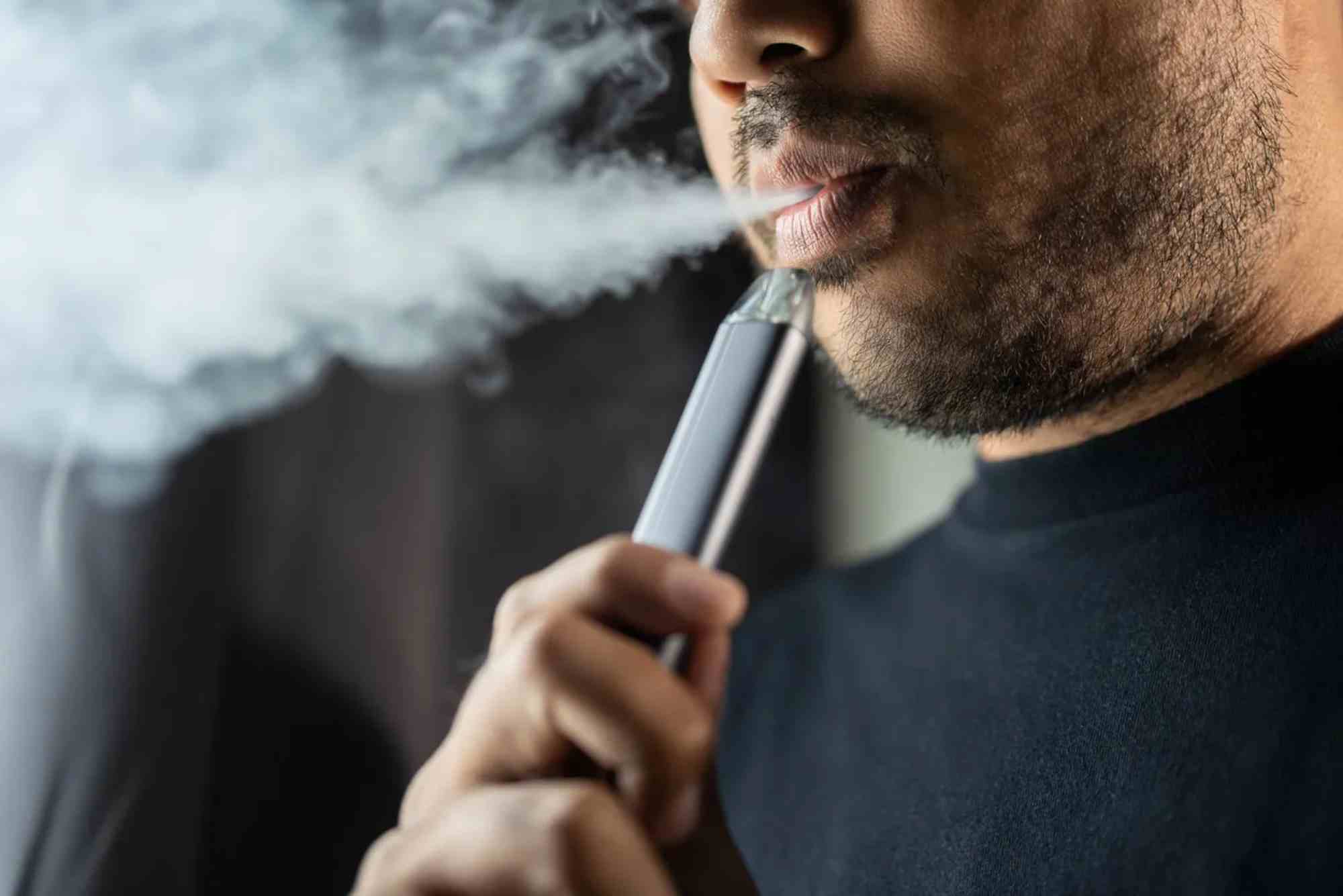
Is Vapes are illegal a Real Vape Risk or Just a Myth?
Vaping has surged in popularity over the past decade, often promoted as a safer alternative to smoking. Yet, many people wonder: “Is vapes are illegal a real vape risk or just a myth?” Understanding the legality and potential risks of vaping is essential for both new and experienced users. This article dives into the laws, health concerns, and common misconceptions surrounding vaping.
Understanding the Legality of Vapes
Global Vape Regulations
Vaping laws vary widely across the world. In some countries, e-cigarettes are fully legal, while in others, they are banned or restricted. For example, countries like Brazil and Singapore prohibit sales entirely, whereas the UK and US allow regulated sales for adults. These rules are designed to protect public health while providing alternatives to traditional smoking.
WHO — list & analysis of national bans on e-cigs
The World Health Organization (WHO) provides guidance on vaping regulations, tracking countries with complete bans versus those with controlled use. Reviewing this list helps understand why legality differs globally and the rationale behind these restrictions.
Legal Risks for Consumers
Possessing or using e-cigarettes in countries where they are banned can lead to fines, confiscation, or even legal action. However, in regions where vaping is legal, regulations focus on age restrictions, nicotine levels, and labelling requirements. Understanding these laws reduces risk and ensures responsible vaping.
Health Risks vs Myths
Real Health Concerns
While vaping is often marketed as safer than smoking, it is not risk-free. Studies indicate potential issues such as:
- Respiratory irritation
- Nicotine addiction
- Possible long-term cardiovascular effects
However, research shows that vaping generally exposes users to fewer harmful chemicals than traditional tobacco.
Common Myths About Vaping
Some believe vaping is harmless, while others assume all e-cigarettes are illegal. Key myths include:
- Myth 1: Vaping causes the same cancer risk as smoking. Reality: Most harmful chemicals in tobacco smoke are absent in e-cigarettes.
- Myth 2: All vapes are illegal. Reality: Legal status depends on the country and regulations in place.
- Myth 3: Vaping is risk-free for teens. Reality: Nicotine can affect developing brains and create addiction.
By separating myths from facts, users can make informed decisions about vaping.
Understanding Vaping Products
Types of Vapes
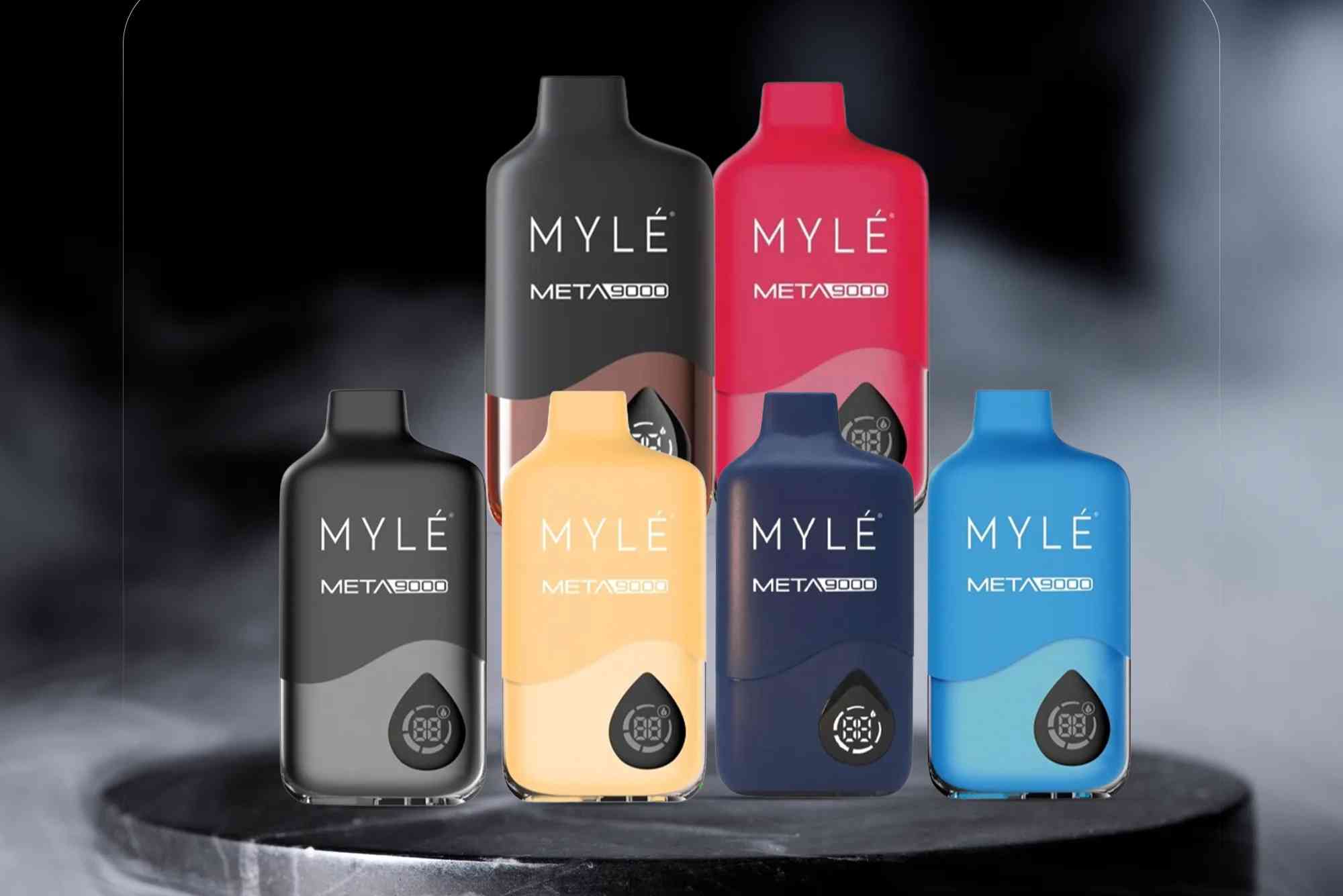
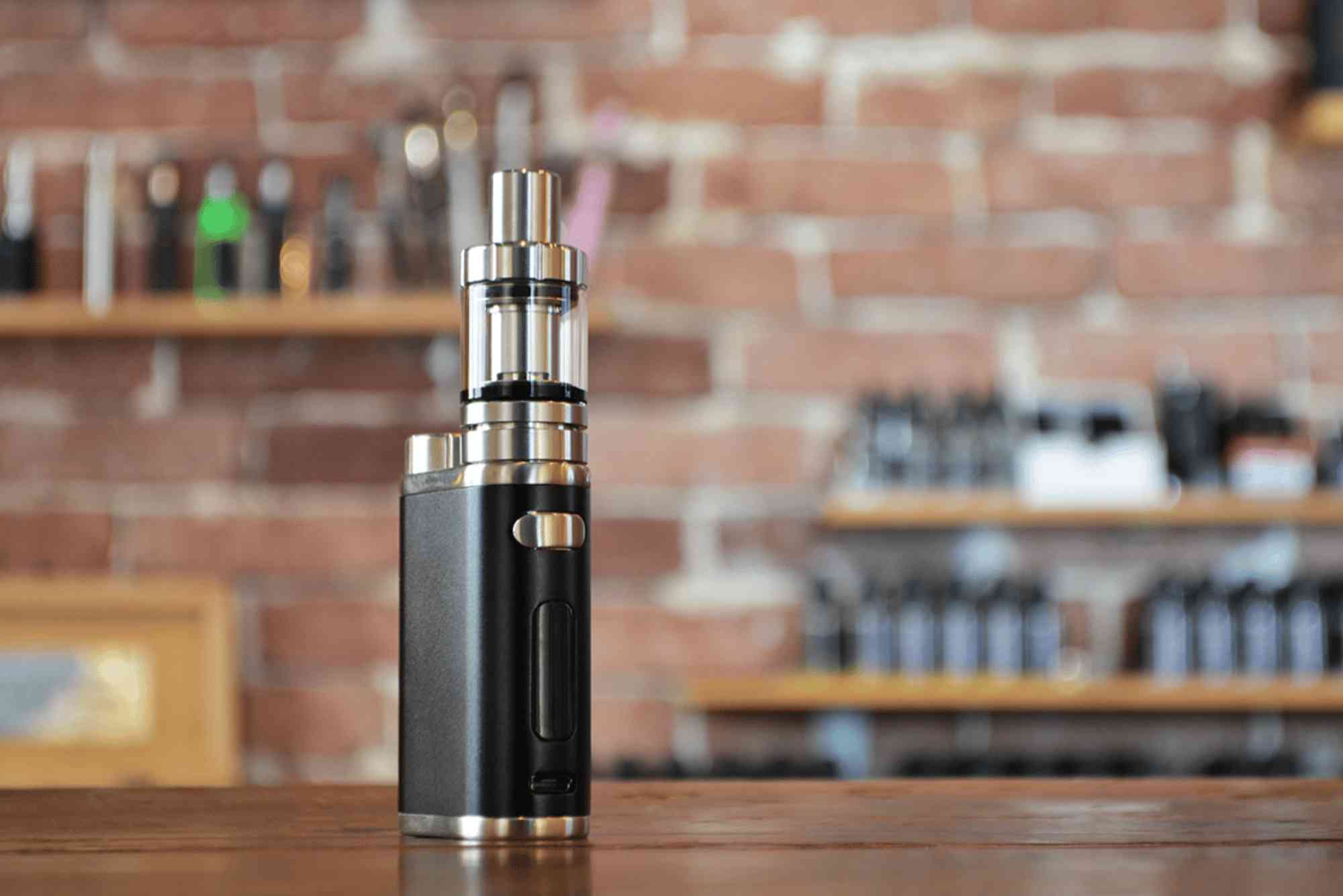
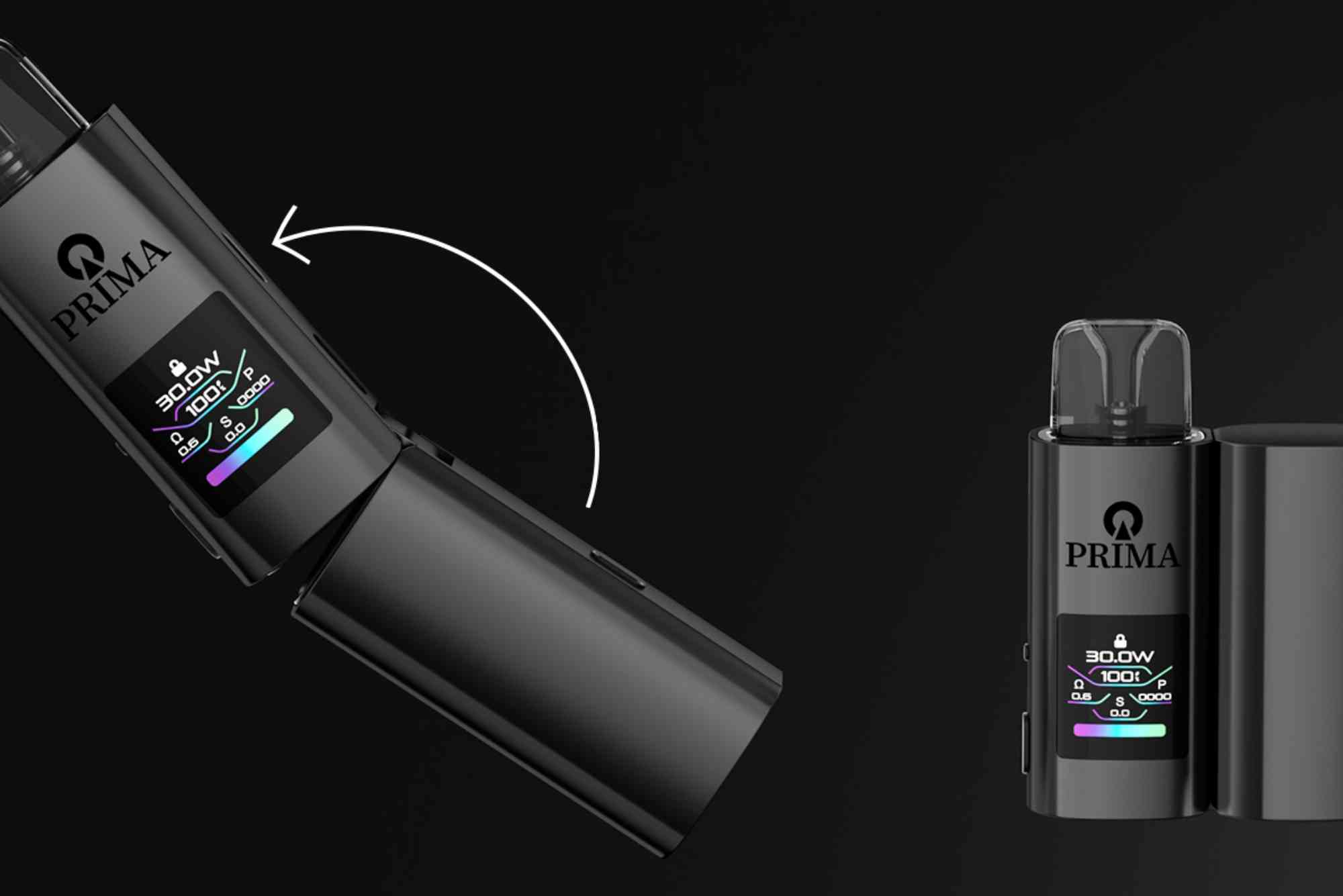
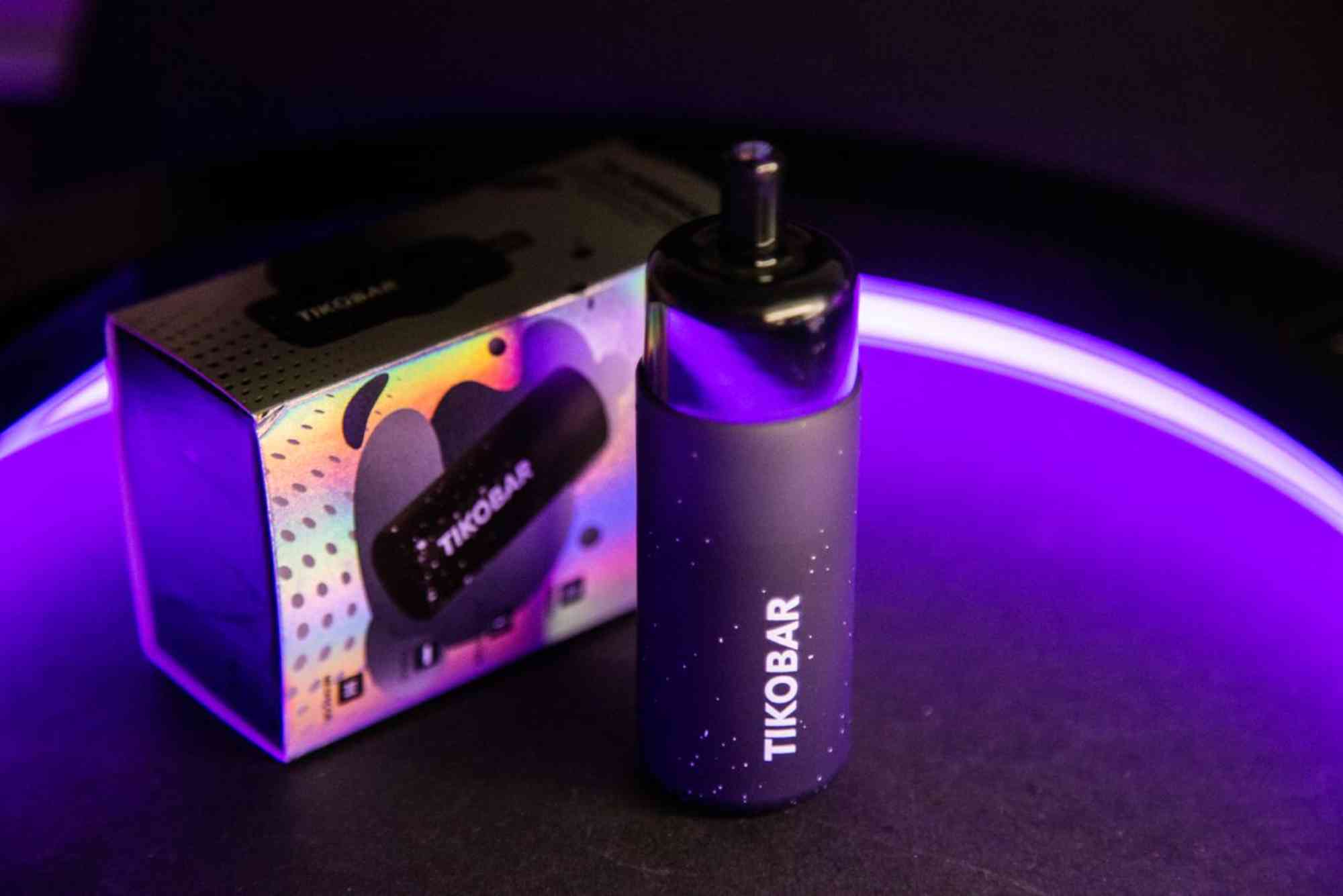
Vaping devices vary widely, from disposable e-cigarettes to refillable mods. Differences in nicotine levels and chemical composition can affect both safety and legality. Users should always check product labels and local regulations before purchase.
Nicotine Levels and Safety
Nicotine concentration impacts addiction risk and potential side effects. WHO — list & analysis of national bans on e-cigs Some countries limit nicotine content to reduce harm, while others have no restrictions. Understanding these rules helps prevent accidental legal or health issues.
Regulatory Measures and Safety
Age Restrictions
Most countries with legal vaping enforce minimum age limits, often 18 or 21. Selling to minors is illegal and carries heavy penalties.
Product Standards
Safety standards include:
- Childproof packaging
- Labelling of ingredients
- Testing for harmful chemicals
These measures aim to reduce health risks while allowing adult smokers to transition safely.
Advertising and Marketing Controls
Advertising restrictions exist to prevent promotion to children and non-smokers. These rules are key in reducing societal exposure to nicotine products.
Public Perception and Social Risks
Stigma Around Vaping
Despite its popularity, vaping still faces social stigma in some regions. Misunderstandings about legality and health risks contribute to negative perceptions.
Peer Influence
Adolescents are particularly vulnerable to peer pressure, making education about safe use and legal limits crucial.
Myth or Real Risk?
So, is vapes are illegal a real vape risk or just a myth? The answer depends on context:
- Legal perspective: In some countries, vaping is illegal, and possession carries real consequences.
- Health perspective: While vaping is safer than smoking, it is not risk-free. Nicotine addiction and lung irritation are real risks.
- Misconception: Not all vapes are illegal, and many myths exaggerate the dangers.
Being informed about the laws and understanding the health risks allows responsible use.
Stay informed, check your local laws, and prioritise safety. If you’re considering vaping as a smoking alternative, consult healthcare professionals for advice.
Is Are vapes illegal in Dubai a Real Vape Risk or Just a Myth? Many wonder if vaping in Dubai is truly risky. While e-cigarettes and nicotine products are regulated, using or importing them without authorization can lead to fines or legal issues. The health risks of vaping exist, but the “legal danger” depends on strict adherence to UAE laws.
FAQ
Is vaping illegal everywhere?
No, vaping legality varies by country. Some nations fully ban e-cigarettes, while others regulate sales for adults.
Can I get fined for vaping in public?
Yes, in some countries and regions, using vapes in public spaces or banned zones can result in fines.
Are vapes safer than cigarettes?
Generally, yes. Vapes contain fewer harmful chemicals than tobacco, but they still carry nicotine and health risks.
Can teens legally vape?
No. Most countries with legal vaping enforce age restrictions of 18 or 21 to prevent teen use.
Does vaping cause cancer?
Vaping is less likely to cause cancer than smoking. Long-term risks are still being studied, but most harmful tobacco chemicals are absent.
How do I check if vapes are legal in my country?
Consult national health authorities, government websites, or WHO guidance on e-cigarette regulations.