
Introduction
Vaping has become a popular alternative to smoking across Canada, and Ontario is no exception. But with the rise of vaping comes questions about safety, legality, and enforcement. Many individuals ask: Is Ontario vape laws a Real Vape Risk or Just a Myth? Understanding these laws is crucial for both casual vapers and those considering vaping as a safer alternative. In this article, we will explore Ontario’s vape regulations, the potential risks, and the myths surrounding vaping legislation.
Understanding Ontario’s Vape Laws
Ontario has implemented strict vaping regulations to protect public health, especially among youth. The laws cover product sales, advertising, usage locations, and age restrictions. While some perceive these regulations as overbearing, they are designed to reduce the harms associated with nicotine and unregulated products.
Age Restrictions and Access
In Ontario, the minimum legal age to purchase vape products is 19. Retailers must verify identification and follow strict rules to prevent underage sales. This law is not just a suggestion—it is enforced through inspections and penalties for non-compliance.
The rationale is straightforward: young people are more susceptible to nicotine addiction and potential health risks. By restricting access, the government aims to reduce early exposure, which can have long-term consequences.
Advertising and Promotion Controls
Ontario bans advertising that targets youth or presents vaping as glamorous. This includes restrictions on social media promotions, influencer marketing, and youth-focused imagery. The idea is to prevent vaping from being perceived as a harmless lifestyle choice, particularly among impressionable teenagers.
Usage Restrictions
Vaping is prohibited in enclosed public spaces, workplaces, and near school grounds. These rules aim to protect non-smokers from secondhand aerosol exposure. They also reinforce the understanding that vaping, while often marketed as safer than smoking, is not entirely risk-free.
Product Regulations
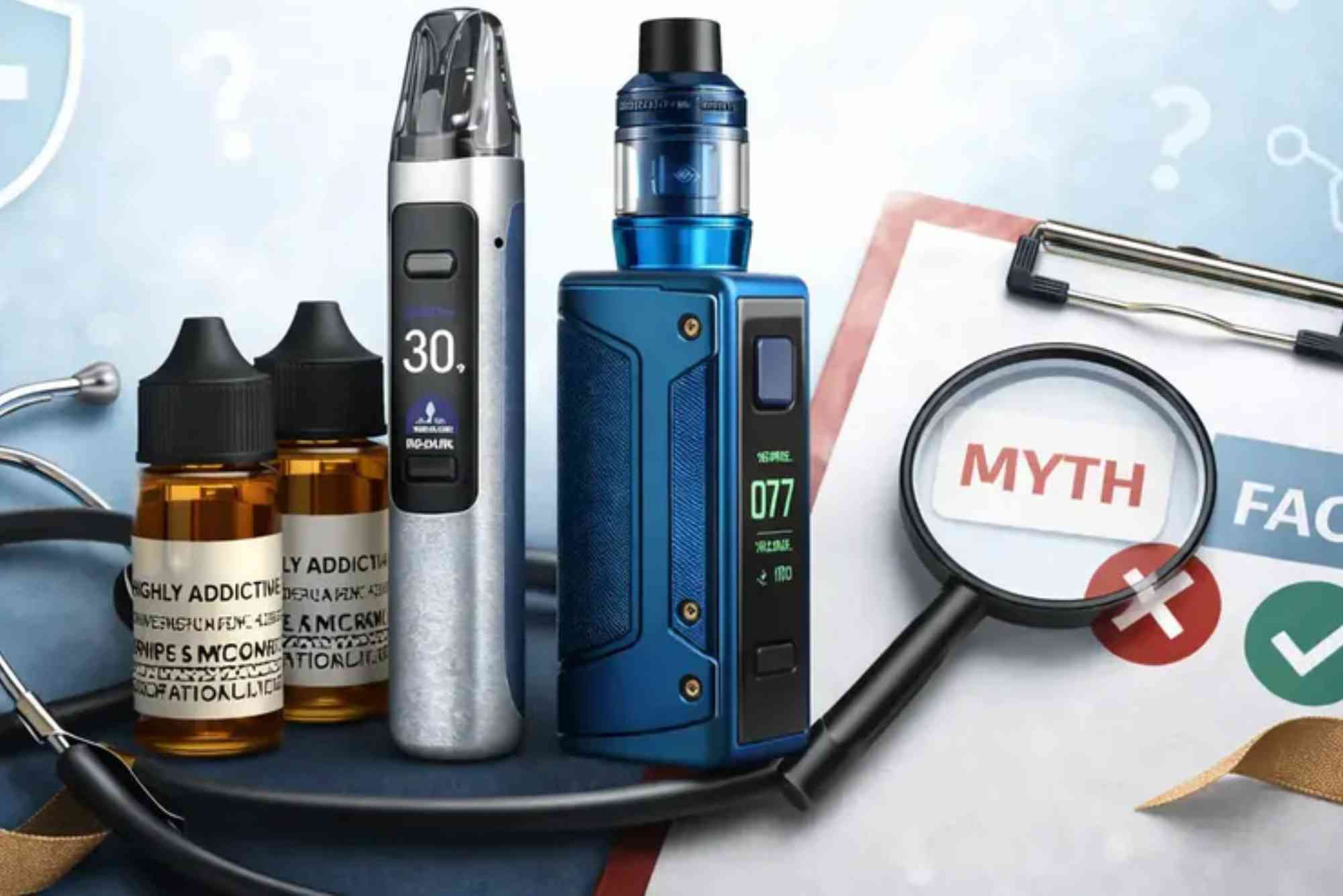
Ontario requires vape products to meet safety standards, including proper labeling of nicotine content and potential health warnings. This reduces the risk of exposure to dangerous chemicals that may be present in unregulated or homemade products.
Are Ontario Vape Laws a Real Risk?
Understanding the intent behind Ontario’s vape laws helps clarify whether they pose a genuine risk or are based on myths. Some critics argue that strict regulations overstate the dangers of vaping. Others claim these laws are necessary to prevent public health crises.
The Health Perspective
Vaping is widely considered less harmful than smoking cigarettes, but it is not harmless. Nicotine addiction, respiratory irritation, and potential long-term effects remain concerns. Ontario’s laws acknowledge these risks while allowing adult smokers to use regulated vape products as a cessation tool.
Myths About Vaping Enforcement
A common myth is that the law punishes casual adult vapers unnecessarily. In reality, enforcement primarily targets underage sales, illegal products, and improper advertising. Adults who comply with regulations are unlikely to face penalties, making the perceived “risk” less severe than many believe.
The Role of Unregulated Products
The real danger often lies in unregulated vape products. Black-market cartridges, homemade e-liquids, or imported items without proper labeling can contain harmful substances. Ontario’s regulations focus on these risks by requiring strict safety standards for products sold legally.
How the Laws Impact Vape Users
For responsible users, Ontario’s vaping laws are more protective than punitive. Compliance ensures safety, reduces exposure to harmful chemicals, and supports overall public health goals.
Responsible Purchasing
By buying from licensed retailers, users can trust that products meet safety standards. This minimizes the risk of contamination or unexpected chemical exposure.
Safe Usage Practices
Following the law’s restrictions on public vaping encourages safer use. For example, avoiding vaping in enclosed spaces reduces exposure to non-users and reinforces social responsibility.
Legal Awareness
Knowing the law helps prevent fines or legal complications. For instance, understanding age restrictions, advertising rules, and product labeling requirements ensures vapers remain compliant and informed.
Debunking Common Vape Myths in Ontario
Myth 1: Ontario Vape Laws Are Overly Strict
While some believe the laws are excessive, they are designed to balance adult use with public safety. The regulations primarily target youth access and unregulated products, not responsible adult users.
Myth 2: Vaping Is Completely Safe
No inhaled substance is risk-free. Ontario’s laws acknowledge that vaping carries potential health risks, particularly with nicotine exposure. Compliance with regulations reduces these risks.
Myth 3: Enforcement Is Arbitrary
Inspections and enforcement actions follow clear guidelines. Authorities focus on illegal sales, unregulated products, and violations of advertising rules. Responsible adults who follow the law are generally unaffected.
Ontario’s Approach to Public Health and Education
Education plays a key role in Ontario’s vape regulations. Programs aim to inform youth and adults about the risks and safe practices associated with vaping. This proactive approach helps reduce misconceptions and promotes informed decision-making.
School and Community Initiatives
Schools in Ontario integrate vaping education into health curricula. These programs teach students about nicotine addiction, chemical exposure, and how to make informed choices. Community initiatives further reinforce awareness among parents and caregivers.
Government Resources
Vapers and the public can access Ontario Legislative Resources — vaping rules & enforcement. These resources provide detailed information about compliance, product safety, and legal requirements. Accessing official information ensures users rely on accurate guidance rather than rumors or myths.
The Bottom Line: Risk or Myth?
So, is Ontario vape laws a real vape risk or just a myth? The answer is nuanced. The laws themselves do not create health risks. Instead, they mitigate risks associated with vaping, particularly among youth and users of unregulated products.
For adults who follow the rules, Ontario’s vape laws are protective, not punitive. They provide a framework for safe usage while maintaining public health standards. The perception of “risk” is often rooted in misunderstandings or fear of government oversight rather than actual legal danger.
Key Takeaways
- Ontario’s vape laws focus on youth protection, product safety, and public health.
- Compliance reduces exposure to harmful chemicals and legal penalties.
- The real risk comes from unregulated products, not the legislation itself.
- Myths about arbitrary enforcement or overregulation are largely unfounded.
Understanding Ontario’s vape laws helps clarify their purpose and reduces confusion. For responsible users, these regulations offer protection, safety, and guidance. Whether you vape occasionally or use it as a smoking cessation tool, staying informed ensures compliance and health safety.
To learn more about Ontario’s vaping rules, product safety, and enforcement measures, explore Ontario Legislative Resources — vaping rules & enforcement. Stay informed, stay safe, and make responsible choices in your vaping journey.
Many vapers wonder about the safety of popular brands, and “Is Law of attraction vape juice a Real Vape Risk or Just a Myth” explores this concern. While marketed as safe, some ingredients may pose health risks if misused or sourced from unverified suppliers. Understanding the composition and proper use helps separate fact from myth, guiding users toward informed vaping choices. Always prioritize verified products and safety guidelines.
FAQ
What is the legal age to buy vape products in Ontario?
A: The minimum age is 19 years. Retailers must verify ID for all purchases.
Are there restrictions on where I can vape in Ontario?
A: Yes, vaping is banned in enclosed public spaces, workplaces, and near schools.
Can advertising vape products target adults?
A: Advertising must not appeal to youth. Adult-targeted advertising is allowed if it follows rules.
What are the risks of using unregulated vape products?
A: Unregulated products can contain harmful chemicals, inaccurate nicotine levels, and potential contaminants.
Are penalties enforced for adults who comply with vape laws?
A: Generally no. Enforcement focuses on underage sales, illegal products, and advertising violations.
Explore the latest in vaping trends, flavors, and devices at VapeGrove. From premium e-liquids to cutting-edge vape kits, VapeGrove offers quality products for every vaper. Stay updated with expert reviews, tips, and guides to enhance your vaping experience. Discover your next favorite vape today by visiting the homepage: and elevate your vaping journey with trusted insights and products.