
Introduction
Vaping has become a global trend, but with popularity comes confusion. One question many ask today is: Is Law of attraction vape juice a Real Vape Risk or Just a Myth? In this article, we break down the facts, separate myth from reality, and reveal what science and health experts say about this controversial topic.
Understanding whether a particular vape juice is dangerous or just rumor involves science, regulations, and real-world data. We’ll explore all of that in clear terms, helping you make safer choices based on evidence—not fear or marketing claims.
In recent years, claims around certain vape juices have sparked heated debates online and in social circles. One such debate centers around Law of attraction vape juice—specifically whether it carries actual health risks or if these concerns are exaggerated myths.
This question matters because millions of people vape worldwide. As a result, understanding the truth behind safety claims isn’t just interesting—it’s essential for your health.
In this article, we’ll dive deep into science, regulatory standards, user experiences, and public health findings. By the end, you’ll be better equipped to decide whether Law of attraction vape juice deserves caution or skepticism.
What Is “Law of Attraction Vape Juice”?
Understanding the Term
The phrase “Law of attraction vape juice” is often used informally. It doesn’t refer to a specific scientific category or approved product type. Instead, it’s a marketing or social media term that implies vaping products that somehow deliver mood enhancement or personal benefits beyond nicotine.
This leads many to ask: are claims about such vape juices real, overblown, or misleading?
Why This Topic Matters
People turn to vaping for various reasons—quitting smoking, stress relief, or social habits. When a product claims to promise more than basic nicotine delivery, it naturally raises questions about safety.
As such, it is vital to examine whether these claims are supported by facts.
How Vaping Is Regulated
Vape Juice Composition Standards
Before judging specific products, it helps to understand how vape juice is regulated.
In many countries, vape additives and e-liquids must comply with safety standards. Regulatory bodies review ingredients and enforce marketing rules. For example, the FDA — labeling, marketing and ingredient enforcement plays a key role in monitoring vape products to help protect consumers.
Clear labeling and accurate ingredient lists are legal requirements in several regions, intended to prevent misinformation.
Scientific Evidence: Vape Juice Risks Explained
Inhalation vs. Ingestion: Big Difference
Many people assume that if something is safe to eat, it must be safe to inhale. That’s not true. Inhaling chemicals—especially when heated—can produce entirely different breakdown products.
This is one reason scientists remain cautious when evaluating the safety of new vape juices.
Common Harmful Compounds in E-Cigarettes
Research has shown that some vape aerosols contain:
- Formaldehyde and acetaldehyde
- Volatile organic compounds
- Ultrafine particles
- Heavy metals from coils
These are associated with respiratory irritation and long-term lung stress.
Although many vape juices do not contain these at high levels, the basic mechanism shows that vaping is never risk‑free.
Specifics on “Law of Attraction” Claims
Now let’s address the main question: Is Law of attraction vape juice a Real Vape Risk or Just a Myth?
Because this label is not standardized, its risk cannot be judged in isolation. Instead, risk depends on:
- Ingredients present
- How the juice is made
- What happens when it is heated
If a vape juice includes unstudied or novel compounds, especially flavor chemicals not meant for inhalation, risk becomes more real, not myth.
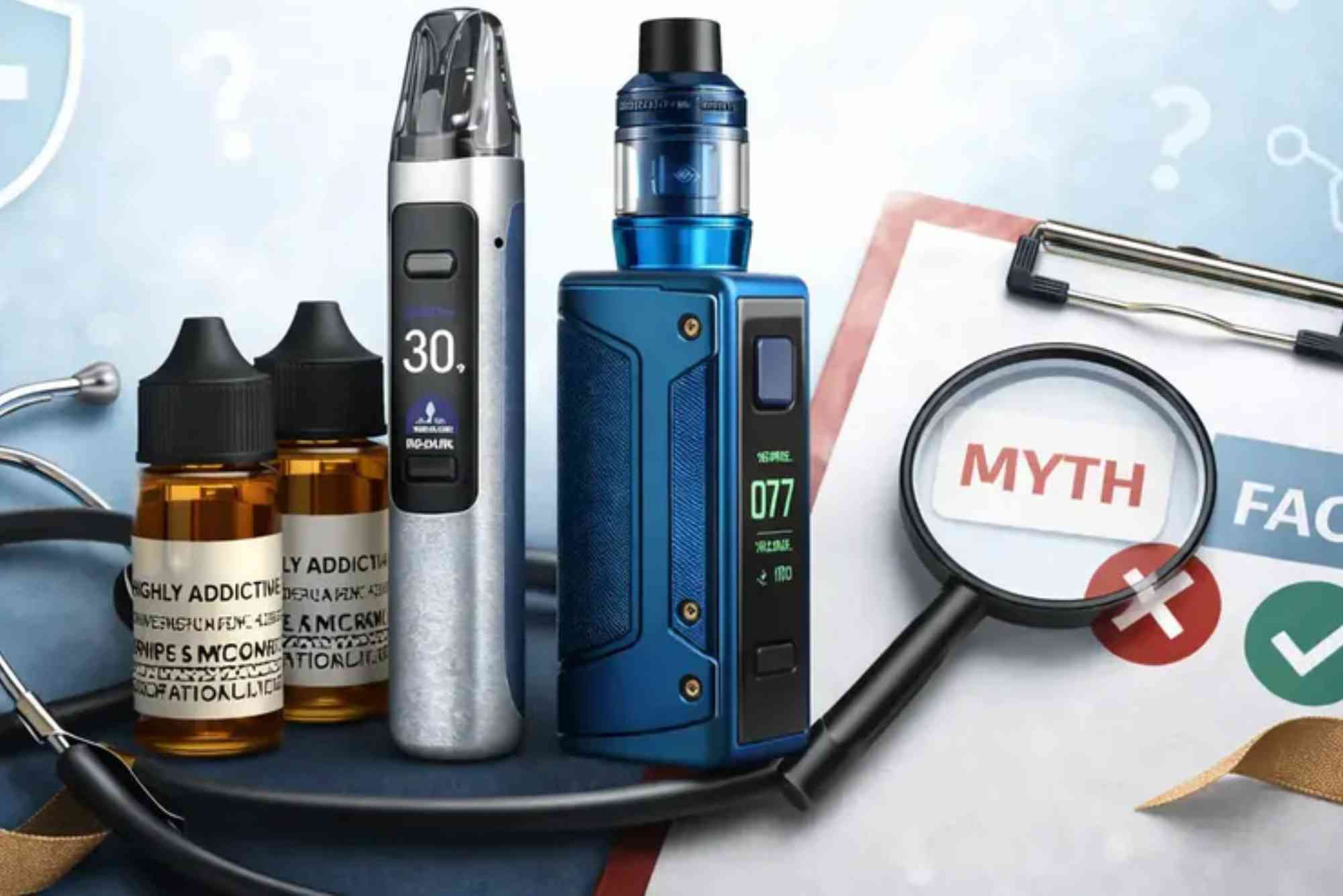
Myth vs. Reality: Sorting Through Common Misconceptions
Myth 1: If Everyone Uses It, It Must Be Safe
Popularity does not equal safety. Many harmful products were once widely used before science revealed risks. Just because a vape juice is viral or trendy doesn’t make it harmless.
Myth 2: Natural Means Safe
Marketing often uses “natural” to create a false sense of safety. Natural essential oils and aromas can be irritating or toxic when inhaled. For example, cinnamon oils may be pleasant to smell but harmful in aerosol form.
Reality: Risk Levels Vary
Not all vape juices carry the same risk. Nicotine levels, ingredient purity, chemical reactions during heating, and user behavior all influence harm.
Thus, yes—Law of attraction vape juice could be risky, depending on its actual makeup. It’s not automatically safe just because it has a catchy name or promise.
What Science Says About Vaping Harm
Long-Term Health Effects Still Under Study
Unlike traditional cigarettes, vaping has not been studied over decades. This means scientists are still learning its long‑term impact. Some early findings link vaping to:
- Increased lung irritation
- Potential cardiovascular effects
- Changes to immune responses
The degree of risk varies by product, frequency of use, and individual health.
Case Studies and Reports
There have been documented cases of lung injury associated with vaping, especially when users consume products with unknown additives or illicit ingredients. This underscores that unregulated or poorly tested vape juices pose higher risk.
User Experiences: What Vapers Say
Positive Reports
Some vapers report satisfaction with their devices and juices, including unique flavors or sensations. Many use vape juice as a tool to reduce cigarette consumption. Positive experiences can reduce stigma but shouldn’t replace scientific caution.
Negative Reports
Others report coughing, throat irritation, headaches, or persistent lung discomfort. Some users specifically note symptoms after trying new or oddly marketed vape juices.
While self‑reports have limitations, they highlight variability in how individuals react to different formulations.
How to Reduce Vape Risks
Inspect Ingredients Carefully
Avoid products with vague or unlisted ingredients. Known compounds are far easier to evaluate.
Choose Reputable Manufacturers
Brands that invest in transparent third‑party testing often offer safer products. Avoid black‑market or poorly labeled juices.
Monitor Your Health Closely
Notice any new symptoms after vaping. If issues arise, stop use and consult healthcare professionals.
Stay Updated With Health Guidelines
Regulatory bodies update safety advisories. Following them helps you stay informed about emerging risks.
Debunking the “Law of Attraction” Label
Marketing vs. Mechanism
The term “Law of attraction” is more about marketing than chemistry. It taps into psychological appeal but doesn’t guarantee physiological benefit. In science, no vape juice has been shown to attract good health outcomes like mindfulness or improved well‑being simply by its name.
Risk Comes From Chemistry
Danger relates to compounds, not slogans. When evaluating risk, always ask:
- What chemicals are present?
- Are they tested for inhalation safety?
- How does heat change them?
These questions matter much more than catchy branding.
So, Is Law of attraction vape juice a Real Vape Risk or Just a Myth?
The answer is nuanced. Because “Law of attraction” isn’t a standard product category, risk depends entirely on what’s inside the bottle. If it contains untested or unsafe ingredients, yes—risk is real. If it is transparent and tested, risk may be similar to any other vape juice, but not nonexistent.
In other words, don’t judge safety by name or anecdote. Look at science, regulation, and quality control.
Are illegal THC vaping cartridges truly dangerous, or is it just hype? Many users overlook the hidden risks of unregulated products, which may contain harmful additives, synthetic chemicals, or contaminants. These can lead to severe lung issues and health complications. Understanding the dangers helps vapers make safer choices and avoid potential harm. Learn more about the risks of illegal THC vapes here.
Frequently Asked Questions
Does vaping “Law of attraction” juice cause immediate health problems?
Short‑term symptoms like coughing or irritation can occur, especially with new or unfamiliar flavors. Long‑term effects are still under research.
Can vape juice ingredients be harmful when heated?
Yes. Heating can change chemical structure and produce new compounds, some of which may be toxic when inhaled.
Is there any scientific proof that “Law of attraction” juices are safe?
No standardized studies exist that specifically validate this label. Safety claims must be evaluated on a product‑by‑product basis.
Should I avoid flavored vape juices altogether?
Not necessarily, but you should choose products with transparent ingredient lists and avoid additives not meant for inhalation.
How can I tell if a vape juice is high quality?
Look for third‑party testing results, clear ingredient disclosure, and compliance with regulatory standards.
Explore the latest in vaping trends, flavors, and devices at VapeGrove. From premium e-liquids to cutting-edge vape kits, VapeGrove offers quality products for every vaper. Stay updated with expert reviews, tips, and guides to enhance your vaping experience. Discover your next favorite vape today by visiting the homepage: and elevate your vaping journey with trusted insights and products.