
Introduction
“Is Is minor vaping illegal a Real Vape Risk or Just a Myth?” is a question many parents, educators, and young people are asking. With the rise of vaping culture worldwide, concerns about legality and health impacts have grown. Some believe minor vaping is a harmless trend. Others argue it poses real legal and health dangers. In this article, we explore whether minor vaping is illegal, why it might be a risk, and where myths and facts diverge.
We’ll unpack the legal framework, health effects, social implications, and prevention strategies. We also include FAQs to answer common concerns. By the end, you’ll better understand whether “Is Is minor vaping illegal a Real Vape Risk or Just a Myth?” is rooted in reality or misconception.
What Is Vaping?
Definition of Vaping
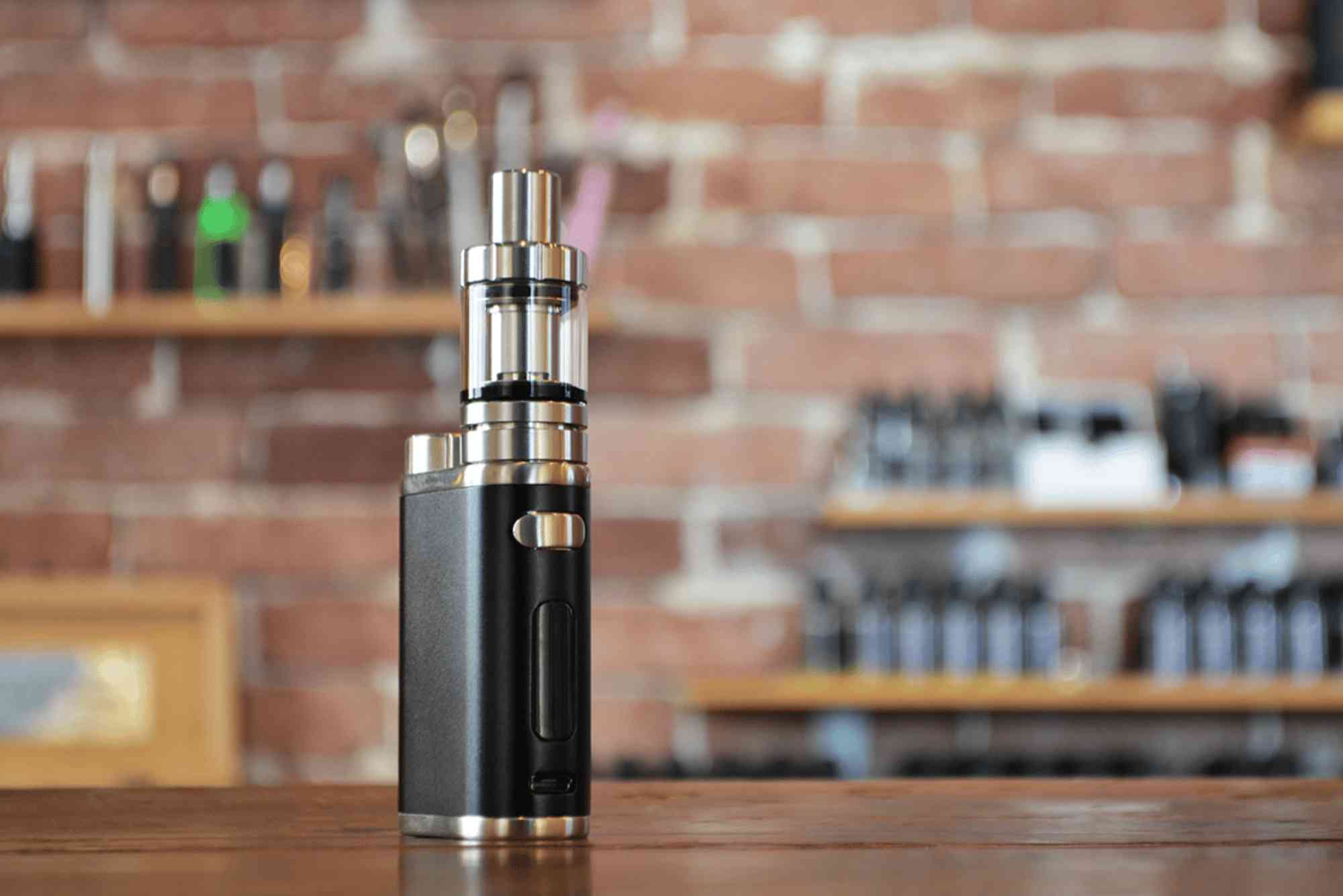
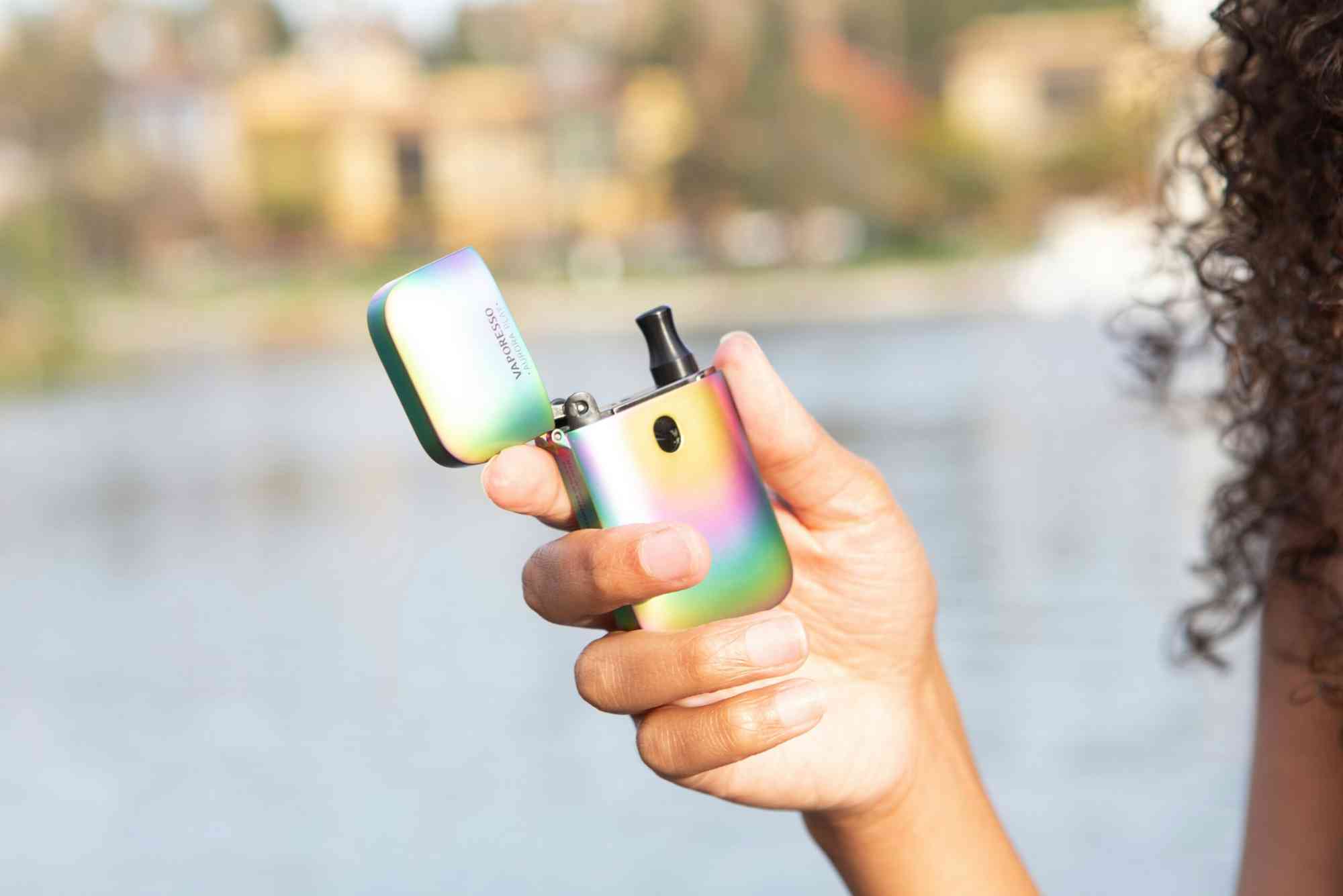
Vaping refers to inhaling aerosol produced by a device such as an e‑cigarette. These devices heat a liquid containing nicotine and flavourings. The aerosol may contain chemicals harmful to the lungs and body.
How Vaping Devices Work
Most vaping devices include:
- A battery
- A heating element
- A cartridge or tank with vape liquid
When the user inhales, the device heats the liquid, turning it into an inhalable vapour.
Legal Framework: Is Minor Vaping Illegal?
Age Restrictions Around the World
In many countries, laws restrict the sale of vaping products to minors. For example, in the UK, you must be 18 to purchase vaping products. Other countries have similar age limits. These laws aim to prevent early nicotine addiction.
Purchase vs Possession
It’s important to distinguish between purchasing and possessing vaping products. In most jurisdictions:
- Minors cannot legally buy vaping products.
- Possession by minors may not always be illegal, but adults supplying them is unlawful.
Understanding local law is essential. Always check your local government guidance.
Enforcement and Penalties
Penalties vary widely. They can include:
- Fines for retailers selling to minors
- Confiscation of products
- Community service or education programmes for minors
These measures aim to discourage supply and demand among under‑aged users.
Health Risks of Vaping for Minors
Nicotine Addiction
One of the biggest concerns in the “Is Is minor vaping illegal a Real Vape Risk or Just a Myth?” debate is addiction. Vaping liquids often contain nicotine. Nicotine is highly addictive and can harm brain development in adolescents.
Respiratory and Cardiovascular Effects
Research shows vaping may impact lung health. Aerosols can contain:
- Toxic chemicals
- Heavy metals
- Ultrafine particles
These can irritate the lungs and potentially cause long‑term damage.
Mental Health and Development
Emerging evidence links nicotine use to mood disorders and cognitive effects in young people. UNICEF — youth tobacco & vaping protection guidance Nicotine can affect attention, memory, and learning. This reinforces the concern that vaping is not a harmless pastime.
Myths vs Facts
Myth: Vaping Is Harmless
Fact: While vaping may be less harmful than tobacco smoking for adult smokers trying to quit, it is not harmless. For minors, risks include addiction and developmental impacts.
Myth: Flavoured Vapes Are Safer
Fact: Flavours may attract young people, but they do not make the product safer. Flavouring chemicals may still be harmful when inhaled.
Myth: Vaping Only Produces Water Vapour
Fact: The aerosol from vaping contains more than water. It can include nicotine, chemicals, and particles that reach deep into the lungs.
Why Minors Vape
Peer Pressure and Social Influence
Teenagers may vape to fit in with peers. Social media and influencers can amplify this trend.
Curiosity and Flavours
Flavours like fruit, candy, and mint appeal to adolescents. This enticement is a major driver of under‑age vaping.
Perception of Safety
Many young people believe vaping is safer than smoking. This perception contributes to experimentation, even if it’s not legally permitted.
Prevention and Education
Parental Involvement
Parents can play a key role. Open conversations about risks are more effective than punishment alone. Discussing why vaping laws exist helps minors understand the bigger picture.
School and Community Programmes
Effective programmes teach real health facts and legal responsibilities. They should emphasise both the health and legal aspects of minor vaping.
Support for Quitting
If a young person already vapes, support systems are crucial. Many quitlines and health services offer tailored help for teens.
Legal, Ethical and Social Considerations
Protecting Youth Health
Laws restricting minor vaping reflect a goal to protect youth health. Organisations like UNICEF provide guidance on protecting young people from tobacco and nicotine products, including vaping devices.
Balancing Regulation and Harm Reduction
Some argue vaping helps adult smokers quit. However, for minors, the balance tilts toward strong regulation. Policies should protect youth while supporting adult cessation where appropriate.
Role of Manufacturers
Regulators often restrict marketing and flavours that appeal to minors. This reduces the incentive for young people to start vaping.
So, “Is Is minor vaping illegal a Real Vape Risk or Just a Myth?” The evidence suggests it is both a legal issue and a health concern. Laws exist because of real risks to developing bodies and minds. Vaping is not harmless, particularly for minors. While it may serve as a harm‑reduction tool for adults, for youth it poses clear risks.
Understanding the law and health implications helps communities protect young people. Education, support, and enforcement of age restrictions are essential.
If you’re concerned about vaping among young people in your community, start the conversation today. Share this article with parents, educators, and teens. Encourage informed decisions and safer futures.
Is Are vapes illegal in Dubai a Real Vape Risk or Just a Myth? Many wonder if vaping in Dubai is truly risky. While e-cigarettes and nicotine products are regulated, using or importing them without authorization can lead to fines or legal issues. The health risks of vaping exist, but the “legal danger” depends on strict adherence to UAE laws.
FAQs: Is Is minor vaping illegal a Real Vape Risk or Just a Myth?
What age is vaping illegal for minors?
In many countries, including the UK, you must be 18 or older to buy vaping products. Age restrictions vary globally, so always check local law.
Does vaping affect teen brain development?
Yes. Nicotine can interfere with brain development, affecting memory, attention, and mood in adolescents.
Can minors legally possess vape devices?
Possession laws vary. Even if possession isn’t explicitly illegal, supplying minors with vaping products usually is.
Are flavoured vapes more dangerous?
Flavours don’t reduce harm. They may attract minors, and the chemicals used can still be harmful when inhaled.
How can parents help prevent teen vaping?
Talk openly about risks, set clear expectations, and support healthy alternatives. Schools and community programmes can also help educate young people.