
Introduction
Vaping has become increasingly popular over the past decade, especially among young adults. While many people focus on nicotine content and flavor, there’s growing concern about contaminants in illicit vaping products. One of the most alarming claims is that illegal vapes contain lead, which could cause severe health risks. But is this risk real, or is it simply a myth spread through media and social platforms? This article dives deep into the science, regulations, and real-world cases to separate fact from fiction.
What Are Illegal Vapes?
Illegal vapes, often referred to as counterfeit or unregulated products, are sold outside authorized retail channels. They are usually cheaper and widely accessible through online markets or street vendors. Unlike licensed vaping products, these devices are not subject to strict safety standards.
Types of Illegal Vapes
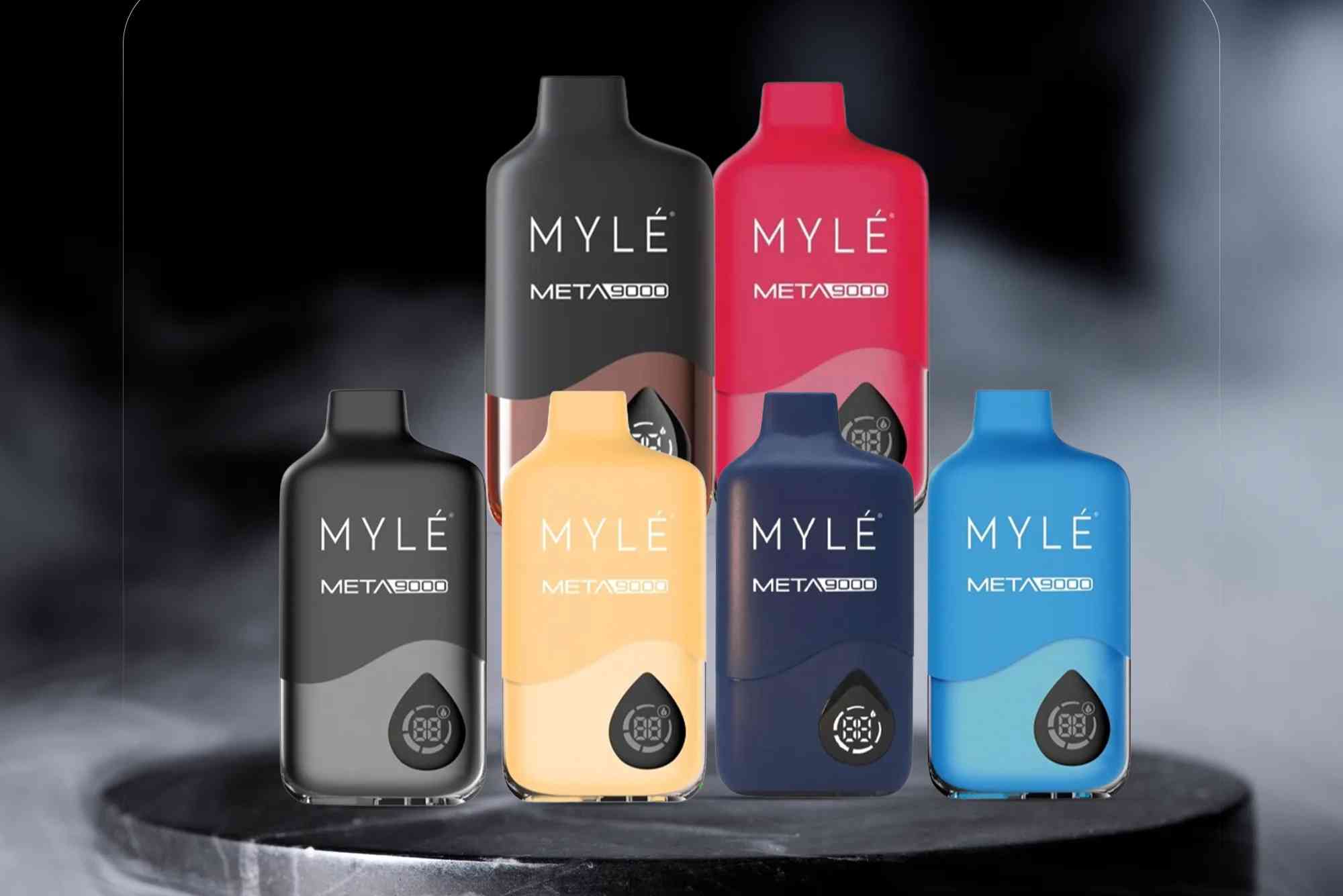
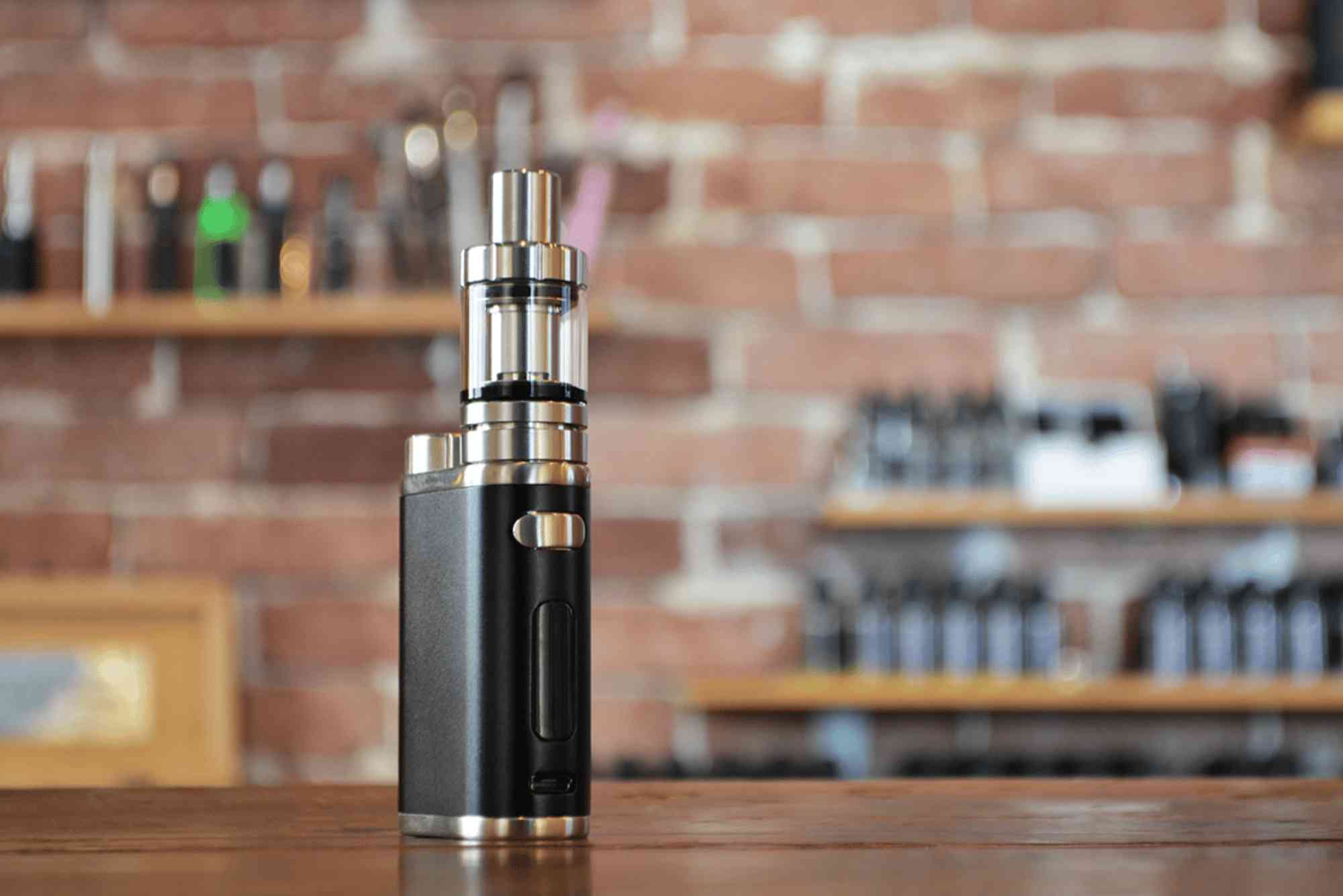
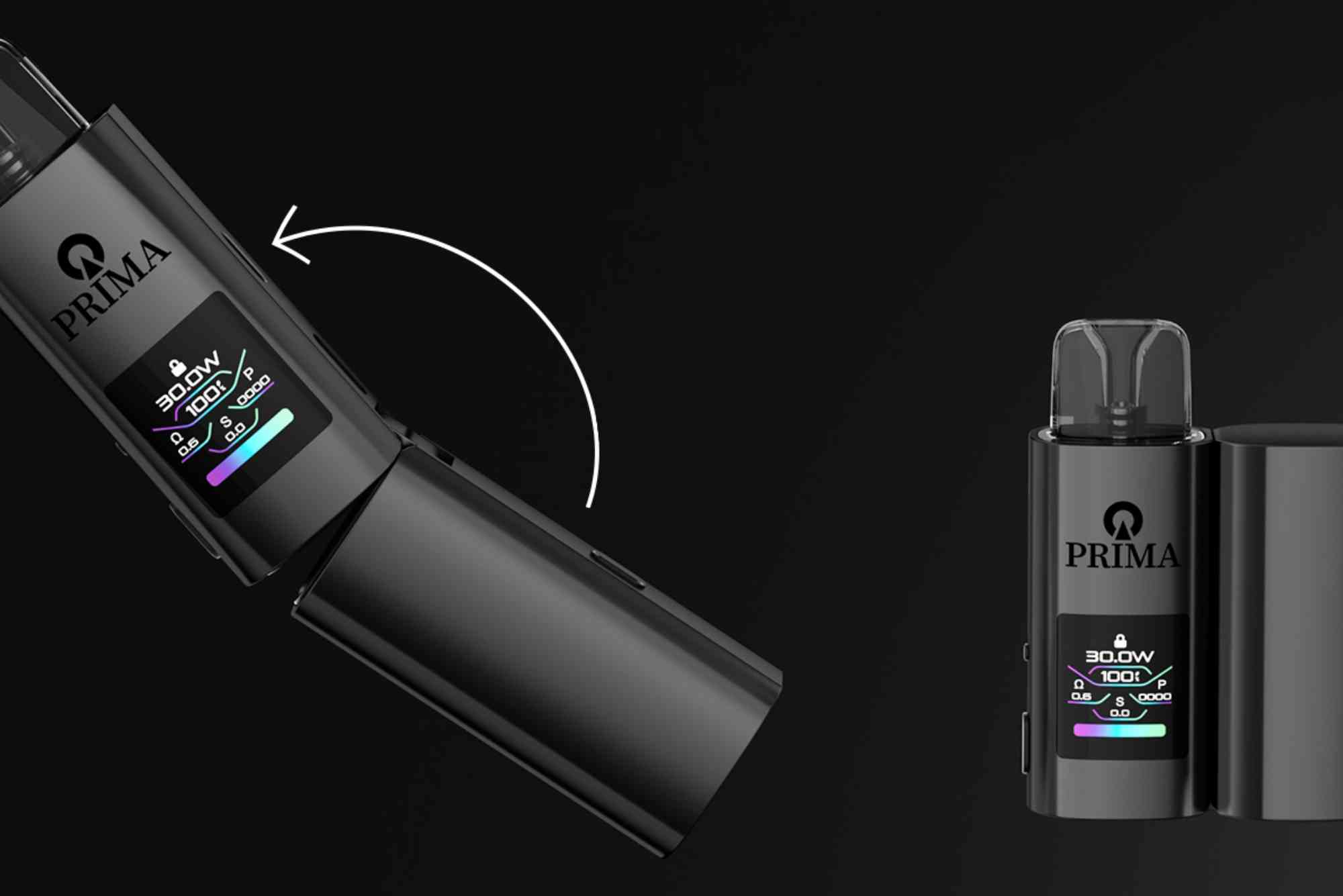
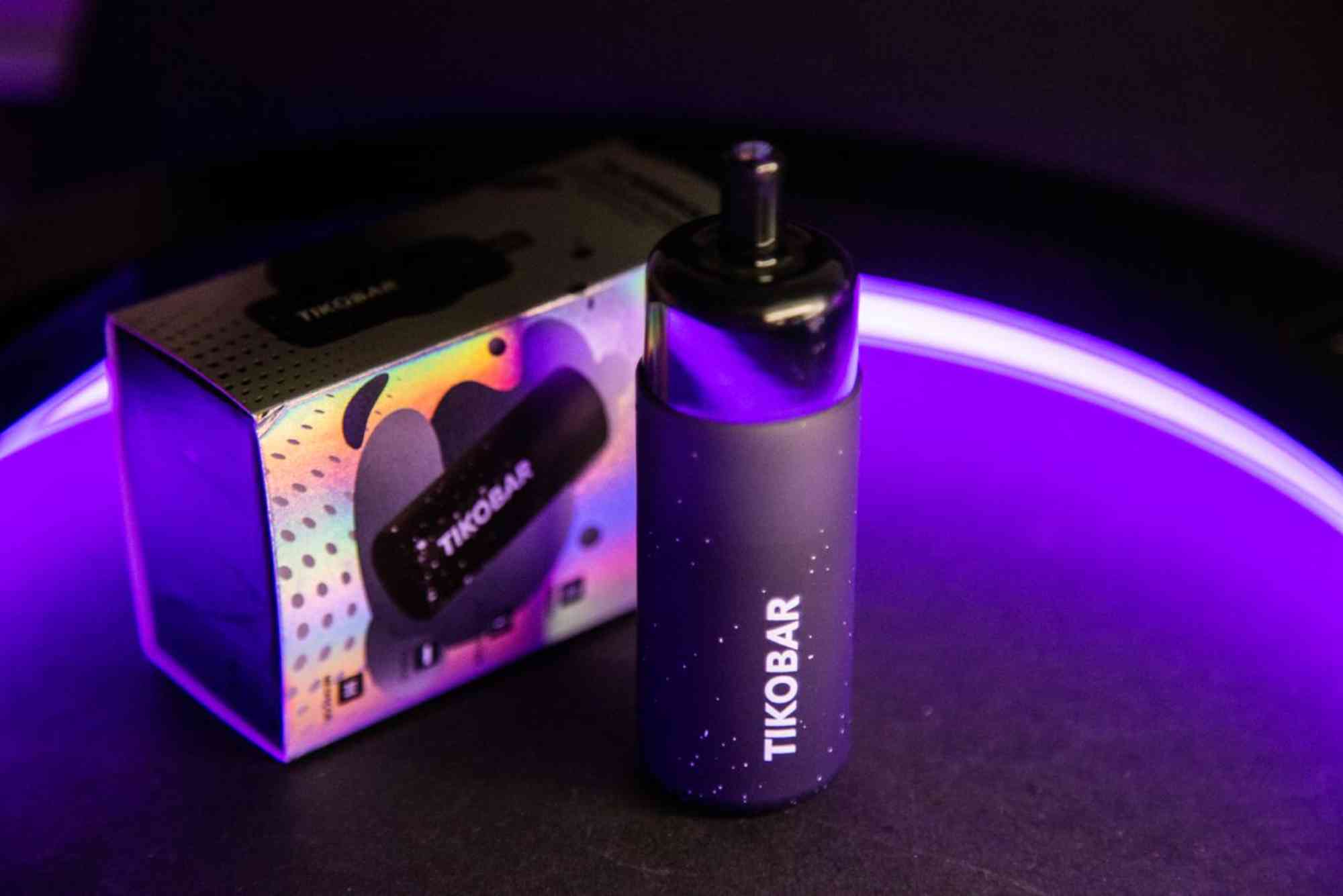
Illegal vapes come in several forms: prefilled cartridges, disposable vapes, and refillable tanks. Many claim to offer high nicotine levels or unique flavors, but their ingredients are often unknown. Some even advertise “lead-free” status without testing.
Why People Buy Them
Affordability and convenience drive the purchase of illegal vapes. However, the low price often masks the hidden dangers, such as toxic metals, contaminated e-liquids, and counterfeit batteries that could explode.
Understanding Lead Exposure in Vapes
Lead is a heavy metal known to harm the nervous system, kidneys, and cardiovascular health. Exposure to lead even in small amounts can accumulate over time, especially in teenagers and young adults.
How Lead Could Enter Vapes
Lead contamination in vapes typically comes from three sources:
- Metal Components: Cheap alloys used in heating coils or soldering may contain lead.
- Contaminated E-Liquids: Poor manufacturing or storage can introduce lead particles.
- Counterfeit Cartridges: Fake vape cartridges often bypass safety testing, increasing contamination risk.
Studies and Findings
Scientific studies have detected trace metals, including lead, in some illegal vape products. While levels vary, these traces can pose a cumulative health risk with prolonged use. Legal vaping devices, in contrast, undergo strict testing to minimize heavy metal exposure.
Separating Myth from Reality
There’s confusion between real risk and exaggerated claims. Not every illegal vape contains dangerous lead levels, but the probability is higher compared to regulated products. Media stories sometimes sensationalize incidents, giving the impression that all vapes are unsafe.
Factors That Increase Risk
- Purchasing vapes from unverified sellers
- Using high-powered devices that overheat coils
- DIY e-liquids mixed without proper safety protocols
Factors That Reduce Risk
- Buying only licensed and tested products
- Checking for batch numbers and ingredient transparency
- Following device maintenance and usage guidelines
Regulatory Oversight and Enforcement
Government agencies and international bodies actively monitor illegal vaping products. Regulatory frameworks exist to protect consumers from toxic substances like lead.
Role of INTERPOL
INTERPOL plays a critical role in controlling counterfeit and illicit tobacco products globally. Their INTERPOL / illicit tobacco enforcement updates provide insights into seizures, cross-border enforcement, and emerging threats. International collaboration ensures illegal vapes are traced and removed from circulation.
National Regulations
Many countries require vape manufacturers to register products, list ingredients, and perform independent lab testing. Countries without stringent enforcement see higher prevalence of lead-contaminated vapes, highlighting the importance of regulation.
Health Risks Linked to Lead Exposure from Vapes
Lead exposure can affect multiple organ systems. In teenagers and young adults, even low-level exposure may:
- Impair cognitive development
- Increase blood pressure
- Cause kidney dysfunction
- Elevate long-term cardiovascular risks
While single exposures might not be immediately dangerous, chronic intake through regular use of contaminated vapes is a serious concern.
How to Protect Yourself
Consumers can take steps to reduce risk:
- Always buy from licensed vendors
- Verify product authenticity and certification
- Avoid modifying devices or refilling with unknown liquids
- Stay updated on news from authorities and INTERPOL
The risk of lead exposure from illegal vapes is real but often exaggerated in general media discussions. While not every illicit product contains harmful metals, the uncertainty and lack of regulation make illegal vapes a genuine health threat. Choosing legal, tested products significantly reduces this risk. Protecting your health starts with informed decisions and vigilance against counterfeit items.
FAQs
Can legal vapes contain lead?
Legal vapes are heavily regulated, and lead is rarely found. Strict testing ensures safety.
How can I identify a counterfeit vape?
Look for missing labels, inconsistent packaging, unusual prices, and unverified sellers.
Are disposable vapes safer than refillable ones?
Not necessarily. Safety depends on manufacturer testing, not device type.
What symptoms indicate lead poisoning from vapes?
Symptoms may include fatigue, headache, abdominal pain, or concentration problems. Chronic exposure is more concerning.
How can I report illegal vapes?
Report suspicious products to local health authorities or follow INTERPOL’s illicit tobacco enforcement updates for guidance.