
Introduction
Vaping has become a widely debated topic in recent years, sparking questions about its safety and legality. Many people ask, “Is are vapes legal a real risk or just a myth?” The answer is complex, involving health concerns, legal regulations, and global perspectives. Understanding the facts is crucial for anyone considering using e-cigarettes or concerned about vaping laws in their region.
Understanding Vaping and E-Cigarettes
What Are Vapes?
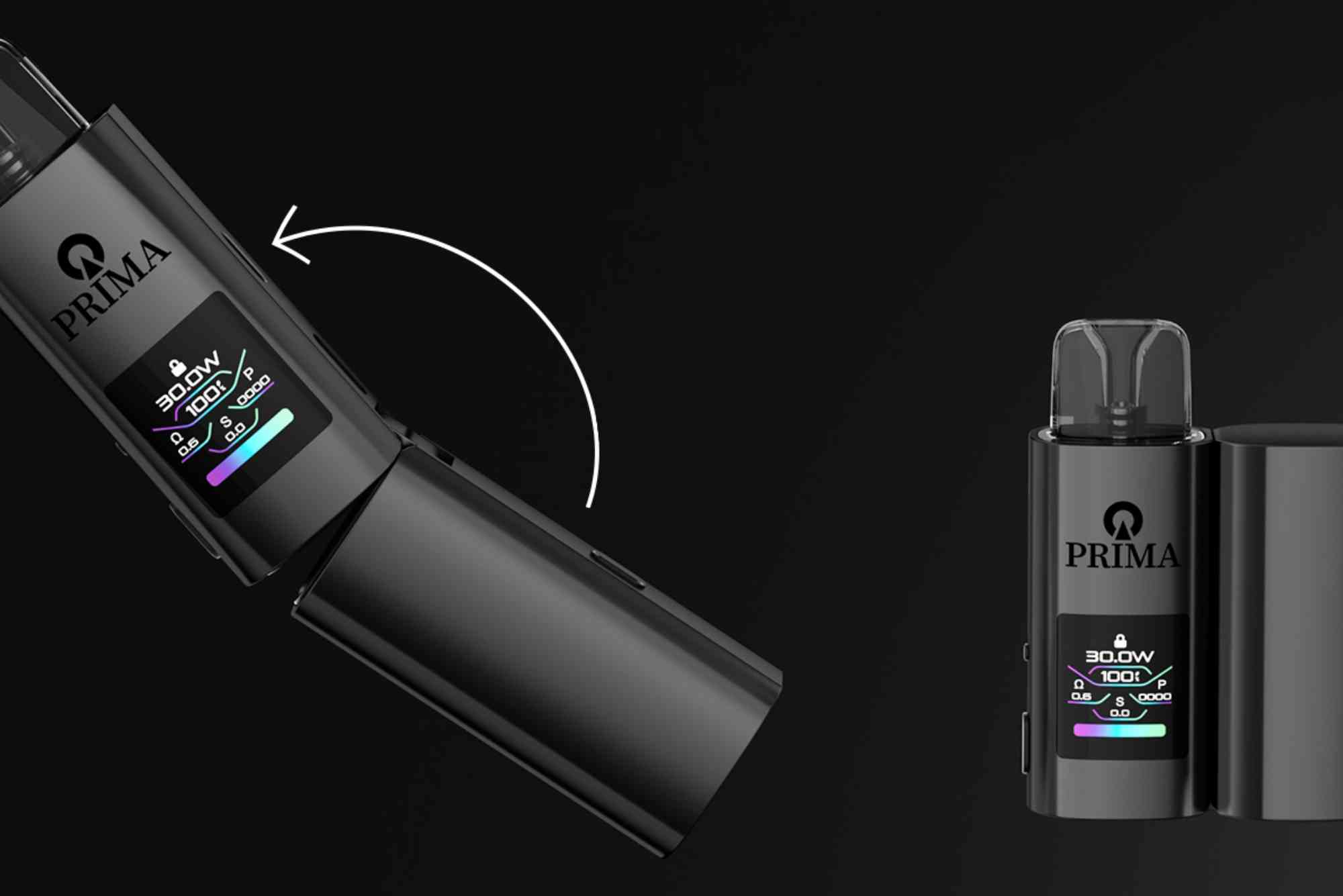
Vapes, also known as e-cigarettes, are battery-powered devices that heat a liquid to produce vapor. This liquid, or e-liquid, often contains nicotine, flavorings, and other chemicals. Unlike traditional cigarettes, vaping does not involve combustion, which reduces the production of tar and many harmful chemicals.
Popularity and Use Trends
E-cigarettes have gained popularity, especially among young adults. Many users perceive them as a safer alternative to smoking. However, this perception does not mean vaping is entirely risk-free. Research indicates that e-cigarette vapor contains substances that may affect lung health and cardiovascular function.
Legal Status of Vapes Around the World
Global Regulations
The legality of vaping varies widely across countries. Some nations have fully legalized e-cigarettes, while others have banned them completely. WHO — global overview of e-cigarette legality highlights that regulatory approaches often depend on public health concerns and nicotine restrictions.
Countries Where Vapes Are Legal
In countries like the United States, United Kingdom, and parts of Europe, vaping is legal for adults over a certain age. Regulations may include restrictions on advertising, flavorings, and public use. Retailers are often required to adhere to strict licensing laws to sell e-cigarettes.
Countries Where Vapes Are Restricted or Banned
Several countries, including Brazil, Singapore, and India, have banned the sale and use of e-cigarettes. These bans aim to prevent nicotine addiction and protect public health. Violating such laws can result in fines, confiscation of devices, or even criminal charges.
Health Risks and Myths of Vaping
Nicotine Addiction
A major risk of vaping is nicotine addiction. Many e-liquids contain high nicotine levels, which can affect the brain’s reward system. Adolescents and young adults are particularly vulnerable.
Lung and Cardiovascular Health
Although vaping is considered less harmful than smoking traditional cigarettes, studies show it may still affect lung function. Chemicals in e-liquids, such as propylene glycol and flavoring agents, can cause irritation or long-term respiratory issues. Cardiovascular effects, including increased heart rate and blood pressure, have also been documented.
Common Myths About Vape Safety
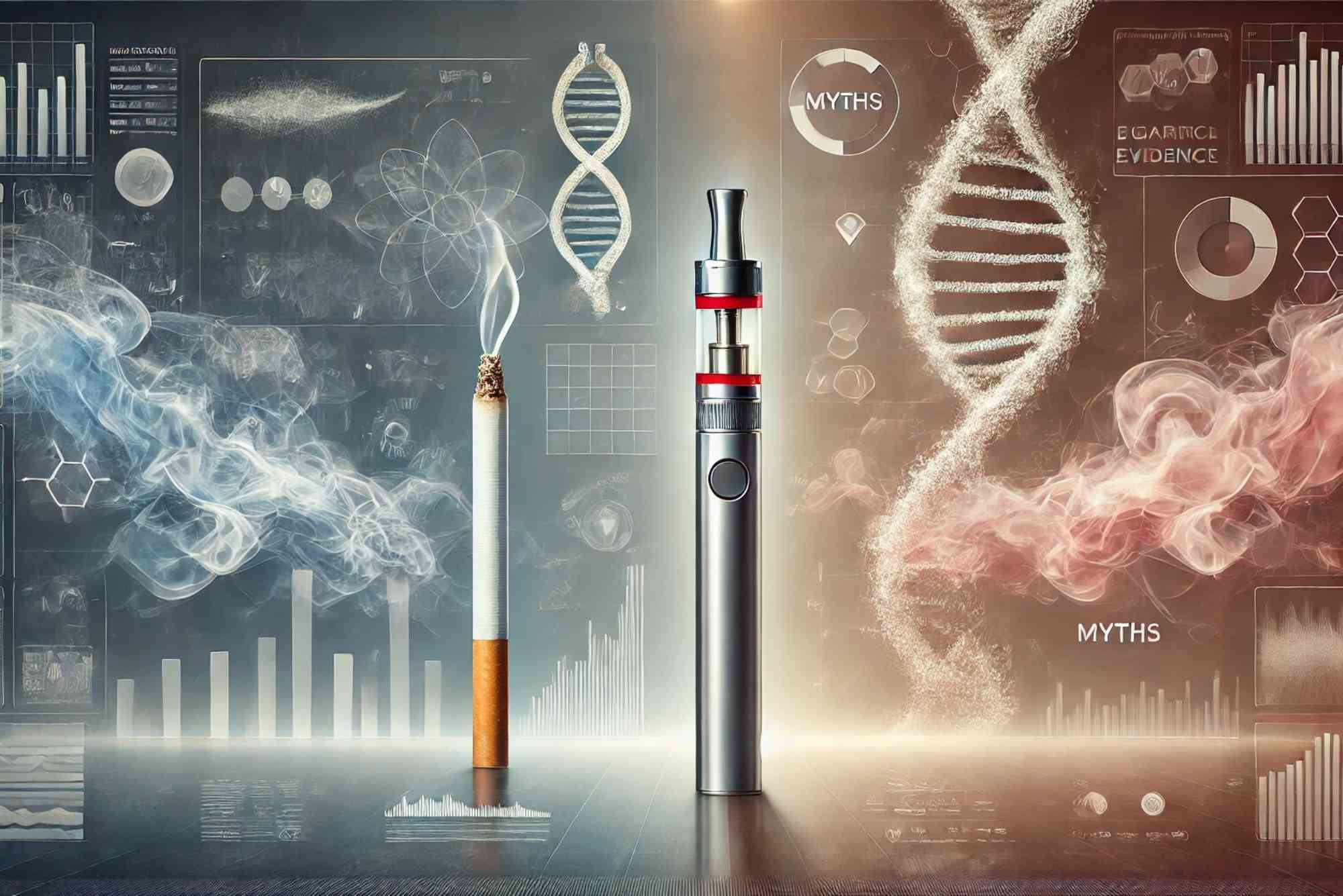
A prevalent myth is that e-cigarettes are completely safe. While they reduce exposure to certain harmful chemicals compared to traditional cigarettes, they are not risk-free. Another misconception is that vaping does not affect non-users. Secondhand vapor can contain nicotine and other compounds, which may impact others in enclosed spaces.
Legal Risks Associated With Vaping
Age Restrictions and Enforcement
In most countries where vaping is legal, strict age restrictions apply. Selling or providing e-cigarettes to minors is illegal and can carry severe penalties. Parents, retailers, and users must be aware of these rules to avoid legal trouble.
Public Use Restrictions
Even in countries where vaping is legal, using e-cigarettes in public spaces may be restricted. Many governments enforce bans in schools, public transportation, and indoor spaces. Ignoring these laws can result in fines or citations.
Traveling With Vapes
Travelers must exercise caution when bringing e-cigarettes across borders. Airlines often have regulations regarding battery-powered devices and liquids. Importing vapes into countries where they are banned can lead to confiscation or legal penalties.
Separating Fact From Fiction
What Science Really Says
Scientific evidence indicates that vaping is not harmless, but it is generally less harmful than smoking combustible tobacco. Understanding the risks and legal status in your region is essential before starting or continuing to vape.
Regulatory Clarity
Clear regulations protect both users and the public. Knowing whether vapes are legal in your area helps avoid legal consequences and ensures responsible use.
Vaping exists in a gray area of risk and legality. While it is often perceived as safer than smoking, e-cigarettes still carry health risks and legal responsibilities. Understanding the local laws, health implications, and global perspectives ensures informed decisions.
FAQs
Are vapes legal in the US?
Yes, vapes are legal for adults over 21, but regulations vary by state regarding sales, flavors, and public use.
Can vaping cause lung damage?
Yes, e-cigarette vapor contains chemicals that may irritate the lungs and affect respiratory health over time.
Is vaping safer than smoking cigarettes?
Vaping is generally considered less harmful than traditional cigarettes but is not risk-free.
Can I travel internationally with my vape?
You must check local laws and airline regulations. Importing vapes into banned countries can lead to penalties.
Do non-smokers face risks from secondhand vapor?
Yes, secondhand exposure may contain nicotine and other chemicals affecting health.
Where can I find global information on e-cigarette legality?
WHO — global overview of e-cigarette legality provides comprehensive guidance for countries worldwide.