

Introduction
In the last decade, vaping has moved far beyond being just an alternative to traditional smoking. It has evolved into something much deeper—vaping as a new-age identity that reflects lifestyle choices, social belonging, and digital-era self-expression. What once started as a smoking cessation tool has now become a cultural marker for many young adults and online communities.
Today, vaping as a new-age identity is visible in social media aesthetics, influencer culture, music scenes, and even fashion trends. It is no longer just about nicotine delivery—it represents individuality, group belonging, and sometimes even rebellion against conventional norms.
To understand this transformation, we need to explore how technology, psychology, and culture have blended to create this modern identity shift.
The Evolution of Vaping Culture in Modern Society
The story of vaping as a new-age identity begins with its rapid cultural adoption. Initially introduced as a safer alternative to smoking, vaping quickly gained popularity among younger demographics. But its appeal was not just health-related—it was visual, social, and symbolic.
From Smoking Replacement to Lifestyle Statement
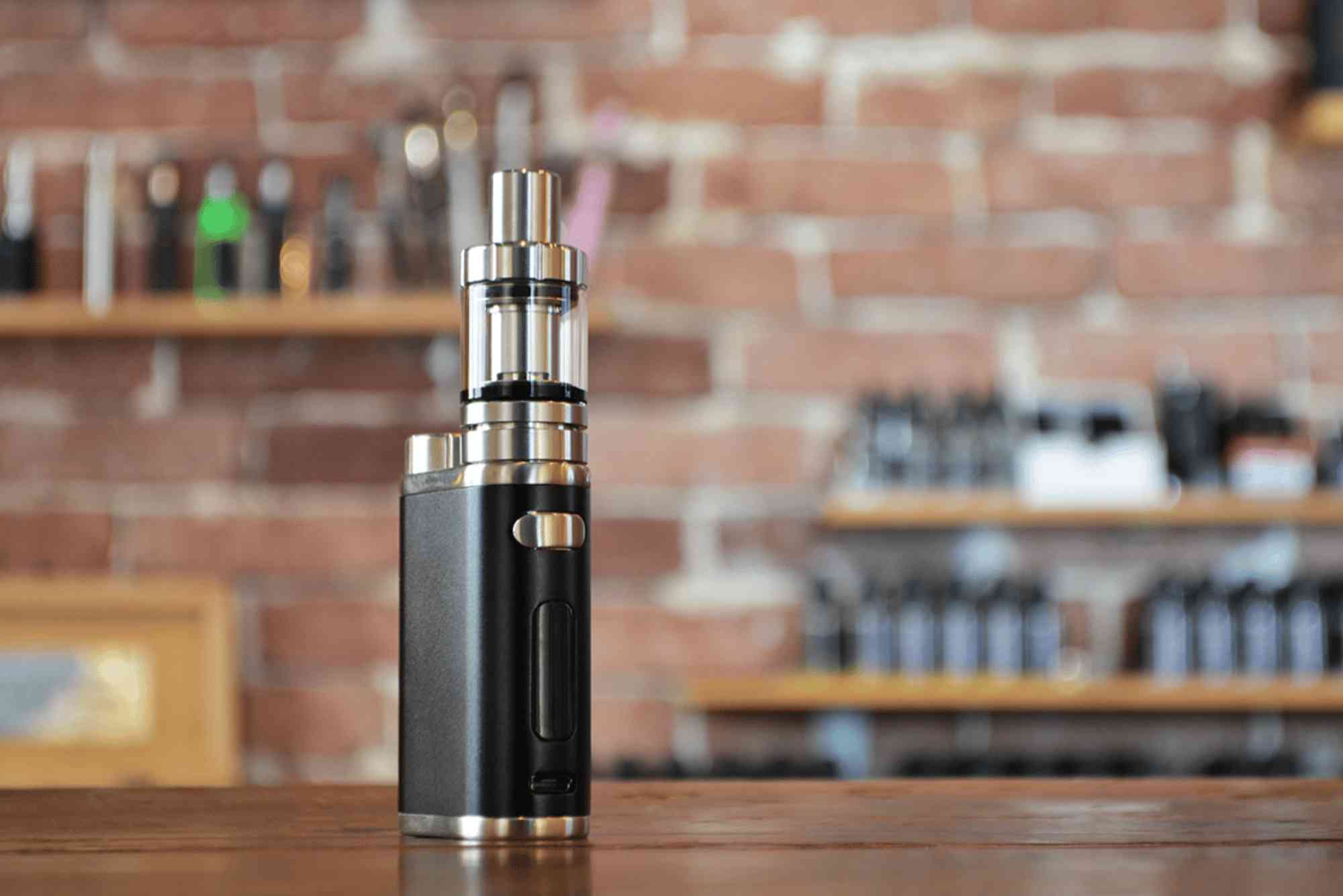
At first, vaping devices were simple and discreet. However, as designs became more advanced and customizable, users began to see them as accessories rather than just health tools. This shift contributed significantly to vaping as a new-age identity, where the device itself became part of personal branding.
The Influence of Digital Culture
Social media platforms played a major role in shaping vaping as a new-age identity. Platforms like Instagram, TikTok, and YouTube turned vape tricks, aesthetic clouds, and device customization into viral content. As a result, vaping became visually associated with creativity, youth culture, and online popularity.

This digital visibility transformed vaping into a lifestyle marker rather than just a habit.
Psychological Roots Behind Vaping as Identity
Understanding vaping as a new-age identity requires looking into human psychology. Identity formation, especially among young adults, is heavily influenced by social belonging and self-expression.
The Need for Belonging and Group Identity
Humans naturally seek belonging, and vaping communities provide that sense of inclusion. Whether online or in person, these communities create shared experiences. This strengthens vaping as a new-age identity, where individuals feel part of something larger than themselves.
This connects closely with broadercommunity, identity, and belonging trends shaping modern digital culture.
Self-Expression Through Customization
Modern vape devices allow users to customize flavors, vapor output, and device design. This personalization contributes to vaping as a new-age identity, as users express individuality through their choices.
For many, selecting a vape flavor or device style is similar to choosing fashion—it becomes part of how they present themselves socially.
Social Media and the Aestheticization of Vaping
Social media has been one of the strongest forces behind vaping as a new-age identity. Platforms thrive on visually appealing content, and vaping naturally fits this model.
The Rise of Vape Influencers
Influencers showcasing vape tricks and lifestyle content have normalized vaping as a new-age identity among younger audiences. These creators often blend vaping with music, fashion, and lifestyle aesthetics, reinforcing its cultural appeal.
Visual Identity and Online Persona
On platforms like TikTok, vaping is often linked with mood-based aesthetics—dark, neon, retro, or cyberpunk themes. This has strengthened vaping as a new-age identity, where users align their online persona with vaping visuals.
In this context, vaping becomes less about consumption and more about identity storytelling.
Cultural Shifts Driving Vaping Identity
Cultural evolution plays a major role in shaping vaping as a new-age identity. Modern societies are increasingly fluid in how identity is defined, allowing alternative lifestyle expressions to emerge.
Rebellion and Modern Individualism
For some users, vaping as a new-age identity symbolizes independence from traditional norms. Just as previous generations used fashion or music to express rebellion, vaping has become a modern tool for the same purpose.
Normalization Through Peer Culture
Peer influence is another major factor. As vaping becomes more common in social circles, it reinforces vaping as a new-age identity as a socially accepted behavior. What begins as curiosity often evolves into cultural participation.
The Role of Technology in Shaping Identity
Technological innovation has played a significant role in strengthening vaping as a new-age identity.
Smart Devices and Personal Control
Modern vaping devices often come with smart features such as temperature control, puff tracking, and Bluetooth connectivity. These innovations make vaping feel more personalized and tech-driven, reinforcing its identity status.
Design and Consumer Experience
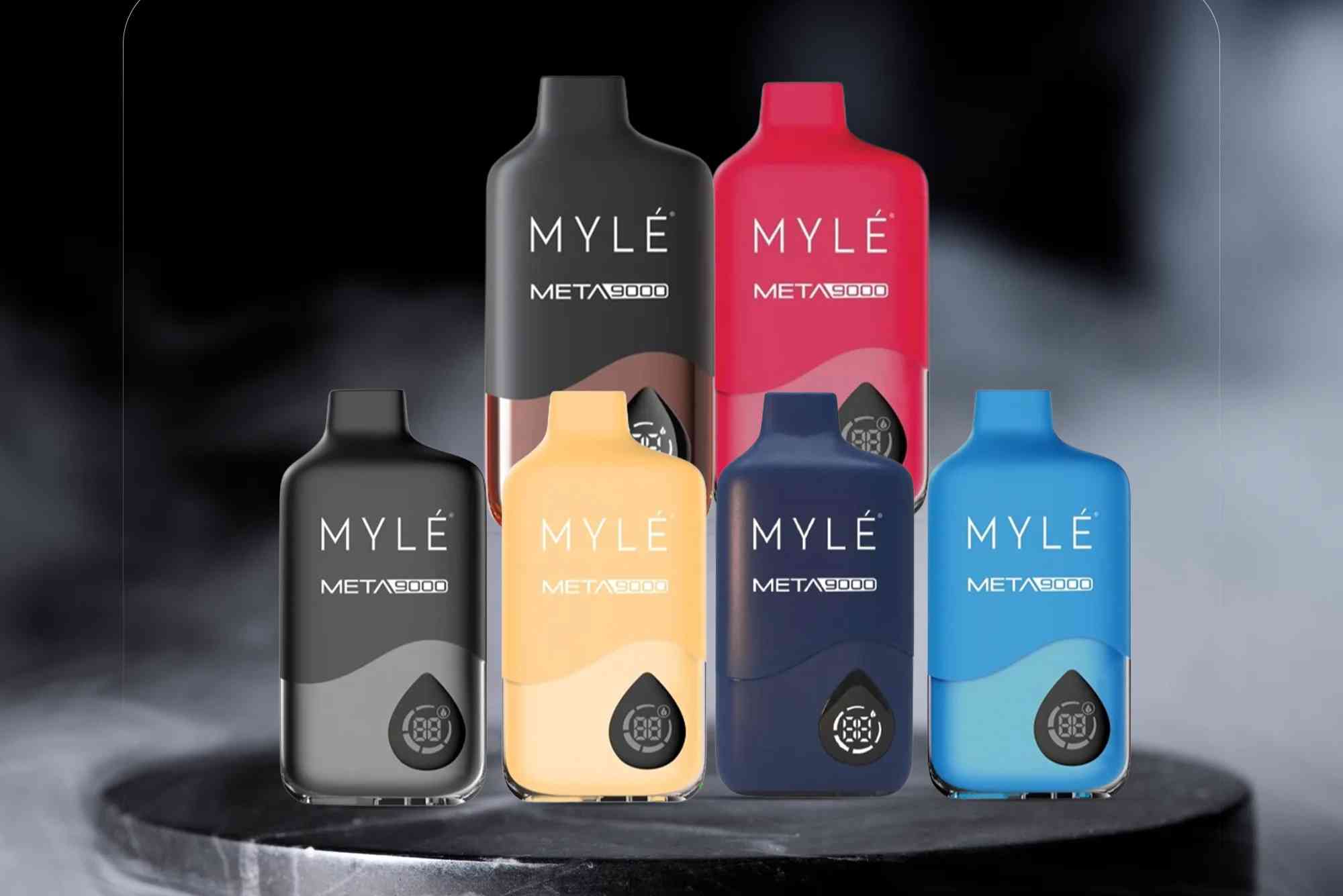
Sleek designs, LED indicators, and compact shapes make vaping devices resemble tech gadgets rather than traditional smoking tools. This design evolution supports vaping as a new-age identity by aligning it with modern consumer technology trends.
Marketing, Branding, and Lifestyle Positioning
Brands have also contributed heavily to shaping vaping as a new-age identity through strategic marketing.
Lifestyle Branding Over Product Marketing
Instead of focusing solely on product features, companies often promote vaping as part of a lifestyle. This reinforces vaping as a new-age identity, where consumers are not just buying a product but joining a cultural movement.
Flavor Innovation and Emotional Connection
Flavor diversity plays a subtle psychological role in strengthening vaping as a new-age identity. Unique flavor names and experiences create emotional connections that go beyond functionality.
Health Awareness and Changing Perceptions
Despite its cultural rise, vaping as a new-age identity exists within ongoing debates about health and regulation.
Awareness and Responsible Use
As awareness grows, users are becoming more conscious of moderation and health implications. This awareness is reshaping vaping as a new-age identity into something more balanced and informed.
Regulation and Public Discussion
Governments and health organizations continue to evaluate vaping’s impact. These discussions influence how vaping as a new-age identity is perceived in different societies.
The Future of Vaping as a Cultural Identity
Looking ahead, vaping as a new-age identity is likely to continue evolving alongside technology and digital culture.
Integration with Digital Identity Systems
As digital identity expands, vaping culture may become more embedded in online communities and personalized digital experiences.
Shift Toward Subcultural Expression
Rather than becoming mainstream, vaping as a new-age identity may evolve into a more niche subculture with its own aesthetics, values, and community standards.
Conclusion: Beyond the Cloud of Vapor
Vaping as a new-age identity is more than a trend—it is a reflection of how modern society constructs meaning, belonging, and individuality. From social media influence to psychological needs for identity, vaping has transformed into a symbolic lifestyle marker.
However, like all cultural shifts, it continues to evolve. Whether seen as fashion, technology, or social expression, vaping as a new-age identity represents the complex intersection of modern life, digital influence, and human behavior.
Discover premium vaping insights, guides, and updates at Vapegrove, your trusted hub for vape culture and innovation. Explore trends, product tips, and industry news designed for enthusiasts and beginners alike.
FAQs
What does vaping as a new-age identity mean?
It refers to how vaping has evolved from a smoking alternative into a lifestyle symbol representing individuality, community, and modern culture.
Why has vaping become popular among young people?
Vaping appeals to younger audiences due to its customization, social media presence, and association with modern digital aesthetics.
Is vaping considered part of lifestyle culture now?
Yes, for many users, vaping is integrated into lifestyle expression, similar to fashion or music preferences.
How does social media influence vaping identity?
Social media amplifies vaping culture through influencers, trends, and visual storytelling, strengthening its identity value.
Will vaping continue to be seen as a cultural identity in the future?
It is likely to evolve further, possibly becoming more niche or more regulated, but its cultural impact will continue in some form.
The Blend of Technology and Art in Vaping Vaping today represents a unique fusion where advanced technology meets creative design. Modern devices offer precise control of flavor, temperature, and vapor production, while artistic craftsmanship shapes sleek aesthetics and personalized styles. This blend enhances user experience, innovation, and lifestyle appeal. It continues to evolve rapidly today.
Related Reading: The Cultural Rebirth of Vaping in 2026
Related Reading: Why Vaping Became a Pop Culture Icon
Related Reading: How Vaping Is Redefining Modern Cool