
Is CBD Considered Halal UAE Islamic Experts Speak
CBD, or cannabidiol, has become a topic of global discussion for its potential health benefits. However, in the United Arab Emirates, where Islamic law guides daily life and legal frameworks, the question arises: is CBD halal? The phrase “halal CBD UAE” is increasingly searched by people who want to ensure their wellness choices align with both Sharia principles and the country’s regulations. Understanding the answer requires looking at religious rulings, scientific facts, and UAE laws together.
Understanding CBD in the UAE Context
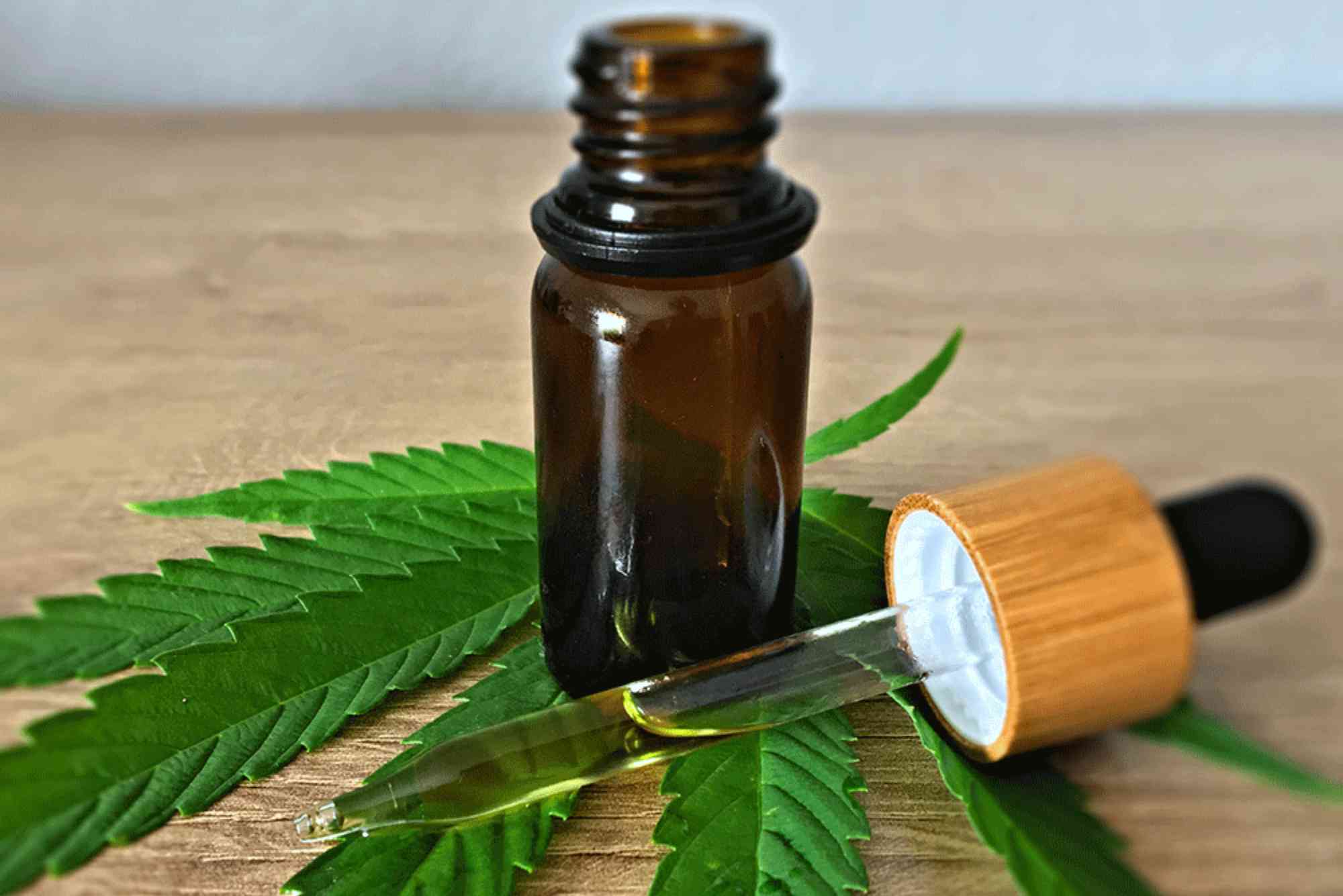
CBD is a naturally occurring compound found in the cannabis plant. Unlike THC, which causes intoxication, CBD is non-psychoactive and is often used for anxiety, pain, and sleep issues. In many countries, CBD is sold as oils, capsules, gummies, and skincare products. In the UAE, the legal framework is strict. Any substance derived from cannabis can fall under controlled regulations. However, there is a growing interest in whether CBD that contains zero THC could be permitted and whether such a product can be considered halal according to Islamic law.
The Islamic Perspective on Halal CBD
In Islam, “halal” means permissible, while “haram” means forbidden. When evaluating whether CBD is halal, scholars consider both the source and the effect of the product. If CBD comes from a lawful source and does not cause intoxication, it may be permissible. Islamic experts in the UAE often refer to two main principles: the absence of harmful effects and the absence of intoxicants. Since CBD itself is not intoxicating, the main concern shifts to its extraction process and whether it contains any traces of THC.
Purity and Extraction Methods
Halal certification depends heavily on how a product is made. For CBD, this means the extraction process must avoid haram substances such as alcohol. Many Islamic scholars in the UAE emphasize that CBD products should come from hemp plants with naturally low THC levels, and the final product should be tested to confirm it contains zero THC. Without these conditions, the product cannot be considered halal.
The Issue of Intoxication in Sharia Law
In Islamic jurisprudence, any substance that causes intoxication is haram, regardless of the quantity consumed. This is why THC is forbidden. CBD, when pure, does not produce a “high.” UAE Islamic experts highlight that the permissibility of CBD hinges on scientific evidence proving it is non-intoxicating and safe for human use.
The Legal Side of Halal CBD in UAE
Even if something is halal, it must also be legal under UAE law to be used or sold. The UAE has some of the strictest drug laws in the world, and cannabis-derived products are heavily regulated. Currently, the law prohibits the import, sale, and possession of CBD products that contain any THC. This means that even halal-certified CBD may be unavailable in UAE markets unless the government approves it.
Law Enforcement and Customs Regulations
Travelers to the UAE are regularly warned not to carry any CBD products. Customs officers can detain items for testing, and possession of banned substances can lead to fines or jail. Therefore, anyone interested in halal CBD UAE must ensure the product is both Sharia-compliant and legally approved by the authorities.
Government and Medical Oversight
The UAE Ministry of Health and Prevention has the authority to regulate therapeutic substances. If CBD is to be introduced legally, it would likely need to go through strict safety evaluations, licensing, and possibly prescription controls.
Potential Benefits of CBD from an Islamic Health Ethics Perspective
Islam encourages the use of permissible means for maintaining health. Many proponents of halal CBD argue that it could help people with chronic pain, stress, inflammation, and insomnia without causing intoxication. Islamic ethics value preserving life, preventing harm, and seeking beneficial remedies. If CBD meets the halal conditions, scholars suggest it could fit within this framework.
Challenges in Making CBD Halal in UAE
There are several barriers before CBD can be widely accepted as halal in the UAE. First, scientific verification must prove that it is pure and THC-free. Second, halal certification authorities must oversee production to ensure Sharia compliance. Third, government regulations must approve its sale and use. Without meeting all three conditions, CBD products will remain largely unavailable in the UAE, even if theoretically halal.
Islamic Scholars’ Views on Halal CBD in UAE
Many UAE-based Islamic scholars have spoken on the topic. Some take a cautious approach, saying CBD should be avoided until it is fully verified and legalized. Others are more open, suggesting that if CBD is proven pure, non-intoxicating, and beneficial for health, then there is no religious reason to forbid it. They all agree, however, that compliance with UAE law is mandatory.
The Role of Halal Certification Bodies
Halal certification bodies could play a major role in making CBD accessible in the UAE. They would need to inspect the source plants, the extraction methods, and the final product’s composition. This would give consumers confidence that the CBD they use is both lawful and permissible.
FAQs
Is CBD halal in Islam?
CBD can be halal if it is pure, THC-free, non-intoxicating, and produced using halal methods.
Is CBD legal in UAE?
Currently, CBD products are not generally legal in the UAE unless specifically approved by the government.
Can I bring CBD oil into UAE for personal use?
No, bringing CBD into the UAE without legal clearance can result in confiscation and legal penalties.
Does CBD have THC?
Some CBD products may contain trace amounts of THC, which is haram and illegal in the UAE. Always check laboratory reports.
How can I know if CBD is halal?
Look for halal certification, ensure zero THC, and verify it complies with UAE laws before using.
The question of whether CBD is halal in the UAE depends on both Islamic law and national regulations. From a Sharia perspective, CBD that is pure, non-intoxicating, and free from haram ingredients can be permissible. However, under current UAE law, CBD products are generally banned unless specifically approved. This means that for now, halal CBD in the UAE remains a concept more than a reality. If scientific research, halal certification, and government policy align, CBD could become a lawful and halal wellness option for residents and visitors.