
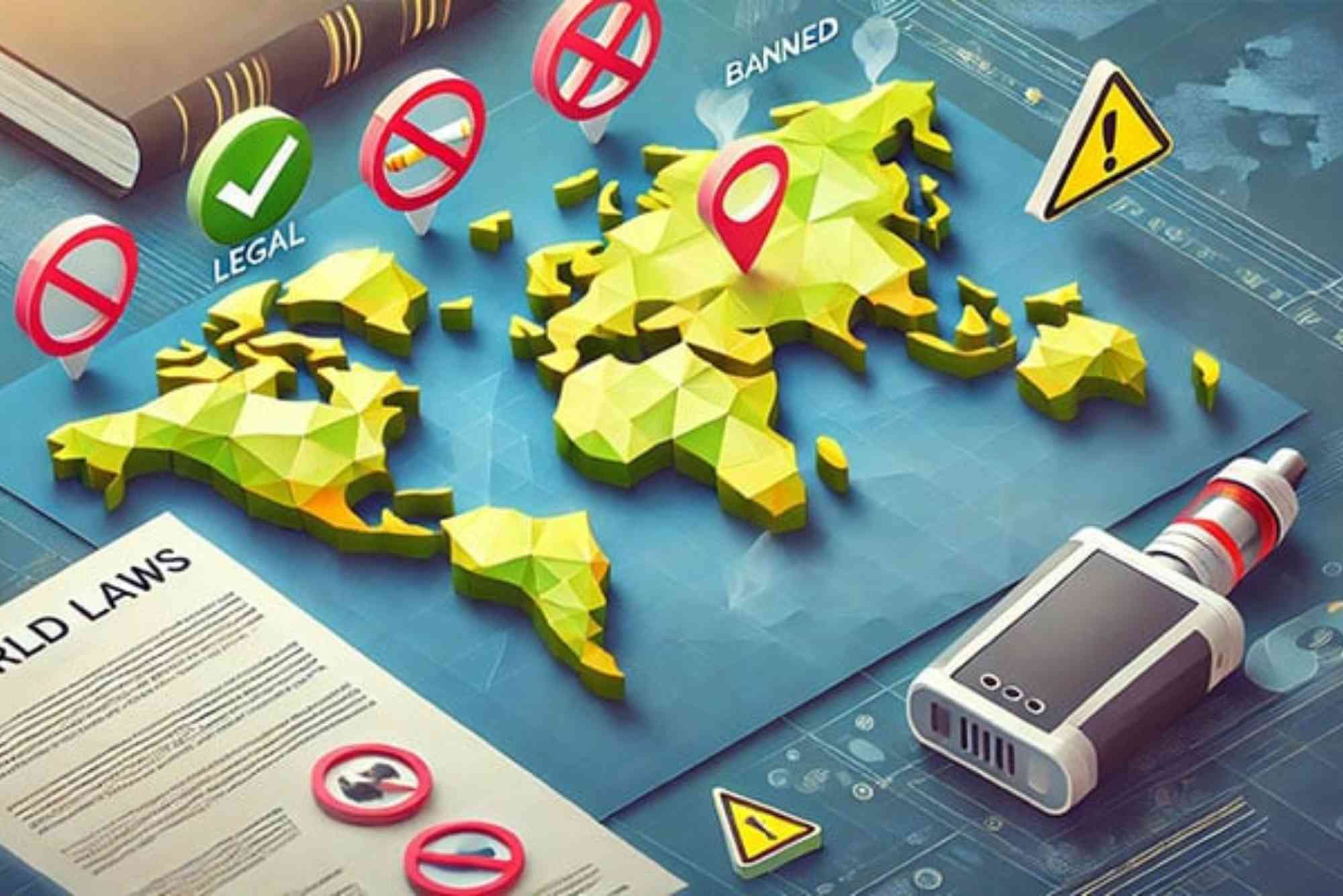
Is Global Vaping Laws Putting Vapers at Risk?
Vaping has grown into a global phenomenon, offering an alternative to traditional smoking. Yet, the rise of global vaping laws has sparked debate among health experts, lawmakers, and vapers themselves. While some regulations aim to protect public health, others create confusion, legal risks, and even limited access to safer alternatives.
This article explores how global vaping laws differ, why they matter, and whether they are truly putting vapers at risk.
Understanding Global Vaping Laws
What are vaping laws?
Vaping laws regulate the sale, use, and marketing of e-cigarettes and related products. They may cover age restrictions, flavor bans, nicotine limits, advertising rules, and public usage.
Why global vaping laws differ
Every country approaches vaping differently. Some view it as a harm-reduction tool, while others consider it a public health threat. This diversity creates inconsistency for vapers traveling or living abroad.
The Impact of Global Vaping Laws on Vapers
Health implications
Stricter laws often limit access to regulated vaping products. In some regions, this drives users toward unsafe black-market alternatives. Ironically, regulations intended to protect health may increase risks.
Legal challenges
Vapers face legal uncertainty when crossing borders. A device legal in one country may be banned in another, leading to fines or even jail time.
Accessibility and affordability
Heavy taxation and strict import laws raise costs, making vaping less accessible. For smokers looking to quit, this could discourage switching to a potentially safer option.
How Different Regions Enforce Vaping Laws
North America
In the United States, regulations vary by state. The FDA enforces nicotine product approvals, while many states impose flavor bans. Canada allows vaping but with strong restrictions on advertising and youth access.
Europe
The European Union enforces nicotine concentration limits and health warnings on packaging. Some countries, like the UK, promote vaping as a smoking cessation tool. Others adopt stricter controls.
Middle East and Asia
Countries like Qatar, Thailand, and India enforce harsh bans, sometimes with severe penalties. Others, like the Philippines, regulate but allow vaping as a harm-reduction strategy.
Australia and New Zealand
Australia requires a prescription for nicotine vapes, while New Zealand supports vaping as a smoking alternative but imposes strict marketing rules.
Are Global Vaping Laws Effective?
Protecting public health
Regulations help prevent youth vaping and control the spread of harmful products. Limiting flavors and advertising reduces appeal to minors.
Unintended consequences
However, overly strict global vaping laws push vapers toward unregulated markets. This exposes them to counterfeit devices and unsafe e-liquids.
The balance of regulation
An effective framework must balance protecting non-smokers, especially youth, while still allowing adult smokers access to less harmful alternatives.
The Future of Global Vaping Laws
Experts predict that vaping laws will continue tightening. Governments worldwide face pressure to align vaping rules with tobacco control policies. Yet, research on vaping’s long-term effects may shape future flexibility.
FAQs
Are vapes legal worldwide?
No. Some countries, like the UK and Canada, allow vaping under regulation. Others, including Thailand and India, impose complete bans.
Why are some countries banning vaping?
Governments fear youth addiction, unknown health effects, and the rise of nicotine dependency. Bans aim to prevent these risks, though critics argue they push users to unsafe products.
Can I travel with my vape internationally?
It depends on the country. Some nations allow vapes with restrictions, while others confiscate them at customs. Always check local laws before traveling.
Are global vaping laws the same as smoking laws?
Not exactly. While many vaping rules mirror tobacco laws, some countries treat vaping more harshly, despite it being potentially less harmful.
Do vaping bans reduce smoking rates?
Research is mixed. Some studies suggest bans discourage quitting smoking, while others show reduced youth nicotine exposure. Outcomes vary by enforcement and public awareness.
The landscape of global vaping laws is complex and rapidly evolving. While intended to safeguard public health, certain restrictions may put vapers at risk by limiting safer choices and driving demand toward black-market products.
For vapers, staying informed is essential. If you travel or live in a country with strict rules, understanding the legal and health landscape can help you make safer choices.