
Introduction
In recent years, vaping has grown significantly in popularity, particularly as a harm reduction tool for smokers seeking alternatives to traditional cigarettes. However, understanding the Georgia vape shop laws and Harm Reduction: What Every Smoker Should Know is essential for both consumers and business owners. Georgia has implemented specific regulations to ensure that vaping products are sold safely and responsibly. This guide explores these laws, their implications, and how harm reduction plays a role in modern smoking alternatives.
Understanding Georgia Vape Shop Laws
Georgia has steadily developed legislation around the sale and use of vaping products. These laws are designed to protect public health while allowing adults to access safer alternatives to smoking.
Age Restrictions and Sales Regulations
One of the most critical aspects of Georgia vape shop laws is the age restriction. Individuals must be 21 years or older to purchase vaping products, reflecting the state’s commitment to protecting young people from nicotine addiction. Retailers are required to verify the age of every customer, and violations can result in severe penalties.
In addition, vape shops must follow guidelines regarding advertising, ensuring that products are not marketed to minors. This includes avoiding images or messaging that appeal specifically to youth. Understanding these regulations helps consumers and business owners remain compliant and avoid legal issues.
Licensing Requirements
Georgia mandates that all businesses selling vaping products obtain proper licensing. This requirement ensures that retailers meet health and safety standards, including proper product labeling, storage, and quality control. For detailed information on licensing and compliance, individuals can refer to the Georgia Department of Public Health state business regs.
Retailers also need to maintain accurate records of their inventory and sales to comply with state inspections. Failure to meet these requirements can result in fines or revocation of business licenses.
Product Regulations and Safety Standards
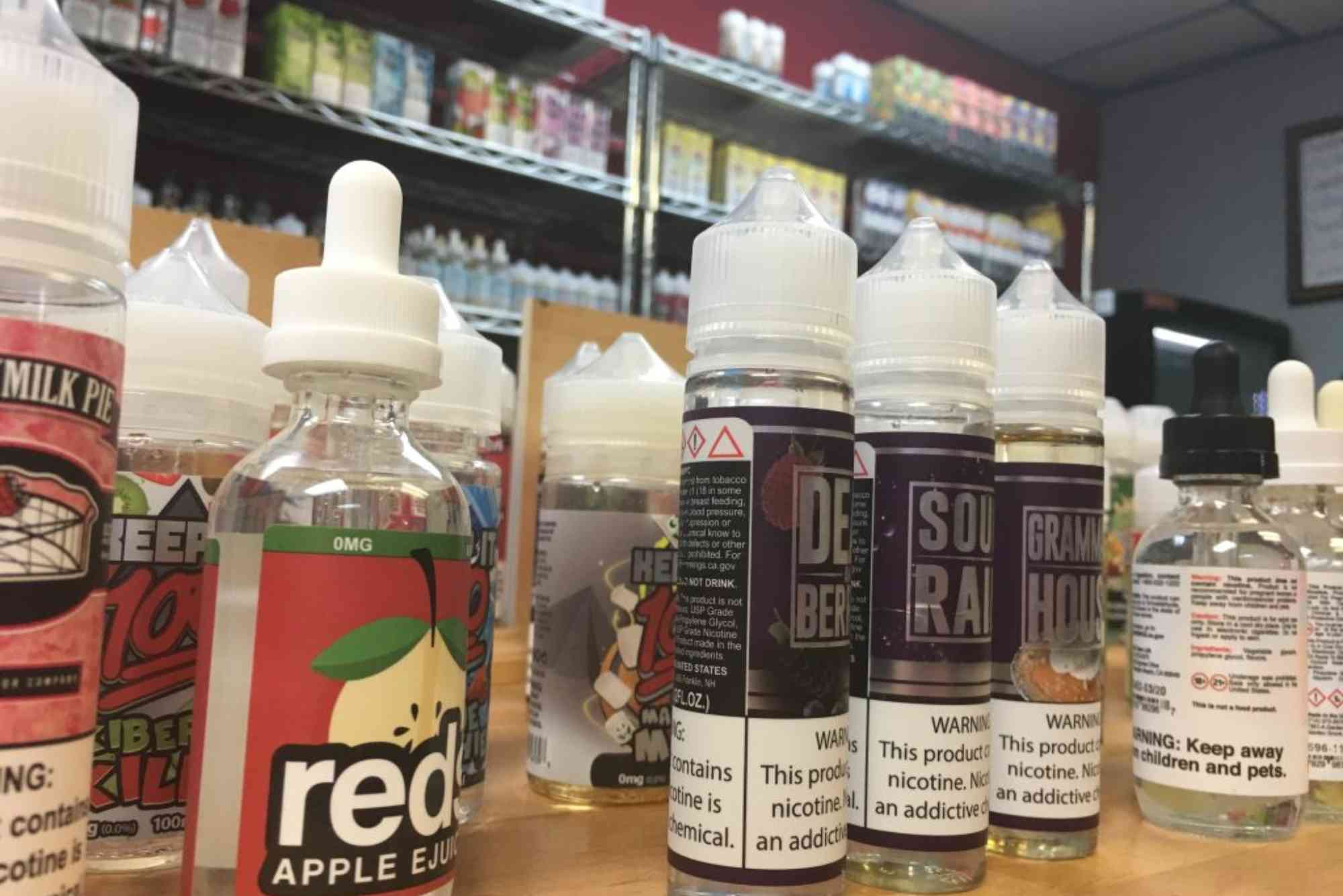
Vape products in Georgia must meet strict safety and labeling standards. These standards cover ingredients, nicotine content, and packaging. For example, vape liquids must include a list of ingredients and a health warning label. Devices must comply with electrical and mechanical safety requirements to prevent accidents, such as battery explosions or overheating.
Georgia law also prohibits the sale of flavored vaping products to minors, reflecting a broader effort to reduce youth vaping. Compliance with these product regulations ensures that consumers can make informed choices and reduces potential health risks.
Harm Reduction and Vaping
Harm reduction is a public health strategy aimed at reducing the negative consequences of risky behaviors, including smoking. Vaping is often cited as a harm reduction tool because it can provide nicotine without many of the harmful chemicals found in traditional cigarettes.
How Vaping Reduces Risk
Traditional cigarettes contain thousands of chemicals, many of which are carcinogenic. Vaping products, while not entirely risk-free, typically contain fewer harmful chemicals. Smokers who switch to vaping may experience reduced exposure to tar, carbon monoxide, and other toxic compounds.
This approach aligns with harm reduction principles, which prioritize lowering health risks rather than insisting on complete cessation. By understanding the risks and benefits of vaping, smokers can make informed choices that improve their long-term health outcomes.
Vaping as a Smoking Cessation Tool
Vaping has also emerged as a tool for quitting smoking. Many smokers use e-cigarettes to gradually reduce their nicotine intake, eventually leading to cessation. Georgia vape shop laws support this strategy by allowing adult consumers access to regulated, safer products.
However, it is essential to approach vaping responsibly. Smokers should monitor their nicotine consumption, avoid dual use with traditional cigarettes, and consult healthcare professionals if needed.
Public Health and Community Impact
Georgia’s approach to vape shop regulation reflects a balance between access and protection. By enforcing laws that limit youth access and maintain product safety, the state aims to reduce the overall public health burden of smoking-related illnesses. At the same time, harm reduction strategies acknowledge that complete abstinence is not always feasible, offering alternative pathways to minimize risk.
What Smokers Should Know
Understanding the legal landscape and harm reduction principles is crucial for every smoker considering vaping. Here are the key takeaways:
- Know Your Rights and Responsibilities: Adult smokers in Georgia can legally purchase vaping products but must adhere to age and safety regulations.
- Prioritize Safe Products: Always buy from licensed retailers and check for proper labeling and safety standards.
- Understand Harm Reduction: Switching to vaping can reduce exposure to harmful chemicals, but moderation and responsible use are critical.
- Stay Informed: Laws and public health recommendations can change, so keeping updated with resources like the Georgia Department of Public Health state business regs ensures compliance and safety.
Choosing the Right Vape Product
Selecting a suitable vaping product requires attention to quality, nicotine content, and usage patterns. Smokers should consider starting with regulated e-liquids that provide clear labeling. Devices should have safety certifications and proper battery management to prevent accidents.
Recognizing Potential Risks
While vaping is safer than traditional smoking, it is not risk-free. Nicotine addiction, respiratory irritation, and potential long-term effects remain concerns. Being aware of these risks allows smokers to make better-informed decisions and reduces unintended health consequences.
Compliance Tips for Vape Shop Customers
Consumers can play a role in supporting legal and safe vaping practices. Simple steps include:
- Always carry valid ID to verify age.
- Purchase products from licensed shops with proper inventory records.
- Review ingredient labels and avoid unregulated products.
- Follow manufacturer guidelines for device use and maintenance.
By following these practices, smokers and vapers contribute to a safer community and help maintain high public health standards.
Navigating the landscape of Georgia vape shop laws and Harm Reduction: What Every Smoker Should Know is essential for anyone considering vaping. Understanding age restrictions, licensing requirements, product safety, and harm reduction strategies ensures that smokers can make safer choices while remaining compliant with state laws. Vaping offers a viable harm reduction alternative, but informed and responsible use is key.
Smokers interested in transitioning to vaping or seeking safer alternatives should consult licensed retailers and stay informed through public health resources. Knowledge and responsibility empower individuals to make healthier choices while adhering to Georgia regulations.
If you are a smoker considering vaping as a harm reduction strategy, take the time to research products, follow state laws, and prioritize safety. Your health and the well-being of your community depend on informed decisions.
FAQ
What is the legal age to buy vaping products in Georgia?
The legal age is 21 years. Retailers must verify age at every sale.
Can minors access flavored vape products in Georgia?
No, the sale of flavored vaping products to minors is prohibited under state law.
Are all vape shops required to be licensed?
Yes, all businesses selling vaping products must obtain proper licensing and comply with safety regulations.
Is vaping considered safer than smoking?
Vaping is generally considered safer than smoking traditional cigarettes because it exposes users to fewer harmful chemicals.
Where can I check official Georgia vape shop regulations?
The Georgia Department of Public Health state business regs provide detailed information on licensing, sales, and safety standards.
Can vaping help me quit smoking?
Many smokers use vaping as a cessation tool by gradually reducing nicotine intake, though consulting healthcare professionals is recommended.