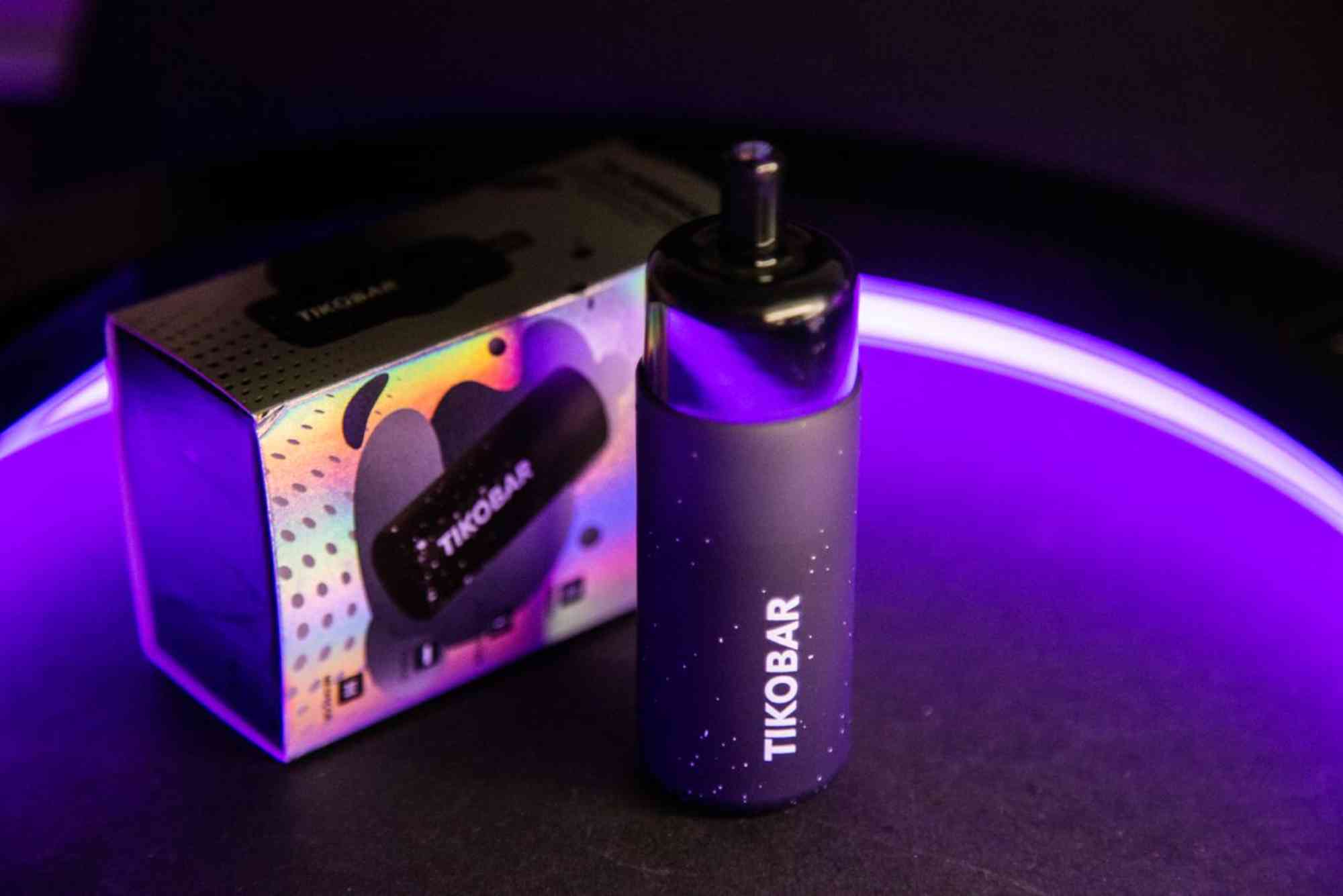


How England Vape Laws Can Affect Vape Battery Safety
The vaping industry has grown rapidly in England, driven by smokers seeking safer alternatives to traditional tobacco. With this growth, the UK government has introduced regulations to protect public health. These laws, while mainly targeting nicotine content, packaging, and marketing, also indirectly affect the safety of vape devices and their batteries. Understanding how England vape laws influence vape battery safety can help users avoid risks, extend device lifespan, and ensure compliance with national standards.
Introduction to England Vape Laws
England vape laws are primarily shaped by the UK’s implementation of the Tobacco and Related Products Regulations (TRPR), which came into effect after adapting the European Union’s Tobacco Products Directive. These rules cover nicotine strength, tank sizes, health warnings, and product testing requirements. While they don’t directly regulate batteries, the regulations affect how vape devices are designed, tested, and sold. Manufacturers must meet strict safety standards, ensuring that products placed on the market reduce the chances of battery malfunction. This connection between vaping regulations and battery safety is vital for consumers to understand.
Why Battery Safety Matters in Vaping
Vape batteries power devices that heat e-liquid into vapor. Most use lithium-ion cells, known for high efficiency but also for risks if mishandled. Poorly made batteries, improper charging, or lack of safety protections can lead to overheating, venting, or even explosions. As vaping involves millions of users in England, even a small percentage of battery failures could result in serious harm. This is why battery safety is not just a technical concern but also a regulatory priority.
How England Vape Laws Influence Battery Standards
Product Testing Requirements
England vape laws require manufacturers to submit products for testing before they reach the market. This includes safety checks for devices that house batteries. While the focus is often on nicotine delivery, testing also covers electronic components to ensure reliability. Devices without overcharge protection, short-circuit safeguards, or thermal cutoffs cannot legally be sold.
Packaging and Safety Information
Under the law, vape products must include clear instructions and safety warnings. This extends to battery handling, charging guidelines, and disposal practices. By requiring manufacturers to provide this information, the law reduces accidents caused by consumer misuse.
Restrictions on Tank and Device Design
Although tank size and nicotine strength limits may seem unrelated to batteries, they indirectly affect safety. Smaller tanks and lower nicotine levels encourage more frequent charging and usage cycles. To comply, manufacturers often optimize devices for safe recharging, ensuring batteries don’t overheat during prolonged use.
Market Surveillance and Compliance
Trading Standards in England actively monitor vape products sold in shops and online. If a device is found to violate safety rules, including battery safety issues, it can be removed from the market. This enforcement mechanism ensures only compliant and safer devices remain accessible to consumers.
Common Vape Battery Risks in England
Despite regulations, risks still exist due to counterfeit products, misuse, or lack of awareness. The most common vape battery risks include:
- Overcharging batteries with incompatible chargers
- Carrying loose batteries in pockets where they contact coins or keys
- Using damaged or low-quality cells
- Exposure to heat or moisture
- Ignoring manufacturer charging guidelines
These risks highlight the importance of both regulation and personal responsibility.
England Vape Laws vs. International Regulations
Compared with other regions, England vape laws are considered progressive but strict. For instance, in the United States, regulations are fragmented, with battery safety left largely to manufacturers. In contrast, England requires pre-market notifications and safety assessments. This structured oversight reduces the circulation of unsafe devices. Additionally, unlike some Asian markets where unregulated high-power mods are popular, England limits device modifications, minimizing battery-related accidents.
Impact of Vape Laws on Consumer Confidence
Regulations give users greater confidence in the products they purchase. Knowing that England vape laws require compliance with safety standards reassures consumers that devices are less likely to fail catastrophically. This trust is essential for encouraging smokers to switch to vaping, as safety is a key consideration when adopting new technology.
Best Practices for Vape Battery Safety in England
Always Use Approved Devices
Consumers should buy only from reputable retailers selling TRPR-compliant devices. This reduces the risk of purchasing counterfeit products with unsafe batteries.
Follow Charging Instructions
Using the original charger and avoiding overnight charging are simple but crucial practices. England vape laws mandate that instructions be included, making it easier for consumers to follow safe charging routines.
Store Batteries Properly
Keeping spare batteries in protective cases prevents short circuits. England’s safety labeling requirements often remind users of these best practices.
Dispose of Batteries Responsibly
Many vape shops in England participate in recycling schemes for lithium-ion batteries. Proper disposal prevents environmental hazards and accidents caused by discarded cells.
How Retailers in England Ensure Compliance
Retailers play a significant role in upholding England vape laws. They must verify that the products they stock have passed testing and carry proper notifications. Additionally, staff are often trained to educate customers about safe usage, including battery care. Failure to comply can result in fines, product seizures, or business closure. This creates a strong incentive for retailers to prioritize battery safety.
The Role of Technology in Battery Safety
Advancements in battery technology have also been shaped by regulatory frameworks. Modern vape devices in England often feature:
- Automatic cutoffs after prolonged firing
- Over-discharge protection
- Short-circuit detection
- Temperature control systems
These innovations make devices safer, reducing the likelihood of incidents. England vape laws indirectly push manufacturers to adopt these technologies, as non-compliant devices cannot be marketed.
Future of Vape Battery Safety Under England Laws
The UK government continues to evaluate vaping regulations. Proposed reforms may include stricter advertising rules and stronger child safety protections. Battery safety could also receive more direct attention, particularly as new high-capacity devices emerge. Public consultations and health studies will likely shape future laws, ensuring that safety standards evolve with technology.
Why England Vape Laws Protect Battery Safety
England vape laws may not focus solely on batteries, but they play a crucial role in ensuring that devices meet high safety standards. By enforcing product testing, safety labeling, and compliance checks, the regulations reduce risks associated with lithium-ion batteries. For consumers, this means safer devices, fewer accidents, and more confidence in vaping as a smoking alternative.
If you are a vaper in England, staying informed about current regulations and practicing safe battery habits is essential. By choosing compliant products and following best practices, you not only protect yourself but also support a safer vaping culture. Stay updated on England vape laws, buy only compliant devices, and prioritize battery safety in your daily vaping routine. Doing so will help you enjoy vaping with peace of mind and confidence in both your device and your health.
FAQs
Do England vape laws regulate batteries directly?
Not specifically, but they regulate the devices containing batteries, ensuring safety features are included.
Can I use any charger with my vape device?
It is not recommended. Using only the charger provided by the manufacturer helps prevent overcharging and overheating.
Are vape explosions common in England?
They are rare, largely due to strict regulations. Most incidents involve misuse or non-compliant products.
What should I do if my vape battery gets hot?
Stop using the device immediately, place it on a non-flammable surface, and contact the manufacturer or retailer.
Can I bring vape batteries on a plane in England?
Yes, but they must be carried in hand luggage and stored in protective cases to prevent short circuits.