

Introduction
The effects of e-cigarettes have been a growing concern for health experts, governments, and consumers worldwide. When vaping was first introduced, it was promoted as a safer alternative to smoking traditional tobacco. Many people embraced it, believing it could help them quit cigarettes or reduce health risks. However, as time passed, research began to reveal potential dangers. From nicotine addiction to lung-related illnesses, the conversation around vaping has shifted. The big question remains: are e-cigarettes truly safer, or are they silently putting vapers at risk?
In this article, we will explore the health effects, scientific evidence, regulatory challenges, and the real-life experiences of vapers. The goal is to separate fact from myth while providing a clear understanding of what e-cigarettes can mean for your health.
Understanding the Basics of E-Cigarettes
E-cigarettes, also called vapes, work by heating a liquid (commonly known as e-liquid or vape juice). This liquid usually contains nicotine, flavorings, and other chemicals. The device produces an aerosol, often mistaken for harmless vapor, which is inhaled by the user.
Unlike combustible cigarettes, e-cigarettes do not burn tobacco. Instead, they rely on a battery-powered heating element. Because of this, they eliminate tar, carbon monoxide, and many harmful chemicals found in traditional smoking. But eliminating smoke does not automatically mean eliminating harm. Studies continue to reveal that the aerosol produced by vaping contains toxic substances that may pose health risks.
Short-Term Effects of E-Cigarettes
Many users experience noticeable effects soon after they start vaping. The short-term impact may seem minor but should not be ignored.
Respiratory Irritation
The aerosol from e-cigarettes can cause throat irritation, coughing, or shortness of breath. Some people report wheezing or chest discomfort after regular use.
Nicotine Addiction
Nicotine is one of the most addictive substances known. Vaping delivers nicotine quickly to the brain, reinforcing dependence. Even individuals who never smoked before can become addicted through e-cigarettes.
Increased Heart Rate
Nicotine stimulates the nervous system, leading to elevated heart rate and blood pressure. For some, this results in palpitations or a jittery feeling.
While these may appear manageable at first, consistent use amplifies risks and can lead to serious health complications over time.
Long-Term Effects of E-Cigarettes
Research into the long-term effects of e-cigarettes is still developing. However, emerging evidence points toward several concerning outcomes.
Lung Damage
Cases of EVALI (E-cigarette or Vaping Use-Associated Lung Injury) have raised global alarms. While many were linked to illicit vaping products containing THC and vitamin E acetate, the incident highlighted how inhaling unknown chemicals into the lungs can have devastating effects.
Cardiovascular Risks
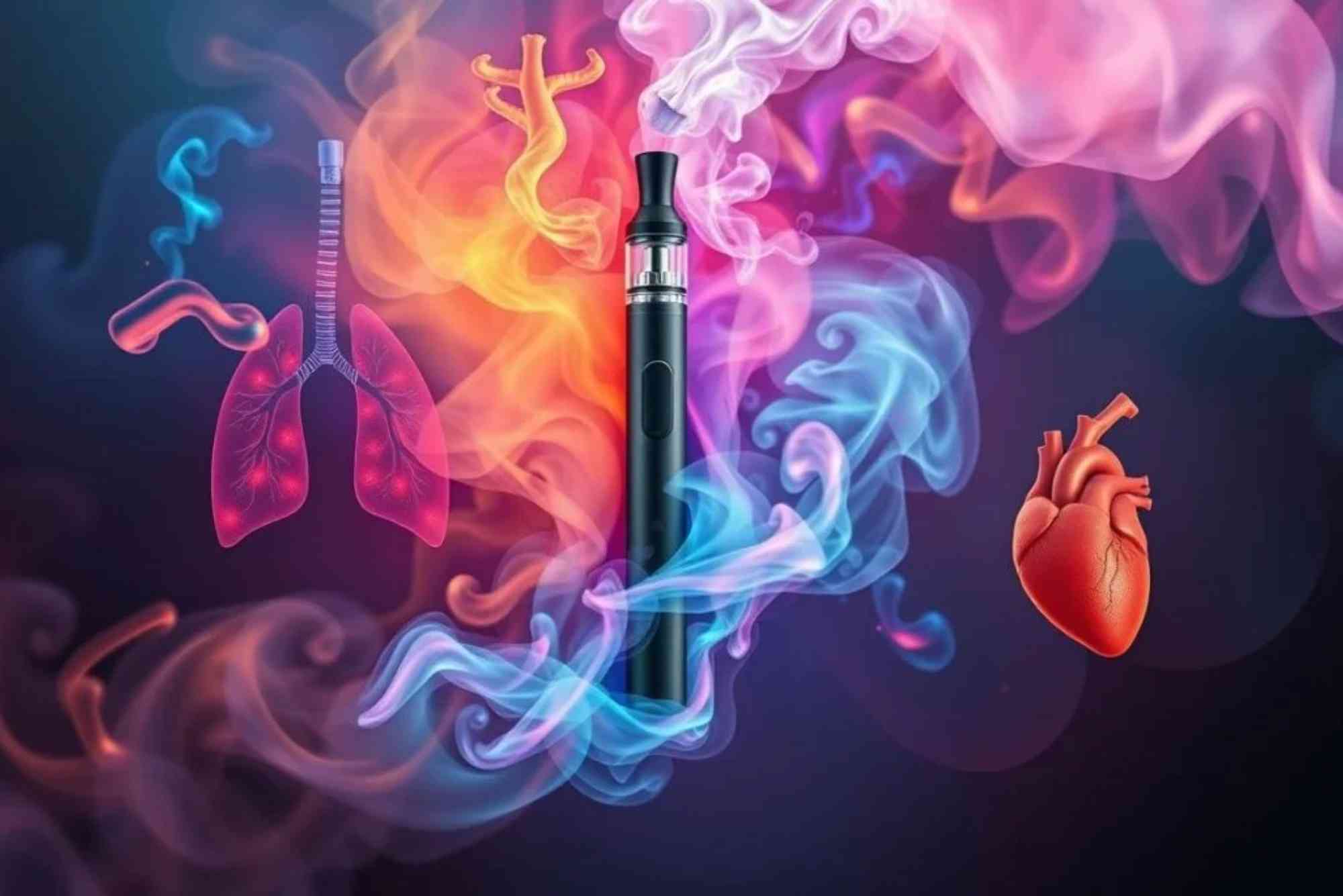
Nicotine and other chemicals in vape aerosols can damage blood vessels, raising the risk of heart disease. Some studies suggest vaping may be almost as harmful to the cardiovascular system as smoking.
Oral Health Issues
E-cigarette aerosols can dry the mouth, leading to gum inflammation, tooth decay, and other dental problems. Flavored vapes may accelerate bacterial growth in the mouth, contributing to cavities.
Unknown Long-Term Consequences
The biggest concern is uncertainty. E-cigarettes are relatively new, so long-term consequences may only become clear after decades of use, just as with traditional cigarettes.
Comparing E-Cigarettes and Traditional Smoking
One of the strongest arguments for vaping is that it reduces harm compared to smoking. Cigarettes contain thousands of chemicals, many of which are carcinogenic. Removing combustion lowers exposure to toxic compounds. But “reduced harm” does not mean “no harm.”
Smokers who switch entirely to vaping may experience health improvements, particularly in lung function. However, many vapers continue to smoke occasionally, creating a dual-use habit that provides little to no benefit. Additionally, young people who never smoked are now picking up vaping, which introduces risks they would have otherwise avoided altogether.
Effects of E-Cigarettes on Youth and Teens
The rise in vaping among teenagers has alarmed health authorities. Flavored e-liquids such as fruit, candy, or mint attract younger audiences. While some claim vaping helps adults quit smoking, critics argue that it hooks a new generation on nicotine.
Nicotine exposure during adolescence can harm brain development, affecting learning, memory, and impulse control. Moreover, early exposure to nicotine increases the likelihood of future addiction, including transitioning to traditional smoking.
Mental Health and E-Cigarettes
Nicotine’s addictive nature also impacts mental well-being. Many vapers report feelings of anxiety when they cannot access their device. While some claim vaping helps manage stress, the relief often comes from satisfying nicotine withdrawal, not genuine relaxation.
There is also growing concern that long-term vaping could contribute to mood disorders. Although more research is needed, the psychological effects of nicotine addiction cannot be ignored.
Misconceptions About the Effects of E-Cigarettes
The vaping industry has marketed e-cigarettes as a safer option, but several misconceptions persist:
- Myth: E-cigarettes only release harmless water vapor.
In reality, they release aerosols containing nicotine, heavy metals, and other toxic substances. - Myth: Vaping is not addictive.
Most e-liquids contain nicotine, making them highly addictive. - Myth: Flavored vapes are safe.
Flavoring chemicals may be safe for eating but unsafe when inhaled. For example, diacetyl, once common in flavorings, is linked to lung disease.
These myths create a false sense of security that may encourage higher use.
Regulatory and Health Policy Challenges
Governments worldwide struggle to regulate e-cigarettes. Some countries ban them outright, while others allow sales with restrictions. The biggest challenge is balancing harm reduction for smokers with protecting youth from addiction.
Health organizations like the WHO urge caution, stressing the need for strict regulation and further research. Public health campaigns increasingly warn of the potential dangers, yet the marketing power of the vaping industry remains strong.
FAQs
Are e-cigarettes safer than smoking?
They may be less harmful than traditional smoking, but they are not safe. Both carry serious health risks.
Do e-cigarettes cause cancer?
Research is ongoing. While they contain fewer carcinogens than cigarettes, some harmful substances still exist in vape aerosols.
Can vaping help me quit smoking?
Some smokers have successfully quit using e-cigarettes, but many remain dual users. Approved nicotine replacement therapies are safer options.
What is popcorn lung, and is it linked to vaping?
Popcorn lung is a condition caused by inhaling diacetyl, a chemical once found in some e-liquids. Most reputable brands no longer use it, but risks remain from other chemicals.
Do e-cigarettes affect the heart?
Yes. Nicotine and other compounds in e-cigarettes increase heart rate and blood pressure, raising cardiovascular risk.
The effects of e-cigarettes are complex. While vaping may reduce harm compared to smoking, it is far from risk-free. Short-term effects like respiratory irritation and nicotine addiction are already well-documented. Long-term risks, though still under study, point to serious consequences for heart and lung health. For young people, the dangers are particularly severe, as vaping may create lifelong dependence.
If you are a smoker seeking to quit, consider medically approved cessation methods first. If you already vape, understanding the risks is essential for making informed decisions.