

An E-Liquid Ingredients Guide
Vaping has grown tremendously over recent years, attracting millions seeking a smoke-free alternative. But have you ever wondered what’s inside your vape juice? Understanding the ingredients in your e-liquid is crucial for both safety and satisfaction. This e-liquid ingredients guide will walk you through the main components, explain their purpose, and help you make informed decisions about your vaping experience.
Whether you’re a beginner or a seasoned vaper, knowing what’s in your vape juice empowers you to choose better products and vape responsibly.
What Are E-Liquid Ingredients?
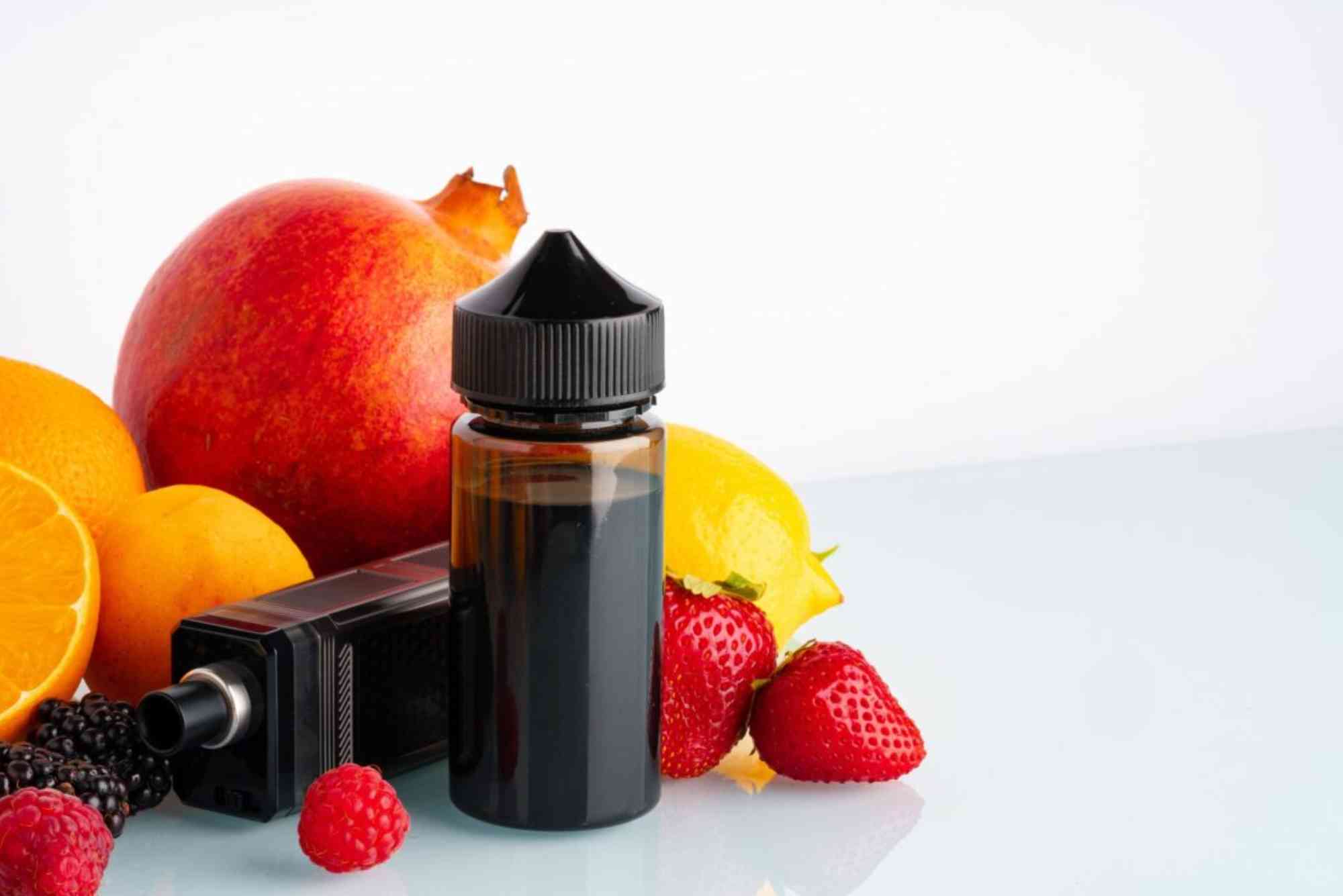
E-liquid, commonly known as vape juice, is the liquid used in vape devices to create vapor. It typically contains a mixture of substances that produce flavor, vapor, and nicotine if desired.
Knowing the typical ingredients helps you understand how your vape works and what you’re inhaling.
The Four Main Ingredients in Vape Juice
- Propylene Glycol (PG)
- Vegetable Glycerin (VG)
- Nicotine
- Flavorings
Each plays a distinct role in your vaping experience.
Propylene Glycol (PG): The Flavor Carrier
Propylene Glycol is a clear, odorless liquid that is widely used in food, cosmetics, and pharmaceuticals. In e-liquids, PG acts as a carrier for flavors and nicotine.
Why PG Matters in E-Liquids
PG is responsible for the “throat hit” sensation many vapers enjoy. This is the feeling similar to the throat scratch when smoking traditional cigarettes. It also carries flavor well, making the taste of your e-liquid more pronounced.
However, some people may find PG slightly irritating or may be allergic, so it’s important to check your body’s response.
Vegetable Glycerin (VG): The Vapor Producer
VG is a thicker liquid derived from vegetable oils. It is known for its sweet taste and smooth texture.
VG’s Role in Vaping
VG produces dense and voluminous vapor, creating the large clouds many vapers love. It has a smoother throat hit compared to PG, making it gentler on the throat.
E-liquids with a higher VG ratio are preferred by those who prioritize vapor production over flavor intensity or throat hit.
Nicotine: The Addictive Component
Nicotine is the addictive substance naturally found in tobacco plants. It is optional in vape juice and available in various strengths.
How Nicotine Affects Your Vaping
Nicotine delivers the characteristic buzz and satisfaction some users seek. Vape juices come in different nicotine levels, from zero to high concentrations, allowing users to control their intake.
It’s crucial to handle nicotine with care because it can be toxic in high amounts.
Flavorings: The Taste Makers
Flavorings used in vape juice are typically food-grade and safe for ingestion. They come in countless varieties—fruity, dessert, menthol, tobacco, and more.
What to Know About Vape Flavorings
Although these flavorings are approved for food, inhalation safety is still being studied. Choosing reputable brands that use high-quality flavorings reduces risk.
Some flavor chemicals like diacetyl have caused concern in the past, so checking ingredient lists and reviews can help you avoid harmful additives.
Additional Ingredients Sometimes Found in E-Liquids
While the main four ingredients are the core of most vape juices, some products include additives such as sweeteners, cooling agents like menthol, or preservatives.
Be cautious of products with unverified additives and always buy from trusted manufacturers.
How to Read E-Liquid Labels Like a Pro
Understanding labels can save you from harmful ingredients and poor-quality juice. Look for:
- PG/VG ratio (e.g., 70/30 means 70% PG and 30% VG)
- Nicotine strength (mg/ml)
- Ingredient list (avoid unknown or suspicious additives)
- Batch testing and certifications (e.g., lab results, FDA compliance)
This knowledge lets you pick the best e-liquid for your needs.
Safety Tips When Handling Vape Juice
- Store e-liquids away from children and pets.
- Avoid contact with skin, especially with high nicotine concentrations.
- Use vape juice within its expiration date.
- Purchase from reputable brands and retailers.
Being informed about e-liquid ingredients and their safe handling ensures a positive vaping experience.
Why Does the PG/VG Ratio Matter?
The balance between PG and VG impacts flavor, throat hit, and vapor production. Beginners often start with a balanced 50/50 mix.
- Higher PG: Stronger flavor, harsher throat hit, less vapor.
- Higher VG: Smoother, more vapor, milder flavor.
Adjusting this ratio lets you tailor vaping to your preferences.
Choosing the Right Nicotine Strength for You
If you’re switching from smoking, higher nicotine strengths (12mg or more) might be suitable initially. Gradually, you can reduce nicotine to lessen dependence.
For those who vape purely for flavor, nicotine-free (0mg) e-liquids are available.
External Insights on Vape Ingredients and Safety
Health organizations such as the CDC and research published by the American Lung Association provide ongoing updates on vaping safety. For more detailed science, you can visit CDC’s vaping page or check research articles on PubMed.
Internal Resources to Enhance Your Knowledge
For deeper insights on vaping devices and maintenance, explore our guides on vape troubleshooting and choosing vape coils. Understanding your device alongside e-liquid ingredients leads to a superior vaping experience.
Making Smarter Vaping Choices
Knowing what’s in your vape juice through this e-liquid ingredients guide helps you vape smarter and safer. From understanding PG and VG to selecting proper nicotine levels and flavorings, you are better equipped to enjoy vaping responsibly.
Remember to always buy quality e-liquids, read labels carefully, and listen to your body.
Ready to find the perfect vape juice for you? Explore our curated list of trusted vape juices and start your vaping journey with confidence today!
Frequently Asked Questions About E-Liquid Ingredients
What is the safest e-liquid ingredient?
Propylene Glycol (PG) and Vegetable Glycerin (VG) are generally recognized as safe when used in e-liquids, but inhalation safety is still studied. Buy from reputable brands to reduce risks.
Can vape juice cause allergies?
Yes, some people may be allergic to PG or certain flavorings. If you experience irritation, try a higher VG ratio or different flavor.
Is nicotine in vape juice harmful?
Nicotine is addictive and can be harmful in high doses. Use it responsibly and keep e-liquids away from children and pets.
Are all flavorings safe to inhale?
Most vape flavorings are food-grade, but not all are tested for inhalation safety. Avoid e-liquids containing diacetyl or other harmful additives.
What does PG/VG ratio mean?
It indicates the proportion of Propylene Glycol to Vegetable Glycerin in the e-liquid, affecting throat hit, flavor, and vapor amount.