
The Importance of Coil Resistance in Vaping
When it comes to vaping, understanding how coil resistance affects your experience is essential. Whether you’re a beginner or a seasoned vaper, the term “coil resistance” shows up frequently — and for good reason. Coil resistance in vaping determines how your device heats the e-liquid, influences the amount of vapor produced, affects flavor intensity, and even plays a role in nicotine delivery. Grasping the concept of coil resistance not only helps improve your vaping experience but also ensures you use your device safely and efficiently.
What Is Coil Resistance in Vaping?
Coil resistance refers to the opposition a vape coil presents to the flow of electric current, measured in ohms (Ω). This electrical resistance dictates how much power (in watts or volts) is needed to heat the coil and vaporize the e-liquid. Lower resistance means the coil allows more current to pass through, while higher resistance restricts it. This seemingly simple concept has a profound impact on various elements of your vape, from cloud production to throat hit.
How Coil Resistance Affects Your Vaping Experience
Flavor and Vapor Production
One of the most noticeable effects of coil resistance is on flavor and vapor output. Low-resistance coils (below 1.0 ohm), often used in sub-ohm vaping, produce more heat. This results in denser vapor and stronger flavor. On the flip side, high-resistance coils (above 1.0 ohm) are ideal for mouth-to-lung (MTL) vaping, offering a more cigarette-like experience with cooler vapor and a gentler throat hit.
Battery Drain and Power Usage
Low-resistance coils demand more power from your battery because they heat up faster and operate at higher wattages. While this results in bigger clouds, it also means your battery will drain quicker. High-resistance coils, by contrast, require less power and are more energy-efficient, making them perfect for those who prioritize battery life over cloud size.
E-Liquid Consumption
If you’re using a low-resistance coil, prepare to refill your tank more often. These coils burn through e-liquid at a faster rate because they vaporize more juice with every puff. High-resistance coils are more conservative, making your e-liquid last longer — an important consideration for budget-conscious vapers.
Nicotine Delivery
Nicotine absorption varies depending on coil resistance and the vaping style. High-resistance coils, typically used with nicotine salts, provide a stronger and quicker hit. Low-resistance coils, suited for freebase nicotine, deliver smoother nicotine effects spread over larger clouds. Understanding this can help you better match your vape setup with your nicotine preferences.
Types of Coil Resistance
Sub-Ohm Coils (<1.0 Ohm)
Sub-ohm coils are designed for direct-to-lung (DTL) vaping. They produce warm vapor, intense flavor, and massive clouds. These coils are ideal for vapers who enjoy high-performance devices and are chasing flavor or cloud production. However, they require more power and consume more juice.
Standard Coils (≥1.0 Ohm)
Standard resistance coils suit mouth-to-lung (MTL) vaping. They’re great for beginners, ex-smokers, or those who want a slower, more controlled vape. These coils extend battery life and reduce juice consumption, offering a more economical and discreet option.
Choosing the Right Coil Resistance for Your Vaping Style
The right coil resistance depends on how you prefer to vape. If you enjoy large clouds and strong flavor, low-resistance sub-ohm coils are your best bet. Pair these with high VG e-liquids and a powerful mod for optimal performance. If you’re looking to simulate smoking or want a stealthier vape with less vapor, high-resistance coils are more appropriate. Use these with higher nicotine levels or nicotine salts for satisfying hits with minimal vapor.
Safety Considerations with Coil Resistance
Understanding Ohm’s Law is crucial when working with coils, especially if you’re using a mechanical mod or rebuilding your coils. Ohm’s Law helps determine how much current your setup will draw and ensures you’re vaping within safe limits. Using coils with too low resistance on a device not built to handle it can lead to overheating, battery venting, or worse. Always check your mod’s minimum resistance limit and battery specifications before experimenting with custom coils.
How to Measure and Adjust Coil Resistance
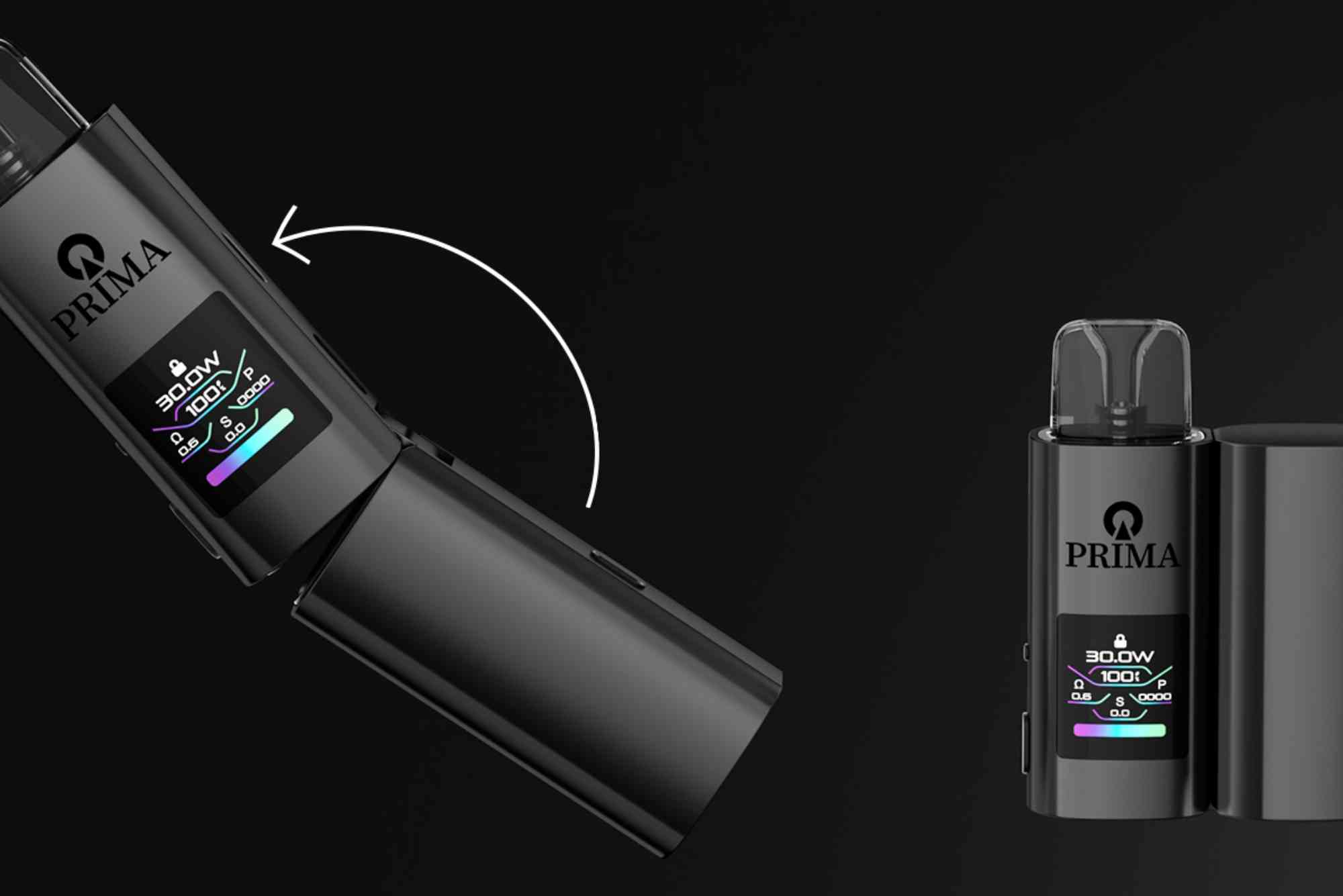
Modern vape mods come with built-in ohm readers that automatically detect the coil’s resistance once it’s installed. This helps you set the appropriate wattage and stay within safe operating limits. Advanced users who build their own coils use an ohm reader or multimeter to test the resistance before firing the device. Adjusting resistance involves using different wire materials, diameters, and coil configurations. For example, using thinner wire or wrapping more coils increases resistance, while thicker wire and fewer wraps decrease it.
Coil Resistance and Temperature Control
Some devices offer temperature control (TC) modes that work with specific wire types like nickel, titanium, or stainless steel. In TC mode, the mod monitors the resistance of the coil as it heats up and adjusts power to maintain a consistent temperature. This prevents dry hits, protects the wick, and extends coil life. TC vaping is particularly useful for advanced users who want precise control over their vaping experience.
Impact of Coil Resistance on Coil Lifespan
Coil lifespan varies with resistance and usage. Low-resistance coils operating at high wattage tend to burn out faster due to the intense heat. These coils may need to be replaced every few days, depending on how frequently you vape. High-resistance coils, being gentler on the wick and e-liquid, can last longer — up to two weeks or more with proper care. Regardless of resistance, regularly cleaning your tank, avoiding dry hits, and priming new coils can significantly extend their lifespan.
Coil Resistance and E-Liquid Compatibility
Not all e-liquids work well with all coil resistances. High VG juices are thicker and best suited for sub-ohm coils that can handle the increased viscosity. Trying to use high VG liquid in a standard coil can lead to dry hits and poor wicking. Conversely, thinner PG-heavy juices or nicotine salts work better in higher resistance coils, which don’t require as much power to produce satisfying vapor. Matching your e-liquid to your coil ensures optimal flavor, smoother vaping, and less risk of coil damage.
Common Mistakes Related to Coil Resistance
A common mistake among new vapers is mismatching coil resistance with device capabilities. Installing a sub-ohm coil in a low-powered device can lead to weak vapor, poor flavor, or battery strain. Another error is using the wrong type of e-liquid with a specific coil resistance, causing spit-back, flooding, or burnt hits. Always read the coil’s recommended wattage range and match it with a compatible e-liquid and device for best results.
Coil Resistance and Vaping Regulations
Some countries and regions impose restrictions on vaping devices, especially those that allow custom builds or very low resistance coils. These laws are often in place for safety reasons, to prevent unregulated usage and potential hazards. Always stay informed about local vaping regulations, especially if you’re traveling or importing hardware. Using regulated mods with built-in safety features and following resistance guidelines helps ensure you remain compliant and safe.
Why Coil Resistance Matters More Than You Think
Coil resistance is far more than just a technical specification — it’s a core element of your vaping experience. From vapor production and flavor to battery usage and safety, every aspect of vaping is influenced by coil resistance. Whether you prefer huge clouds or discreet puffs, selecting the right coil resistance for your device, e-liquid, and style is essential. Don’t overlook it. Learn the basics, experiment within safe limits, and refine your vaping to get the most enjoyment out of every hit.
FAQ
What is a good coil resistance for beginners?
For beginners, a coil resistance of 1.0 ohm or higher is ideal. It provides a mouth-to-lung experience similar to smoking, is easy on the battery, and works well with high-nicotine or nicotine salt e-liquids.
Does lower coil resistance mean more vapor?
Yes, lower coil resistance typically produces more vapor. Sub-ohm coils heat up faster and vaporize more e-liquid, leading to bigger clouds and stronger flavor.
Can I use any coil resistance with any vape mod?
No, always check your device’s specifications. Some mods can’t handle very low resistance and may show an error or fail to fire. Use coils within the recommended ohm and wattage range for your mod.
Why does my coil burn out so quickly?
Coils burn out fast if they’re used at too high wattages, not properly primed, or used with the wrong e-liquid. Low-resistance coils also tend to have shorter lifespans due to higher heat.
How does coil resistance affect nicotine hit?
Higher resistance coils provide a stronger nicotine hit when paired with higher-nicotine or salt-based e-liquids. Lower resistance coils deliver smoother hits with larger clouds, often suited for lower nicotine strengths.