
Introduction
Vaping laws in California have evolved dramatically over the past few years. Once considered a safer alternative to smoking, vaping has now become a focus of strict regulation. Many smokers and vapers are asking the same question: Why did Cali make vaping illegal, and what does harm reduction mean for smokers today?
This guide breaks down the reasons behind California’s vaping restrictions, explores the science of harm reduction, and provides practical advice for those trying to quit smoking without breaking the law.
Understanding Why Cali Made Vaping Illegal
California has long been at the forefront of public health policies. However, recent actions to limit or ban vaping products surprised many. While vaping was once promoted as a harm-reduction tool for smokers, growing concerns over youth use and public health risks have led to sweeping legislation.
The Main Reasons Behind the Ban
The move to restrict vaping in California stems from three major concerns:
Rising Youth Vaping Rates
Teen vaping reached alarming levels, leading lawmakers to take aggressive steps to curb access. Studies showed that flavored e-liquids were a major gateway for underage users.
Public Health Uncertainty
Though vaping eliminates tobacco combustion, concerns about long-term inhalation of chemicals and heavy metals remain. California’s health authorities cite a lack of conclusive data on long-term safety as a reason for regulation.
Marketing and Accessibility Issues
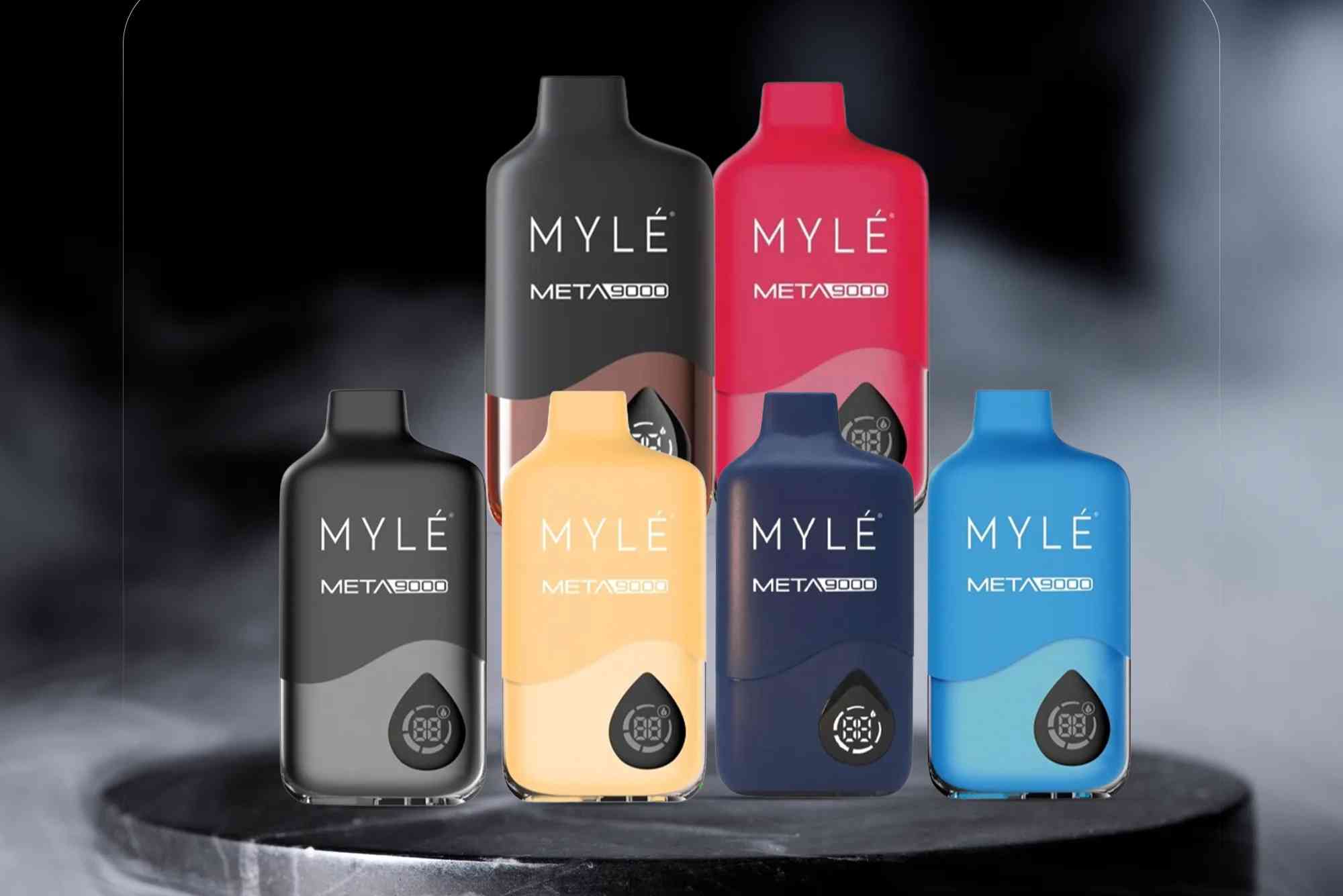
Many vape brands marketed products with bright packaging and candy flavors, appealing directly to teens. This marketing approach sparked outrage and fueled the call for tighter restrictions.
For official legal updates and bill details, refer to California Legislative Information — vaping statutes & bills for up-to-date legislative documents and amendments.
What Does the Law Actually Say?
California has not outright banned all vaping products but has made significant restrictions on their sale and distribution.
Flavored Vape Ban
The SB 793 bill, passed in 2020 and upheld by voters in 2022, prohibits the sale of flavored tobacco products, including most flavored vapes. This law aims to reduce youth initiation into nicotine use.
Nicotine and E-Cigarette Taxation
California imposes high excise taxes on e-cigarettes, making vaping less financially appealing compared to quitting altogether.
Retail Licensing and Distribution
Vape shops must comply with strict licensing requirements. Unlicensed online sales and cross-border purchases are heavily monitored to prevent black-market activity.
These rules reflect a growing national trend of states shifting from harm reduction toward strict nicotine control.
Harm Reduction: What It Really Means for Smokers
Harm reduction doesn’t mean promoting nicotine—it means minimizing the damage caused by its use. For decades, public health experts have encouraged harm reduction strategies to help smokers transition away from combustible tobacco.
Vaping as a Harm Reduction Tool
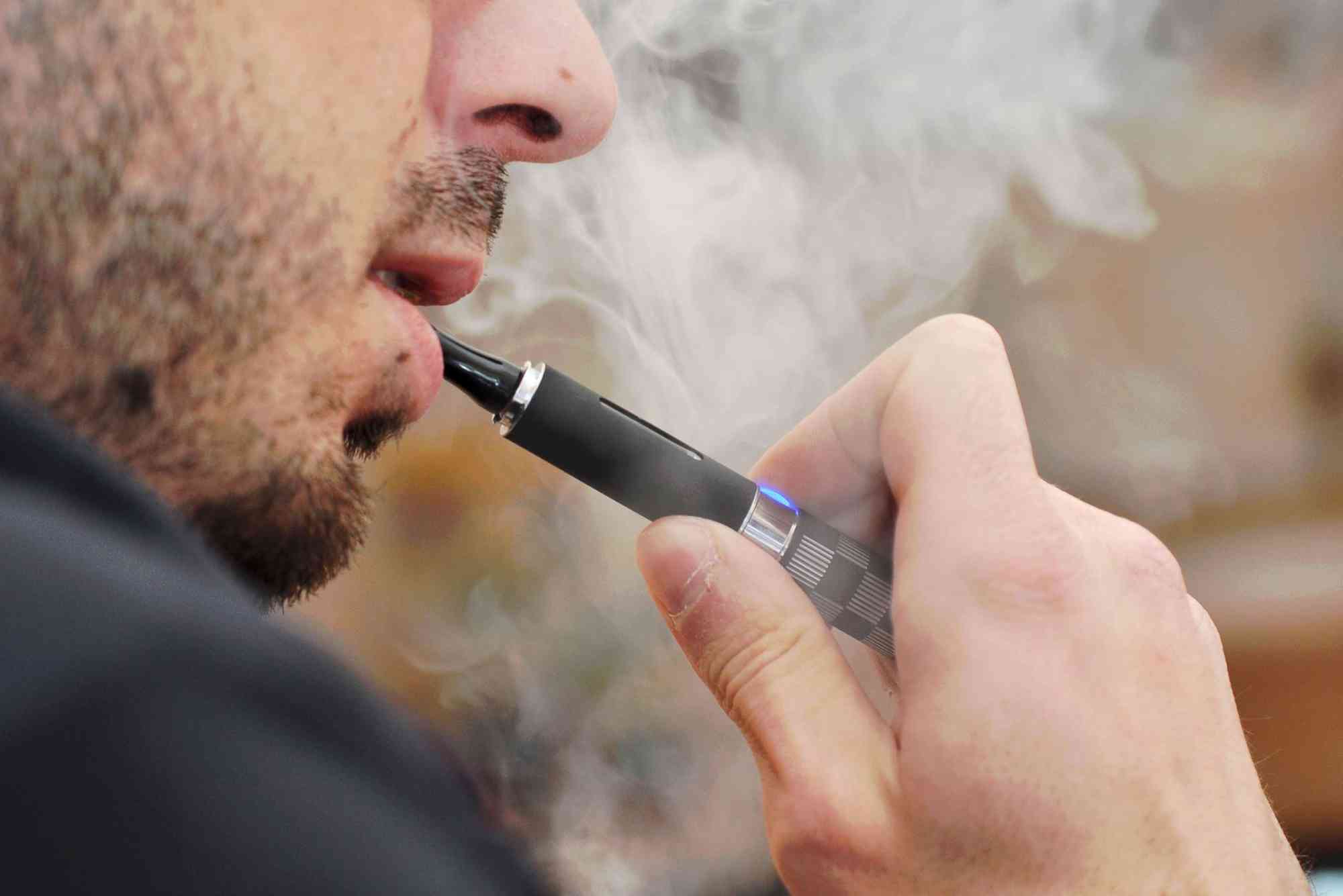
When used responsibly, vaping can significantly reduce exposure to the thousands of harmful chemicals found in cigarettes. The UK’s Public Health England once stated vaping was “95% less harmful” than smoking. However, California’s health authorities have taken a more cautious stance, emphasizing that less harmful doesn’t mean harmless.
Why California Shifted Away from Harm Reduction
California’s concern lies in dual use—smokers who vape but don’t fully quit cigarettes. Studies show these individuals may not experience the expected health benefits. Lawmakers argue that harm reduction loses its value when vaping becomes an addition rather than a substitution.
Harm Reduction Beyond Vaping
Other methods of harm reduction are still encouraged in California, such as:
- Nicotine replacement therapy (NRT) like patches and lozenges
- Prescription medications to reduce cravings
- Behavioral counseling for long-term support
These evidence-based approaches remain legal and effective for smokers seeking to quit safely.
How the Ban Affects Smokers and Vapers
For California smokers, the shift in law creates new challenges. Many who relied on vaping to quit now find fewer options available.
Impact on Smokers Trying to Quit
Smokers attempting harm reduction through vaping may feel left behind. However, health agencies encourage exploring alternative cessation programs and consulting healthcare providers for guidance.
The Rise of the Black Market
Where restrictions tighten, illegal markets often follow. California’s black-market vape trade has grown, raising concerns about unregulated and unsafe products. These untested vapes may contain harmful additives or inconsistent nicotine levels, posing greater health risks than legal alternatives.
Social and Economic Consequences
The vaping industry once supported small businesses across the state. Many vape shops have since closed or pivoted to selling other smoking cessation tools. The state continues to balance public health priorities with the economic effects of regulation.
Scientific Evidence: Vaping vs. Smoking
The debate around vaping is complex. While vaping eliminates combustion, the process still releases aerosols containing nicotine and other chemicals.
What Research Shows
- Short-Term Effects: Vaping generally exposes users to fewer toxins than cigarettes.
- Long-Term Effects: Still under investigation; early evidence shows possible risks to lung and cardiovascular health.
- Addiction Risks: Nicotine in e-liquids remains highly addictive and can rewire the brain, especially in young users.
California’s cautious approach aligns with the precautionary principle—protecting public health while data continues to evolve.
What Every Smoker Should Know
If you are a smoker or vaper in California, here’s what you need to know moving forward:
Know the Law
Always check local regulations before purchasing or using vaping products. Rules vary by county and city.
Choose Certified Alternatives
If vaping is part of your quit plan, ensure products are lab-tested, legally sold, and compliant with California law.
Prioritize Health Over Habit
Focus on nicotine reduction, not substitution. Work toward complete cessation rather than dependence on alternative devices.
Seek Professional Help
California offers free quitline services, online support, and behavioral programs for those ready to quit.
The Future of Vaping and Harm Reduction in California
As the science around vaping develops, California’s laws may evolve again. The conversation is shifting from banning to balancing—finding a middle ground between protecting youth and supporting adult smokers.
Health experts advocate for transparent research and safe regulation rather than total prohibition. If reliable harm reduction tools emerge, California may adjust its stance to support smokers who genuinely want to quit.
FAQs
Is vaping completely banned in California?
No, vaping isn’t entirely banned. However, flavored e-liquids and unlicensed sales are illegal.
Why did California ban flavored vapes?
Lawmakers targeted flavored vapes due to their appeal to youth and their link to rising teen nicotine addiction.
Can I still buy vape products in California?
Yes, but only unflavored or tobacco-flavored products sold by licensed retailers. Online sales face strict verification rules.
Is vaping safer than smoking?
Vaping is likely less harmful than smoking, but not risk-free. The safest option remains quitting all nicotine products.
What are the alternatives to vaping for quitting smoking?
Nicotine patches, gum, lozenges, and counseling are effective harm reduction alternatives.
California’s decision to restrict vaping highlights the state’s commitment to protecting public health, especially among youth. While the laws have made vaping harder for smokers seeking harm reduction, they also serve as a reminder to focus on the ultimate goal—quitting nicotine entirely.
Smokers today must navigate a complex legal and health environment, balancing personal needs with public policy. The good news is that there are still safe, legal, and effective ways to quit.