
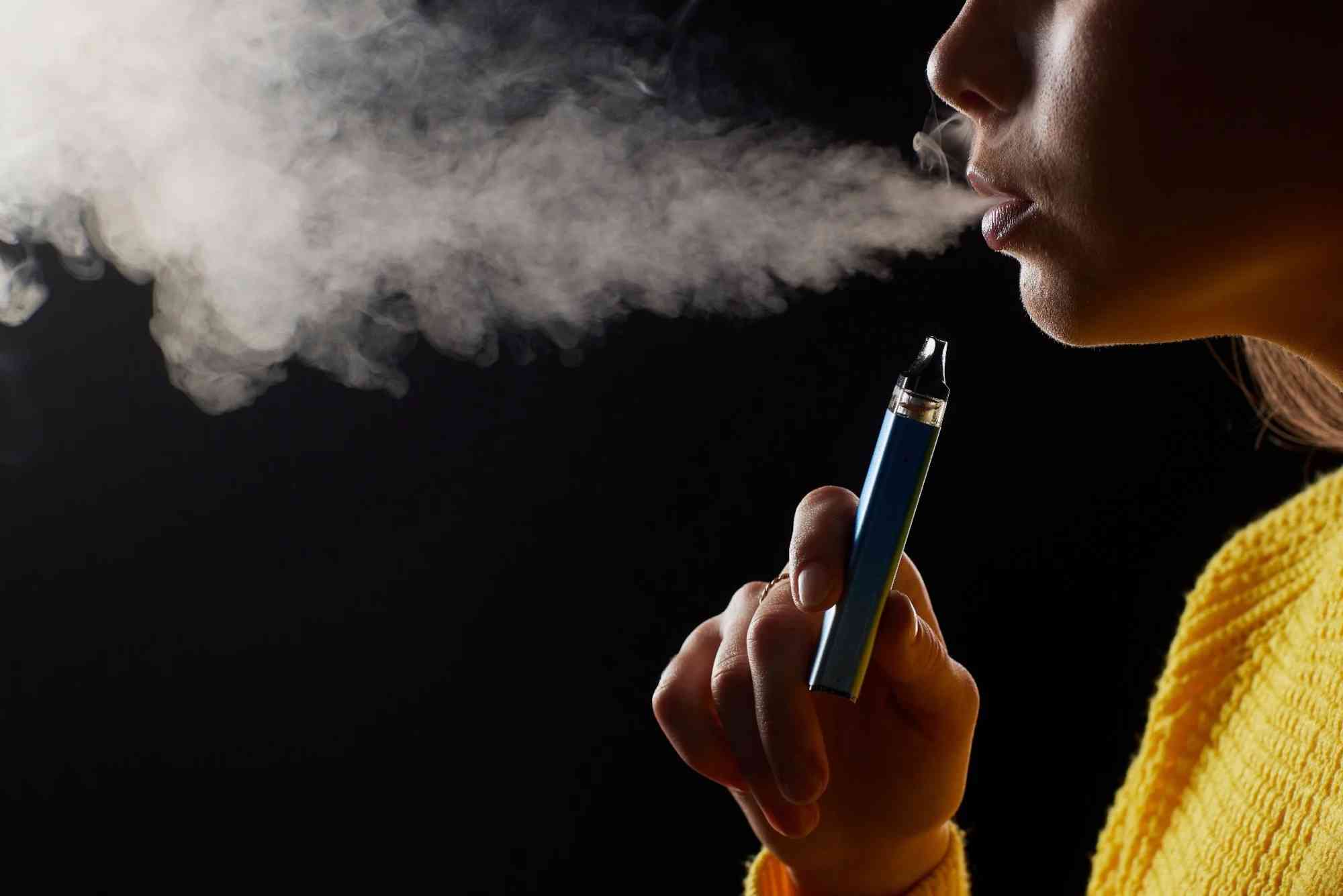
Vaping has evolved into a personalized experience, especially for cloud chasers who love big, thick vapor clouds. One of the key elements in achieving dense vapor is airflow. If you’ve ever wondered how airflow and cloud vaping go hand in hand, you’re in the right place.
Whether you’re just starting or are deep into vaping culture, understanding the role of airflow can dramatically improve your cloud production, flavor quality, and overall vaping experience.
What Is Airflow in Vaping?
Airflow refers to the movement of air through your vape device while you inhale. It might sound simple, but how air moves — and how much of it — determines how much vapor your device produces, how warm or cool your hit feels, and how intense the flavor is.
How It Works
When you draw on your vape, air enters through intake holes, mixes with the vaporized e-liquid, and exits as a cloud. More airflow usually cools the vapor and dilutes flavor, while tighter airflow (less air) intensifies the taste but may reduce cloud size. The sweet spot lies in adjusting your device to match your vaping style.
Why Airflow Matters for Cloud Vaping
For cloud chasers, airflow isn’t just a feature—it’s a critical tool. Adjusting airflow can dramatically impact your vapor output. Devices designed for direct-to-lung (DTL) hits typically feature larger air channels, which support bigger clouds.
On the flip side, restricted airflow tends to suit mouth-to-lung (MTL) users, offering better flavor but less vapor. That’s why understanding airflow and cloud vaping is essential if you want to control your results.
Effects of Airflow on Cloud Production
- Open airflow: More air passes through, resulting in cooler, larger clouds.
- Tight airflow: Less air leads to warmer, denser vapor with stronger flavor.
- Balanced airflow: A good middle ground that maximizes vapor while retaining flavor.
Factors That Influence Airflow and Cloud Vaping
Several elements work together to determine how airflow affects your vape clouds. Let’s take a closer look at the most important ones.
Coil Resistance and Build
Lower resistance coils (sub-ohm) generate more heat, which produces more vapor. But they also need more airflow to stay cool and avoid dry hits. High-resistance coils, often used for MTL vaping, don’t need as much airflow.
Wattage Settings
High wattage heats the coil faster, vaporizing more e-liquid and making larger clouds. However, without the right airflow, this can lead to overheating and a burnt taste.
E-liquid VG/PG Ratio
Vegetable Glycerin (VG) produces thicker clouds, while Propylene Glycol (PG) offers better flavor and throat hit. Cloud chasers usually prefer high VG liquids, but proper airflow is still essential to vaporize them effectively.
Airflow Direction and Design
Some vape tanks feature bottom airflow, while others use side or top designs. Bottom airflow generally enhances flavor and cloud density by directing air under the coils. Understanding these designs helps you make better choices for cloud vaping.
How to Optimize Airflow for Maximum Cloud
Mastering airflow is about finding the right balance between vapor volume and flavor satisfaction. Here are the main techniques vapers use.
Adjust the Airflow Ring
Most modern devices include adjustable airflow rings at the base or top of the tank. If you’re chasing clouds, keep the airflow wide open. For flavor, tighten it slightly to concentrate the vapor.
Use the Right Inhalation Technique
Direct-to-lung (DTL) inhales are best for cloud vaping. They pull a large volume of air through the device, which is necessary to generate thick clouds. A mouth-to-lung inhale, like smoking a cigarette, won’t produce the same effect.
Match Your Coil and E-liquid to the Airflow
Cloud vaping works best with sub-ohm coils and high-VG juice. Pair these with open airflow and a high wattage for dense vapor. If you’re getting dry hits or weak clouds, adjust one component at a time to find the sweet spot.
Common Mistakes with Airflow and Cloud Vaping
Even experienced users sometimes struggle with airflow settings. Here are the most common pitfalls and how to avoid them:
- Too much airflow: Can cause flavor loss and cool vapor that feels weak.
- Too little airflow: Leads to overheating, spit-back, or burnt hits.
- Wrong coil type: Using a high-resistance coil for cloud vaping won’t yield good results.
- Mismatched VG/PG ratio: Thin liquids with high PG don’t produce big clouds, even with good airflow.
How Device Design Impacts Airflow and Clouds
Different vape devices offer unique airflow dynamics. Understanding how your gear works is key to mastering airflow and cloud vaping.
Pod Systems vs. Box Mods
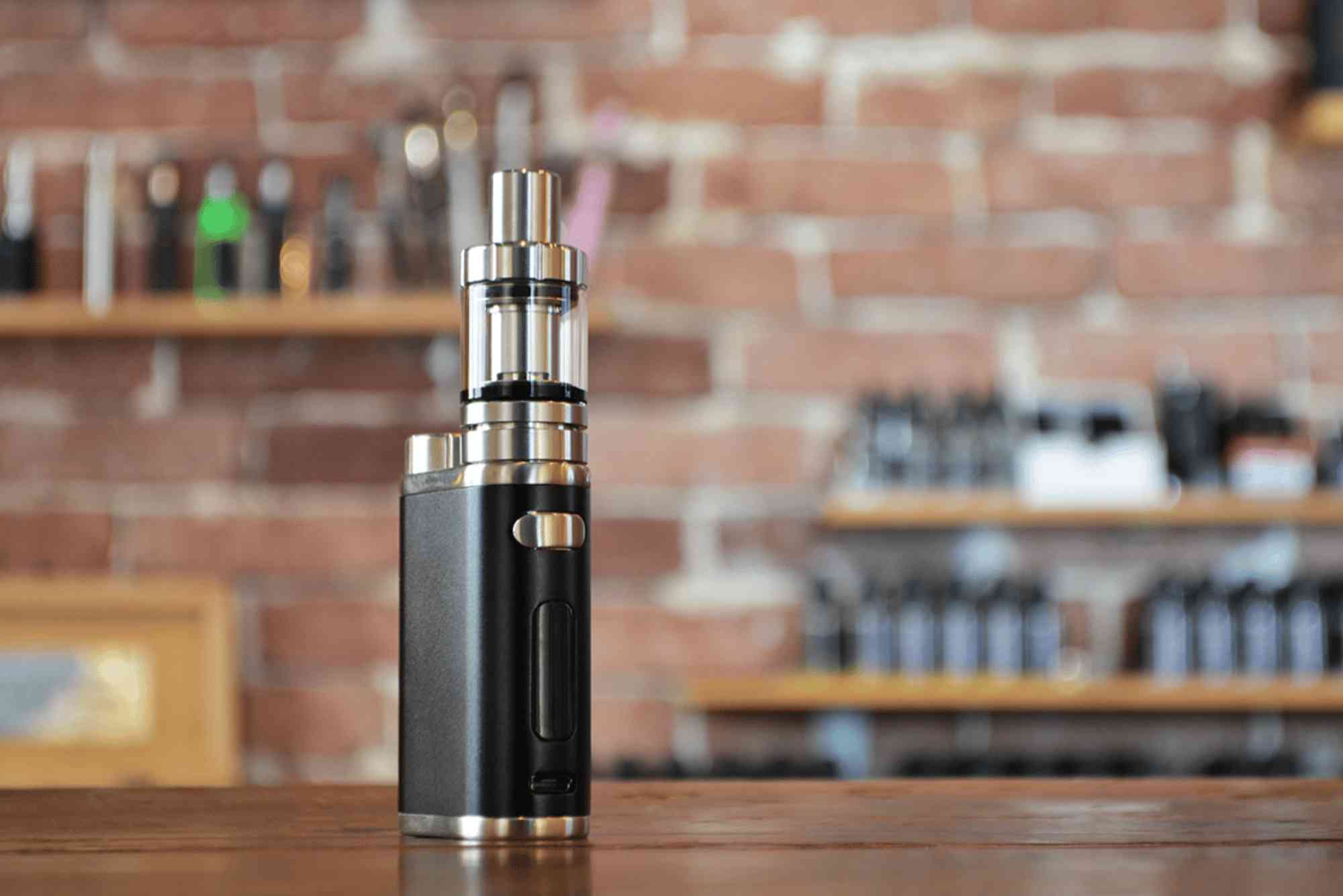
Pod systems typically have restricted airflow and are not ideal for cloud production. They’re great for nicotine delivery and MTL hits. Box mods with adjustable tanks, however, are built for customization and cloud chasing.
RDA vs. Sub-ohm Tanks
Rebuildable Dripping Atomizers (RDAs) allow full control over coil placement and airflow direction, giving advanced users superior cloud capabilities. Sub-ohm tanks are easier to use and still support decent airflow adjustments.
FAQs About Airflow and Cloud Vaping
What airflow setting is best for clouds?
Wide-open airflow is ideal for cloud production. It allows more air through the coil, creating larger, cooler vapor clouds. Combine it with high-VG juice and sub-ohm coils.
Does more airflow mean bigger clouds?
Generally, yes. More airflow helps vaporize more e-liquid at high wattage, resulting in thicker clouds. But too much airflow can reduce flavor, so balance is key.
Can I adjust airflow on any vape?
Most modern devices come with adjustable airflow, but not all. Basic pod systems may not offer customization. If you want cloud control, choose a device with this feature.
How does airflow affect flavor?
Tighter airflow enhances flavor because vapor is more concentrated. However, it can limit cloud size. Finding the right balance depends on your vaping goals.
What’s the difference between MTL and DTL airflow?
MTL (mouth-to-lung) airflow is tighter, mimicking smoking and producing less vapor. DTL (direct-to-lung) is looser, allowing bigger hits and clouds. Cloud chasers prefer DTL.
Take Control of Your Clouds
Airflow is one of the most influential elements in cloud vaping. When properly managed, it can enhance vapor size, flavor intensity, and overall satisfaction. Whether you’re experimenting with different devices or tuning your current setup, understanding airflow and cloud vaping is essential.