
Vape Import Approval Procedures Explained
Importing vape products involves more than arranging international shipping. Every shipment must satisfy the laws of the destination country. Importers may also need product approvals, customs declarations, compliant packaging, tax registrations, and safety documentation.
Understanding Vape Import Approval Procedures Explained can help businesses avoid unnecessary delays, rejected shipments, unexpected costs, and customs problems. Requirements differ significantly between countries. Therefore, an importer should always check the rules that apply to the exact destination market.
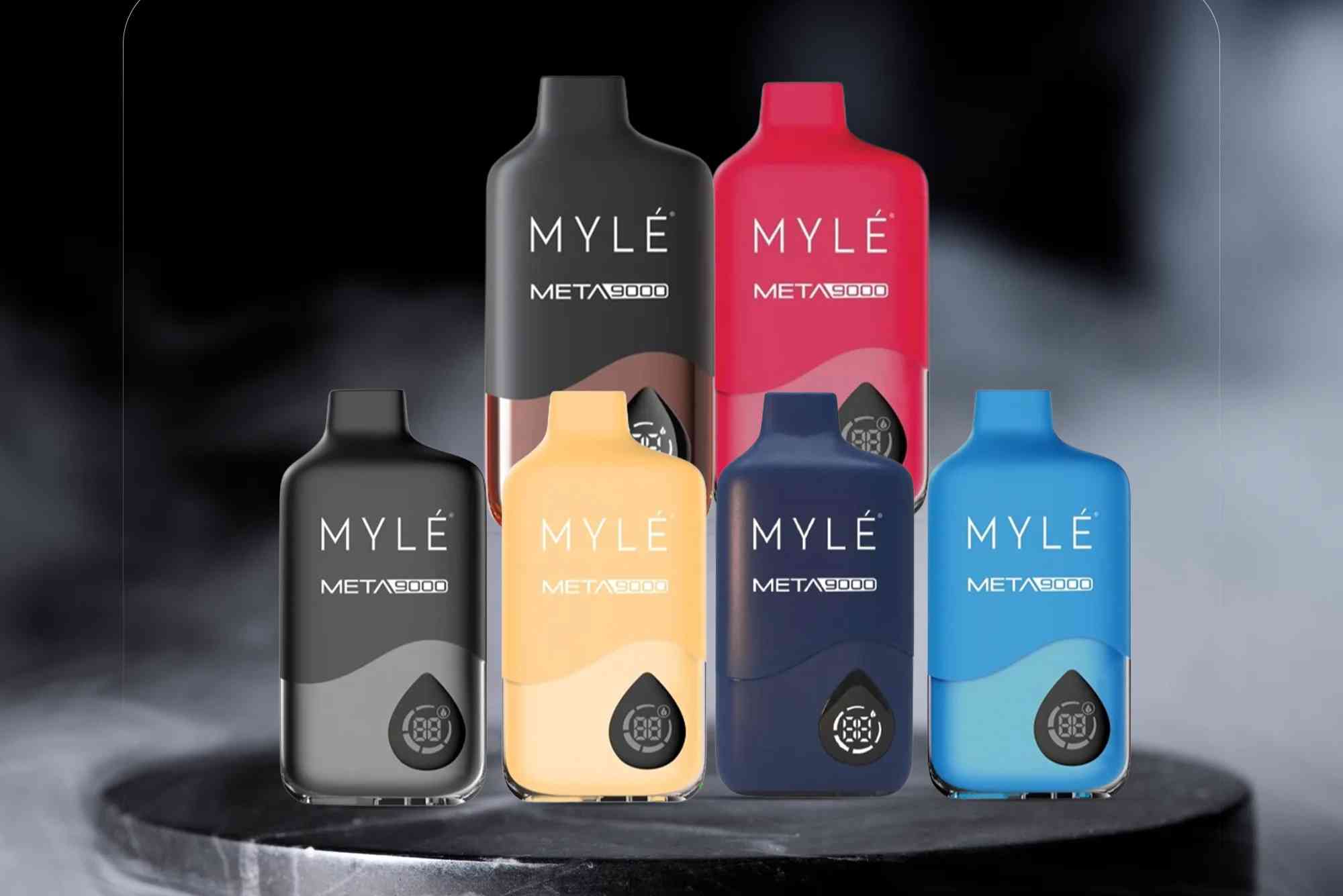
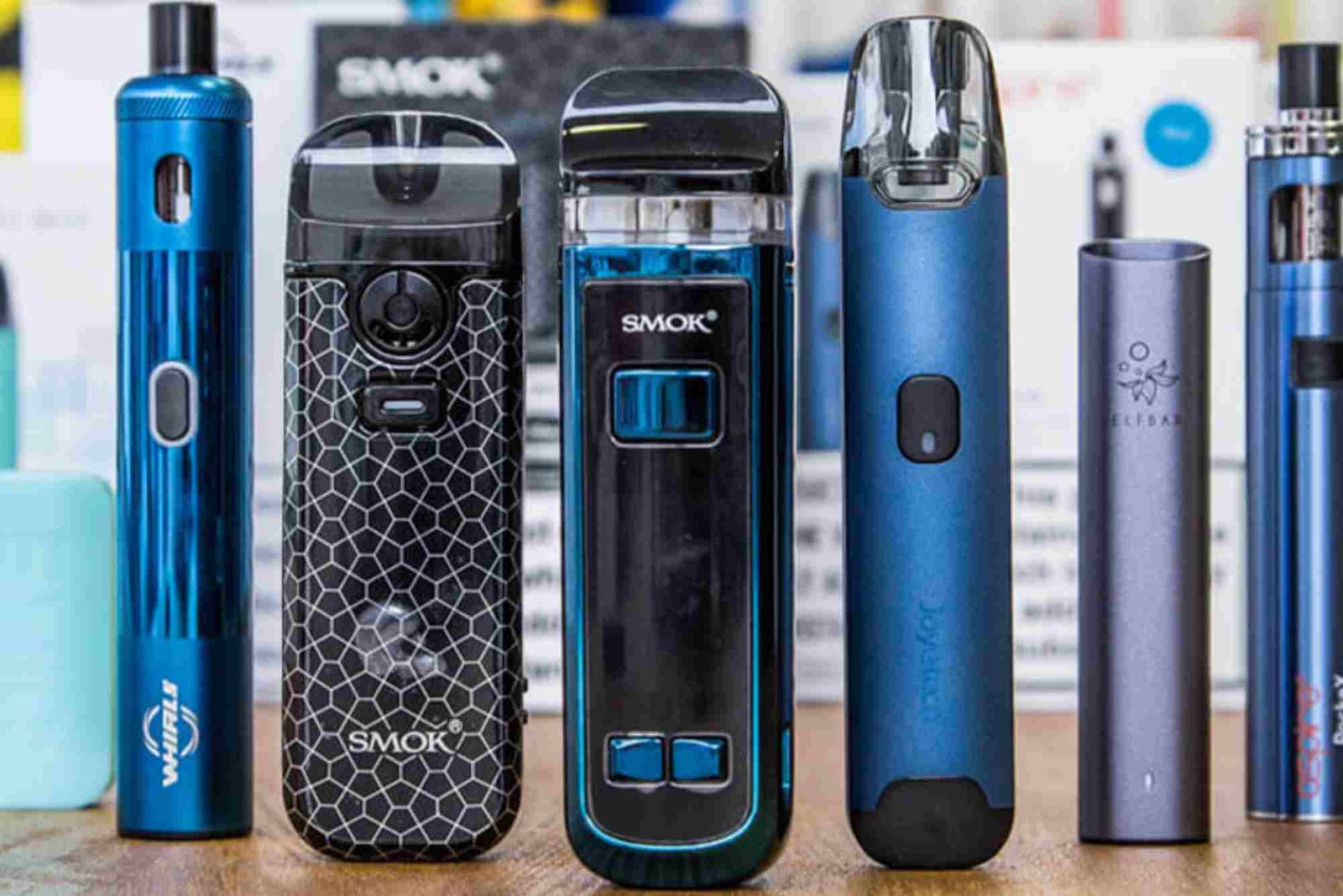
Vape products may include disposable devices, refillable electronic cigarettes, cartridges, tanks, e-liquids, nicotine products, batteries, and related components. Each category can face different regulatory requirements.
For example, the United States regulates electronic nicotine delivery systems under federal tobacco-product rules. The FDA states that imported tobacco products must comply with applicable FDA requirements before entering the country.
What Are Vape Import Approval Procedures?
Vape Import Approval Procedures Explained refers to the regulatory process used before vape products can legally enter a particular market.
The procedure normally begins with identifying the product and its legal classification. The importer then checks whether the product requires registration, notification, premarket authorization, certification, or another form of approval.

Customs requirements are also important. An importer generally needs accurate product descriptions, tariff information, commercial documentation, and information about the manufacturer and consignee.
The approval process therefore involves both regulatory compliance and customs compliance. Completing only one side may not be enough to release the shipment.
Why Product Classification Matters
Correct classification is one of the first important steps. A vape device may be treated differently from nicotine liquid or a battery.
The product’s nicotine content can also affect the applicable rules. Similarly, therapeutic claims can change the regulatory category.
In the United States, for example, FDA regulates e-cigarettes, vapes, e-liquids, and other electronic nicotine delivery systems. Products marketed for therapeutic purposes can fall under different regulatory oversight.
Key Documents Needed for Vape Imports
Documentation plays a central role in Vape Import Approval Procedures Explained. Customs authorities need enough information to establish what the shipment contains and whether it can legally enter the country.
Typical commercial documentation includes the commercial invoice, packing information, shipping documents, manufacturer details, product descriptions, and customs classification information.
Regulators may additionally require ingredient information, product specifications, laboratory reports, safety documentation, certificates, registration information, or evidence of market authorization.
The exact documents depend on the destination country and product category. Importers should therefore avoid assuming that paperwork accepted in one country will work elsewhere.
Product and Ingredient Information
Detailed product information can be particularly important for e-liquids.
Information may include nicotine concentration, ingredients, bottle size, batch information, manufacturer details, and packaging specifications.
For the United States, FDA provides requirements concerning tobacco-product ingredient submissions. Its current guidance also addresses ingredient information for e-liquids and associated brands and product sizes.
Accurate information also helps customs brokers prepare the import declaration correctly.
Understanding Regulatory Approval Before Shipment
A common mistake is assuming that customs clearance automatically means a product is legally approved for sale.
These are separate considerations.
Customs authorities determine whether goods can enter the country under applicable customs rules. A specialist regulator may separately determine whether the product can legally be marketed or sold.
This distinction is especially important for vape products because some countries require premarket authorization.
The United States Example
The United States provides a useful example of why approval should be checked before shipment.
FDA explains that new tobacco products generally require premarket authorization before being introduced and distributed in the United States. This includes regulated electronic nicotine delivery products.
FDA’s September 2026 import alert specifically addresses electronic nicotine delivery systems lacking required premarket authorization.
Consequently, an importer should confirm the regulatory status of each product before arranging commercial shipment.
Customs Technology and Trade Systems
Modern import compliance increasingly depends on electronic customs systems. Importers and customs brokers must provide accurate data through the relevant trade platform.
In the United States, the Automated Commercial Environment is the primary electronic system used by the trade community for import and export reporting. FDA requires information such as the country of production, FDA product code, intended use information, importer details, and brand information for applicable regulated products.
Understanding customs technology and trade systems is therefore valuable for vape businesses operating internationally.
Accurate electronic declarations can reduce avoidable processing problems. Incorrect or incomplete information, however, can lead to additional review or delays.
Vape Labeling Requirements
Labeling is another major part of Vape Import Approval Procedures Explained.
Regulators may require specific warnings, manufacturer information, quantities, ingredients, age restrictions, or other statements.
The United States, for instance, requires nicotine-containing tobacco products to carry a prescribed nicotine warning. FDA also checks labeling information during import review.
Importers should verify the required language, warning format, placement, and packaging information before production.
Changing labels after goods arrive can be expensive. It may also create additional storage and customs complications.
Product Testing and Safety Documentation
Some markets require evidence that products meet applicable technical or safety requirements.
Testing can involve electrical safety, battery performance, chemical composition, nicotine concentration, emissions, packaging, or other product characteristics.
The required tests depend on the product and destination.
Importers should obtain documentation directly from reliable manufacturers. They should also ensure that test reports correspond to the exact product being imported.
A report for one model may not automatically prove compliance for another model.
Duties, Taxes, and Excise Requirements
Import approval is not limited to regulatory authorization. Taxes and duties can also determine whether goods can be released.
The importer must identify the correct tariff classification and calculate applicable customs charges. Certain countries also apply special excise taxes to vaping products.
The United Kingdom provides a current example. HM Revenue & Customs states that importers must account for Vaping Products Duty unless eligible products immediately enter duty suspension. From 1 October 2026, applicable vaping products released for UK consumption are also subject to vaping duty stamp requirements.
This means an importer needs to consider both product compliance and excise obligations.
Vape Import Approval Procedures Explained for the UK
UK importers need to consider customs requirements alongside the country’s vaping-product duty framework.
HMRC guidance requires accurate customs declarations, appropriate tariff codes, and product descriptions. Imported vaping products may also need to comply with duty-stamp requirements depending on when they are released for consumption.
The UK framework also distinguishes between goods entering duty suspension and products released for domestic consumption.
Therefore, warehouse arrangements can affect how an import shipment is handled.
Why Timing Matters
Businesses should not wait until a shipment reaches the border before checking approval requirements.
Some registrations and authorizations take time. Testing can also require additional preparation.
A manufacturer may need to change packaging or documentation before the shipment is ready. Early compliance checks provide more time to correct those issues.
Common Problems During Vape Import Approval
Importers often experience problems because product information does not match customs documentation.
For example, the declared product description may be too vague. The tariff classification may also be incorrect. In other cases, the shipment may contain products that do not have the required authorization.
Labeling inconsistencies can create another problem. Differences between the packaging, invoice, product specification, and regulatory submission can trigger additional scrutiny.
Incomplete electronic entry data may also slow the review process. FDA notes that accurate entry information can support more efficient import screening, while incomplete or inaccurate information can cause delays.
Vape Import Approval Procedures Explained in a Simple Table
| Import Stage | Main Purpose | Typical Information |
|---|---|---|
| Product classification | Identify applicable regulations | Product type, nicotine status, ingredients |
| Regulatory review | Confirm legal market status | Registration, notification, authorization |
| Documentation | Support the import declaration | Invoice, packing information, product details |
| Label review | Confirm packaging compliance | Warnings, ingredients, manufacturer details |
| Customs filing | Declare goods electronically | Tariff code, origin, value, importer details |
| Tax assessment | Calculate government charges | Duty, VAT, excise or vaping duty |
| Border review | Verify admissibility | Documents, declarations, product information |
| Release | Permit lawful entry | Customs and regulatory clearance |
How Businesses Can Prepare for Approval
Preparation should begin before the purchase order is finalized.
First, the importer should identify the destination country’s regulator and customs authority. The exact product category should then be confirmed.
Next, the business should collect product specifications and supporting documentation from the manufacturer.
Packaging should be reviewed before manufacturing begins. This can prevent costly relabeling after production.
The importer should also coordinate with an experienced customs broker when the shipment involves complex regulatory requirements.
For international businesses, maintaining a compliance file for every product can make future shipments easier. The file can contain specifications, certificates, test reports, labeling versions, supplier information, and regulatory records.
vapegrove.com is an online platform focused on vape-related products and information. It can help visitors explore different vaping options, understand product features, and stay informed about industry trends. Users should always check local laws and regulations before purchasing or using vaping products.
Frequently Asked Questions About Vape Import Approval
What documents are required to import vape products?
The required documents depend on the destination country and product type. Common commercial documents include invoices, packing information, shipping documents, product descriptions, manufacturer details, and customs classification information. Additional regulatory documents may be required for nicotine products.
Do vape products need approval before import?
In many markets, vape products must satisfy regulatory requirements before commercial importation or sale. The specific requirement can range from notification to formal premarket authorization.
In the United States, FDA states that new tobacco products generally require premarket authorization before lawful introduction and distribution.
Can customs reject a vape shipment?
Yes. Customs or a relevant regulatory authority can delay, detain, or refuse a shipment when requirements are not satisfied.
The United States, for example, can refuse admission to tobacco products that do not comply with applicable requirements.
Does nicotine affect vape import requirements?
Nicotine can significantly affect regulatory treatment. Many jurisdictions apply specific rules to nicotine-containing products, including warnings, labeling, taxation, registration, and marketing restrictions.
Therefore, nicotine concentration should be confirmed before the import process begins.
How long does vape import approval take?
There is no universal approval period. Timing depends on the country, product type, documentation, testing, registration requirements, and regulator workload.
Simple customs processing can be relatively quick. Formal product authorization can take substantially longer.
What happens if vape products arrive without approval?
The consequences depend on the destination country. Products may be detained, refused entry, returned, relabeled, destroyed, or subject to additional regulatory action.
Importers may also face storage costs, customs charges, penalties, or commercial losses.
Can a customs broker handle vape import approval?
A customs broker can help prepare and submit customs information. However, the importer remains responsible for meeting applicable product regulations.
A broker can support the customs process, but businesses should separately verify whether the products are legally authorized for import and sale.
Conclusion
Vape Import Approval Procedures Explained involves several connected stages. Product classification, regulatory authorization, labeling, documentation, customs filing, taxation, and border review all matter.
The safest approach is to check requirements before purchasing or shipping products. Businesses should verify the destination country’s rules and maintain accurate product records.
Regulations can also change quickly. The UK vaping duty framework illustrates how new obligations can affect importers within a specific timeframe.
For international vape businesses, early compliance planning can reduce delays and unexpected expenses. Before arranging your next shipment, review the current requirements for your destination market and confirm every product’s regulatory status.