
Introduction
The modern landscape of nicotine consumption has shifted dramatically over the past decade. Traditional cigarettes are slowly taking a back seat to sleek, electronic alternatives. Yet, this shift brings a wave of public concern, media hype, and scientific debate. When people ask, “Is Define e cigarettes a Real Vape Risk or Just a Myth?” they are often caught between alarmist headlines and aggressive marketing. Understanding the reality requires stripping away the noise and looking at what health experts actually say. Navigating this topic means confronting hard facts about chemistry, lung health, and nicotine addiction. Let us dive deep into the science to uncover whether these fears are justified or exaggerated.
The Evolution of Vaping and Modern Devices
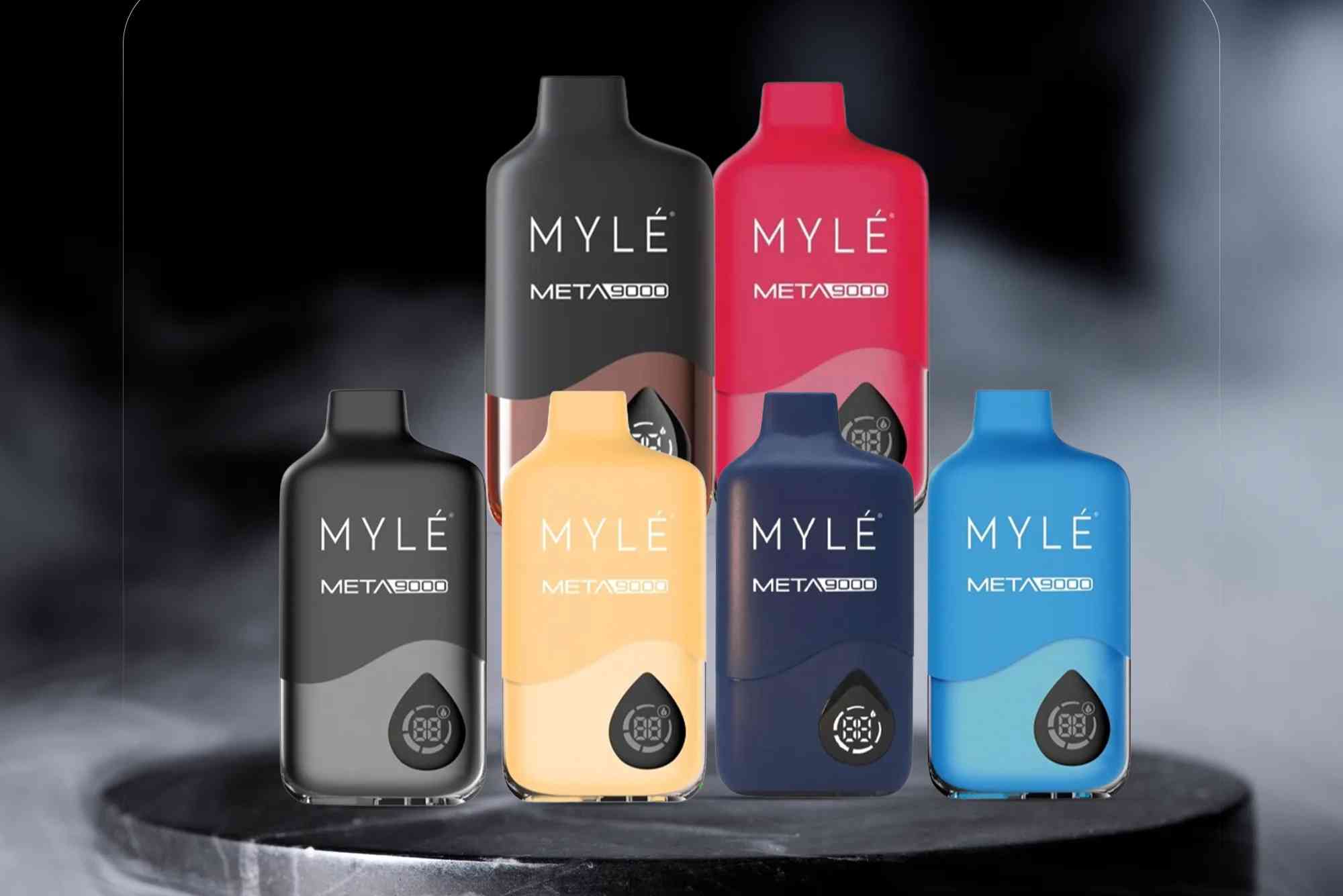
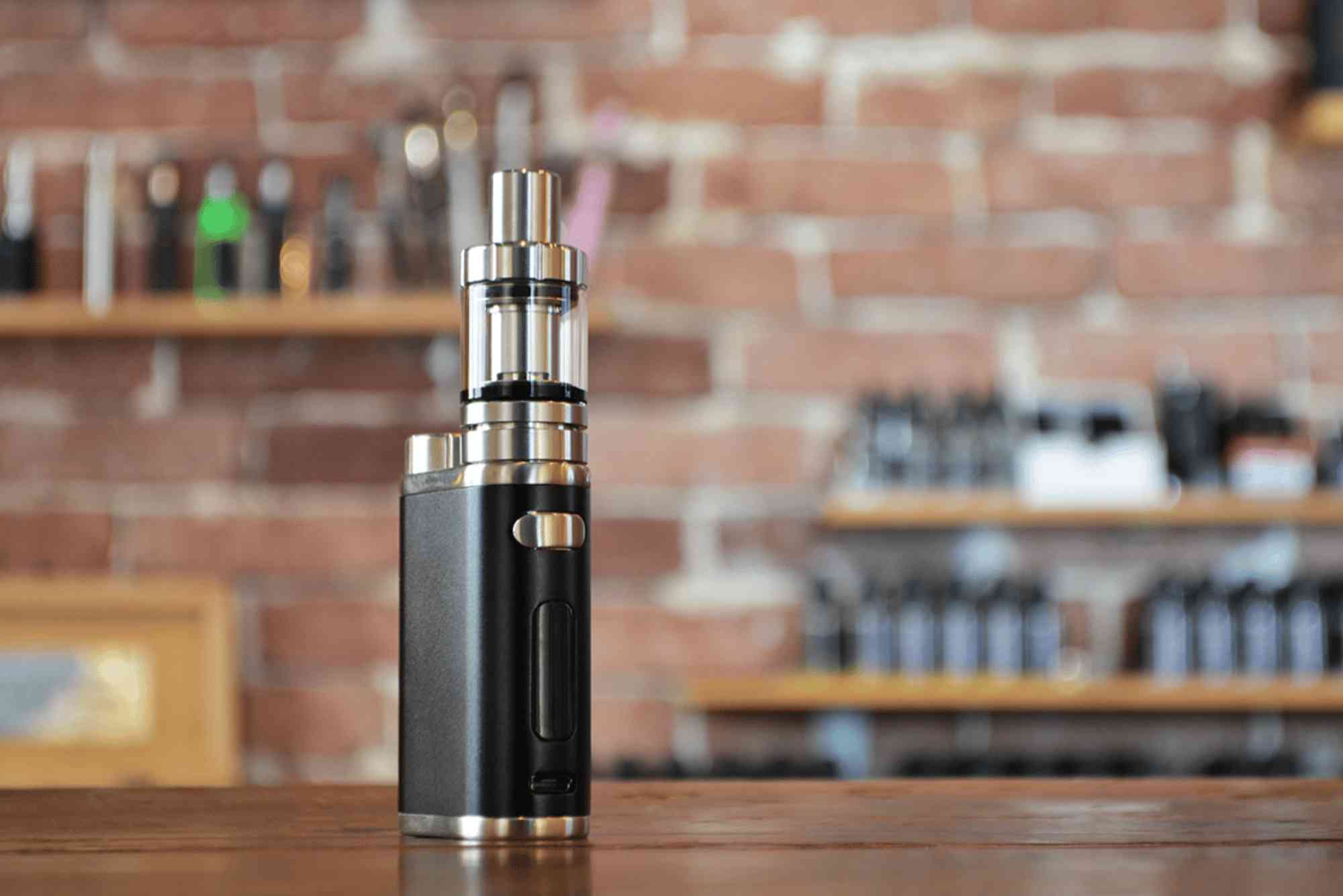
Vaping technology has evolved rapidly since its commercial inception. Early devices resembled traditional tobacco products, often called cigalikes. Today, the market features advanced pod systems, box mods, and disposable units. Many users wonder about the core mechanics of these gadgets. Essentially, they heat a liquid solution to create an aerosol that the user inhales. According to the CDC — What is an e-cigarette? overview , these devices typically contain nicotine, flavorings, and other chemicals. The terminology surrounding these devices can sometimes confuse everyday consumers. Furthermore, the sheer variety of products makes standardizing safety regulations exceptionally difficult. Manufacturers constantly tweak designs to deliver smoother hits and higher nicotine concentrations. This constant innovation keeps regulatory bodies on their toes trying to assess risks. Ultimately, the device you hold today operates quite differently from the models released ten years ago.
Deconstructing the Chemical Profile of Vape Aerosols
Many consumers mistakenly believe that vaping produces harmless water vapor. In reality, the plume you exhale is an aerosol containing multiple chemical compounds. When e-liquids are heated, thermal degradation occurs within the atomizing chamber. This process generates substances like formaldehyde, acrolein, and heavy metal nanoparticles. While concentrations are often lower than in conventional cigarette smoke, they are not zero. Inhaling these foreign particulates directly into delicate lung tissue carries inherent biological costs. Moreover, the flavoring agents used to make these products appealing are designed for ingestion, not inhalation. Heating food-grade flavorings can alter their molecular structure into toxic compounds. Therefore, dismissing these chemical exposures as a complete myth is scientifically irresponsible. Chronic inhalation of aerosolized glycol and metallic byproducts demands ongoing toxicological scrutiny.
Nicotine Addiction and the Myth of Harmless Clouds
Nicotine remains the primary addictive agent in most commercial e-liquids. Some users believe that switching to electronic options automatically breaks the psychological chain of addiction. Unfortunately, many modern formulations deliver high doses of nicotine salts very efficiently. This rapid delivery method can actually reinforce dependence faster than traditional combustible cigarettes. Youth adoption rates have also sparked intense public health debates globally. When adolescents pick up flavored devices, they often underestimate the power of nicotine addiction. Brain development continues well into a person’s twenties, making young minds vulnerable. Consequently, viewing nicotine purely as a harmless recreational substance is a dangerous misconception. Acknowledging this dependence is the first step toward evaluating the true scope of the issue.
Evaluating the Acute Health Risks and EVALI
Public panic peaked around 2019 during the outbreak of EVALI. This acronym stands for e-cigarette or vaping use-associated lung injury. Health investigators eventually linked the vast majority of severe cases to illicit THC products containing Vitamin E acetate. However, the crisis revealed how vulnerable human lungs are to adulterated aerosol products. Legitimate commercial formulations did not cause that specific outbreak, but the event exposed risks. Acute reactions can include severe shortness of breath, chest pain, and gastrointestinal distress. While these acute episodes often require emergency medical intervention, they differ from long-term chronic damage. Even so, the sudden severity of these reactions terrified communities worldwide. It forced both scientists and consumers to rethink the baseline safety of inhaling foreign aerosols.
Long-Term Health Uncertainties and Scientific Gaps
Epidemiological research requires decades of observation to establish definitive chronic disease patterns. Because widespread vaping is a relatively recent phenomenon, long-term data remains limited. Scientists cannot yet fully predict the thirty-year health outcomes of daily users. Chronic bronchitis, cellular mutations, and cardiovascular strain are major areas of ongoing study. Some preliminary studies suggest arterial stiffness and impaired endothelial function among regular users. Dismissing these potential threats as myths ignores the fundamental limitations of current medical research. Absence of evidence is not definitive evidence of absolute safety. Public health officials urge caution precisely because the future trajectory of chronic illness is unknown. Until multi-decade studies conclude, a degree of skepticism remains entirely rational.

Debunking Common Vaping Myths Versus Hard Facts
Misinformation spreads rapidly across social media platforms regarding electronic cigarette safety. One common myth suggests that passive vaping poses zero risk to bystanders. In truth, secondhand aerosol does release residual nicotine and fine particles into enclosed spaces. Another prevalent myth claims that all vaping devices help smokers quit successfully overnight. While some adults successfully transition, others become dual users, smoking and vaping simultaneously. Dual usage often prolongs overall tobacco exposure rather than eliminating it entirely. Sorting through these misconceptions requires relying on peer-reviewed toxicology rather than anecdotal marketing claims. Recognizing the line between corporate hype and medical reality protects vulnerable consumers from harm. Critical thinking is our best defense against viral health misinformation online.
Understanding whether it is illegal to buy vapes for under 18s is important for parents, retailers, and young people. Age restrictions are designed to prevent youth access to vaping products and reduce potential health risks. Knowing the rules can help everyone make responsible and informed choices.
Frequently Asked Questions
Are e-cigarettes safer than traditional cigarettes?
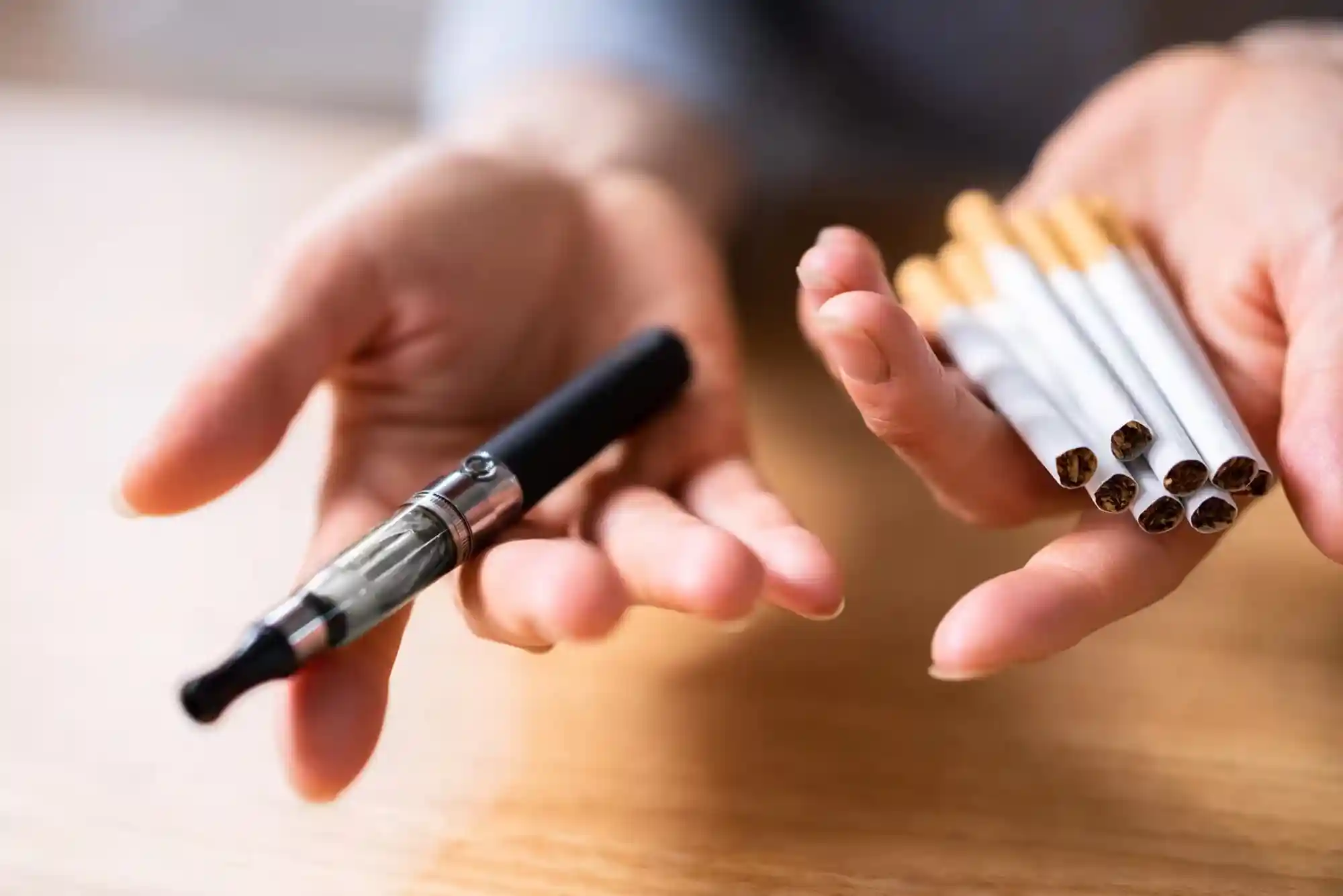
Most public health agencies agree that switching completely from smoking to vaping likely reduces exposure to many toxins. However, safer does not mean completely safe or harmless to human physiology.
Can vaping help an adult quit smoking entirely?
Some clinical trials suggest certain devices can aid smoking cessation when combined with behavioral counseling. Results vary widely depending on the individual, product type, and psychological support received.
What are the main ingredients found in vape juice?
Typical e-liquids contain propylene glycol, vegetable glycerin, nicotine, and artificial or natural flavoring chemicals. When heated, these ingredients transform into an inhalable aerosol mixture.
Does secondhand vape aerosol affect children or pets?
Secondhand aerosol can degrade indoor air quality by depositing fine particulate matter and trace nicotine. Enclosed spaces with poor ventilation carry higher risks for sensitive populations nearby.
Conclusion
Evaluating whether these devices present a real threat or a myth requires nuance. The truth lies somewhere between alarmist exaggeration and dismissive marketing optimism. Chemical exposure, addiction potential, and unknown long-term consequences are very real concerns. At the same time, viewing them as identical in danger to traditional smoking ignores distinct chemical profiles. Empowering yourself with verified scientific knowledge is essential for making informed personal lifestyle choices. If you or a loved one are struggling with nicotine dependency, professional support is available. Consult a qualified healthcare provider today to explore evidence-based cessation strategies tailored to your needs.
For those interested in discovering more about vaping products, devices, and related information, finding a reliable online resource can make the search easier. Explore useful guides, product insights, and helpful vaping content at vapegrove.com to stay informed and discover options that match your interests.
Related Reading: Is Vape Class Saction Law Suit a Real Vape Risk or Just a Myth? — full guide