

Introduction
Global vape trends reshaping youth culture has become a widely discussed topic among educators, researchers, public health experts, parents, and policymakers. The rapid rise of vaping products, combined with the influence of social media and digital communities, has transformed how many young people express identity, interact with peers, and consume lifestyle content. While vaping products were originally promoted in some markets as alternatives for adult smokers, their visibility across online platforms has created a much broader cultural conversation.
Modern youth culture is shaped by technology, trends, and constant digital interaction. As vaping imagery appears in entertainment, influencer content, fashion, and online discussions, it becomes intertwined with broader themes of self-expression and belonging. Understanding these global vape trends reshaping youth culture requires looking beyond the products themselves and examining the social, technological, and cultural forces driving their popularity.
Current public health research also highlights the importance of understanding how online environments affect young people’s perceptions and behaviours. Recent youth vaping and digital culture research provides valuable insight into how digital media influences awareness, attitudes, and social interactions surrounding vaping.
Global Vape Trends Reshaping Youth Culture Across Different Regions
The influence of vaping varies considerably from one country to another. Different regulations, cultural attitudes, advertising restrictions, and public health campaigns all contribute to how vaping is viewed among younger populations.
In North America, Europe, parts of Asia, and Oceania, vaping has become part of wider discussions about technology, wellness, personal freedom, and youth behaviour. Some countries have introduced strict regulations limiting product availability and marketing, while others continue to adjust their public health strategies as new evidence emerges.
Social media has significantly reduced geographical boundaries. A vaping trend that begins in one country can quickly appear across multiple continents through short-form videos, influencer collaborations, livestreams, and online communities. This rapid sharing of content has accelerated the spread of vaping-related aesthetics and conversations among younger audiences.

How Digital Culture Amplifies Vape Trends
Digital platforms play an essential role in shaping modern youth interests. Young people spend considerable time engaging with content that reflects current fashion, music, gaming, lifestyle, and entertainment trends.
Vaping often appears alongside these interests, creating associations that extend beyond nicotine products themselves. Carefully edited videos, lifestyle photography, and influencer collaborations can present vaping as part of a broader cultural identity rather than simply a consumer product.
Algorithms further reinforce exposure by recommending similar content based on previous viewing habits. Once users engage with vaping-related posts, they may encounter more videos, discussions, and advertisements that strengthen familiarity with the topic.
This illustrates why researchers increasingly focus on digital ecosystems when studying global vape trends reshaping youth culture rather than examining individual behaviour in isolation.
The Role of Social Identity Among Young People
Adolescence and early adulthood are periods of identity formation. Young people naturally explore different interests, hobbies, fashion choices, and social groups as they develop personal identities.
Vaping sometimes becomes associated with these identity-building experiences. In certain online communities, devices are displayed alongside clothing styles, music preferences, gaming setups, or creative photography. These visual associations can influence perceptions even among individuals who have never used vaping products.
Belonging remains one of the strongest social motivators during youth. When behaviours appear normalised within friendship circles or online communities, they may become viewed as acceptable or even expected.
Understanding these psychological and social influences helps explain why global vape trends reshaping youth culture extend far beyond traditional advertising.
Fashion, Design, and Lifestyle Influences
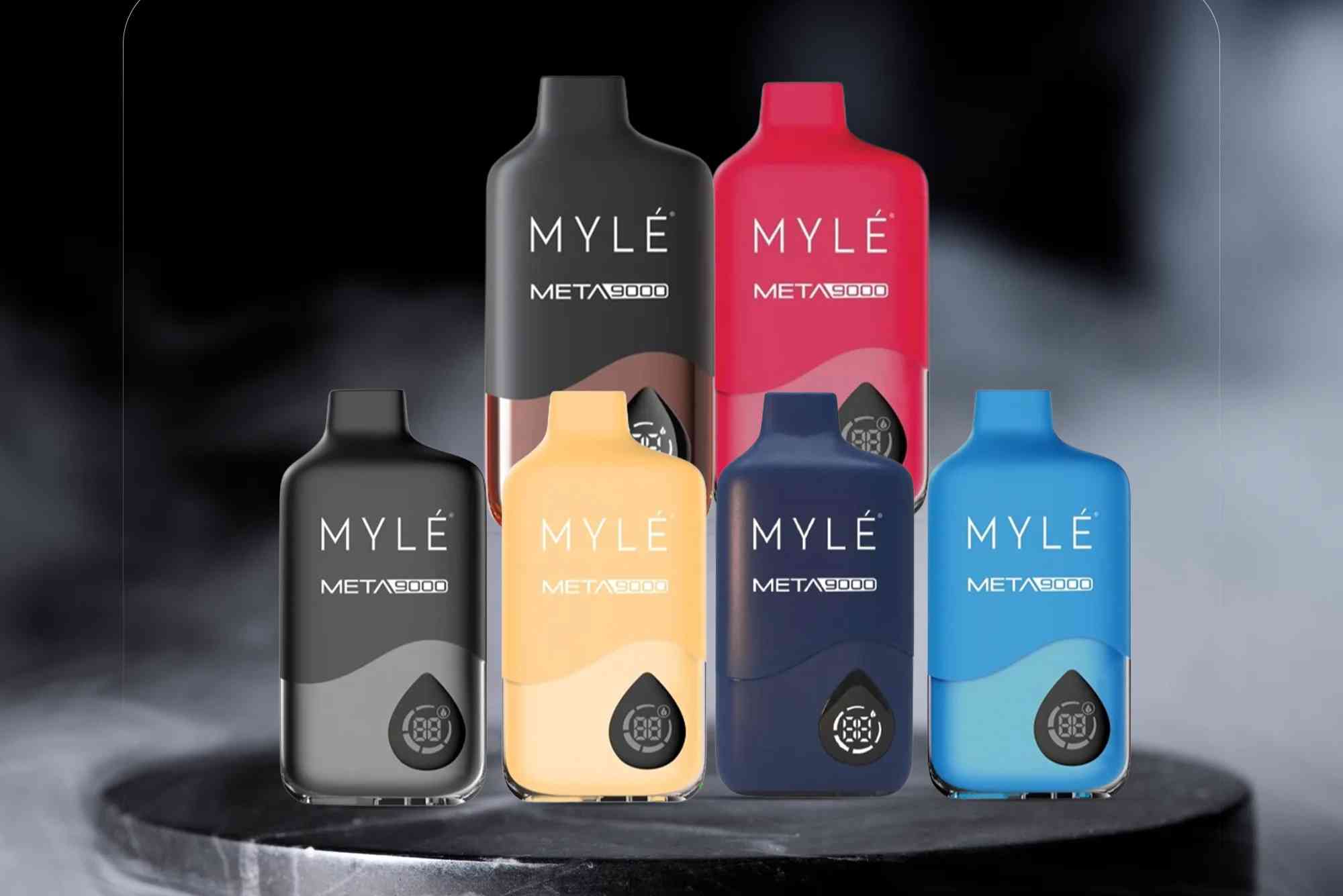
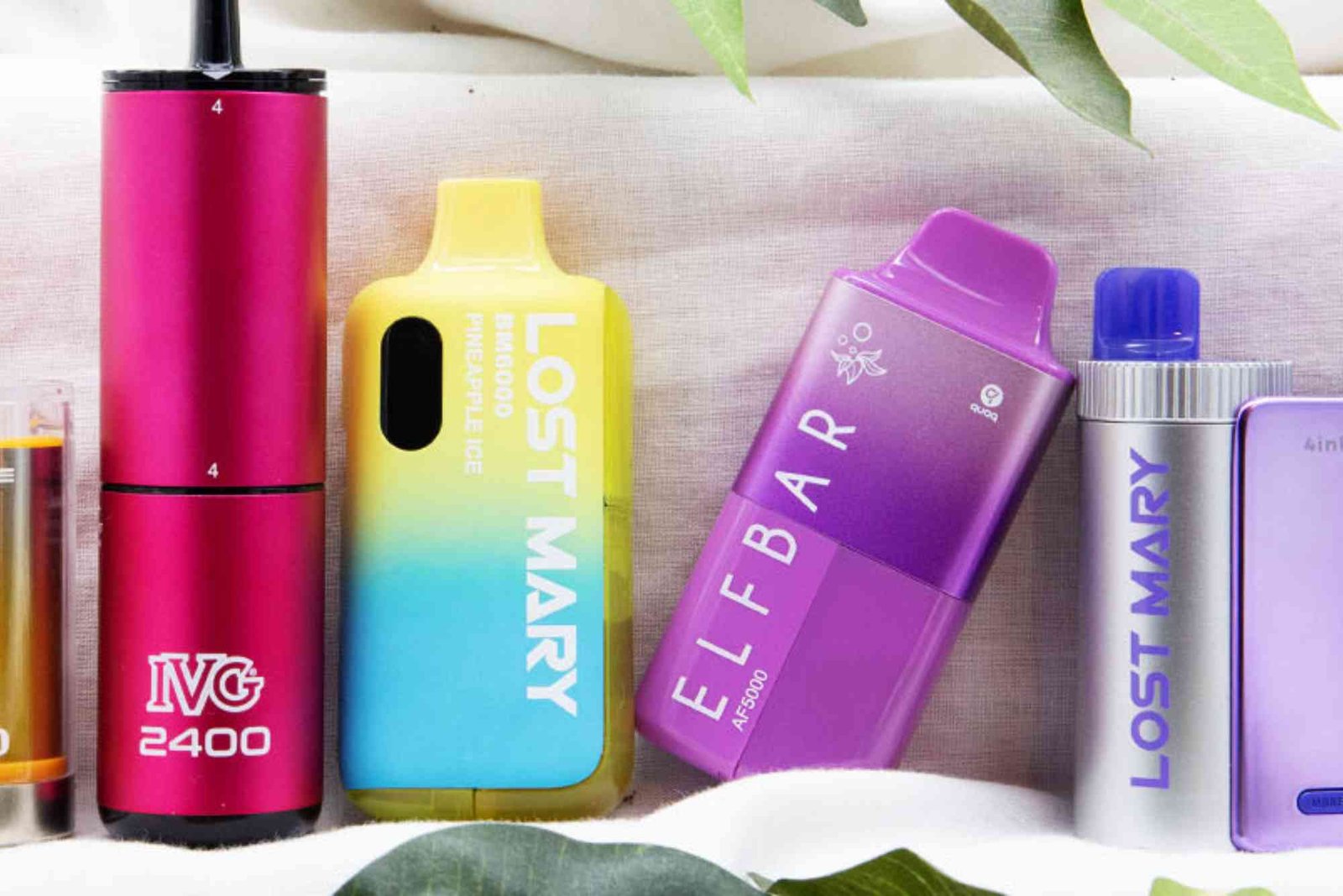
Modern vaping devices often feature sleek industrial designs, bright colours, custom finishes, and compact forms that appeal to design-conscious consumers.
Visual aesthetics have become increasingly important in youth culture. Whether discussing smartphones, sneakers, headphones, or other lifestyle products, appearance often carries significant cultural value.
This emphasis on design contributes to vaping’s visibility in fashion-oriented social media content. Photography and video frequently highlight device colours, personalised accessories, and coordinated visual themes that align with broader lifestyle branding.
Rather than existing separately, vaping imagery is often integrated into wider conversations about creativity, streetwear, music festivals, nightlife, and digital content creation.
Entertainment and Popular Media Influence
Movies, streaming platforms, music videos, online creators, and gaming personalities all influence youth culture to varying degrees.
Although many entertainment companies have implemented stricter guidelines regarding tobacco and nicotine imagery, user-generated content remains far more difficult to regulate. Independent creators upload millions of videos daily, allowing vaping-related content to circulate across multiple platforms.
Music culture has historically influenced fashion, language, and social behaviour. Today, digital creators occupy a similar position, shaping trends through authenticity, relatability, and constant interaction with followers.
This shift has fundamentally changed how cultural behaviours spread among younger generations.
Public Health Perspectives on Youth Vaping
While discussions about youth culture often focus on trends and social influence, public health experts remain concerned about nicotine exposure among adolescents.
Health organisations continue to emphasise that young people should avoid nicotine products because adolescent brain development continues into early adulthood. Researchers are also studying how repeated exposure to vaping content affects perceptions of risk, curiosity, and experimentation.
Governments worldwide continue introducing age restrictions, marketing regulations, packaging standards, flavour policies, and educational campaigns designed to reduce youth uptake.
These interventions demonstrate that global vape trends reshaping youth culture are not simply lifestyle developments but also significant public health issues.
Education and Digital Literacy Matter
One of the most effective responses involves improving digital literacy rather than relying solely on restrictions.
Young people increasingly consume information through short videos, social media posts, podcasts, and creator content instead of traditional educational materials. Teaching critical thinking skills enables individuals to evaluate online information more carefully.
Understanding sponsorship disclosures, influencer marketing, algorithmic recommendations, and persuasive digital techniques allows young audiences to recognise commercial influences that may not always be obvious.
Educational programmes that combine media literacy with health education are becoming increasingly important as digital environments continue evolving.
The Human Connection Behind Vape Culture reflects how shared interests bring people together through conversations, communities, and social experiences. From exchanging device tips to exploring new flavours, vaping has become a way for many adults to connect. Discover more insights, trends, and guides on responsible vaping at VapeGrove.
Global Regulations Continue to Evolve
Countries continue updating vaping regulations in response to changing evidence and market developments.
Some governments have strengthened age verification requirements, restricted advertising, limited flavours, introduced plain packaging, or increased enforcement against illegal sales. Others continue evaluating scientific evidence before implementing additional regulatory measures.
International collaboration has also increased as policymakers share research findings and public health strategies.
The regulatory landscape remains dynamic because technology, consumer behaviour, and scientific understanding continue changing.
The Future of Global Vape Trends Reshaping Youth Culture
The relationship between technology and youth culture will likely become even stronger over the coming years.
Artificial intelligence, immersive digital experiences, virtual communities, and personalised content recommendations may further influence how cultural trends spread across younger populations.
At the same time, increasing public awareness, stronger educational initiatives, and improved digital literacy may help young people make more informed decisions when navigating online environments.
Researchers will continue monitoring how emerging technologies shape perceptions, behaviours, and health outcomes related to vaping.
Vapegrove is your trusted destination for premium vaping insights, products, and the latest industry trends. Whether you’re new to vaping or an experienced enthusiast, vapegrove.com offers helpful guides, expert recommendations, and quality information to enhance your experience.
FAQs
How do global vape trends influence youth culture?
Global vape trends influence youth culture through social media, digital communities, fashion, entertainment, and peer interactions, shaping perceptions, identity, and online engagement.
Why is vaping popular among some young people?
Researchers suggest factors include curiosity, peer influence, social identity, digital exposure, product design, and online content rather than a single cause.
What role does social media play in youth vaping?
Social media increases exposure to vaping-related content through influencers, short-form videos, recommendations, and online communities that can normalise vaping imagery.
Are governments responding to youth vaping trends?
Yes. Many countries have introduced age restrictions, advertising regulations, educational campaigns, packaging requirements, and enforcement measures aimed at reducing youth access and exposure.
Why is digital literacy important when discussing vaping?
Digital literacy helps young people recognise marketing techniques, evaluate online information critically, understand influencer promotions, and make more informed decisions about health-related content.
Related Reading: Vape Culture and Youth Empowerment
Related Reading: How Vape Reviews Influence Trends
Related Reading: How Vape Culture Shapes Digital Media
Related Reading: Vape Collectives: Building Global Identity — full guide