

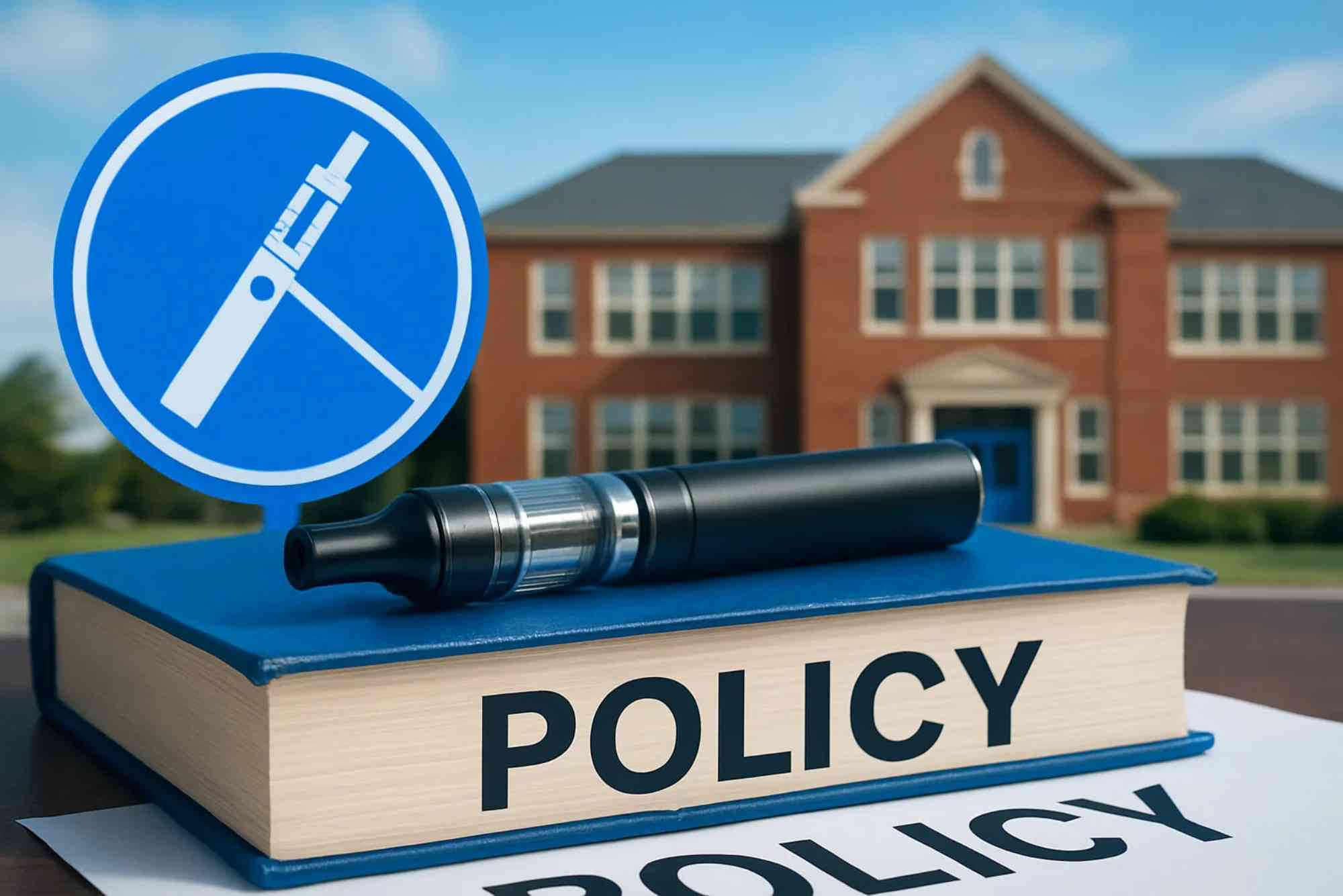
Is What is the Fine for Vaping in School a Real Vape Risk or Just a Myth
Vaping has become increasingly common among teenagers, sparking concerns among parents, teachers, and school administrators. As regulations evolve, one question frequently arises: is the fine for vaping in school a genuine deterrent, or is it largely a myth? This question is more than just a legal inquiry; it touches on health, behavioral, and educational perspectives. Understanding whether the fines carry real consequences or are symbolic warnings can help schools and families address vaping responsibly and effectively.
Understanding Vaping in Schools
Vaping, or the use of electronic nicotine delivery systems (ENDS), has grown exponentially over the past decade. Many students perceive vaping as a safer alternative to smoking traditional cigarettes. However, this perception often ignores the potential health risks, addiction, and the legal consequences associated with using vapes on school grounds.
The Legal Perspective
Schools operate under a combination of local, state, and federal guidelines regarding substance use, including vaping. In many regions, vaping on school property is not only prohibited but also punishable by fines. These fines can vary widely, from minor penalties like warnings or detentions to more significant financial repercussions for repeated offenses.
Despite these rules, some students and parents question whether fines are enforced consistently or if they serve as a genuine deterrent. This skepticism raises the issue of whether the fines are a real risk or simply a perceived myth used to discourage students from vaping.
Health Risks Behind Vaping
Beyond fines, vaping poses significant health risks, especially for adolescents. Nicotine, the primary addictive substance in most e-cigarettes, can harm developing brains, affect memory and attention, and increase the likelihood of future substance abuse. Vaping devices can also contain other harmful chemicals that contribute to respiratory problems and long-term health consequences.
Understanding these risks clarifies why schools impose fines in the first place. The intention is not merely punitive; it is preventative, aiming to reduce exposure to potentially dangerous substances.

Are School Vaping Fines Enforced?
The effectiveness of fines largely depends on enforcement practices. Schools may adopt different strategies to handle vaping incidents, ranging from warnings to monetary fines.
How Schools Implement Fines
Some schools issue immediate fines for students caught vaping, often requiring parents to pay on behalf of minors. Others use a tiered approach: a first offense might result in a warning or mandatory counseling, while repeat offenses could trigger monetary fines or suspension. Enforcement can also vary based on the severity of the incident, the student’s age, and whether the school operates under state-mandated policies.
Challenges in Enforcement
Despite clear rules, enforcement is not always straightforward. Some students hide their vaping devices effectively, making it difficult for staff to detect violations. Additionally, inconsistent application of fines can lead to perceptions that penalties are more myth than reality. When students believe fines are unlikely, the deterrent effect weakens, and the perceived risk diminishes.
Social and Behavioral Implications
Fines alone may not address the underlying reasons why students vape. Peer pressure, stress, and curiosity often drive adolescent behavior more than the fear of punishment. Understanding the social context of vaping can help schools develop more effective interventions.
Peer Influence and Vaping
Teenagers are highly influenced by their peers. If vaping is normalized within a social group, fines may have little impact on behavior. Students may see the financial or disciplinary consequences as manageable risks, especially if their friends continue to vape without consequence.
Education as Prevention
Research suggests that educational programs highlighting the risks of nicotine addiction, the health impacts of vaping, and the legal consequences of school violations are often more effective than fines alone. Schools that combine education with enforcement report lower incidents of vaping. Programs that engage students in discussions about long-term health outcomes tend to reduce both curiosity and peer-driven experimentation.
Health vs. Legal Deterrence
When evaluating whether fines are a real risk or a myth, it is essential to consider both health and legal perspectives.
Legal Deterrence
The imposition of fines represents a tangible legal consequence. For many students, knowing that vaping can lead to a financial penalty, suspension, or legal record serves as a clear deterrent. Enforcement reinforces the idea that school rules carry real-world implications.
Health Deterrence
Even if fines are inconsistently applied, the potential health risks associated with vaping are undeniable. Nicotine addiction, lung issues, and exposure to harmful chemicals remain serious concerns, making the act of vaping risky regardless of whether fines are strictly enforced.
Combining Approaches
The most effective approach often combines legal consequences with health education. Schools that collaborate with parents, healthcare providers, and public health organizations can create a comprehensive strategy to prevent vaping. This approach ensures that students understand both the legal fines and the real health risks involved.
Myths and Misconceptions
Despite evidence, myths about vaping and school fines persist.
Myth 1: Vaping is Harmless
Many teenagers believe vaping is safer than smoking cigarettes. While vaping may reduce exposure to some harmful chemicals found in traditional tobacco, it is not risk-free. Nicotine addiction and other health hazards remain serious concerns.
Myth 2: Fines Are Not Enforced
Some students assume that school fines are symbolic rather than practical. While enforcement may vary, many schools actively track vaping incidents and impose consistent consequences. Misconceptions often stem from anecdotal experiences rather than broad patterns of behavior.
Myth 3: Only Repeat Offenders Are Punished
While repeat offenses often trigger larger fines or suspensions, first-time incidents are frequently addressed through warnings or educational interventions. The goal is to correct behavior early rather than punish excessively, which may contribute to perceptions that fines are not “real.”
Real-World Examples
Examining real cases can clarify whether fines are effective deterrents or myths. In schools that strictly enforce penalties, vaping incidents often decline over time. Conversely, in schools where enforcement is inconsistent or unclear, students may continue to vape, perceiving the fines as negligible.
Some school districts even collaborate with the Department of Education (example guidance) — school discipline & vaping to ensure rules are standardized, and students and parents understand the consequences of violations. This collaboration increases the credibility and perceived seriousness of fines, reinforcing them as a real deterrent.
Alternatives to Fines
While fines can be effective, they are not the only solution. Schools can adopt alternative or supplementary measures: counseling, peer-led education, nicotine cessation programs, and parental involvement. These strategies address both the behavioral and health aspects of vaping, increasing the likelihood of long-term success.
Counseling and Support
Providing students with access to counseling services allows them to discuss why they vape and explore healthier coping strategies. These interventions often reduce repeat offenses more effectively than fines alone.
Peer Education
Peer-led programs encourage students to educate each other about vaping risks. Hearing information from peers rather than authority figures can have a more significant impact on behavior and attitudes.
Family Engagement
Involving parents in the education and enforcement process ensures that consequences extend beyond school walls. Parents can reinforce the seriousness of fines and support children in making safer choices.
So, is the fine for vaping in school a real vape risk or just a myth? The answer lies somewhere in between. Fines are real in the sense that they represent enforceable legal and disciplinary consequences. However, their effectiveness depends on consistent enforcement, education, and the social context in which students operate. Health risks remain substantial regardless of fines, emphasizing that vaping is dangerous even without immediate financial penalties.
Schools, parents, and students must work together to create a culture of awareness, prevention, and responsible decision-making. Legal fines, when combined with educational programs and supportive interventions, provide a comprehensive strategy to combat vaping among teenagers. Ultimately, understanding both the legal and health implications ensures that students take the risks seriously rather than dismissing them as myths.
Call to action: If you are an educator or parent, explore local policies and educational resources to prevent vaping among students. Ensuring awareness of both legal fines and health risks can make a lasting difference in student safety and well-being.
Curious about vaping regulations in Russia? Understanding local laws is essential before using or buying vape pens there. Russia has specific rules on e-cigarettes, including age restrictions and import regulations. Staying informed helps you avoid legal issues and ensures a safe vaping experience. Learn all the details and stay compliant by checking the full guide here: Russia Vape Pen Laws
FAQ
What is the typical fine for vaping in school?
Fines vary by state and school district, ranging from warnings to monetary penalties, depending on repeat offenses and school policies.
Are students only fined, or are there other consequences?
Schools often combine fines with counseling, detention, or suspension to address behavior and promote awareness of vaping risks.
Does vaping have long-term health effects?
Yes, vaping can lead to nicotine addiction, lung issues, and exposure to harmful chemicals, especially harmful to adolescents.
Are fines effective in preventing vaping?
Fines are more effective when paired with education and consistent enforcement, addressing both legal and behavioral deterrence.
How can parents support schools in reducing vaping?
Parents can reinforce school policies, educate children about health risks, and collaborate with educators to monitor and prevent vaping behaviors.
Discover the latest in vaping technology, flavors, and accessories at VapeGrove. Whether you’re a beginner or an experienced vaper, VapeGrove offers top-quality products and expert advice to enhance your vaping experience. Explore our wide selection of e-liquids, mods, and kits to find what suits your style. Visit us today for the best deals and updates in the vaping world: VapeGrove.