

Introduction
Understanding vape law in Singapore is essential for smokers seeking safer alternatives. Singapore enforces one of the world’s strictest nicotine control frameworks. However, conversations around harm reduction continue globally. This article explains the legal reality, public health goals, and what smokers must know before making decisions.
Singapore’s approach focuses on prevention rather than substitution. While harm reduction is recognized internationally, local policy prioritizes eliminating nicotine use entirely. Knowing this distinction helps smokers avoid legal trouble and misinformation.
Why Vape Law in Singapore Matters to Smokers
Vape law in Singapore is often misunderstood. Many smokers assume vaping is a legal harm reduction tool. In Singapore, this assumption is incorrect. Electronic cigarettes, heated tobacco, and nicotine vapes are illegal.
Despite this, smokers still search for harm reduction options. They want clarity, not confusion. This article explains the law, health reasoning, and realistic choices available within legal boundaries.
Understanding Vape Law in Singapore
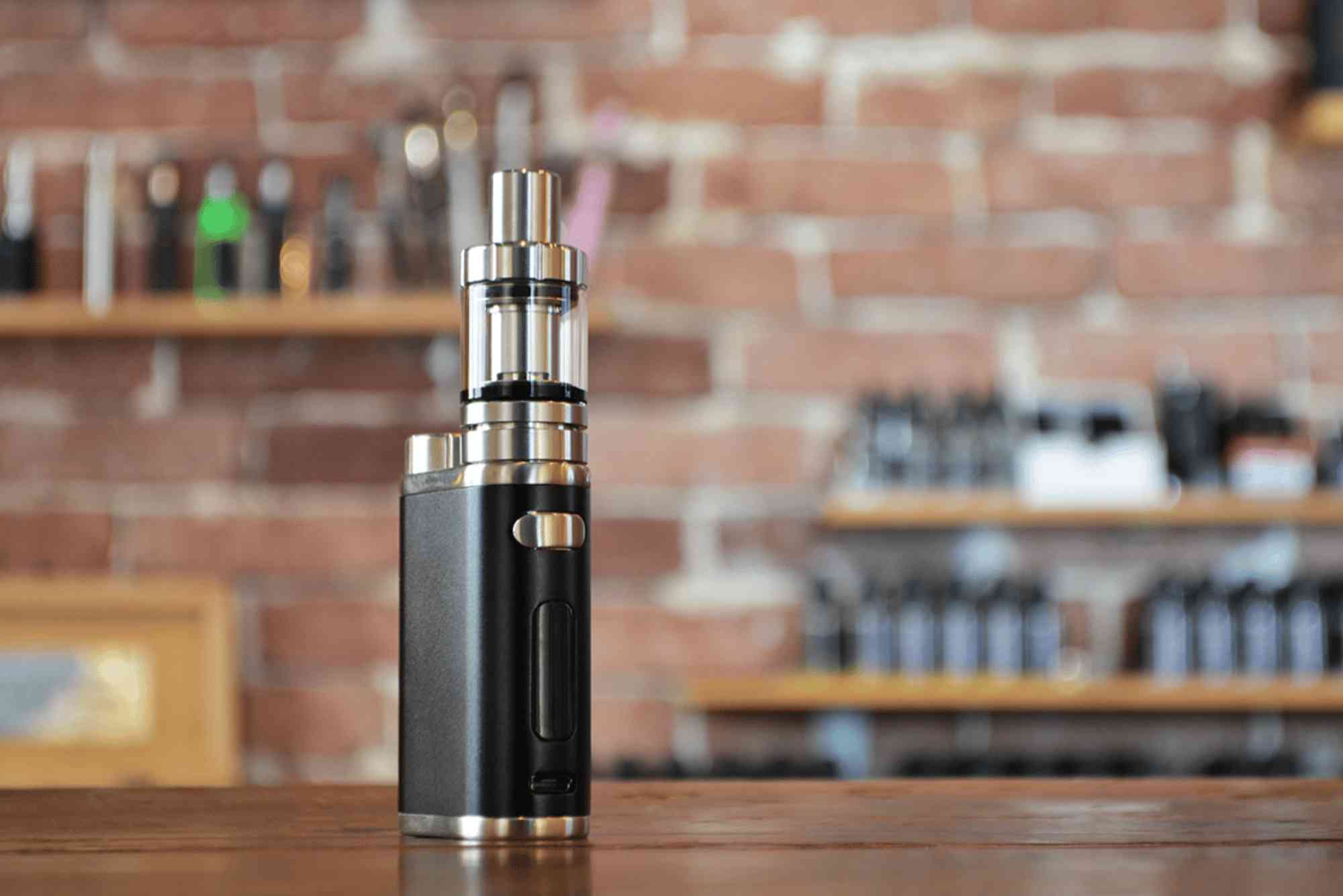
Vape law in Singapore prohibits the import, sale, possession, and use of vaping devices. This includes e-cigarettes, vape pens, pods, and heated tobacco products. Even nicotine-free vapes fall under the ban.
The law operates under the Tobacco (Control of Advertisements and Sale) Act. Penalties include heavy fines and possible prosecution. Enforcement extends to online purchases and overseas shipments. Singapore treats vaping as a public health risk, not a cessation aid. This position differs sharply from policies in the UK or New Zealand.

Why Singapore Banned Vaping Completely
Singapore’s health authorities believe vaping may normalize smoking behavior. Youth uptake is a major concern. Flavored products and discreet designs increase appeal to non-smokers.
Another concern involves unknown long-term effects. While vaping may reduce exposure to combustion toxins, it still delivers nicotine. Singapore prefers policies with zero nicotine exposure. The government also wants to prevent dual use. Smokers who vape often continue smoking. This undermines cessation goals.
The Public Health Philosophy Behind the Ban
Vape law in Singapore reflects a precautionary health model. Authorities act before widespread harm occurs. This model has succeeded with low national smoking rates.
Rather than managing risk, Singapore eliminates it. From this perspective, harm reduction through vaping introduces uncertainty. The state favors proven methods like counseling and nicotine replacement therapy. This philosophy prioritizes population-level health over individual substitution choices.
What Is Harm Reduction in Smoking Context
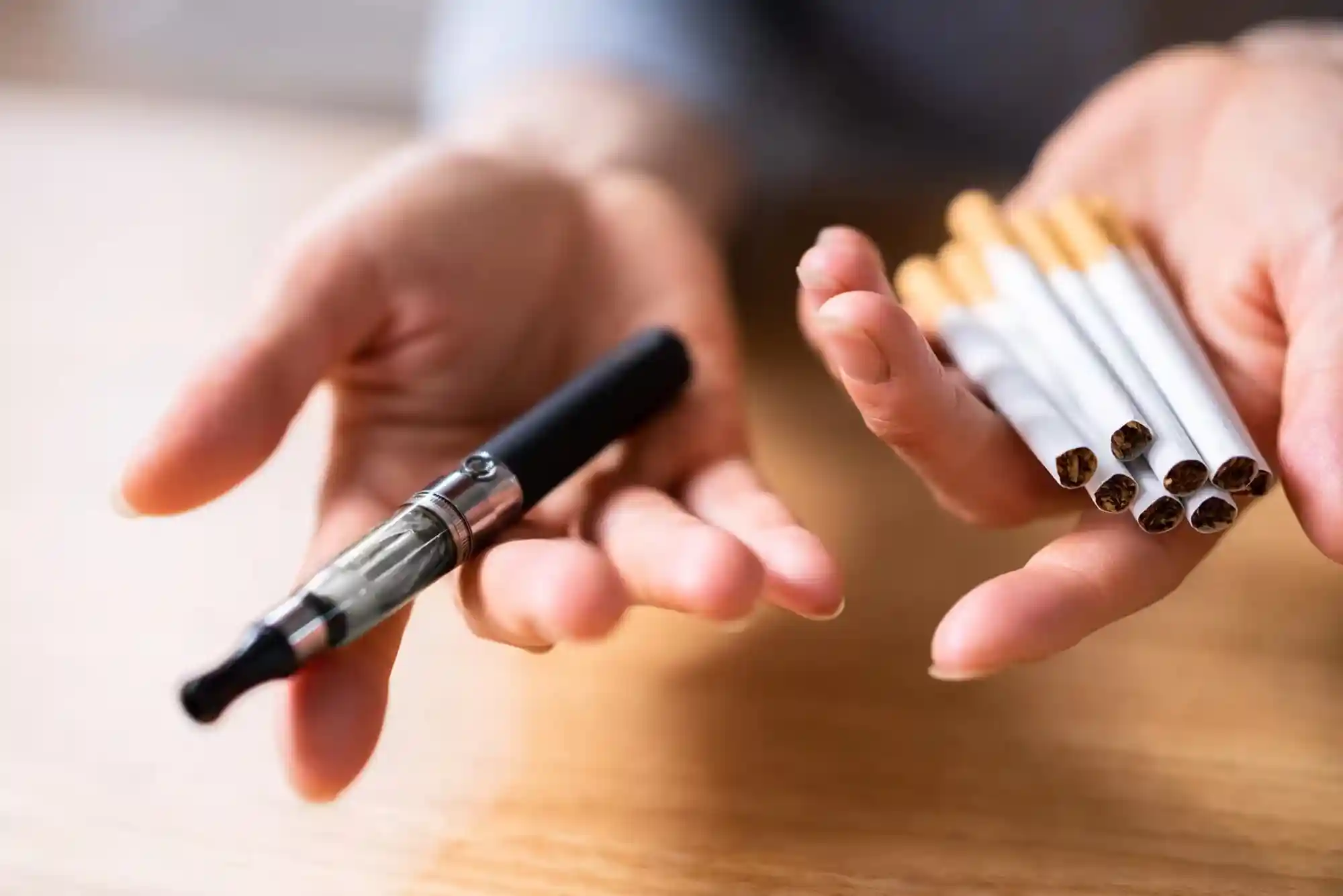
Harm reduction aims to lower health risks without requiring total abstinence. For smoking, this often includes vaping or heated tobacco. These products avoid combustion, reducing certain toxins.
International studies suggest vaping is less harmful than smoking. However, less harmful does not mean safe. Singapore focuses on this distinction. Harm reduction works differently across regulatory cultures. Singapore’s model rejects partial risk reduction.
Why Harm Reduction Is Not Accepted Locally
Vape law in Singapore does not align with harm reduction frameworks used elsewhere. Authorities argue that allowing vaping could reverse decades of tobacco control success.
There is also concern about renormalizing nicotine use. Once normalized, enforcement becomes harder. Youth exposure rises. Healthcare costs may increase long term. Singapore prioritizes certainty over experimentation. This explains the firm stance.
Legal Alternatives for Smokers in Singapore
Although vaping is illegal, smokers are not without options. Approved nicotine replacement therapies remain legal. These include patches, gums, lozenges, and inhalers.
Medical supervision improves success rates. Counseling programs help address behavioral addiction. These methods lack the sensory appeal of vaping but are safer legally. Healthcare providers guide smokers through structured cessation plans.
Role of Health Authorities and Enforcement
Vape law in Singapore is enforced by customs, police, and health agencies. Inspections target both physical and digital marketplaces.
The Singapore Health Sciences Authority — nicotine product prohibition explains the scope of banned products and penalties clearly. Smokers should review official guidance before making decisions. The authority’s website is . Enforcement includes fines for possession. Travelers bringing vapes risk confiscation and penalties.
Common Myths About Vape Law in Singapore
Many believe personal use is allowed. This is false. Possession itself is illegal. Others assume nicotine-free vapes are permitted. They are not. Device form matters, not nicotine content. Some think online purchases bypass enforcement. Customs screening makes this risky. Misinformation leads to costly mistakes.
How Vape Law in Singapore Affects Harm Reduction Debate
Globally, harm reduction remains controversial. Singapore’s stance influences regional policy discussions. Neighboring countries often cite Singapore as a strict-control example.
Public health experts debate whether zero-tolerance policies discourage quitting. Supporters argue low smoking rates justify the approach. The debate continues, but the law remains firm.
What Smokers Should Consider Before Choosing Alternatives
Smokers must weigh health goals against legal risk. In Singapore, illegal alternatives carry severe consequences. Legal cessation methods may feel slower. However, they align with medical guidance and law. Smokers should consult healthcare professionals rather than online forums.
International Comparisons and Why They Don’t Apply
Countries like the UK promote vaping as harm reduction. Their regulatory systems differ greatly. Singapore’s compact geography and governance enable strict enforcement. Cultural attitudes toward compliance also differ. Applying foreign policies locally ignores these differences.
Future Outlook for Vape Law in Singapore
Vape law in Singapore is unlikely to change soon. Authorities consistently reaffirm their position. Research developments may influence future discussions. However, any change would be cautious and gradual. For now, smokers should assume continued prohibition.
Making Informed Choices Within the Law
Vape law in Singapore prioritizes prevention over harm reduction. While global evidence supports vaping as less harmful, Singapore chooses certainty and youth protection. Smokers seeking change should focus on legal cessation methods. Professional support increases success and avoids penalties.
If you want to quit smoking safely and legally, consult healthcare services today. Informed choices protect both your health and your future.
Discover premium vaping products and the latest industry insights at Vape Grove. From top-quality vape devices to expert reviews and harm reduction guides, Vape Grove is your trusted source for everything vaping. Explore our homepage to stay updated with the newest trends and innovations in the vape world.
If you’re wondering in what states vaping is illegal and how harm reduction efforts are being shaped across the U.S., it’s important to understand the current legal landscape and public health discussions surrounding e-cigarettes. To get clear, up-to-date information on which states have enacted strict vaping bans and what that means for consumers and policymakers alike, check out in what states vaping is illegal and harm reduction for a comprehensive overview.
FAQs
Is vaping legal in Singapore for personal use
No. Possession, use, import, and sale are all illegal.
Are nicotine-free vapes allowed in Singapore
No. All vaping devices are prohibited regardless of nicotine content.
Can tourists bring vapes into Singapore
No. Travelers risk fines and confiscation at entry points.
Does Singapore consider vaping safer than smoking
Authorities acknowledge reduced toxins but still consider vaping unsafe.
What is the best legal alternative to vaping in Singapore
Nicotine replacement therapy combined with counseling is recommended.