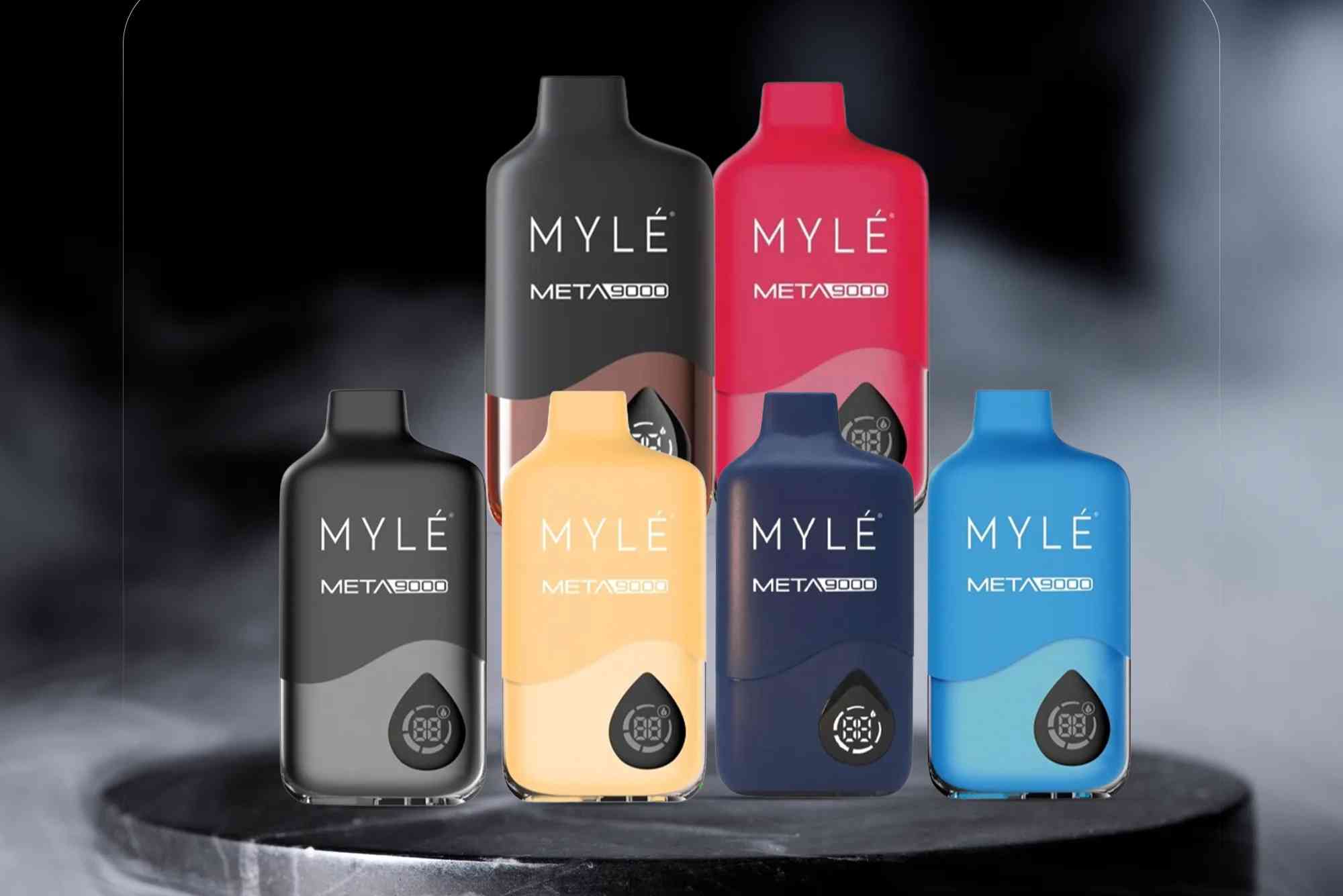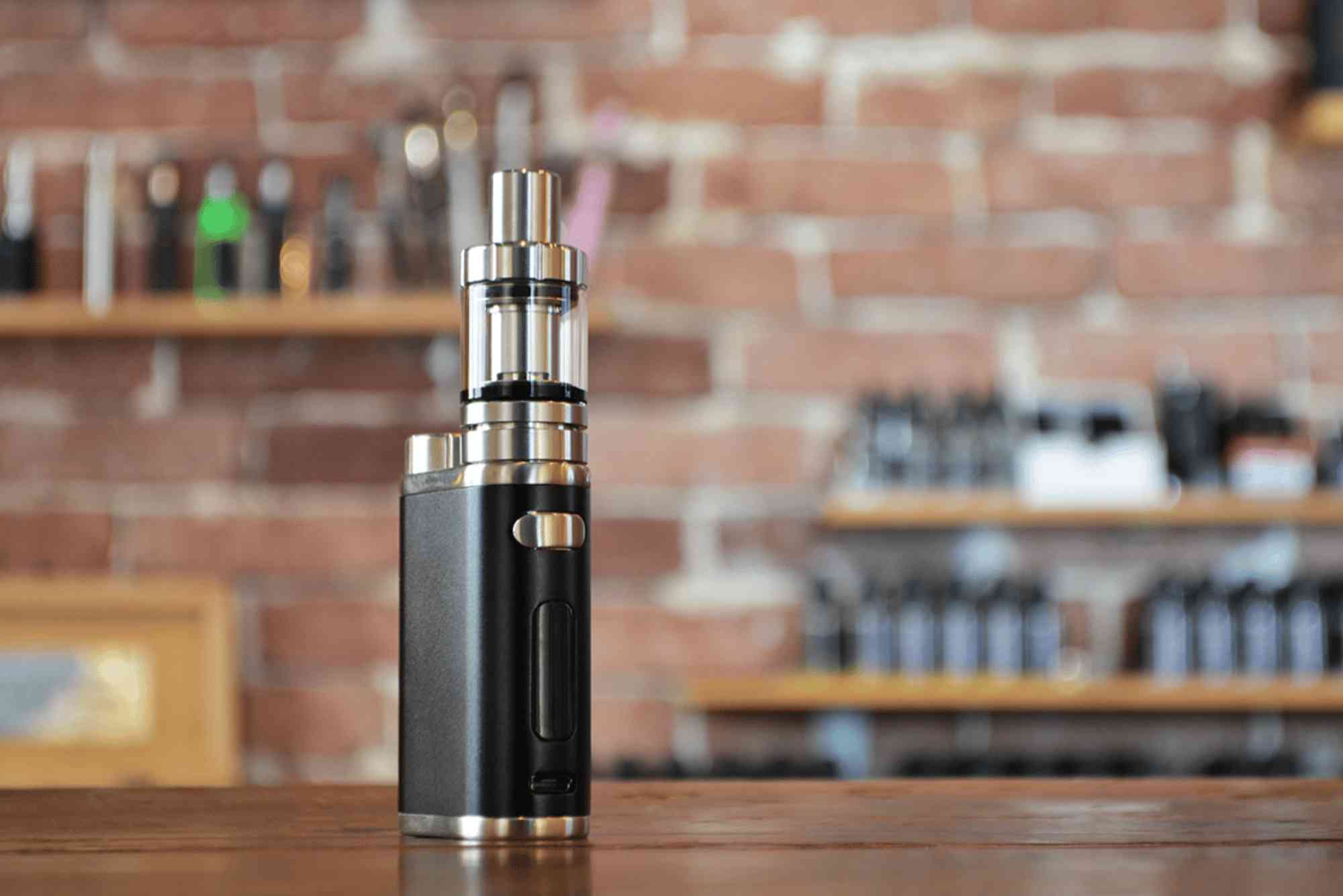

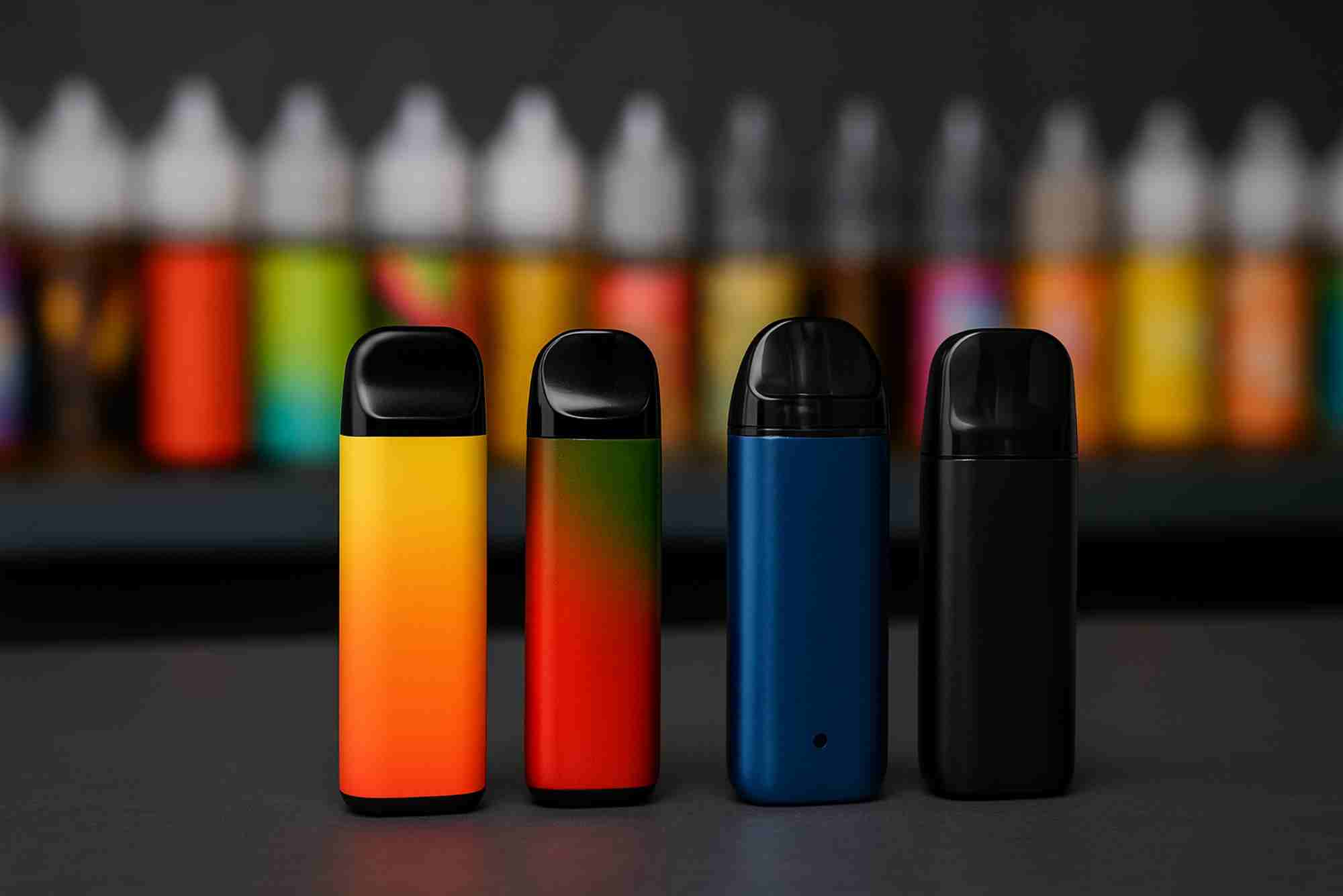
Is Nicotine vape law a Real Vape Risk or Just a Myth?
The debate over nicotine vape laws has intensified in recent years. Are these regulations addressing a real health concern, or are they simply based on misconceptions? Understanding the truth behind nicotine vaping is crucial for both users and policymakers. This guide explores the evidence, regulations, and potential risks surrounding nicotine vape laws.
Understanding Nicotine Vape Laws
Nicotine vape laws vary significantly across countries. Some nations strictly regulate the sale, advertising, and usage, while others have more lenient approaches. These laws aim to balance public health concerns with harm reduction strategies.
What Do Nicotine Vape Laws Cover?
Nicotine vape laws typically address:
- Age restrictions for purchasing vape products
- Limits on nicotine concentration
- Marketing and advertisement guidelines
- Labelling and safety requirements
For the latest global guidance, refer to WHO / national nicotine regulatory pages.
The Purpose Behind Regulations
Regulators often justify strict nicotine vape laws due to potential health risks. Nicotine is addictive, and its misuse can lead to long-term dependency. Laws are designed to prevent underage access and limit exposure to high concentrations of nicotine.
Examining the Health Risks of Nicotine Vapes
To evaluate if these laws are justified, it’s important to understand the health risks associated with nicotine vaping.

Addiction and Dependency
Nicotine is highly addictive. Regular vaping can create a dependency similar to traditional cigarettes. Young people are particularly vulnerable, as their brains are still developing.
Respiratory and Cardiovascular Concerns
While vaping is generally considered less harmful than smoking, studies suggest that inhaling nicotine and other chemicals may impact lung function and cardiovascular health.
Potential for Misuse
Vape devices can be modified to increase nicotine intake or used with other substances. Regulations help mitigate these risks by controlling device standards and nicotine concentration.
Common Myths About Nicotine Vape Laws
Despite widespread regulations, myths persist about vaping risks and legal restrictions. Let’s address some of the most common ones.
Myth 1: Nicotine Vapes Are Completely Safe
Although vaping is less harmful than smoking, it is not risk-free. Nicotine can affect heart rate, blood pressure, and brain development in adolescents.
Myth 2: Laws Are Just a Publicity Stunt
Some believe nicotine vape laws are overreactions or attempts to control consumers. In reality, these laws are based on public health research and evidence from regulatory bodies.
Myth 3: Only Teenagers Are at Risk
While younger users are more vulnerable to addiction, adults can also experience negative health impacts from improper vaping practices. Regulations apply to all age groups to minimise harm.
How Regulations Reduce Real Risks
Nicotine vape laws are not arbitrary. They provide safeguards for users and the public.
Controlling Nicotine Concentration
By limiting nicotine levels in vape liquids, authorities reduce the likelihood of addiction and nicotine overdose.
Age Verification and Sales Restrictions
Laws enforce age restrictions to prevent underage access. Many countries require retailers to verify the buyer’s age, reducing teen exposure.
Product Labelling and Safety
Clear labelling helps users understand nicotine strength and potential risks. Regulations also ensure devices meet safety standards to prevent malfunctions.
Evidence Supporting Nicotine Vape Regulation
Scientific studies and global health organisations support the need for nicotine vape regulation.
Research Findings
Recent studies suggest regulated vaping is significantly safer than smoking, but uncontrolled use can lead to dependency and respiratory issues.
Global Perspectives
Countries with strict nicotine vape laws have observed lower rates of teen nicotine addiction and fewer health complications related to vaping. WHO / national nicotine regulatory pages provide detailed regulatory updates.
Is Nicotine Vape Law Really a Risk?
Ultimately, nicotine vape laws aim to prevent misuse rather than pose a risk themselves. The “risk” comes from misunderstanding or ignoring regulations. Users who follow the rules are less likely to face serious health issues.
Balancing Risk and Harm Reduction
Vaping laws support harm reduction by:
- Limiting exposure to harmful chemicals
- Preventing underage use
- Encouraging safer practices
Practical Advice for Vapers
- Always check nicotine concentration before use
- Purchase products from reputable, regulated sources
- Follow local age and usage laws strictly
- Stay informed through reliable sources like WHO / national nicotine regulatory pages
Nicotine vape laws are grounded in public health concerns, not myths. They help reduce addiction, limit exposure, and promote safer usage practices. Understanding and following these laws protects both users and the wider community.
Take control of your health and stay informed. Always adhere to local nicotine vape regulations for a safer vaping experience.
Is Are vapes illegal in Dubai a Real Vape Risk or Just a Myth? Many wonder if vaping in Dubai is truly risky. While e-cigarettes and nicotine products are regulated, using or importing them without authorization can lead to fines or legal issues. The health risks of vaping exist, but the “legal danger” depends on strict adherence to UAE laws.
FAQ
What are nicotine vape laws?
Nicotine vape laws regulate the sale, use, and advertising of vape products to protect public health.
Are nicotine vape laws different for adults and teens?
Yes. Most laws enforce stricter age restrictions for underage users while regulating product standards for adults.
Can vaping be safer than smoking?
Yes, research shows vaping is less harmful than smoking but still carries health risks, especially if misused.
Are nicotine vape laws necessary?
Yes. Regulations prevent addiction, underage use, and unsafe product modifications.
Where can I find reliable updates on nicotine vape regulations?
Refer to WHO / national nicotine regulatory pages for official guidance and updates.