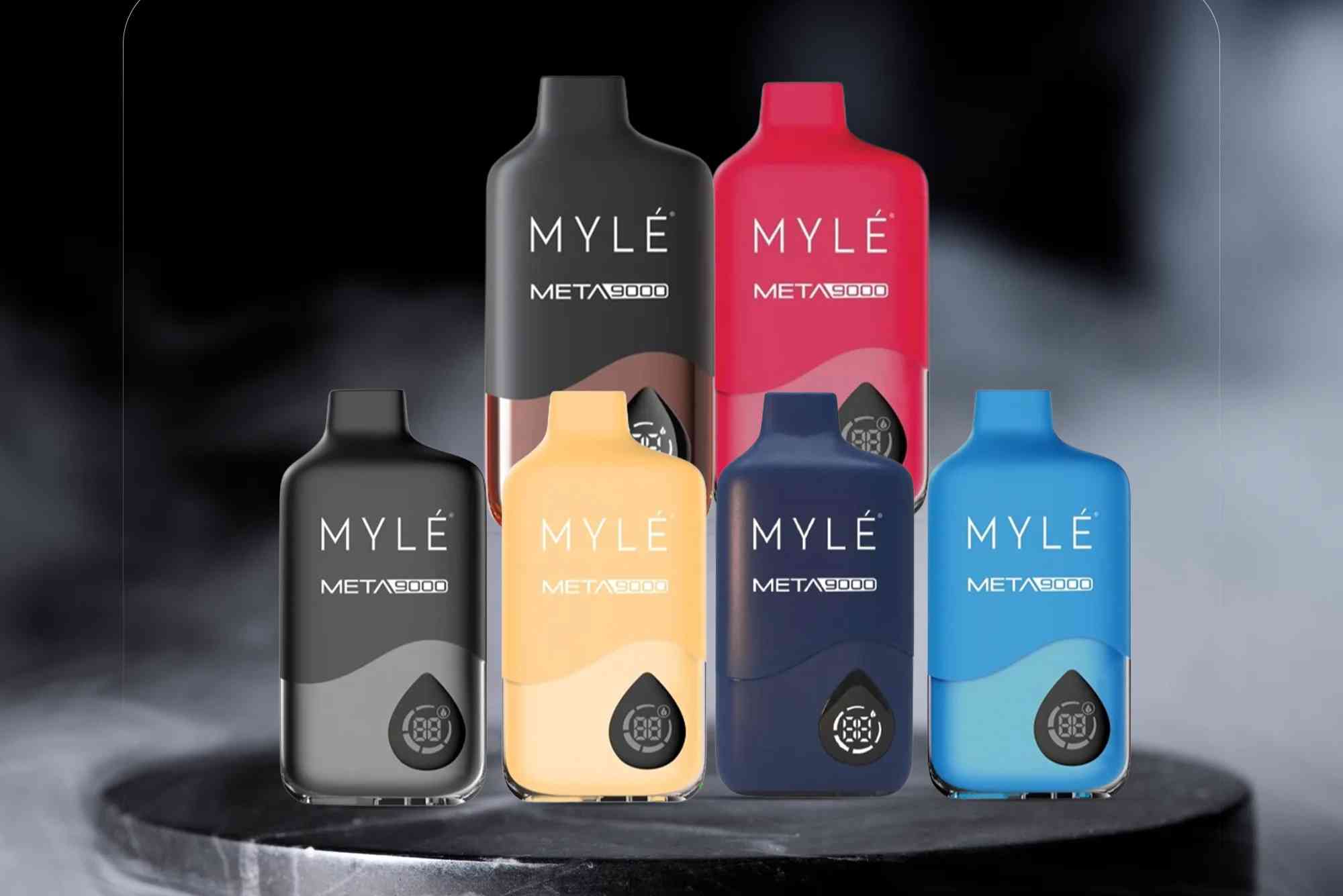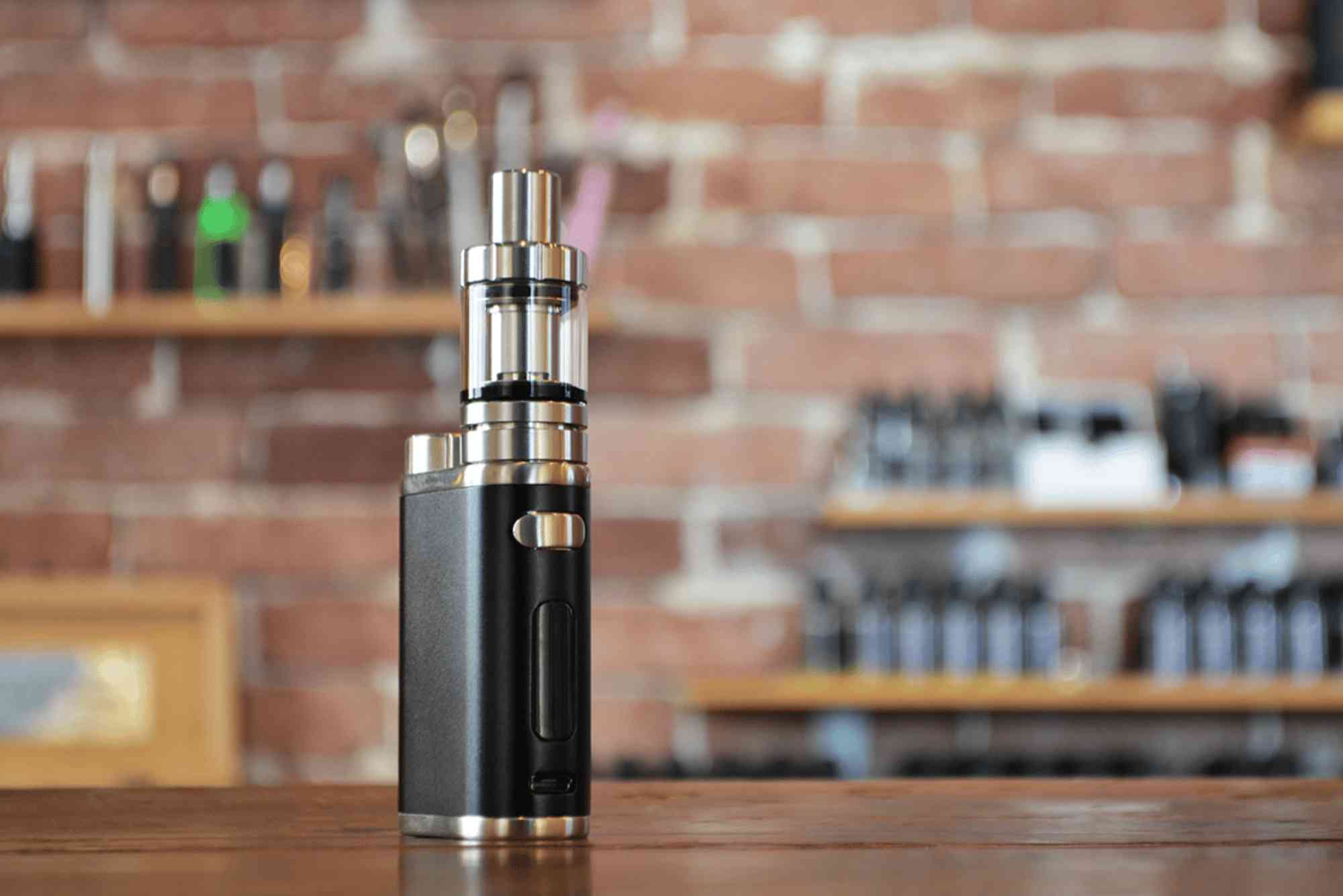


Introduction
Vaping has become a common alternative to smoking, but its presence in public spaces sparks debate. Many people wonder: Is vaping illegal in public places a real vape risk, or is it just a myth? The answer is more complex than a simple yes or no. Laws differ by country, state, and even city, while scientific evidence about the health risks of secondhand vape exposure is still emerging. Understanding both the legal framework and health implications is crucial for vapers and non-vapers alike.
Understanding Public Vaping Regulations
Global Overview of Public Vaping Laws
Different countries treat vaping in public places differently. Some, like the United Kingdom, allow vaping in most public areas but restrict it in enclosed spaces like public transport. Others, including parts of the United States and Australia, enforce stricter bans. These laws aim to protect non-smokers from potential health risks and maintain public order.
WHO — Public-Place Policies & Evidence Summary
The WHO provides comprehensive guidance on vaping in public. According to their research, restricting vaping in public spaces is primarily a preventive health measure. Evidence indicates that aerosol from e-cigarettes can contain harmful chemicals, even if at lower levels than cigarette smoke. Policies banning vaping in enclosed areas aim to minimize involuntary exposure.
Reasons Behind Public Vaping Restrictions
Vaping restrictions in public places often focus on three main areas:
- Health Concerns: While vaping is less harmful than smoking, inhaling secondhand aerosol may still pose risks, especially for children, pregnant women, and individuals with respiratory conditions.
- Social Normalization: Public vaping can normalize nicotine use and potentially influence non-smokers and teenagers to experiment.
- Regulatory Consistency: Many governments aim to keep vaping regulations similar to tobacco laws to avoid loopholes and public confusion.
Health Risks of Public Vaping
Secondhand Exposure
While e-cigarettes don’t produce tar, they release nicotine, flavorings, and other chemicals into the air. Studies show that prolonged exposure in enclosed spaces may irritate lungs, eyes, and throat. The risk is lower than secondhand smoke, but not negligible.
Chemical Constituents in Vape Aerosol
Vape liquids may contain:

- Nicotine, which can increase heart rate and blood pressure.
- Propylene glycol and glycerin, which can cause respiratory irritation.
- Flavor chemicals, some of which may be toxic when inhaled over long periods.
Even small doses in public areas can impact vulnerable populations. Research is ongoing, but caution remains justified.
Impact on Children and Teens
Children are particularly sensitive to airborne chemicals. Studies suggest that secondhand vape exposure could affect lung development and trigger allergic reactions. Public vaping bans help minimize such risks in schools, parks, and public transport.
Public Perception and Social Influence
Influence on Youth
Visibility of vaping in public can shape teen attitudes. Seeing adults vape may normalize nicotine use, encouraging experimentation. This social influence is a key reason behind strict public vaping laws in many countries.
Workplace and Indoor Environments
Employers often restrict vaping indoors to maintain clean air, prevent distractions, and avoid potential liability. Public perception favors clear boundaries to protect both employees and visitors.
Legal Implications for Vapers
Penalties for Violating Public Vaping Laws
Breaking public vaping laws can result in fines, warnings, or even confiscation of vape devices in some areas. Repeated violations may lead to stricter consequences. Understanding local laws is essential to avoid unintentional legal trouble.
Differences Between Regions
Not all bans are equal. For example, some U.S. states only prohibit vaping in certain indoor spaces, while European countries may have broader restrictions including outdoor public spaces. Travelers should always check local regulations to stay compliant.
Debunking Myths Around Public Vaping Risk
Vaping in Public Is Harmless
While less harmful than smoking, public vaping is not completely safe. Aerosols contain chemicals that can affect bystanders, especially in enclosed spaces. Ignoring regulations can put both the vaper and public at risk.
Laws Are Only About Control, Not Health
Although some argue public vaping bans are bureaucratic, health evidence supports these measures. Preventing secondhand exposure and reducing youth initiation are legitimate public health goals.
Outdoor Vaping Is Always Safe
Even outdoor vaping can expose nearby individuals, especially in crowded areas or poorly ventilated spaces. Awareness and considerate vaping behavior remain important.
The question of whether vaping in public places is a real risk or a myth requires careful consideration. Evidence shows that while vaping is generally less harmful than smoking, secondhand aerosol is not harmless. Laws restricting vaping in public areas aim to protect vulnerable populations and reduce social normalization of nicotine use. By following regulations and practicing mindful vaping, both vapers and non-vapers can coexist safely in public spaces.
If you vape, make informed decisions about where you do it. Respect public health rules and consider the wellbeing of those around you. For further guidance, explore the WHO — public-place policies & evidence summary to understand global best practices.
FAQs
Is vaping in public illegal everywhere?
No. Laws vary by country, state, and city. Some areas allow vaping outdoors, while others ban it entirely in public spaces.
Can secondhand vape affect non-smokers?
Yes. Although less harmful than cigarette smoke, secondhand vape contains nicotine and chemicals that can irritate lungs and eyes.
Why are vaping bans stricter for teenagers?
Teenagers are more vulnerable to nicotine addiction, and public vaping bans help prevent early exposure and normalize non-smoking behavior.
Are outdoor vaping bans necessary?
In crowded or enclosed outdoor areas, secondhand exposure is possible. Outdoor bans aim to protect vulnerable populations.
What penalties exist for breaking public vaping laws?
Penalties vary. They can include fines, warnings, or confiscation of vape devices depending on local regulations.