

Introduction
Vaping has become increasingly popular worldwide, including in Egypt. Yet, many are confused about the legal status and health implications of e-cigarettes in the country. Are vaping laws in Egypt truly designed to protect citizens, or are concerns over vaping more myth than reality? This article dives deep into the facts, exploring regulations, health risks, and the latest research to clarify the situation.
Understanding Vaping in Egypt
What Is Vaping?
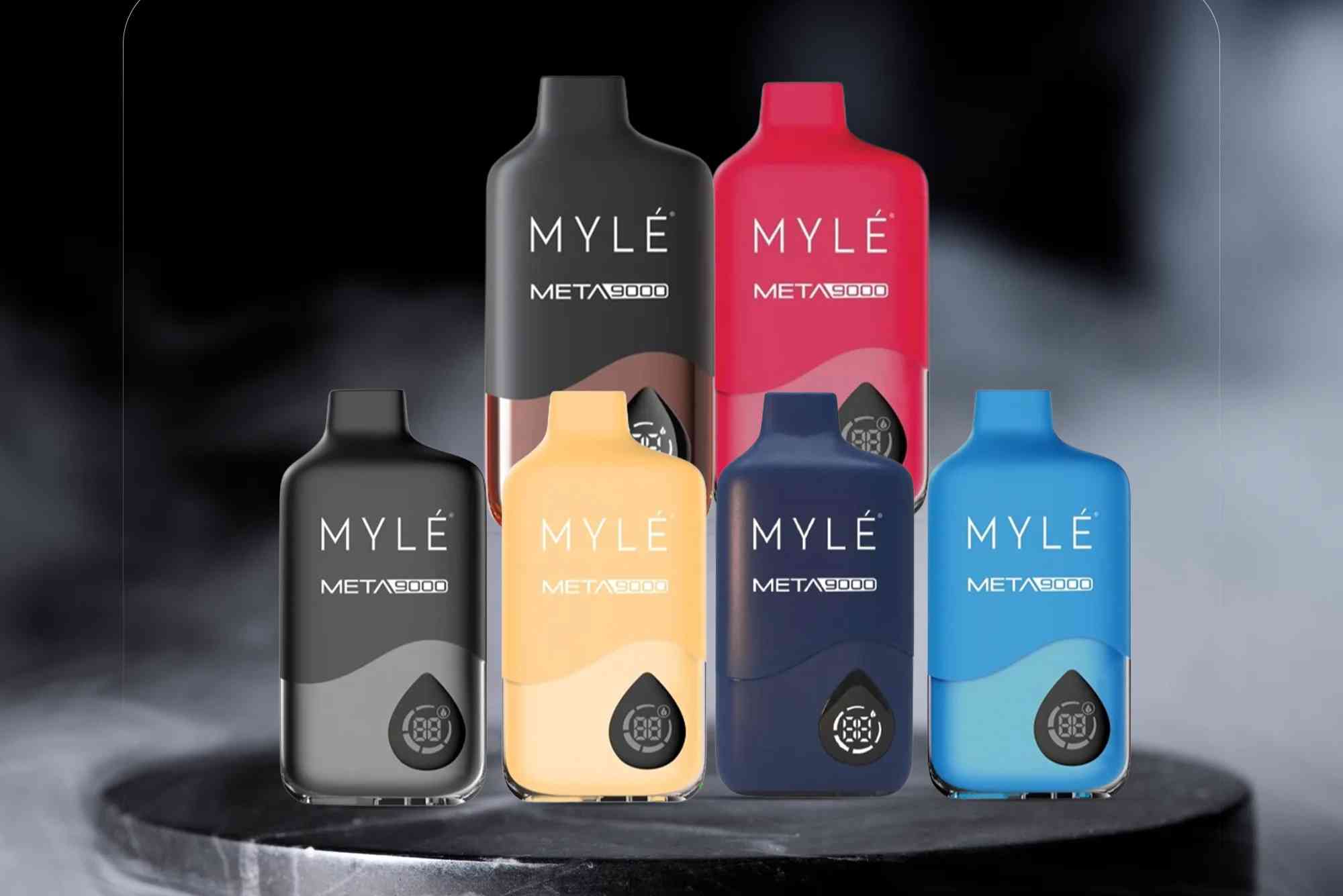
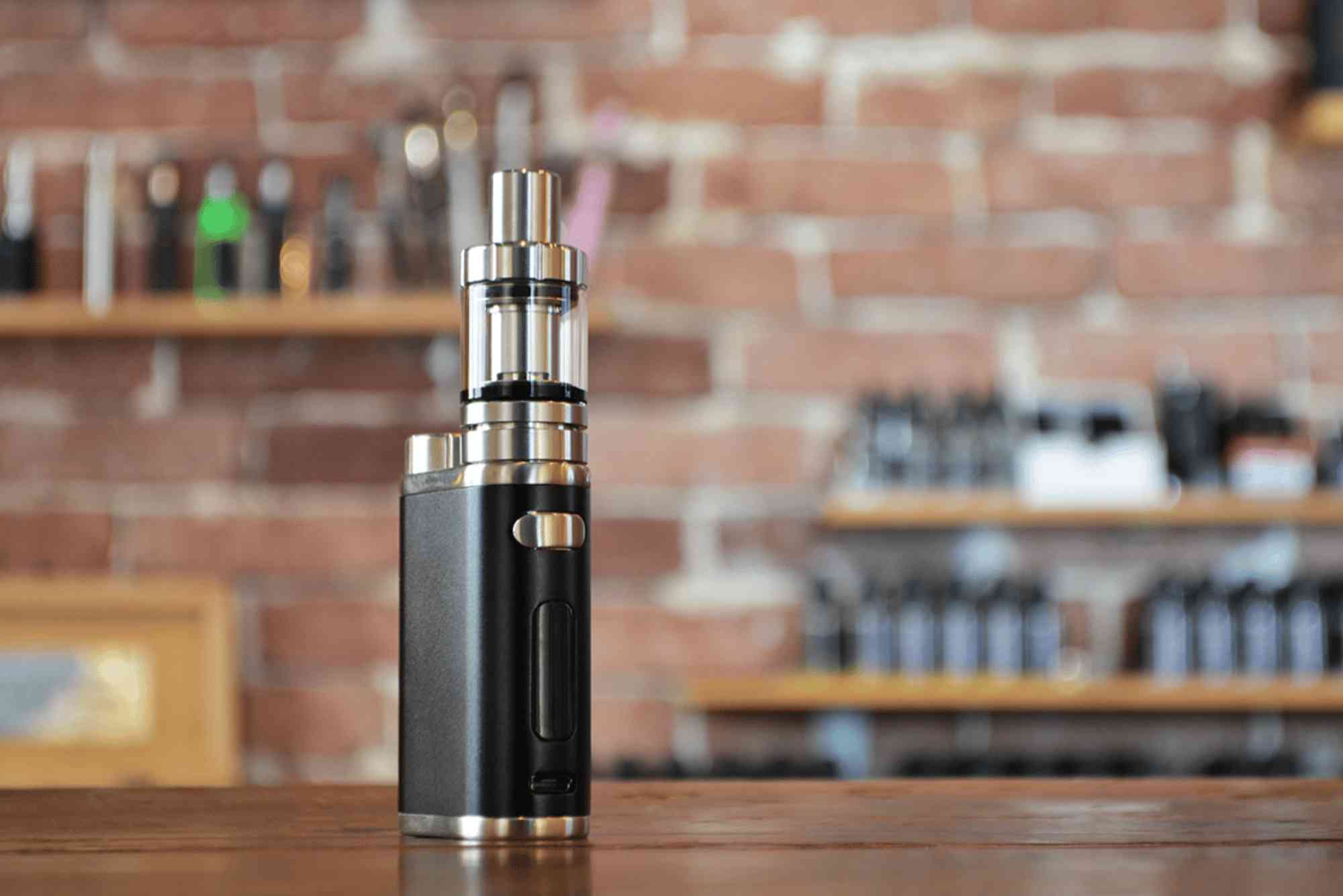
Vaping involves inhaling vapor produced by an electronic cigarette or similar device. Unlike traditional smoking, vaping usually delivers nicotine without burning tobacco. However, vaping devices still contain chemicals that can affect health, raising questions about their safety.
Current Legal Status
In Egypt, vaping falls under the broader umbrella of tobacco regulation. The Egyptian government has been cautious in regulating e-cigarettes due to health concerns and the potential for misuse. While vaping is not outright banned, there are strict rules regarding sales, advertising, and public use. For the latest regulatory details, the Egyptian Ministry of Health & Population — tobacco policy provides official guidance.
Misconceptions About Vaping Laws
Many Egyptians believe that vaping is entirely legal, but in practice, regulations are stricter than assumed. Shops selling e-cigarettes must adhere to licensing requirements, and products must meet health standards. Additionally, public vaping is often restricted in certain areas, similar to smoking regulations.
Health Risks: Myth or Reality?
Scientific Research on Vaping
Studies show that vaping can be less harmful than smoking traditional cigarettes, but it is not risk-free. Chemicals such as nicotine, flavorings, and other additives may pose respiratory and cardiovascular risks. Long-term studies are still ongoing, which makes full risk assessment challenging.
Nicotine Addiction
One of the main concerns is nicotine addiction. Even though vaping might be used as a smoking cessation tool, many users, especially young people, can become addicted to nicotine through e-cigarettes. This risk has prompted Egyptian health authorities to impose stricter regulations on product sales.

Potential Misunderstandings
Some myths suggest that vaping is completely safe or that it has no legal consequences. In reality, vaping laws exist to protect citizens from these potential harms. Public health campaigns aim to educate Egyptians about both the risks and legal requirements surrounding e-cigarettes.
Regulatory Measures in Egypt
Licensing and Sales Restrictions
Retailers must obtain government licenses to sell e-cigarettes. Authorities monitor product standards to prevent unsafe devices from entering the market. Imported products may face additional checks to ensure compliance with health regulations.
Public Use Limitations
Like traditional smoking, vaping in public areas can be restricted. Authorities may issue fines or warnings to those caught vaping in prohibited zones. These laws help reduce second-hand exposure and maintain public health safety.
Enforcement Challenges
Despite regulations, enforcement can be inconsistent. Some small shops sell vaping products illegally, and public awareness of the rules is limited. Egyptian authorities are working to improve monitoring and educate the public about lawful vaping practices.
Cultural Perceptions of Vaping
Youth and Vaping Trends
Vaping has gained popularity among young Egyptians due to its modern appeal and variety of flavors. However, awareness campaigns highlight the potential health risks and legal responsibilities, aiming to prevent underage use.
Social Acceptance
While vaping is more socially accepted than smoking in some urban areas, traditional views still regard it as risky or inappropriate. Public perception plays a role in shaping policies and influencing individual behavior.
Media Influence
Media coverage often emphasizes the dangers of vaping, which can both educate and exaggerate risks. Accurate reporting is crucial to help citizens distinguish between myth and reality.
Vaping Myths vs Facts
Myth: Vaping Is Completely Safe
Fact: Vaping carries potential health risks, including respiratory and cardiovascular effects.
Myth: There Are No Laws Governing Vaping in Egypt
Fact: Egyptian authorities regulate sales, usage, and product standards, often mirroring tobacco laws.
Myth: E-Cigarettes Do Not Cause Addiction
Fact: Nicotine in e-cigarettes can be addictive, and misuse can lead to long-term dependency.
Vaping laws in Egypt are not just a myth; they are part of a larger effort to protect public health while addressing the modern rise of e-cigarettes. While vaping may be less harmful than smoking, it is not risk-free, and legal restrictions exist to prevent misuse and safeguard citizens.
FAQs
Is vaping legal in Egypt?
Vaping is not banned but is regulated. Sales, advertising, and public use are subject to rules.
Are e-cigarettes safer than traditional cigarettes?
Vaping may be less harmful but still carries risks such as nicotine addiction and respiratory issues.
Can minors buy e-cigarettes in Egypt?
No, selling e-cigarettes to minors is prohibited by law.
Where can I find official vaping regulations?
Visit the Egyptian Ministry of Health & Population — tobacco policy for official guidance.
Is public vaping allowed?
Public vaping may be restricted in certain areas, similar to smoking bans.