

Vaping has become a popular alternative to smoking traditional cigarettes, but many Massachusetts residents wonder: is vaping illegal in MA? Understanding the state’s regulations, as well as how vaping fits into harm reduction strategies, is crucial for smokers who want to make informed choices. This article dives into current laws, health implications, and practical tips for harm reduction.
Understanding Vaping and Its Popularity
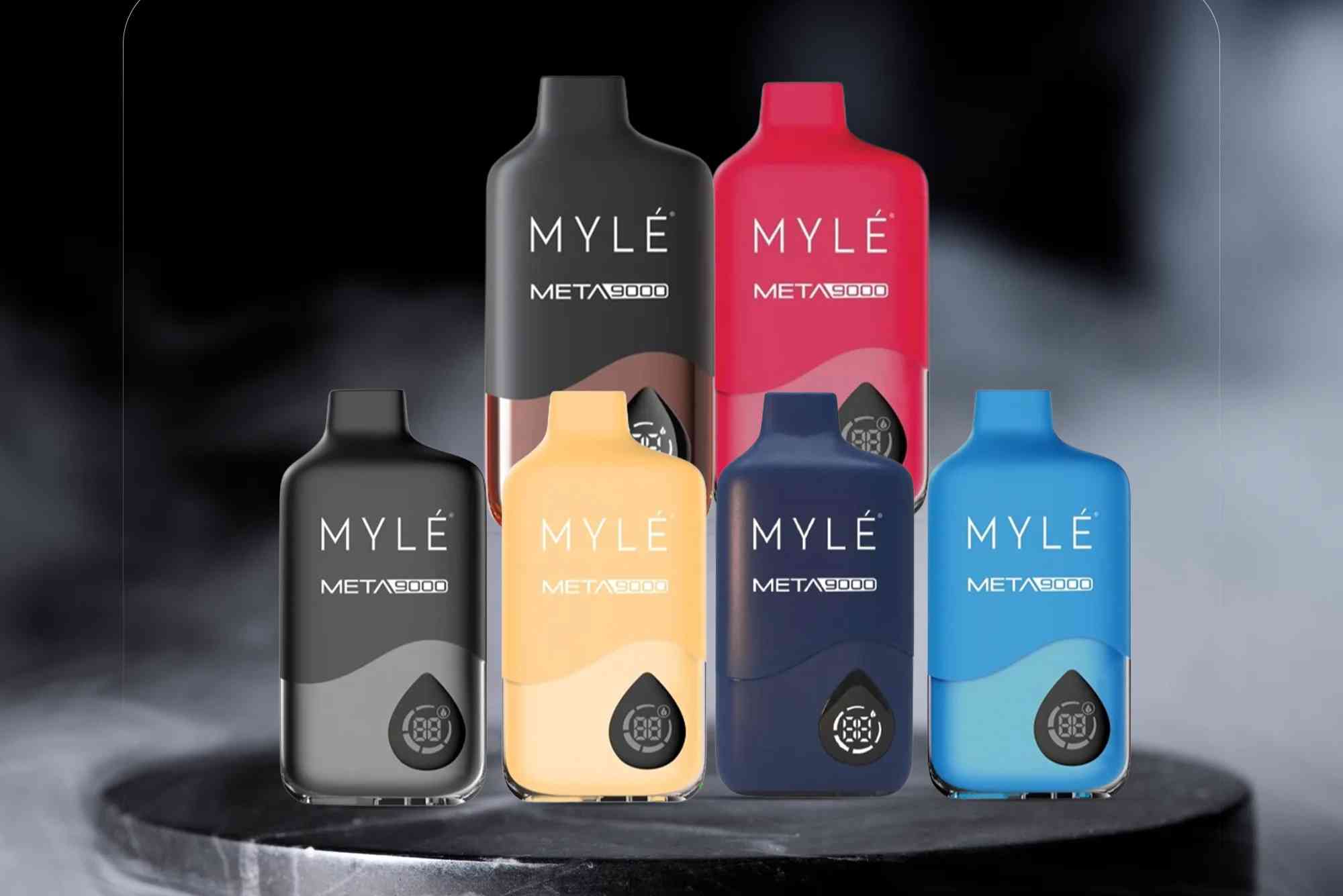
Vaping involves inhaling vapor produced by e-cigarettes or vape pens, which usually contain nicotine, flavorings, and other chemicals. It gained popularity as an alternative to combustible tobacco, promising reduced exposure to harmful smoke. However, its legality and regulation can be complex, especially in Massachusetts.
Vaping is often marketed as a smoking cessation tool. Many smokers turn to it hoping to reduce their health risks compared to traditional cigarettes. But while some studies show potential benefits, understanding the state’s laws and guidelines is essential before making the switch.
Is Vaping Legal in Massachusetts?
In Massachusetts, Is Vaping Illegal in Ma and Harm Reduction: What Every Smoker Should Know vaping is regulated but not completely illegal. The state has enacted laws that limit the sale, use, and possession of vaping products, particularly for minors.
Age Restrictions
The minimum age to purchase vaping products in Massachusetts is 21. This aligns with federal regulations. Retailers are strictly prohibited from selling e-cigarettes to anyone under this age, and violations can result in fines or loss of license.
Flavor and Product Regulations
Massachusetts has also restricted the sale of flavored vaping products, particularly those appealing to youth. Certain e-cigarettes with candy or fruit flavors are banned, while tobacco-flavored alternatives remain legal. These regulations aim to reduce youth addiction while still allowing adult smokers access to harm reduction tools.

Public Use and Indoor Restrictions
Vaping is restricted in public spaces where traditional smoking is prohibited. This includes restaurants, bars, schools, and public transportation areas. Although vaping is not illegal outright, violating these rules can result in fines or other penalties.
For detailed guidance, refer to the Massachusetts Department of Public Health — vaping laws for the latest legal updates.
Vaping as a Harm Reduction Tool
Harm reduction refers to strategies that reduce the negative consequences of risky behaviors. For smokers, vaping can be considered a harm reduction tool because it may lower exposure to harmful chemicals found in combustible cigarettes.
Reduced Exposure to Toxic Chemicals
Unlike traditional cigarettes, e-cigarettes do not burn tobacco. This significantly reduces exposure to tar and many carcinogens. Studies suggest that smokers who switch completely to vaping may lower their risk of respiratory and cardiovascular diseases.
Potential for Smoking Cessation
Vaping is increasingly used to support smoking cessation. Nicotine replacement therapies (NRTs) have long been recognized for helping smokers quit. E-cigarettes provide a similar nicotine delivery method but with fewer harmful byproducts. Gradually reducing nicotine concentration in vape liquids can assist smokers in quitting altogether.
Considerations and Risks
Despite potential benefits, vaping is not risk-free. Some e-liquids contain harmful substances, and the long-term effects are still being studied. Users should choose reputable brands, avoid black-market products, and follow safety guidelines.
How Smokers Can Approach Harm Reduction Safely
Smokers interested in harm reduction should approach vaping strategically.
Educate Yourself
Before switching, research vaping products, nicotine levels, and local regulations. Knowledge about safe usage and legal restrictions can prevent fines and reduce health risks.
Gradual Transition
Some smokers benefit from a gradual transition from combustible cigarettes to vaping. Reducing cigarette consumption while using vaping as a substitute can lower exposure to harmful chemicals and help develop new habits.
Monitor Health Changes
Pay attention to respiratory health, coughing, and other symptoms. Consulting healthcare providers familiar with harm reduction strategies ensures safety and improves chances of successful cessation.
Legal Consequences of Illegal Vaping
Although vaping is legal for adults, breaking Massachusetts laws can carry serious consequences. Selling to minors, using banned flavored products, or vaping in prohibited spaces may result in fines, community service, or even criminal charges. Understanding these rules helps users enjoy vaping safely and legally.
The Debate Around Vaping and Public Health
Public health experts are divided on vaping. Some emphasize its role in harm reduction for adult smokers, while others focus on risks to youth and long-term unknown effects. Massachusetts’ approach attempts to strike a balance by restricting youth access while allowing adults to use vaping as a safer alternative.
Youth Prevention Measures
The state’s ban on flavored products and strict age verification laws are designed to prevent youth addiction. Education campaigns highlight the risks of nicotine exposure for developing brains, helping parents and schools intervene early.
Adult Harm Reduction Focus
For adult smokers, vaping offers a potential path to reduce harm. Public health messaging encourages safe use, reputable products, and a gradual reduction plan to eventually quit nicotine altogether.
Make Informed Choices
Understanding whether vaping is illegal in MA and how it fits into harm reduction is vital for every smoker. While vaping is legal for adults and can be a useful tool for reducing harm, following state laws and safety guidelines is essential. Being informed about product quality, local regulations, and health implications ensures a safer transition from smoking.
If you are a smoker considering vaping, take proactive steps. Research safe products, follow Massachusetts regulations, and consult healthcare professionals about harm reduction strategies. Your health and legal safety depend on informed choices.
Take action today by exploring reliable sources and planning a safer path to quit smoking. For the latest rules, check out the Massachusetts Department of Public Health — vaping laws.
FAQ
Is vaping illegal in Massachusetts for adults?
No, adults 21 and older can legally purchase and use vaping products, but some flavored products are restricted.
Can I vape in public places in MA?
Vaping is banned in most indoor public spaces, similar to smoking restrictions. Always check local regulations.
Are flavored vapes legal in Massachusetts?
Tobacco-flavored vapes are legal, but many fruit, candy, or dessert flavors are banned to prevent youth use.
Can vaping help me quit smoking?
Yes, vaping can be a harm reduction tool to reduce cigarette use gradually, but it should be used strategically and safely.
What are the risks of vaping compared to smoking?
Vaping is generally less harmful than smoking because it doesn’t produce tar, but it still carries nicotine-related risks and unknown long-term effects.