
Introduction
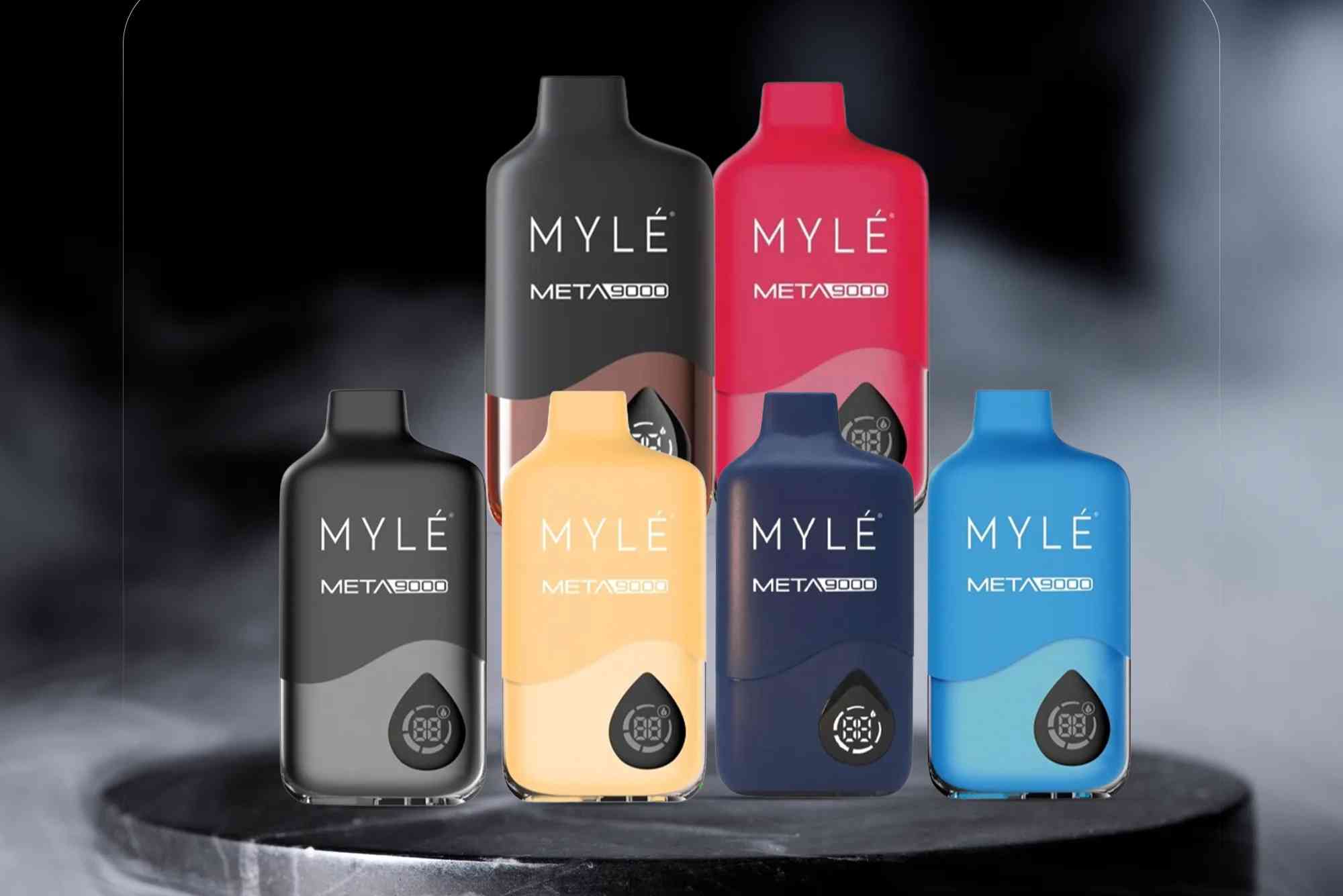
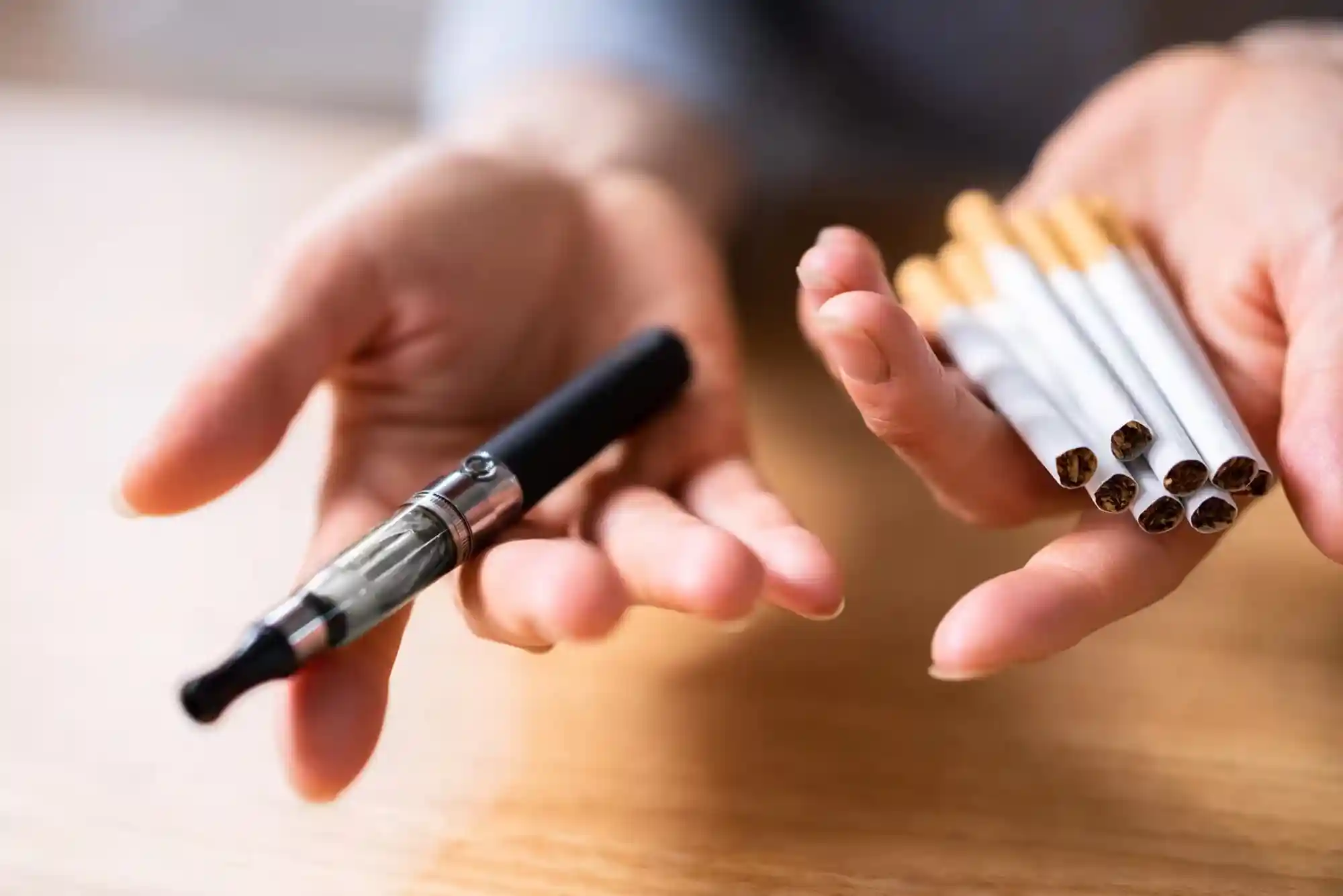
In recent years, vaping has gained massive popularity as an alternative to smoking traditional cigarettes. Among the wide range of vape products, 7000 puff vapes have sparked significant controversy. These devices promise prolonged usage and convenience, but they are illegal in many regions. Understanding why these high-capacity vapes are restricted is crucial for both smokers and those considering switching to vaping. Equally important is knowing harm reduction strategies that can protect your health while navigating the world of nicotine alternatives.
The rise of 7000 puff vapes raises pressing questions about safety, regulation, and long-term health risks. For smokers looking to transition to less harmful alternatives, understanding the legal and health implications is vital. This article explores why these vapes are illegal, the health concerns associated with them, and practical harm reduction measures every smoker should know.
Why 7000 Puff Vapes Are Illegal
Excessive Nicotine Concentration
One of the primary reasons 7000 puff vapes are illegal is their high nicotine content. These devices often contain enough nicotine to significantly exceed daily recommended limits. Excessive nicotine exposure can lead to increased addiction potential, heart problems, and nervous system strain. Unlike smaller vapes designed for moderate usage, 7000 puff devices pose a serious risk of nicotine poisoning if used incorrectly.
Misleading Consumer Claims
Many 7000 puff vapes are marketed with exaggerated claims about longevity and satisfaction. Consumers may believe they are safer or more efficient, but regulatory bodies often find these claims misleading. Misrepresentation of nicotine levels, puff count, and health effects contributes to their prohibition. Government agencies prioritize consumer safety, and misleading marketing practices can violate regulations, leading to legal restrictions.
Environmental and Safety Concerns
Large-capacity vapes are not only a health risk but also an environmental concern. Their disposable nature and size mean more electronic waste and chemical residue entering landfills. Additionally, the battery systems used in these devices are prone to overheating, increasing the risk of fires or explosions. Regulators consider both health and environmental factors when banning certain vape products.
Regulatory Standards and Oversight
Regulatory bodies, such as the FDA, enforce strict standards on vape manufacturing, nicotine content, and flavoring. Many 7000 puff vapes fail to meet these standards. Compliance with consumer safety alerts & manufacturer standards (example: product & flavor limits) is mandatory, and devices that bypass these requirements are often deemed illegal. These regulations exist to protect consumers from unsafe products while ensuring the vaping industry maintains accountability.

Harm Reduction: What Every Smoker Should Know
Understanding Harm Reduction
Harm reduction refers to strategies designed to minimize health risks associated with smoking or vaping. It does not eliminate nicotine dependence entirely but focuses on reducing the most dangerous aspects of tobacco use. For smokers considering alternatives, knowing harm reduction principles is crucial for making informed choices.
Choosing Safer Vape Options
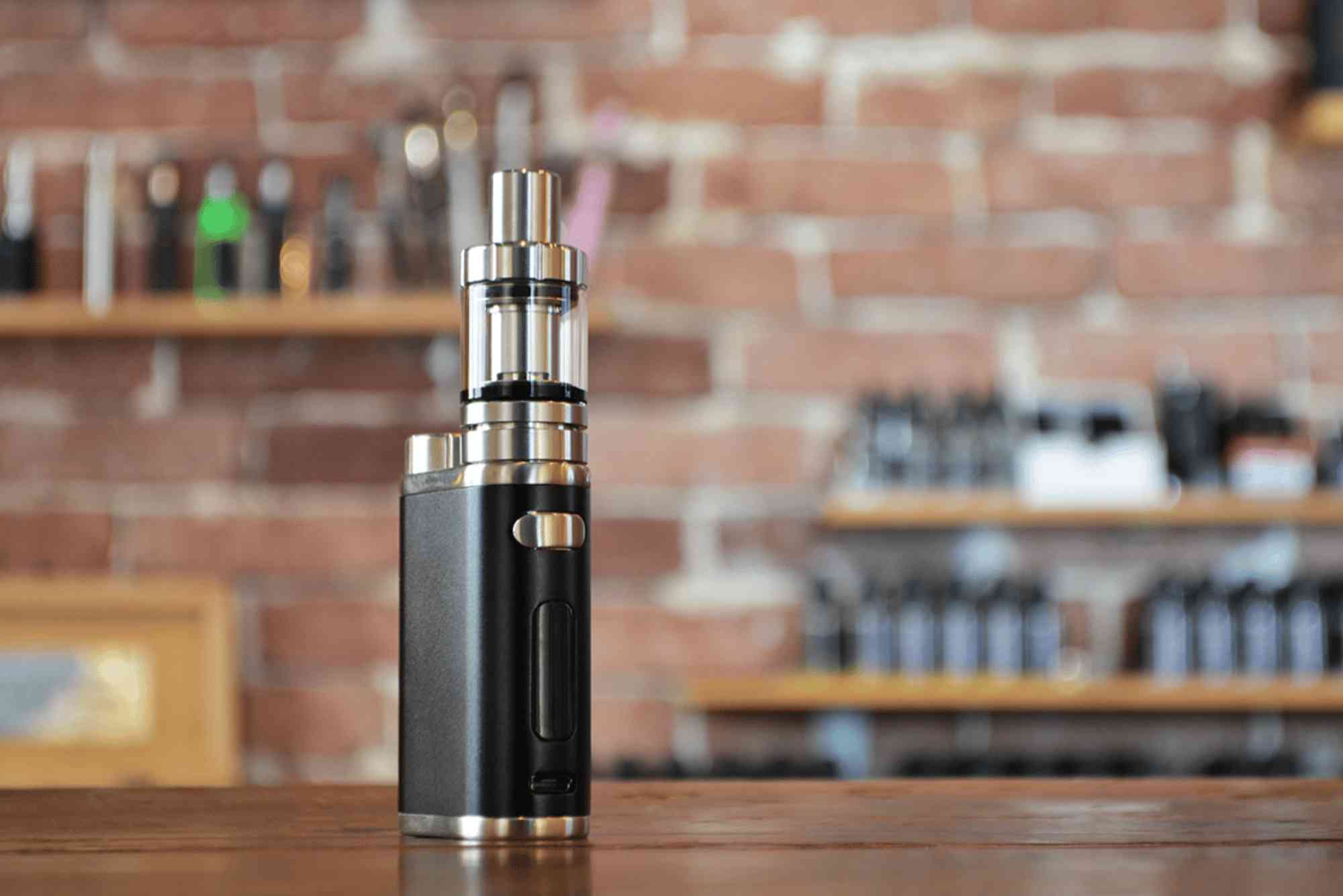
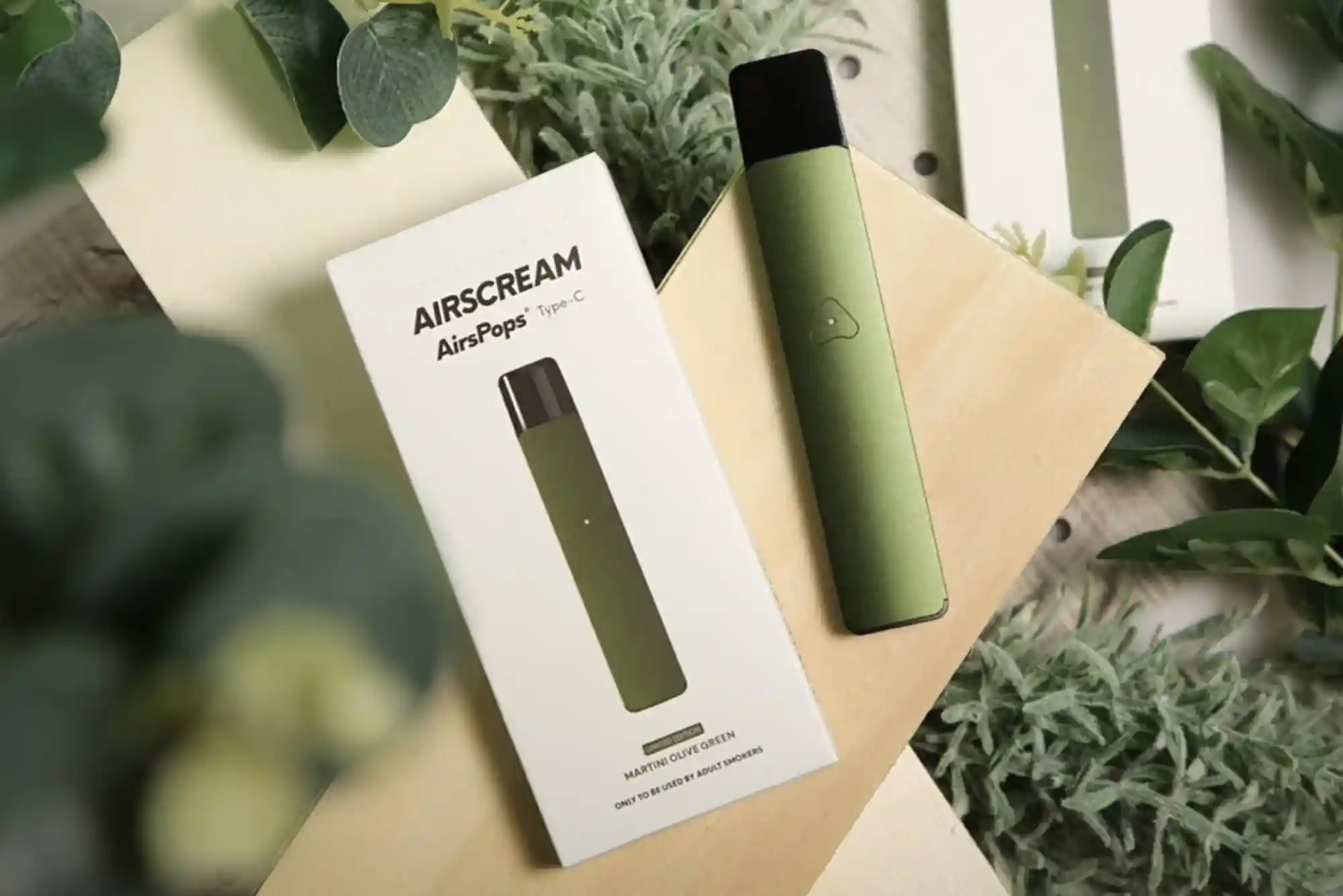
Not all vapes are equally risky. Choosing devices with regulated nicotine content, reputable manufacturing, and proven safety records significantly lowers potential harm. Smaller, refillable vapes are often safer than large disposable devices, as they reduce waste and allow for controlled nicotine consumption. Opting for products that comply with regulatory standards ensures you avoid untested or dangerous chemicals.
Proper Usage Practices
Even with safer vape options, proper usage is essential. Avoid excessive puffing, follow device guidelines, and monitor your nicotine intake. Overuse can still result in nicotine addiction or health complications. Understanding the limitations of your device, including battery safety and liquid composition, is part of responsible vaping.
Transitioning Gradually
For smokers trying to quit traditional cigarettes, gradual transition strategies can be highly effective. Vaping can act as a stepping stone, reducing harmful smoke inhalation while managing nicotine cravings. Combining this with behavioral strategies, such as identifying triggers and developing healthier coping mechanisms, supports a sustainable approach to quitting.
Awareness of Health Risks
While vaping is often marketed as a safer alternative, it is not risk-free. Nicotine affects cardiovascular health, can impact lung function, and may have long-term neurological effects. Staying informed about emerging research and regulatory updates empowers smokers to make educated decisions about their nicotine consumption.
Legal Implications of Using 7000 Puff Vapes
Possessing or selling 7000 puff vapes in regions where they are banned can lead to legal consequences. Fines, product confiscation, and potential criminal charges are risks consumers should consider. Beyond legality, using unregulated products can also expose users to counterfeit or poorly manufactured devices, increasing safety hazards. Awareness of local laws and adherence to approved products ensures both compliance and personal safety.
The Role of Regulatory Bodies
Government agencies play a vital role in evaluating vape products for safety and consumer protection. Organizations like the FDA monitor product compliance, issue safety warnings, and enforce bans on devices like 7000 puff vapes. Following regulatory guidance protects consumers from harmful products and ensures that the vaping market maintains quality standards. Regulatory oversight is not intended to restrict choice but to prevent harm from unsafe products.
The illegality of 7000 puff vapes is rooted in safety concerns, regulatory compliance, and environmental responsibility. High nicotine levels, misleading claims, and potential device hazards make these products dangerous for casual or even experienced vapers. For smokers, understanding harm reduction strategies is crucial in navigating alternatives safely. By selecting regulated devices, using them responsibly, and staying informed about the latest research, individuals can significantly reduce their health risks.
Transitioning from smoking to safer alternatives requires knowledge, vigilance, and adherence to safety standards. Prioritizing informed decisions not only supports personal health but also aligns with legal and environmental responsibilities. For anyone considering vaping, focusing on harm reduction ensures a safer, more sustainable approach.
If you are considering quitting smoking or switching to vaping, stay informed and prioritize safety. Explore regulated options, understand product guidelines, Why are 7000 Puff Vapes Illegal and Harm Reduction: What Every Smoker Should Know and consult reliable sources to make the best choice for your health.
FAQ
Why are 7000 puff vapes banned?
7000 puff vapes are banned due to high nicotine content, misleading marketing, safety risks, and non-compliance with regulatory standards.
Are smaller vapes safer than 7000 puff devices?
Yes. Smaller, regulated vapes reduce nicotine exposure, environmental waste, and the risk of device malfunctions.
How can I practice harm reduction while vaping?
Choose regulated products, monitor nicotine intake, use devices responsibly, and stay informed about emerging health research.
Can 7000 puff vapes cause nicotine poisoning?
Yes. The excessive nicotine content can lead to nausea, dizziness, heart issues, and addiction if misused.
Where can I find safe vaping alternatives?
Look for devices that meet regulatory standards and follow guidance from health authorities like the FDA.