
Introduction
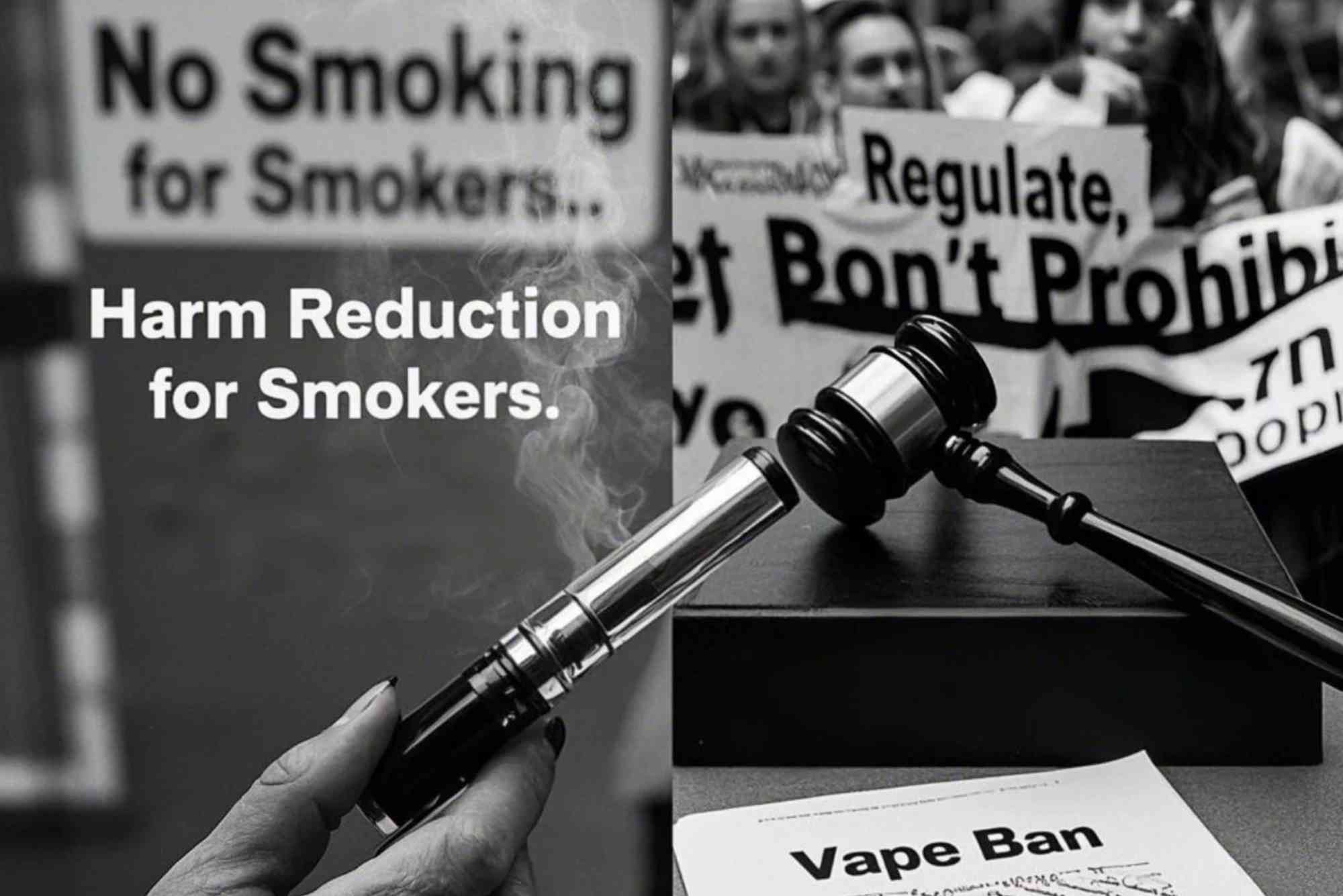
Vaping has emerged as a widely discussed topic in public health, sparking debates about its role in smoking cessation and its safety compared to traditional cigarettes. As governments and health authorities increasingly consider banning vapes, smokers are left wondering how these policies impact their health choices. Understanding banning vapes and harm reduction: what every smoker should know is critical for making informed decisions about quitting smoking while minimizing risks.
Understanding the Vape Ban Debate
Vaping products, including e-cigarettes and vape pens, were introduced as alternatives to combustible tobacco. Advocates argue they help smokers reduce exposure to harmful chemicals. However, concerns about youth uptake, unknown long-term effects, and public health implications have led some countries to enforce restrictions or full bans.
Health Concerns Behind Vape Restrictions
Research highlights several health concerns associated with vaping. While e-cigarettes generally contain fewer toxicants than cigarettes, they still deliver nicotine, a highly addictive substance. Some studies suggest that inhaling certain flavoring agents and chemicals can impact lung health. These concerns are central to discussions on banning vapes and harm reduction: what every smoker should know.
Regulatory Measures Around the World
Different countries adopt varying approaches. Some focus on regulation rather than prohibition, setting limits on nicotine content, flavorings, and marketing practices. Others enforce stricter bans to prevent potential risks. Reviewing official resources such as the WHO FCTC national ban review pages provides insight into national policies and global trends.
The Role of Harm Reduction in Smoking
Harm reduction is a public health strategy designed to minimize negative consequences rather than focusing solely on elimination. For smokers, this means exploring safer alternatives, such as nicotine replacement therapy or vaping, to reduce exposure to the toxic chemicals in traditional cigarettes.
Vaping as a Harm Reduction Tool
Vaping can serve as a harm reduction tool when smokers transition from combustible tobacco. Evidence indicates that switching completely to e-cigarettes can lower exposure to harmful substances. However, success depends on proper usage and avoiding dual consumption with traditional cigarettes.

Risks vs. Benefits
It is essential to weigh both risks and benefits. While vaping is generally less harmful than smoking, it is not risk-free. Nicotine dependency, potential lung irritation, and exposure to chemicals remain concerns. Understanding these factors helps smokers make informed decisions under policies related to banning vapes and harm reduction: what every smoker should know.
Implications of Vape Bans for Smokers
Vape bans can significantly impact smokers who rely on e-cigarettes as a cessation tool.
Reduced Access to Safer Alternatives
In countries enforcing strict bans, smokers may have limited access to e-cigarettes. This scenario can inadvertently push individuals back to combustible tobacco, which carries higher health risks.
Increased Black Market Activity
Bans may lead to unregulated markets, exposing smokers to unsafe products. Unregulated e-liquids may contain harmful substances not tested for safety, undermining harm reduction efforts.
Policy Communication and Public Understanding
Clear public communication is vital. Governments and health authorities must ensure that smokers understand the rationale behind bans, the potential risks, and alternative strategies to reduce harm. This transparency helps maintain trust and supports healthier behavioral choices.
Alternative Strategies for Reducing Smoking Harm
Even in the context of bans, smokers can adopt various harm reduction strategies.
Nicotine Replacement Therapies (NRTs)
NRTs, including patches, gums, and lozenges, provide controlled nicotine doses without inhaling harmful smoke. These therapies can help smokers gradually reduce dependence while minimizing exposure to toxins.
Behavioral Support and Counseling
Combining NRTs with behavioral support or counseling significantly increases the likelihood of quitting successfully. Guidance from trained professionals helps manage cravings and reinforces long-term behavior change.
Smoke-Free Policies
Adopting smoke-free environments at home and work can reduce secondhand smoke exposure and reinforce quitting efforts. Social support plays a crucial role in sustaining harm reduction practices.
The Future of Vape Regulation and Harm Reduction
Public health authorities continue to evaluate scientific evidence to balance risk reduction with protective policies. Emerging research may influence future regulations, focusing on minimizing youth exposure while supporting smokers seeking safer alternatives.
Evidence-Based Decision Making
Health authorities increasingly emphasize evidence-based approaches. Policies consider data on health risks, patterns of use, and the effectiveness of vaping as a harm reduction tool. This approach ensures that interventions are targeted and effective, aligning with the principles of banning vapes and harm reduction: what every smoker should know.
Global Perspectives
International cooperation, as documented by initiatives like the WHO FCTC, helps standardize approaches and share best practices. Countries can learn from others’ experiences, balancing public health protection with harm reduction strategies for smokers.
Key Takeaways for Smokers
- Vaping is not risk-free but may offer reduced harm compared to smoking.
- Understanding national bans and regulations is essential before choosing vaping as a cessation tool.
- Alternative harm reduction strategies, including NRTs and counseling, remain valuable.
- Being informed helps smokers navigate policies, avoid black-market risks, and make healthier choices.
Smokers should remain proactive about understanding policy changes and exploring safer alternatives. By staying informed, they can align personal choices with broader public health goals.
(FAQs)
Are vapes completely safe compared to cigarettes?
No. While vaping generally exposes users to fewer harmful chemicals, it still involves nicotine and other potentially harmful substances.
Can banning vapes increase cigarette smoking?
Yes, bans may lead some smokers back to combustible tobacco, which carries higher health risks.
What is harm reduction in smoking?
Harm reduction focuses on minimizing negative health impacts, such as using safer nicotine alternatives or structured cessation programs.
Where can I find reliable information on vape regulations?
Official resources like the WHO FCTC national ban review pages provide up-to-date guidance on country-specific policies.
Are there alternatives to vaping for quitting smoking?
Yes. Nicotine replacement therapies, behavioral counseling, and smoke-free policies are effective alternatives.
Understanding banning vapes and harm reduction: what every smoker should know empowers smokers to make safer, informed decisions. While bans may limit access to e-cigarettes, exploring alternative harm reduction strategies can help mitigate risks. Staying informed through credible sources, like the WHO FCTC, and considering professional support ensures smokers can reduce harm while working toward quitting.
Take charge of your health today. Explore safer alternatives, stay updated on policies, and consult health professionals to make decisions aligned with your long-term well-being.