

Introduction
Vaping has transformed the smoking landscape, offering a potentially less harmful alternative for adult smokers. Yet, understanding the laws regarding vaping and Harm Reduction: What Every Smoker Should Know is crucial for safety, compliance, and informed decision-making. From regulatory restrictions to harm reduction strategies, this guide covers everything smokers need to know before picking up an e-cigarette.
Understanding Vaping and Its Role in Harm Reduction
What Is Vaping?
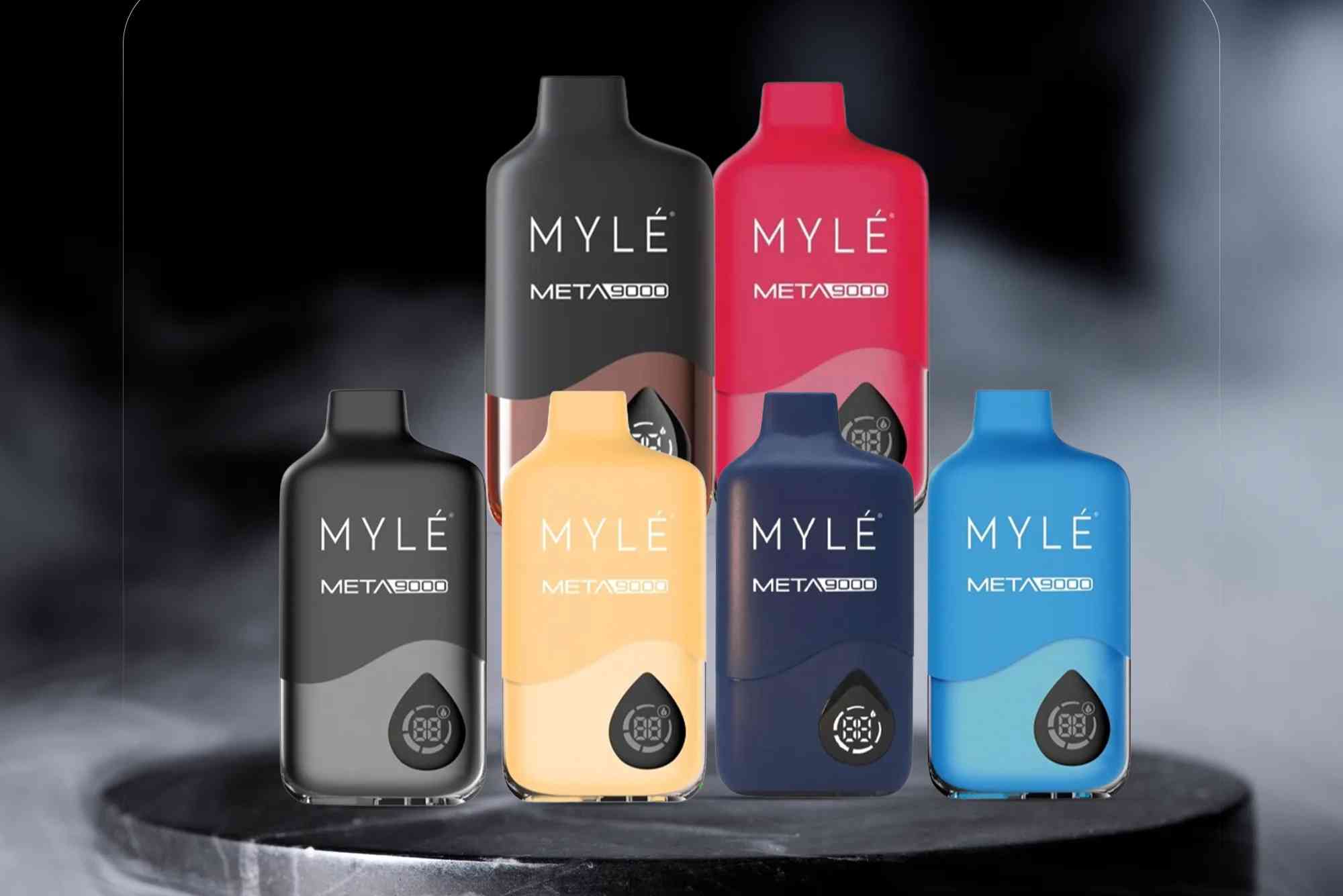
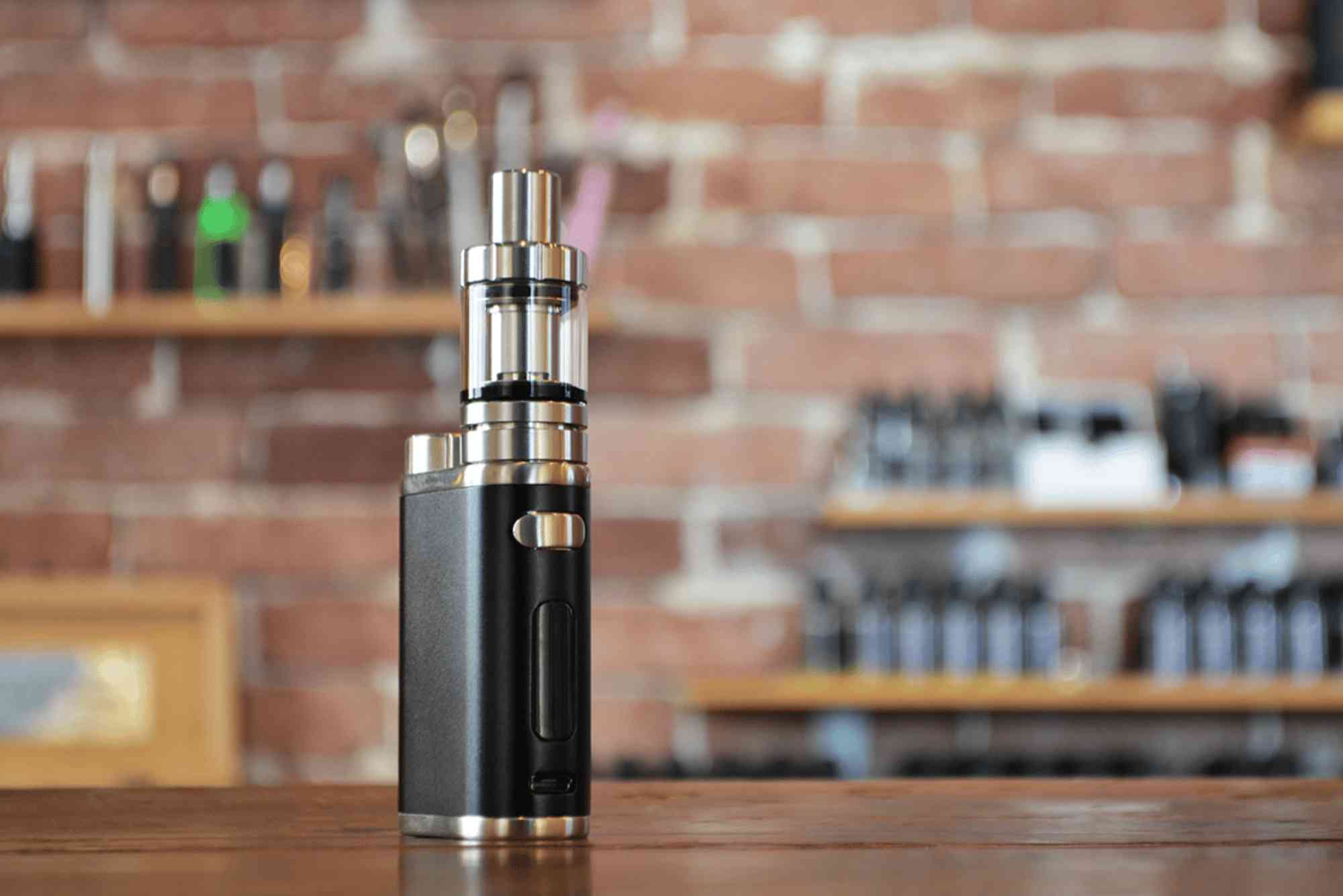
Vaping refers to inhaling vapor produced by an electronic cigarette or similar device. Unlike traditional cigarettes, e-cigarettes do not burn tobacco, reducing exposure to harmful chemicals like tar and carbon monoxide.
The Concept of Harm Reduction
Harm reduction focuses on minimizing health risks associated with smoking. Vaping is considered a harm reduction tool because it delivers nicotine without the dangerous byproducts of combustion. Research indicates that switching from cigarettes to vaping may lower the risk of lung disease, heart problems, and cancer.
Why Knowledge of Laws Matters
Even as vaping offers health benefits, legal compliance is critical. Different countries and regions impose strict rules on sales, age restrictions, product composition, advertising, and public use. Ignorance of these laws can result in fines, confiscation, or criminal liability.
Global Landscape: Vaping Regulations Around the World
United States
The U.S. Food and Drug Administration (FDA) regulates vaping products as tobacco products. Sales are restricted to adults 21 and older, and flavors appealing to minors are often prohibited. States have additional rules on indoor use, advertising, and taxation.
European Union
In the EU, vaping products fall under the Tobacco Products Directive. Regulations include limits on nicotine concentration, packaging requirements, and a ban on sales to minors. For a comprehensive view, consult the European Commission & WHO combined resource on vaping laws.

Asia and Middle East
Many Asian and Middle Eastern countries enforce strict bans or heavy restrictions on vaping. In some regions, importing e-cigarettes is illegal, and public use may carry fines or imprisonment. Smokers traveling internationally must research local rules to avoid legal issues.
Public Vaping Restrictions
Indoor Use
Most countries prohibit vaping in workplaces, schools, and healthcare facilities, mirroring smoking bans. Indoor restrictions protect non-smokers from secondhand aerosol exposure.
Age Restrictions
Age limits are universally enforced, often set at 18 or 21. Retailers are legally obligated to verify age before selling vaping products. Adults should be aware that violations can lead to significant penalties.
Marketing and Advertising Limitations
Advertising is heavily regulated to prevent youth uptake. Many countries restrict online ads, sponsorships, and flavor promotions that target minors. Understanding these rules is essential for both consumers and retailers.
Health Considerations and Harm Reduction Benefits
Reduced Exposure to Harmful Chemicals
Vaping eliminates many of the toxic substances produced by burning tobacco. While not risk-free, evidence suggests that it is less harmful than traditional smoking.
Support for Smoking Cessation
E-cigarettes are sometimes used as part of a structured smoking cessation plan. Behavioral support combined with vaping can increase the likelihood of quitting combustible cigarettes.
Monitoring Nicotine Intake
Vaping allows control over nicotine levels. Smokers can gradually reduce intake, aligning with harm reduction goals. Awareness of laws regarding nicotine concentration is necessary to avoid legal violations.
Risks and Misconceptions
Not Completely Risk-Free
While vaping is safer than smoking, it is not harmless. Long-term studies are ongoing, and some devices may contain harmful additives.
Misunderstanding Legal Protections
Smokers sometimes assume vaping is unrestricted because it’s less harmful. Legal frameworks are evolving, and consumers must stay updated on local regulations to avoid penalties.
Black Market Products
Illegal or counterfeit vaping products pose severe health risks. Adhering to regulated sources ensures both safety and compliance with the law.
How Smokers Can Legally Vape and Reduce Harm
Choosing Regulated Products
Always purchase products from reputable stores and verified brands. Check for proper labeling and compliance with regional regulations.
Respecting Public Restrictions
Avoid vaping in prohibited areas. Even if harm reduction is your goal, public law takes precedence over personal choice.
Staying Informed
Regulations are dynamic. Consulting trusted sources like government health websites or the European Commission & WHO combined resource on vaping laws ensures you are aware of the latest rules.
Consulting Health Professionals
Healthcare providers can advise on the safest harm reduction strategies, nicotine tapering plans, and potential health risks.
The Legal Consequences of Non-Compliance
Fines and Confiscation
Violating age restrictions, indoor bans, or importing prohibited products can result in financial penalties or confiscation of devices.
Criminal Charges
In some countries, repeated violations can escalate to criminal prosecution, especially for unlicensed sales or distribution.
Impact on Travel
Smokers traveling internationally should research vaping laws in their destination. Possession of banned products can lead to severe legal trouble.
Future Trends in Vaping Legislation
Stricter Public Policies
Governments are increasingly incorporating vaping into broader tobacco control strategies. Expect stricter rules on advertising, public use, and product safety.
Technological Advancements
Innovation in e-cigarettes, including safer devices and controlled nicotine delivery, will continue to influence regulations.
International Coordination
Global health organizations are encouraging consistent policies to reduce smoking-related harm while protecting minors. Resources like the European Commission & WHO combined resource on vaping laws provide guidance for policymakers and consumers.
Understanding the laws regarding vaping and Harm Reduction: What Every Smoker Should Know is vital for every adult smoker. Vaping offers a harm reduction pathway, but navigating legal frameworks ensures safety, compliance, and effective use. Staying informed, using regulated products, and respecting public restrictions maximizes the benefits while minimizing risks.
If you are a smoker considering vaping, research local regulations today and consult health professionals for guidance. Make your transition to safer alternatives both legal and informed.
FAQ
Is vaping completely legal everywhere?
No. Laws vary widely between countries and even states. Some regions ban vaping entirely, while others regulate age, flavor, and nicotine content.
Can vaping help me quit smoking?
Yes. E-cigarettes can support smoking cessation when combined with behavioral support and controlled nicotine reduction.
Are there age restrictions for buying vaping products?
Yes. Most countries restrict sales to adults, typically 18 or 21 years old. Retailers are required to verify age.
Are there risks to vaping despite harm reduction?
Vaping is less harmful than smoking but not risk-free. Devices can contain chemicals, and long-term health effects are still being studied.
Where can I check the latest vaping laws?
Official resources like the European Commission & WHO combined resource on vaping laws provide updated regulations and guidance.