

Introduction
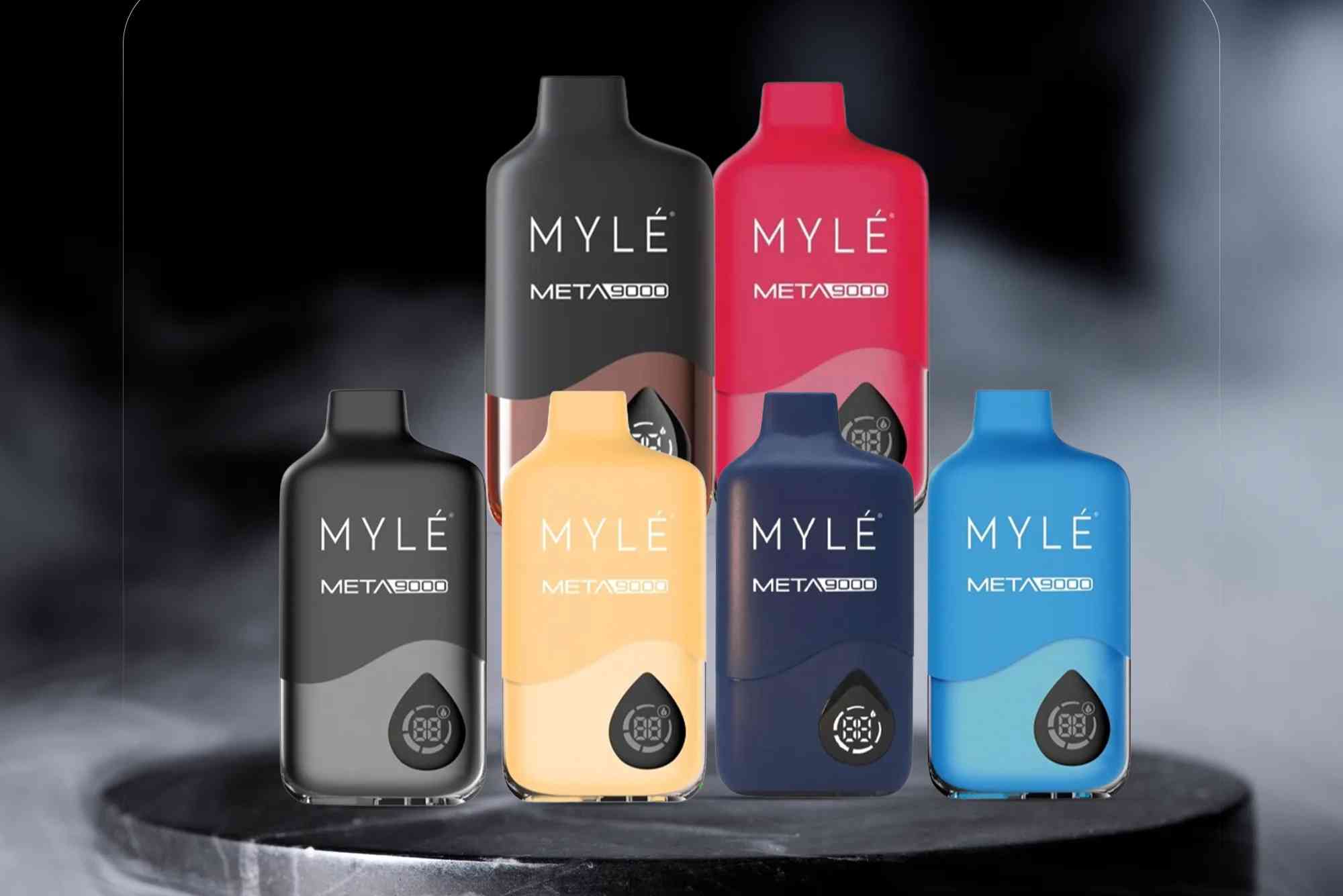
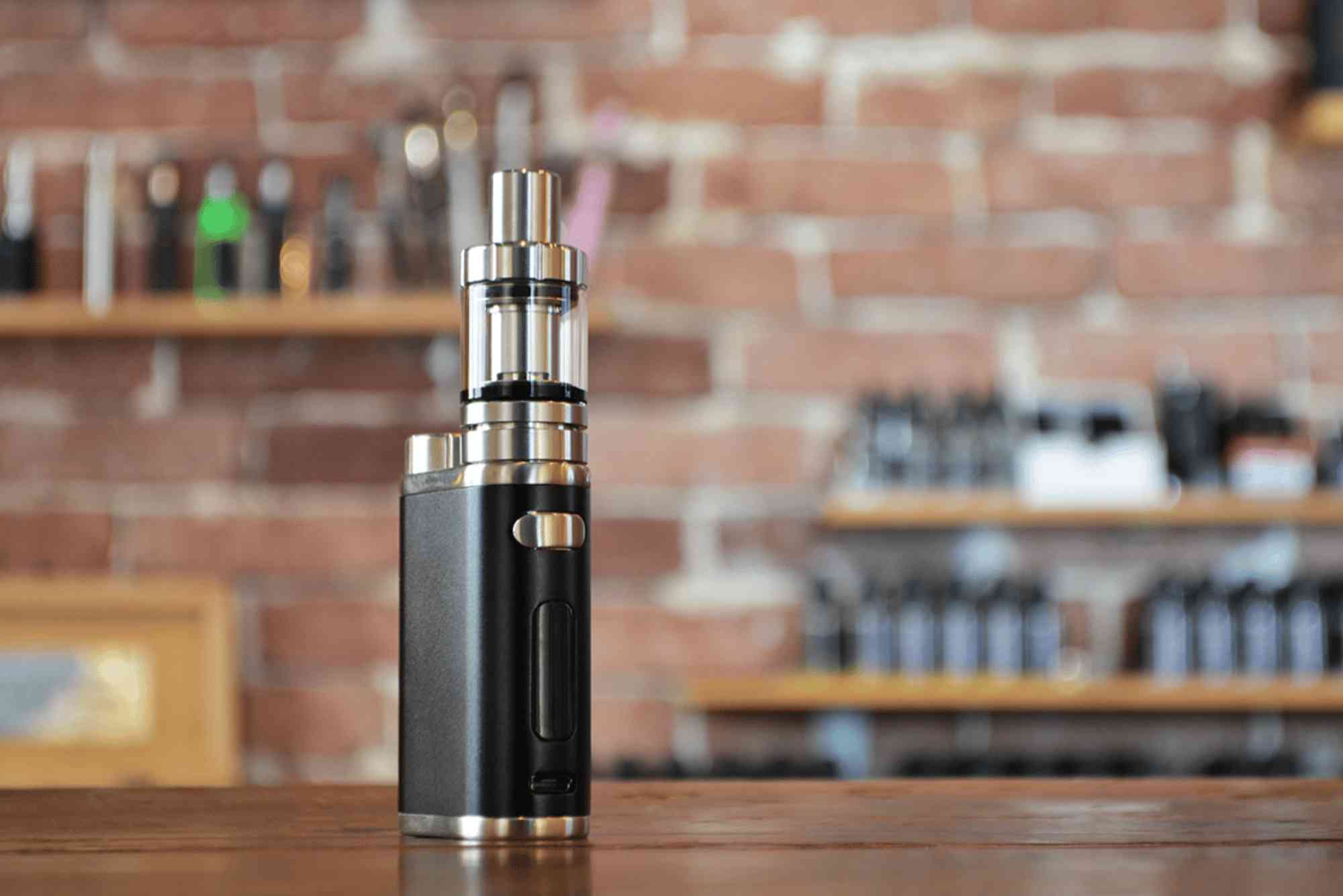
The 2025 global vape bans are reshaping smoking and harm-reduction strategies. With e-cigarettes restricted in many countries, smokers must understand risks and alternatives.
Why 2025 Is Critical
Government action
Several countries banned vaping, citing health risks and youth protection. Some bans cover production, trade, import, and possession. WHO / national policy trackers for vape bans
Reasons for bans
- Youth risk: Flavored vapes attract teens.
- Health concerns: Long-term effects of vaping remain uncertain.
- Black market: Illegal products may increase.
Harm Reduction vs. Prohibition
Harm reduction benefits
Vaping can reduce exposure to harmful chemicals compared to smoking. Regulated use has lowered smoking rates in some populations.
Risks of prohibition
- Smokers may return to combustible cigarettes.
- Black-market vapes can be unsafe.
- Harm-reduction tools are limited.
Implications for Smokers
Evaluate options
Where vaping is banned, focus on nicotine replacement therapy, counseling, or prescription aids. Where regulated, choose safe, legal products.
Stay informed
Laws may change quickly. Monitor policy updates to avoid illegal or unsafe products.
Balanced approach
Protect youth while allowing adults access to regulated harm-reduction tools.

FAQs
Are vape bans effective?
They reduce youth uptake but may not lower overall smoking rates.
Is vaping safer than smoking?
Yes, but not risk-free. Unregulated products can be harmful.
What if vaping is banned but I want to quit?
Use nicotine replacement therapy or consult healthcare providers.
Why not ban cigarettes instead?
Cigarettes are deeply entrenched socially and economically; bans focus on new products.
Vape bans in 2025 protect youth but limit harm-reduction options for adults. Smokers should consider safe cessation tools and stay informed on regulations.