
Introduction
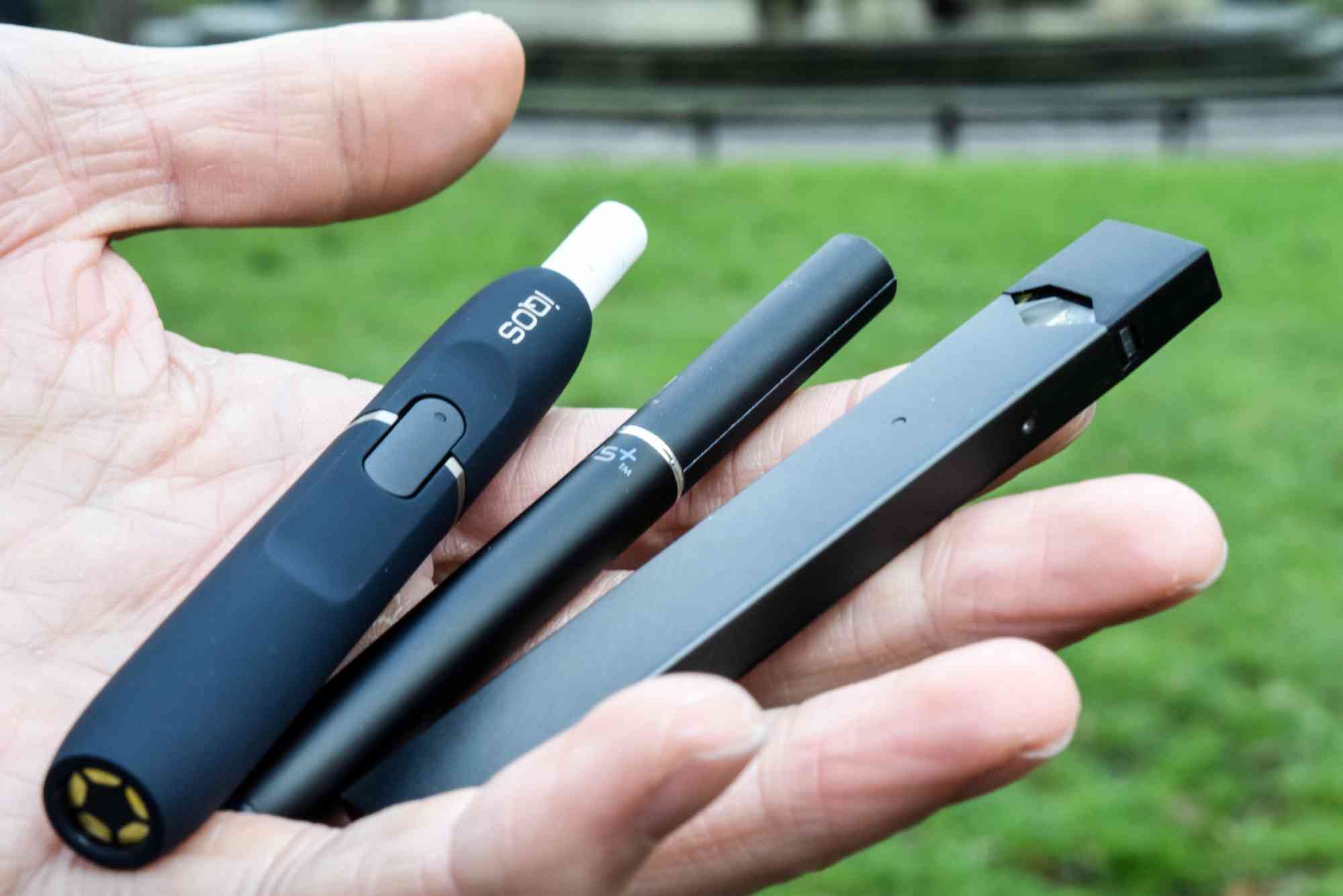
If you’ve considered switching from cigarettes to vaping — or are curious about how vaping is treated in Mexico — it’s crucial to understand the country’s strict regulations. Vaping has become highly regulated, with many products now banned. This article explains the current legal framework, the reasoning behind it, the impact on harm reduction, and practical guidance for smokers.
Vaping is often promoted as a potentially less harmful alternative to smoking. However, Mexican authorities have taken a strict stance on e-cigarettes and vapes. Today, many devices and e-liquids are prohibited for sale, import, and distribution. For smokers and travelers, this raises key questions: What is legal? What is banned? And where does harm reduction fit in when access to vaping is restricted?
We will explore the laws, the rationale behind them, harm-reduction considerations, and practical advice for those affected.
Current Legal Status: Vaping Laws in Mexico
Vaping Ban — Sale, Distribution, Importation
Mexico has implemented laws that prohibit the sale, distribution, importation, and exportation of e-cigarettes and similar vaporizing devices. Presidential decrees and constitutional reforms have reinforced these prohibitions, embedding them into the nation’s legal framework.
Restrictions on Use in Public Spaces
Vaping is treated similarly to smoking under Mexican law. It is prohibited in indoor public spaces, workplaces, public transport, and many outdoor public areas. Advertising, promotion, and sponsorship of e-cigarettes are also banned.
Legal Gray Zones & Enforcement Realities
Although bans are strict, enforcement has sometimes been inconsistent. Before recent reforms, some retailers operated under limited permissions. Today, a grey market exists, with informal sales and online offerings accessible in some areas. Travelers and residents risk legal consequences if they attempt to use or import vaping products.
Why Mexico Took a Hard Line: Health and Public Policy
Concerns About Youth and Public Health
Authorities cite the appeal of flavored e-liquids to minors, which may increase nicotine addiction among youth. The long-term health risks of vaping remain uncertain, prompting a precautionary approach.
Protecting Public Spaces and Non-Smokers
Extending indoor-smoking bans to include vaping protects non-smokers from secondhand aerosol exposure. Restricting advertisements helps prevent normalization of vaping, particularly among young people.
Removing Loopholes and Ensuring Uniform Regulation
Constitutional reforms addressed previous ambiguities and court rulings that allowed some retailers to operate. Embedding the ban in the constitution ensures consistent nationwide enforcement.
Vaping and Harm Reduction: Where Does It Stand in Mexico?
The Promise and Limits of Harm Reduction
Vaping can expose users to fewer toxicants than cigarettes, offering potential harm-reduction benefits. However, in Mexico, legal restrictions make regulated access to vaping products impossible. Consequently, the harm-reduction pathway is largely closed.
Black Market and Unregulated Products
A strong black market may emerge due to the ban. Unregulated devices and e-liquids carry risks such as inconsistent nicotine levels, contamination, or harmful additives. This undermines potential harm-reduction benefits.
Public Health Costs — Smoking Remains Common
Without access to legal vaping alternatives, many smokers continue using traditional cigarettes. This limits the public health impact of harm-reduction strategies in Mexico.
What Smokers in Mexico (or Traveling to Mexico) Should Know
- Buying or selling e-cigarettes, vapes, or e-liquids is illegal.
- Bringing vaping devices or e-liquids into Mexico may result in confiscation or fines.
- Vaping in public spaces is prohibited and may lead to legal consequences.
- Unregulated products are high-risk due to uncertain safety standards.
For harm reduction or quitting smoking, alternative strategies include nicotine-replacement therapy, counseling, and evidence-based cessation programs.
FAQs
Is vaping legal in Mexico?
No. The sale, distribution, importation, and commercialization of e-cigarettes and vapes are banned.
Can I bring my vape device or e-liquids into Mexico?
No. Importation of these products is prohibited, and authorities may confiscate them.
Is vaping allowed in public places?
No. Vaping is banned in indoor public spaces, workplaces, public transport, and many outdoor public areas.
Why did Mexico ban vaping instead of regulating it?
The government cites youth addiction, potential long-term health effects, and a lack of conclusive safety data as reasons for a full ban.
If I want to quit smoking, what are my options in Mexico?
Legal vaping is unavailable, so alternative cessation strategies include nicotine-replacement therapy, counseling, and support programs.
Vaping in Mexico has transitioned from a regulated activity to one that is largely prohibited. Smokers seeking harm-reduction alternatives face limited options, and reliance on unregulated products carries legal and health risks. Public health priorities focus on preventing youth nicotine addiction and protecting non-smokers.
For authoritative guidance, visit Mexico Secretaría de Salud — tobacco & e-cigarette policy.